Table of Contents >> Show >> Hide
- Kitchen Layout Ideas That Make the Room Work Better
- Small Kitchen Ideas That Squeeze More Out of Every Inch
- Storage and Function Ideas That Keep Kitchens Organized
- Style Ideas for Cabinets, Color, Surfaces, and Backsplashes
- Lighting, Comfort, and Finishing Ideas That Make a Kitchen Feel Complete
- How to Pull These Kitchen Ideas Together Without Losing Your Mind
- Real-Life Experiences That Show Why Good Kitchen Ideas Matter
- Conclusion
The best kitchen ideas do two jobs at once: they make your space work harder, and they make you want to hang out there longer. That sounds obvious, but anyone who has tried to chop vegetables in a dim corner while balancing a cutting board on top of yesterday’s mail knows good design is not just about pretty cabinets. It is about flow, storage, comfort, durability, and creating a room that can handle everything from rushed weekday breakfasts to dramatic holiday pie production.
Whether you have a one-wall kitchen in a city apartment, a galley layout that keeps you on your toes, or a sprawling open-concept setup with room for an island the size of a small yacht, there is always a smarter way to plan the space. The good news is that timeless kitchen design is not one-size-fits-all. The most successful kitchens usually mix practical layout decisions with personal style, layered lighting, smart storage, hardworking materials, and just enough personality to keep the room from feeling like a showroom with a refrigerator.
Below, you will find 75 kitchen ideas organized by layout, size, function, style, and finishing touches. Steal one, steal ten, or steal all 75. Your kitchen will never know what hit it.
Kitchen Layout Ideas That Make the Room Work Better
- Choose a one-wall layout for compact living. In a studio, loft, or narrow open-plan space, keeping cabinets and appliances on one wall saves square footage and keeps traffic moving.
- Add an island to a one-wall kitchen. Even a slim island can create extra prep space, add seating, and make the room feel more like a real kitchen than an afterthought.
- Lean into a galley kitchen if efficiency matters most. Two parallel runs of cabinetry keep everything within easy reach, which is excellent for serious cooks and tiny footprints.
- Use light finishes in a galley kitchen. Bright cabinetry, reflective surfaces, and layered lighting help prevent the classic “beautiful tunnel” effect.
- Try an L-shaped layout for flexibility. This layout opens up the room, works well in family homes, and leaves space for a dining area or island.
- Use a U-shaped kitchen when you want maximum counter space. Three connected sides create an efficient prep zone and give avid home cooks room to spread out.
- Open one side of a U-shaped kitchen. If a full horseshoe feels boxed in, a more open version can preserve storage while improving sightlines.
- Swap an island for a peninsula in smaller rooms. A peninsula gives you many of the benefits of an island without demanding as much floor space.
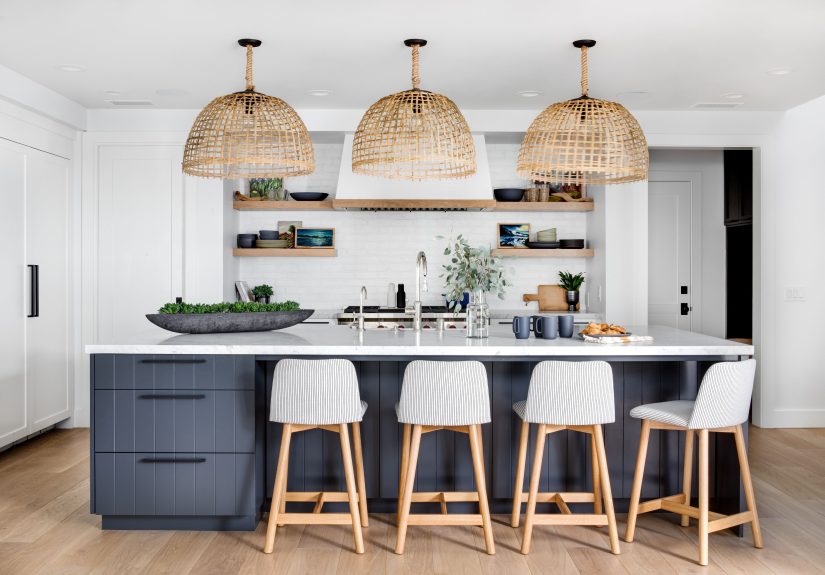
- Let the island define the kitchen zone. In an open-concept home, an island can visually separate the kitchen from the living area without adding walls.
- Build the kitchen around work zones, not just the old triangle. If multiple people cook, snack, unload groceries, and do homework in the same room, dedicated stations can work better than forcing everything around sink, stove, and fridge.
- Create a baking zone. Store mixing bowls, measuring cups, sheet pans, and flour near a clear stretch of counter so cookie season does not become cabinet cardio.
- Create a coffee zone. A tray, shelf, or countertop corner with mugs, beans, sweeteners, and the machine keeps the morning rush from hijacking the whole kitchen.
- Group the pantry near the fridge. It makes unloading groceries faster and reduces the number of “Why am I holding pasta in front of the sink?” moments.
- Keep the trash and recycling near the prep area. This sounds boring until you stop trekking across the room with onion peels in your hands.
- Make room for landing space. Leave enough counter near the fridge, oven, and sink so hot pans, grocery bags, and takeout containers have somewhere to go besides chaos.
Small Kitchen Ideas That Squeeze More Out of Every Inch
- Use full-height cabinets. Taking cabinetry to the ceiling captures valuable storage and makes the room feel taller and more finished.
- Add open shelves selectively. A few shelves can lighten the look of a small kitchen, especially if you use them for everyday dishes or attractive glassware.
- Skip bulky upper cabinets on one wall. Replacing some uppers with windows, shelving, or a statement hood can make a tight kitchen feel more open.
- Choose glass-front cabinet doors. They reflect light and break up a long run of solid cabinetry while still offering hidden-ish storage.
- Use reflective materials to brighten the room. Stainless steel, glossy tile, glass pendants, and polished stone help bounce light around.
- Paint the walls and cabinets in related tones. Keeping the palette cohesive reduces visual clutter and makes the room feel bigger.
- Bring the backsplash to the ceiling. This trick adds drama, draws the eye upward, and makes the architecture feel more intentional.
- Install under-cabinet lighting. It brightens work surfaces, highlights backsplash texture, and gives small kitchens a finished, high-function look.
- Use a rolling cart instead of a fixed island. It can provide storage and prep space when needed, then move aside when the room needs breathing room.
- Try a narrow butcher-block table. It doubles as a prep area and casual dining spot, especially in apartment kitchens.
- Use toe-kick drawers. Those overlooked inches beneath base cabinets can hold flat items like trays, linens, or pet bowls.
- Install pull-out pantry shelves. Deep cabinets are where snack foods go to disappear forever. Pull-outs solve that nicely.
- Use corner solutions. Lazy Susans, swing-out organizers, and angled drawers can rescue awkward corners from becoming black holes.
- Hang cookware on rails. Pot rails and wall-mounted hooks free cabinet space and add a practical, slightly chef-y vibe.
- Choose fewer, better decorative elements. A small kitchen looks more polished with one bold pendant or one beautiful rug than with 27 tiny accessories fighting for attention.
Storage and Function Ideas That Keep Kitchens Organized
- Design the island for storage, not just seating. Deep drawers, hidden outlets, microwave storage, or shelves for cookbooks can turn the island into the room’s workhorse.
- Include deep drawers for pots and pans. Drawers are often easier to use than lower cabinets, especially when your knees and patience are both limited.
- Use drawer dividers everywhere. Cutlery, cooking tools, wraps, and odds-and-ends all behave better when given a proper home.
- Add a tray divider cabinet. Cutting boards, baking sheets, and platters store vertically and stay easier to grab.
- Build in a pantry if you can. Even a shallow pantry wall or compact larder cabinet can transform the way a kitchen functions.
- Hide small appliances. Appliance garages, lift-up cabinets, or a dedicated breakfast cabinet keep counters calmer without giving up convenience.
- Store dishes near the dishwasher. This is not glamorous advice, but it is life-improving advice.
- Put everyday items at waist to eye level. Reserve the high and low zones for occasional-use pieces.
- Use labeled bins in the pantry. Clear categories make family members more likely to put things back where they belong. Miracles do happen.
- Add a message center. A slim cabinet or wall niche for mail, chargers, and school papers can keep the kitchen from becoming the household paper storm.
- Include a hidden charging drawer. Phones and tablets can stay powered without camping out next to the fruit bowl.
- Create a beverage station. Whether it is sparkling water, espresso, or smoothie gear, grouping those items in one zone reduces traffic jams.
- Plan for trash, compost, and recycling. Pull-out bins keep the room cleaner and make sustainable habits easier to maintain.
- Use simple organizing systems. The best storage ideas are the ones you will actually keep up with after the renovation dust settles.
- Think multi-function if you remodel. Today’s best kitchens often blend prep, dining, work, charging, and socializing in one well-planned room.
Style Ideas for Cabinets, Color, Surfaces, and Backsplashes
- Warm up a modern kitchen with wood. Natural wood cabinetry, stools, or shelving keep sleek lines from feeling cold.
- Use off-white instead of stark white. Softer whites feel timeless, forgiving, and easier to live with in real-world lighting.
- Try a darker island than the perimeter cabinets. This adds contrast, grounds the room, and makes the island feel like a focal point.
- Mix two cabinet colors. Pairing painted lowers with lighter uppers can add depth without making the room too busy.
- Choose natural stone for drama. Marble or quartzite can instantly elevate the room if you are comfortable with the maintenance or cost.
- Choose quartz for lower maintenance. It is durable, easy to care for, and available in a wide range of looks.
- Repeat the countertop material as the backsplash. This creates a seamless, modern look and can visually soften a smaller kitchen.
- Use zellige tile for texture. Its variation and shimmer bring warmth and movement, especially in otherwise simple kitchens.
- Choose a classic subway tile with a twist. Try a vertical stack, handmade finish, or contrasting grout if you want timeless without boring.
- Make the range hood a design feature. A plaster hood, wood surround, or metal statement hood can anchor the room beautifully.
- Use hardware like jewelry. Swapping basic pulls for thoughtfully chosen brass, black, or mixed-metal hardware is one of the easiest upgrades.
- Try fluted or reeded details. Textured island panels, cabinet glass, or wood slats add character without shouting.
- Bring in color through cabinets, not clutter. Deep green, blue, terracotta, or moody charcoal can give the kitchen personality while still looking polished.
- Use a patterned floor in a simple kitchen. Tile with subtle movement or vintage-inspired character can do a lot of the decorating for you.
- Match the style to the home, not just the trend cycle. A farmhouse kitchen in a glassy downtown condo can work, but it needs a very convincing personality.
Lighting, Comfort, and Finishing Ideas That Make a Kitchen Feel Complete
- Layer your lighting. The most inviting kitchens combine ambient, task, and accent lighting instead of relying on one sad ceiling fixture.
- Use pendants over the island. They define the space, add scale, and create a focal point while providing practical light.
- Keep task lighting near prep zones. Counters, sinks, and cooktops all benefit from direct light where work actually happens.
- Add sconces for warmth. Sconces around windows, shelves, or a coffee station make the room feel more decorated and less purely utilitarian.
- Let natural light lead. Larger windows, glass doors, and fewer visual barriers can make the kitchen feel brighter and more cheerful.
- Consider a lamp in the kitchen. A small shaded lamp on a counter or shelf adds cozy evening glow and makes the room feel unexpectedly welcoming.
- Do not ignore ventilation. A proper hood helps remove heat, steam, grease, and odors, which is one of the least glamorous and most important kitchen upgrades.
- Choose durable flooring. Kitchens need surfaces that can handle spills, dropped utensils, heavy foot traffic, and the occasional pasta water incident.
- Add a runner in galley kitchens. It softens the room, introduces color, and makes long narrow layouts feel more inviting.
- Use stools with backs for everyday seating. They are often more comfortable for lingering, snacking, and pretending to help with dinner.
- Plan for accessibility. Universal design features like wider walkways, easier-to-reach storage, and user-friendly handles make kitchens work better for more people.
- Mix open and closed storage. Show off the pretty things, hide the blender parts, and maintain your peace.
- Add greenery or a tiny herb garden. Fresh basil on a sill is both useful and suspiciously good at making you feel like you have your life together.
- Use fewer but larger decorative moments. Oversized art, a sculptural pendant, or one dramatic vase often looks more expensive than lots of little pieces.
- Make the kitchen feel lived-in. The most memorable kitchens are not sterile. They are functional, layered, personal, and ready for actual people to cook in them.
How to Pull These Kitchen Ideas Together Without Losing Your Mind
If 75 kitchen ideas feel a little like being handed 75 different kinds of cheese at once, start with the fundamentals. First, decide what layout fits your space and your habits. Then focus on storage, lighting, and surfaces. After that, choose the style direction. In other words, solve the room before you decorate the room.
A smart kitchen renovation usually begins with three questions: How do you cook? How do you move through the room? What annoys you every single day? If your biggest complaint is counter clutter, invest in storage. If the problem is traffic flow, revisit the layout. If the room is functional but dull, focus on color, lighting, backsplash, hardware, or a statement island. When you solve the right problem first, the pretty decisions become much easier.
The real secret is balance. Pair practical upgrades with style choices that feel personal. Mix durable finishes with warm textures. Use trends carefully and timeless ideas generously. The result is a kitchen that looks great in photos but also performs beautifully on a chaotic Tuesday night, which is where true design success lives.
Real-Life Experiences That Show Why Good Kitchen Ideas Matter
Kitchen design becomes very real the moment you actually live in the room. On paper, an island is just a rectangle with stools. In daily life, it becomes breakfast bar, homework station, grocery landing pad, party buffet, laptop desk, and emergency spot for the giant bouquet you forgot needed a vase. That is why the best kitchen ideas are not just visually appealing. They shape the rhythm of the day in subtle but powerful ways.
Anyone who has cooked in a cramped kitchen understands how quickly little design flaws become major annoyances. One badly placed trash can can feel like a personal attack by 6 p.m. A lack of landing space near the oven turns dinner into a high-stakes balancing act. Poor lighting makes chopping onions feel like a trust exercise. On the other hand, when the layout works, the whole room feels calmer. You move more easily, clean up faster, and stop muttering at the cabinets under your breath.
Small upgrades often make the biggest emotional difference. Under-cabinet lighting can transform a dark kitchen from gloomy to inviting in one evening. A pull-out pantry shelf can save you from kneeling on the floor digging for paprika like you are on an archaeological expedition. A peninsula can create a casual social zone where family or friends can talk without standing directly in the path of the person trying to drain pasta.
Style matters too, because people do not just use kitchens; they experience them. A warm wood island, textured tile backsplash, or soft off-white cabinet color can make the room feel comforting rather than clinical. A bold paint color or sculptural pendant can turn an ordinary kitchen into a space with real personality. These details may seem decorative, but they influence mood more than people expect. A kitchen that feels good tends to get used more, enjoyed more, and maintained more carefully.
There is also something deeply satisfying about a kitchen that reflects the way you actually live. A home baker benefits from broad prep space and organized baking drawers. A family with young kids needs sturdy finishes, easy cleanup, and snacks within reach. Someone who entertains often may value seating, layered lighting, and a beverage station more than a massive cooktop. The best experiences happen when the kitchen is tailored to habits instead of trends.
Over time, a well-designed kitchen becomes a memory-making machine. It is where coffee starts the day, where holiday recipes get handed down, where guests naturally gather, and where late-night leftovers somehow turn into long conversations. That is why the smartest kitchen ideas are never only about resale value or aesthetics. They are about making the room easier to live in and nicer to share. A beautiful kitchen catches your eye, but a thoughtful one wins your loyalty.
Conclusion
The best kitchen ideas are the ones that respect both the room and the people using it. A one-wall layout can be brilliant. A galley can be elegant. A tiny kitchen can feel generous. A large kitchen can still feel warm. Once you combine smart layout planning, hardworking storage, layered lighting, durable materials, and style choices that suit your home, the kitchen becomes more than a place to cook. It becomes the room that quietly runs the house.
So whether you are planning a full remodel or just trying to make your current kitchen a little more lovable, start with function, add personality, and leave room for real life. The goal is not perfection. The goal is a kitchen that works beautifully, looks like you meant it, and still has space for someone to lean on the counter and ask what smells so good.