Table of Contents >> Show >> Hide
- Citric Acid vs. Ascorbic Acid: The Quick Comparison
- What Is Citric Acid?
- What Is Ascorbic Acid?
- The Biggest Difference: One Is a Vitamin, One Is Not
- Chemical Difference Between Citric Acid and Ascorbic Acid
- Food Sources: Where Do You Find Each One?
- How They Are Used on Food Labels
- Citric Acid vs. Ascorbic Acid in Food Preservation
- Can You Substitute Citric Acid for Ascorbic Acid?
- Health Benefits: Which One Is Better for You?
- Side Effects and Safety Considerations
- Citric Acid and Ascorbic Acid in Skincare
- Common Myths About Citric Acid and Ascorbic Acid
- Practical Examples in Everyday Life
- Experience-Based Tips: What People Often Notice in Real Life
- Conclusion: The Clear Difference Between Citric Acid and Ascorbic Acid
Citric acid and ascorbic acid sound like they belong in the same tiny laboratory wearing matching goggles. They both show up in citrus fruits, both taste tangy, and both appear on ingredient labels in everything from juice drinks to fruit snacks. So, are they basically the same thing? Not quite. They are more like cousins who both bring lemonade to the picnic but have completely different jobs.
The short answer is simple: citric acid is an organic acid best known for its sour taste and its role in acidity, flavor, preservation, and food processing. Ascorbic acid is vitamin C, an essential nutrient your body needs for collagen production, immune function, wound healing, antioxidant protection, and iron absorption. One is mainly a flavor and pH helper; the other is a vitamin your body cannot make on its own.
That said, the difference between citric acid and ascorbic acid becomes much more interesting when you look at food labels, supplements, skincare, canning, fruit browning, and everyday cooking. Let’s break it down without turning your brain into a chemistry textbook.
Citric Acid vs. Ascorbic Acid: The Quick Comparison
| Feature | Citric Acid | Ascorbic Acid |
|---|---|---|
| Main identity | A naturally occurring organic acid | Vitamin C |
| Chemical formula | C6H8O7 | C6H8O6 |
| Primary role in food | Adds tartness, adjusts acidity, helps preserve foods | Acts as an antioxidant, adds vitamin C, helps prevent browning |
| Nutritional value | Not a vitamin | Essential nutrient |
| Common sources | Lemons, limes, oranges, grapefruit, berries, manufactured food-grade citric acid | Citrus fruits, bell peppers, kiwi, strawberries, broccoli, potatoes, fortified foods, supplements |
| Common label uses | Acidity regulator, flavor enhancer, preservative | Vitamin C, antioxidant, anti-browning ingredient |
What Is Citric Acid?
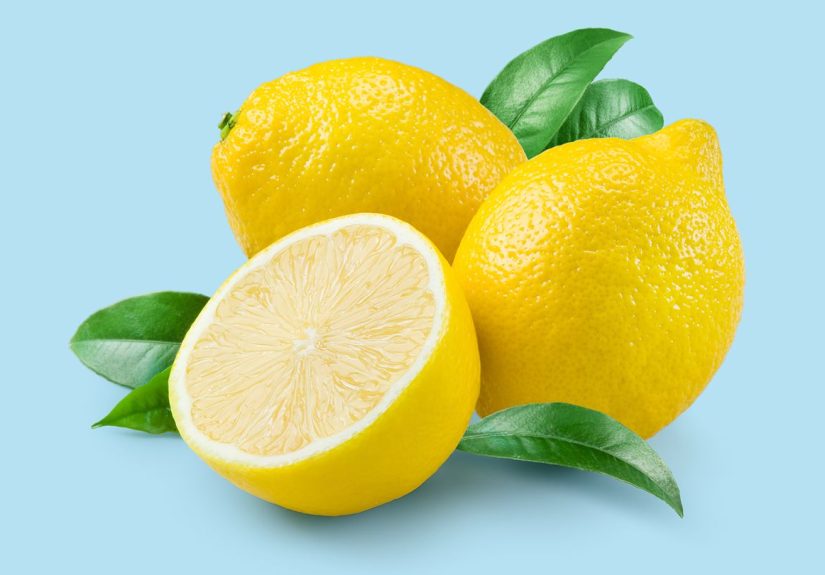
Citric acid is a weak organic acid that naturally occurs in many fruits and vegetables, especially citrus fruits. Lemons and limes are the drama queens of the citric acid world; they contain enough tartness to make your face briefly reconsider its life choices.
In foods and beverages, citric acid is widely used to create a bright sour flavor, balance sweetness, control pH, and help slow spoilage. It is one reason lemon-lime soda tastes crisp, fruit candy tastes “zingy,” and canned tomatoes may have a safer acidity level for preservation.
What Does Citric Acid Do?
Citric acid has several practical jobs:
- Flavor enhancer: It gives foods and drinks a clean, tart taste.
- Acidity regulator: It lowers pH, which can improve flavor and food stability.
- Preservative helper: By making foods more acidic, it can help create conditions less friendly to certain microbes.
- Color protector: It may help slow discoloration in some fruits, though it is not always the best anti-browning choice.
- Chelating agent: It can bind minerals, which is useful in some food, cleaning, and cosmetic formulas.
Citric acid is also common outside the kitchen. It appears in cleaning products because it helps dissolve mineral buildup, soap scum, and hard-water deposits. In skincare, it may be used as a pH adjuster or mild exfoliating acid in certain formulations. In short, citric acid is very busy. It probably needs a vacation.
What Is Ascorbic Acid?
Ascorbic acid is the chemical name for vitamin C. Unlike citric acid, ascorbic acid is not just about tartness. It is an essential nutrient, meaning your body needs it but cannot produce it. You have to get vitamin C from foods, beverages, or supplements.
Vitamin C plays a major role in collagen production, which matters for skin, blood vessels, cartilage, bones, gums, and wound healing. It also works as an antioxidant, helping protect cells from oxidative stress. Ascorbic acid helps the body absorb non-heme iron, the type of iron found in plant foods such as beans, lentils, spinach, and fortified cereals.
What Does Ascorbic Acid Do?
Ascorbic acid supports the body in several important ways:
- Helps form collagen: Collagen is a structural protein needed for skin, connective tissue, and healing.
- Supports immune function: Vitamin C helps immune cells work properly.
- Acts as an antioxidant: It helps protect cells from free radical damage.
- Improves iron absorption: It can increase absorption of plant-based iron.
- Prevents scurvy: Severe vitamin C deficiency can cause fatigue, gum problems, poor wound healing, and other symptoms.
In food manufacturing, ascorbic acid is often added as an antioxidant. That means it helps prevent oxidation, which can cause flavor changes, color changes, and nutrient loss. It is also used to keep cut fruit from turning brown. Your apple slices are not magically brave; sometimes they have vitamin C on their side.
The Biggest Difference: One Is a Vitamin, One Is Not
The most important difference between citric acid and ascorbic acid is nutritional. Ascorbic acid is vitamin C. Citric acid is not.
This matters because people sometimes assume that anything sour in citrus fruit must be vitamin C. Not true. A lemon tastes sour mostly because of citric acid, but its vitamin C content comes from ascorbic acid. The two can exist in the same fruit, but they are not interchangeable.
Think of citrus fruit as a tiny edible apartment building. Citric acid lives in the “sour flavor” unit. Ascorbic acid lives in the “essential nutrient” unit. They share an address, but they do not pay the same bills.
Chemical Difference Between Citric Acid and Ascorbic Acid
Chemically, citric acid and ascorbic acid are different compounds. Citric acid has the formula C6H8O7, while ascorbic acid has the formula C6H8O6. That one oxygen atom difference may look small, but in chemistry, small differences can create very different behaviors.
Citric acid is a tricarboxylic acid, meaning it has three carboxyl groups. These groups make it useful for lowering pH and binding minerals. Ascorbic acid has a different structure that allows it to donate electrons easily, which is why it works so well as an antioxidant.
In plain English: citric acid is excellent at making things acidic and tangy. Ascorbic acid is excellent at acting like vitamin C and protecting foods and cells from oxidation.
Food Sources: Where Do You Find Each One?
Foods High in Citric Acid
Citric acid is most strongly associated with citrus fruits, including:
- Lemons
- Limes
- Oranges
- Grapefruit
- Tangerines
It can also occur in smaller amounts in other fruits such as berries, pineapple, and tomatoes. Food-grade citric acid is also manufactured and added to packaged foods, drinks, candies, sauces, jams, and canned products.
Foods High in Ascorbic Acid
Ascorbic acid, or vitamin C, is found in many fruits and vegetables. Citrus fruits are good sources, but they are not the only stars. Some foods with notable vitamin C content include:
- Red and green bell peppers
- Kiwi
- Strawberries
- Oranges and grapefruit
- Broccoli
- Brussels sprouts
- Cantaloupe
- Potatoes
- Tomatoes
This is why “eat an orange” is not the only vitamin C advice. A crunchy bell pepper can walk into the room with just as much confidence.
How They Are Used on Food Labels
Citric acid and ascorbic acid often show up on ingredient lists, but they are usually there for different reasons.
Citric Acid on Labels
When you see citric acid on a label, it usually means the manufacturer is using it to control acidity, brighten flavor, preserve freshness, or prevent unwanted changes in texture or color. It is common in sodas, fruit drinks, sour candies, canned vegetables, jams, sauces, dressings, and frozen foods.
Ascorbic Acid on Labels
When you see ascorbic acid on a label, it may mean vitamin C has been added for nutrition, antioxidant protection, or color preservation. It appears in fortified beverages, cereals, fruit snacks, frozen fruits, cured meats, and packaged foods where oxidation is a concern.
Sometimes both acids appear in the same product. That does not mean the label is confused. It means each ingredient has a different job: citric acid may manage tartness and pH, while ascorbic acid may protect color, flavor, or nutrient value.
Citric Acid vs. Ascorbic Acid in Food Preservation
Food preservation is one of the easiest places to see the difference between citric acid and ascorbic acid. Both can help preserve food quality, but they do not work in exactly the same way.
Citric acid is often used to increase acidity. In canning and food processing, acidity matters because certain foods need a safe pH level. Citric acid can also help keep flavors bright and reduce browning in some situations.
Ascorbic acid is especially useful for preventing oxidation. If you cut an apple, pear, peach, or banana and leave it exposed to air, enzymes and oxygen can cause browning. Ascorbic acid helps slow that process. This is why home-preservation guides often recommend ascorbic acid or vitamin C solutions for light-colored fruits.
Citric acid and lemon juice may help with browning, but they are generally not as effective as ascorbic acid for that specific purpose. In the battle of apple slices versus brown spots, ascorbic acid usually has the better superhero cape.
Can You Substitute Citric Acid for Ascorbic Acid?
Sometimes, but not always. It depends on what you are trying to do.
For Flavor
If your goal is tartness, citric acid is usually the better choice. It gives foods a clean sour taste without adding liquid. Ascorbic acid can taste tart too, but it is not mainly used as a flavor acid.
For Vitamin C
No, citric acid cannot replace ascorbic acid nutritionally. Citric acid is not vitamin C. If a recipe, supplement, or nutrition plan calls for vitamin C, you need ascorbic acid or another vitamin C form, not citric acid.
For Preventing Fruit Browning
Ascorbic acid is usually the better option. Citric acid can help lower pH, but ascorbic acid directly fights oxidation more effectively. If you are prepping fruit for freezing, canning, or a lunchbox, ascorbic acid is often the more reliable anti-browning ingredient.
For Canning Safety
Do not casually swap acids in tested canning recipes. Canning is not the place for “close enough” kitchen jazz. Use the acid specified in a tested recipe from a reliable food-preservation source, whether that is bottled lemon juice, citric acid, vinegar, or another ingredient.
Health Benefits: Which One Is Better for You?
Ascorbic acid has clear nutritional benefits because it is vitamin C. Your body needs it every day, and a deficiency can lead to serious health problems. Getting enough vitamin C through fruits and vegetables supports overall health, especially connective tissue, immune function, and iron absorption.
Citric acid is not a vitamin, but that does not make it “bad.” Naturally occurring citric acid in fruits is part of a healthy eating pattern. Citrus fruits provide fluid, flavor, fiber, potassium, vitamin C, and beneficial plant compounds. The issue is not usually citric acid in whole foods; it is more often the frequent exposure to highly acidic drinks, sour candies, or acidic processed foods.
So which is healthier? That is the wrong question. Ascorbic acid is essential. Citric acid is useful. Whole fruits and vegetables can contain both, along with many other nutrients. The better question is: what role is each one playing in your food?
Side Effects and Safety Considerations
Citric Acid Concerns
Citric acid is commonly used in foods and is generally considered safe when used appropriately. However, highly acidic foods and drinks can contribute to tooth enamel erosion if consumed frequently, especially when sipped slowly throughout the day. Citrus juices, sodas, sour candies, and sports drinks can expose teeth to acid for long periods.
To be kinder to your teeth, enjoy acidic foods with meals, avoid constant sipping, rinse with water afterward, and wait before brushing if your mouth feels very acidic. Your enamel is tough, but it is not a superhero shield.
Ascorbic Acid Concerns
Vitamin C from food is unlikely to cause problems for most people. High-dose supplements are a different story. Too much supplemental vitamin C may cause diarrhea, nausea, cramps, heartburn, or headaches. Very high intakes may increase the risk of kidney stones in some people, especially those with a history of stones or kidney issues.
Most adults can meet vitamin C needs through a balanced diet. People considering high-dose vitamin C supplements should talk with a healthcare professional, especially if they have kidney disease, hemochromatosis, G6PD deficiency, or take medications that may interact with supplements.
Citric Acid and Ascorbic Acid in Skincare
Both acids can appear in skincare, but again, they serve different purposes.
Citric acid is an alpha hydroxy acid, or AHA, and may help adjust pH or provide mild exfoliating effects in some products. It can make skin more sensitive if used in strong formulas, so product concentration matters.
Ascorbic acid is a popular form of topical vitamin C. In skincare, it is often used for antioxidant support, brightening, and helping support collagen-related appearance. However, pure ascorbic acid can be unstable when exposed to air, light, or heat, which is why vitamin C serums often come in dark bottles and may have specific storage instructions.
If your skincare product says citric acid, think pH and exfoliation. If it says ascorbic acid, think vitamin C and antioxidant support.
Common Myths About Citric Acid and Ascorbic Acid
Myth 1: Citric Acid Is Vitamin C
Nope. Citric acid and vitamin C are different compounds. Citrus fruits often contain both, but citric acid is not ascorbic acid.
Myth 2: Sour Foods Always Have More Vitamin C
Not necessarily. Tartness often comes from acids like citric acid, malic acid, or tartaric acid. Vitamin C content depends on the food itself, freshness, storage, and processing. A sweet red bell pepper can be rich in vitamin C without tasting like a lemon battery.
Myth 3: Natural Vitamin C Is Always Better Than Synthetic Ascorbic Acid
Ascorbic acid is ascorbic acid. The body uses vitamin C from foods and supplements, though whole foods provide extra benefits such as fiber, water, minerals, and plant compounds. Food-first is usually the smarter everyday strategy, but synthetic ascorbic acid can still be useful when supplementation is needed.
Myth 4: Citric Acid Is Always Bad for Teeth
Citric acid is not automatically a dental villain. The problem is frequent acid exposure. An orange with lunch is different from sipping lemonade or sour soda all afternoon. Timing, frequency, and overall oral hygiene matter.
Practical Examples in Everyday Life
Example 1: Apple Slices in a Lunchbox
If you want apple slices to stay pale and fresh-looking, ascorbic acid is usually the better helper. A vitamin C solution or commercial fruit protector can slow browning. Lemon juice may help too, but it can change the flavor and may not work as well for longer storage.
Example 2: Homemade Lemonade
The bright sourness in lemonade mostly comes from citric acid in lemon juice. The vitamin C comes from ascorbic acid. Add sugar and water, and suddenly chemistry becomes a backyard beverage.
Example 3: Reading a Sports Drink Label
If the label lists citric acid, it may be there to sharpen flavor and control acidity. If it lists ascorbic acid, it may be there as vitamin C or an antioxidant. If it lists both, they are not duplicates; they are teammates.
Example 4: Buying Vitamin C Supplements
Look for ascorbic acid, sodium ascorbate, calcium ascorbate, or another vitamin C form. Do not buy citric acid powder thinking it is a vitamin C supplement. That would be like buying a steering wheel and expecting it to be a whole car.
Experience-Based Tips: What People Often Notice in Real Life
In everyday kitchens, the difference between citric acid and ascorbic acid becomes easier to understand once you actually use them. Citric acid powder is the ingredient people reach for when they want sharp sourness without adding liquid. If you have ever made homemade gummies, fruit syrups, sour candy, or a bright-tasting drink mix, citric acid gives that punchy “zing” that wakes up the flavor. A tiny amount can make berries taste brighter, lemonade taste more lemony, and jam taste less flat. Use too much, though, and your mouth may react like it just read a shocking email.
Ascorbic acid feels more practical than dramatic. It is the quiet helper in the background. When preparing sliced apples, peaches, pears, or bananas, people often notice that ascorbic acid helps fruit stay fresher-looking for longer. It does not usually add the same bold sour flavor as citric acid, especially when diluted properly. That makes it useful when you want fruit to look appetizing without making it taste like it joined a lemonade contest.
For home cooks, one of the most helpful lessons is that these acids are not “one-size-fits-all.” If a recipe needs tartness, citric acid is often the tool. If a recipe needs vitamin C or anti-browning power, ascorbic acid is usually the tool. If a tested canning recipe calls for citric acid, use citric acid. If it calls for bottled lemon juice, use bottled lemon juice. Food preservation depends on acidity and safety, not vibes.
Another real-world observation: citrus fruit can be confusing because it contains both. A lemon tastes intensely sour because of citric acid, but that does not mean it has more vitamin C than every other fruit or vegetable. Many people are surprised to learn that bell peppers, kiwi, strawberries, and broccoli can be excellent vitamin C sources. The “sour equals vitamin C” shortcut is convenient, but it is not reliable.
People also notice the dental side of the story. Citric acid in whole fruit is usually not a problem when eaten normally, especially with meals. But sour candies, acidic drinks, and powdered drink mixes can expose teeth to acid again and again. The issue is frequency. A glass of orange juice with breakfast is one thing; sipping an acidic drink from 9 a.m. to 5 p.m. is basically sending your enamel to a very boring acid bath.
With ascorbic acid supplements, the practical advice is moderation. Many people take vitamin C when they feel run down, but more is not always better. A balanced diet with fruits and vegetables is enough for many adults. High-dose supplements can upset the stomach, and some people need medical advice before taking large amounts. The best experience-based rule is simple: use citric acid for flavor and acidity, use ascorbic acid for vitamin C and oxidation control, and do not let similar names trick you into swapping them blindly.
Conclusion: The Clear Difference Between Citric Acid and Ascorbic Acid
Citric acid and ascorbic acid may share space in citrus fruits and food labels, but they are not the same ingredient. Citric acid is mainly about tart flavor, acidity, pH control, and preservation. Ascorbic acid is vitamin C, an essential nutrient and antioxidant that supports collagen production, immune function, wound healing, and iron absorption.
If you are reading a label, cooking, canning, choosing a supplement, or trying to keep fruit from browning, the difference matters. Citric acid brings the zing. Ascorbic acid brings the vitamin C. Both are useful, but they should not be treated as identical twins. They are more like two helpful kitchen guests: one adjusts the flavor, and the other protects the fruit salad from turning sad and brown.