Table of Contents >> Show >> Hide
- What Exactly Is Wheat?
- Wheat Nutrition Facts: What’s In It?
- Whole, Refined, and Enriched: Why Processing Matters
- Health Effects of Wheat: The Upside
- Health Effects of Wheat: The “It Depends” Side
- How to Choose Healthier Wheat Foods (Without Becoming the “Bread Police”)
- Who Should Limit or Avoid Wheat?
- Bottom Line: Is Wheat Healthy?
- Extra: Real-World Wheat Experiences (Because Nutrition Happens in Real Life)
- Conclusion
Wheat is basically the overachiever of the pantry. It shows up to work as bread, pasta, cereal, crackers, tortillas,
pancakes, cookies (yes, even the “I’m only having one” cookie), and occasionally as that mysterious “flour dust”
living in the corner of your baking drawer. But wheat isn’t just a blank canvas for butterit’s a real food with real
nutrients and real trade-offs, depending on how it’s processed and who’s eating it.
In this guide, we’ll break down what wheat is, what’s in it nutritionally, how whole wheat differs from refined wheat,
and what the science says about wheat’s health effectsfrom heart and gut benefits to gluten-related conditions that
make wheat a “hard pass” for some people.
What Exactly Is Wheat?
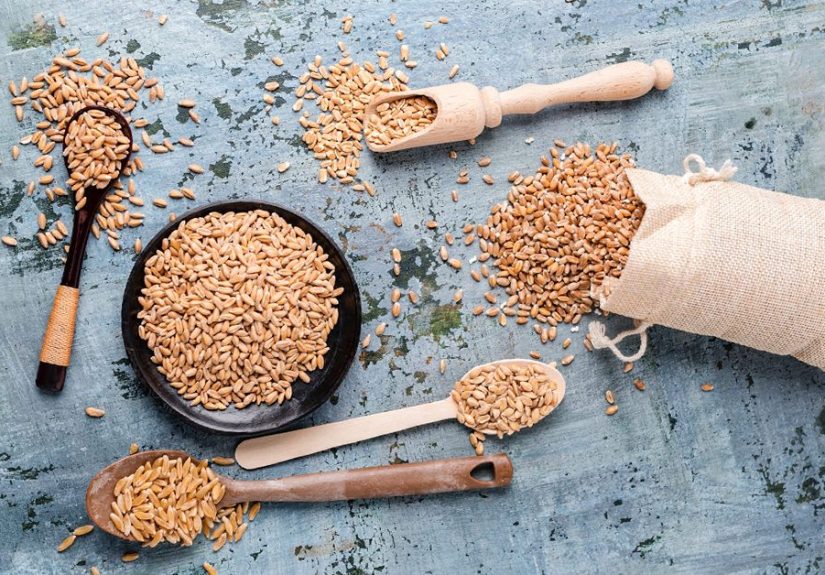
Wheat is a cereal grain (like rice, oats, and corn) grown for its edible seedsoften called “wheat kernels” or “wheat berries.”
Those kernels are milled into flour, which becomes the foundation for a huge chunk of the modern diet.
The Three Parts of a Wheat Kernel
Think of a wheat kernel like a tiny 3-layer burrito (without the salsa regrets):
- Bran: the outer layer, rich in fiber and many micronutrients.
- Germ: the embryo of the seed, containing healthy fats, vitamins, and antioxidants.
- Endosperm: the starchy center that provides most of the carbohydrate and some protein.
When wheat is eaten as a whole grain, you get all three parts. When it’s refined into white flour,
the bran and germ are removedtaking most of the fiber with them.
Common Wheat Types You’ll See in Food
- Common wheat (bread wheat): the most widely used for breads and baked goods.
- Durum: a harder wheat used for pasta and semolina.
- Spelt, farro, einkorn: “ancient” or older varieties, often used in specialty breads and grains.
Wheat Nutrition Facts: What’s In It?
Wheat is primarily a carbohydrate-rich food, but it also provides plant protein, vitamins, minerals, and (if it’s whole wheat)
a meaningful amount of dietary fiber. The catch is that the nutrition you get depends heavily on how much of the kernel
is still there after processing.
Whole Wheat vs. Refined Wheat: A Quick Nutrition Snapshot
The numbers below are typical ranges for 100 grams of flour (a “nutrition label” amount, not a normal serving you’d scoop into a bowl).
Exact values vary by product and brand.
| Nutrient (per 100g flour) | Whole Wheat Flour (Typical) | All-Purpose White Flour (Typical) |
|---|---|---|
| Calories | ~330–410 | ~350–370 |
| Carbohydrates | ~65–75g | ~70–78g |
| Protein | ~12–15g | ~9–12g |
| Fiber | ~9–13g | ~2–4g |
| Notable micronutrients | Magnesium, zinc, selenium, iron, B vitamins | Often enriched with iron + B vitamins (varies) |
Key Nutrients Wheat Can Provide
- Fiber: mostly in the bran; supports digestion, satiety, and cholesterol management.
- B vitamins: including thiamin (B1), niacin (B3), folate-related compounds, and moreimportant for energy metabolism.
- Minerals: like iron, magnesium, selenium, zinc, and phosphorus.
- Plant compounds: whole grains contain phytochemicals that may support metabolic and heart health.
Whole, Refined, and Enriched: Why Processing Matters
Wheat’s “health reputation” depends a lot on whether you’re talking about intact whole grains (or true whole wheat flour)
versus refined wheat products like many pastries, crackers, and white bread.
Whole Wheat: The “Keep the Parts” Option
Whole wheat keeps the bran and germ, which means more fiber and a broader spread of naturally occurring nutrients.
In practical terms, whole wheat foods often feel more filling, can have a gentler effect on blood sugar, and support gut health.
Refined Wheat: The “Texture Upgrade” (With a Fiber Trade-Off)
Refining wheat removes bran and germ, leaving mostly the starchy endosperm. That makes flour lighter, softer, and
excellent at producing fluffy cakes and pillowy dinner rolls. Unfortunately, it also removes much of the fiber and
some vitamins and minerals.
Enriched Flour: “We Put Some Stuff Back… But Not the Fiber”
In the U.S., many refined grain products are made with enriched flour, which adds back certain nutrients
after processingcommonly B vitamins and iron. Enrichment can help reduce nutrient gaps, but it doesn’t fully recreate
whole grain nutrition, especially when it comes to fiber.
Health Effects of Wheat: The Upside
Let’s be clear: wheat isn’t a magical wellness crystal that will align your chakras and fix your email inbox.
But whole wheat (and whole grains in general) consistently shows up in research and dietary guidance as a
“good for most people” staple.
1) Heart Health and Cholesterol Support
Whole wheat foods tend to be higher in dietary fiber. Fiber is linked with improved cholesterol profiles and a lower risk of heart disease.
The mechanism is part chemistry, part biology, part “your body loves plants”fiber helps move things through the digestive tract and can
influence how your body handles cholesterol.
Practical example: swapping a refined grain breakfast (like a sugary pastry) for a higher-fiber option (like shredded wheat cereal,
oats, or whole grain toast) can increase your daily fiber intake without making your kitchen smell like a health food store candle.
2) Blood Sugar and Type 2 Diabetes Risk
Whole grains are often associated with better blood sugar control than refined grains. The fiber and intact grain structure can slow
digestion and reduce the spike-and-crash effect you might notice after very refined, low-fiber carbs.
Practical example: choose “100% whole wheat” pasta sometimes (or a blend) and pair it with protein and fat (chicken, tofu, olive oil,
cheese, beans). You’re not “canceling carbs”you’re giving them adult supervision.
3) Gut Health, Regularity, and the Microbiome
Fiber feeds beneficial gut bacteria and supports regular bowel function. Whole wheat contains mostly insoluble fiber (helpful for
regularity), and depending on the food, it may also contain compounds that bacteria ferment into short-chain fatty acidsmolecules
that researchers associate with gut and metabolic benefits.
4) Weight Management and Fullness
If you’ve ever noticed you can eat three croissants and still wonder what’s for lunch, while a bowl of high-fiber cereal actually
sticks with you, congratulationsyou have personally met the satiety effect of fiber.
Fiber-rich foods take longer to chew and digest, and they can help you feel satisfied with fewer calories. That’s not a moral victory,
just basic physiology.
5) Nutrient Contribution (Especially in Enriched Grains)
While whole grains are the gold standard for fiber and broad nutrition, enriched refined grains can still play a public health role.
In the U.S., enriched flour standards and grain fortification policies have helped increase intake of certain nutrients such as folic acid.
This matters because folic acid intake around early pregnancy is associated with a lower risk of neural tube defects.
Health Effects of Wheat: The “It Depends” Side
Gluten: Not Evil, But Not for Everyone
Wheat contains proteins that form gluten when flour is mixed with water and worked. Gluten is what gives dough its stretch and structure
it’s basically the scaffolding that lets bread rise instead of collapsing into a sad pancake with commitment issues.
For most people, gluten is just… protein. For others, it’s a genuine medical problem. The key is knowing which category you’re in.
1) Celiac Disease (Autoimmune Condition)
Celiac disease is an immune-mediated condition triggered by gluten (found naturally in wheat, barley, and rye). In people with celiac disease,
eating gluten can damage the small intestine over time. Management requires a strict gluten-free diet under medical guidance.
2) Wheat Allergy (Allergic Reaction)
Wheat allergy is different from celiac disease. It’s an allergic response to wheat proteins and can involve symptoms like hives, swelling, digestive upset,
or respiratory symptoms. In rare cases, reactions can be severe. If someone suspects a wheat allergy, evaluation by an allergy specialist matters.
3) Non-Celiac Gluten Sensitivity (NCGS) and Wheat-Related Sensitivities
Some people report symptoms (often digestive) after eating wheat or gluten but do not have celiac disease or a wheat allergy. The science here is still evolving.
One twist: in certain people, the issue might be less about gluten and more about fructansa type of fermentable carbohydrate found in wheat.
Fructans, IBS, and Why Wheat Can Feel “Gassy” for Some People
Wheat contains fructans, which are part of the FODMAP family (fermentable carbs that can trigger symptoms in sensitive people, especially those with IBS).
That’s why some people feel better reducing wheateven if gluten itself isn’t the culprit.
Important note: low-FODMAP approaches are usually meant to be short-term and structured, ideally with a clinician or dietitian. The goal is not
“banish everything you love,” but identify personal triggers and broaden the diet again.
Phytates: “Anti-Nutrient” or Overhyped Villain?
Whole grains contain phytates (phytic acid), which can bind certain minerals and reduce absorption. In real life, this usually matters most when a diet is
limited or low in mineral-rich foods. Also, traditional processing methodslike soaking, sprouting, and sourdough fermentationcan reduce phytate levels.
Translation: you don’t need to fear whole wheat because it contains phytates. But if you’re trying to maximize mineral absorption (or you have specific needs),
food choices and preparation methods can matter.
How to Choose Healthier Wheat Foods (Without Becoming the “Bread Police”)
1) Look for “100% Whole Wheat” or “Whole Grain” as the First Ingredient
Many products labeled “wheat bread” are still mostly refined flour. If you want whole grain benefits, look for “whole wheat flour” or “whole grain” early in
the ingredient list, and check fiber grams on the Nutrition Facts label.
2) Balance Matters More Than Perfection
Refined wheat isn’t automatically “bad.” It’s the overall patterntoo many refined grains plus lots of added sugar and saturated fat can crowd out more
nutrient-dense foods. Aim for a baseline where at least half your grain choices are whole grains, then let your taste buds live a little.
3) Make Easy Upgrades You’ll Actually Keep
- Use whole wheat bread for sandwiches you eat daily; keep white bread for the occasional grilled cheese masterpiece.
- Mix whole wheat pasta with regular pasta during the transition (your mouth gets a vote).
- Try wheat berries in salads or soups for a chewy, satisfying texture.
- Experiment with sourdoughsome people find it gentler, and it’s delicious enough to make you forget you’re “being healthy.”
Who Should Limit or Avoid Wheat?
Most people can include wheatespecially whole wheatas part of a healthy diet. But you should be more cautious (and get professional guidance) if you:
- Have diagnosed celiac disease (gluten must be strictly avoided).
- Have a confirmed wheat allergy (wheat must be avoided; read labels carefully).
- Have IBS or suspect FODMAP sensitivity (wheat fructans may be a trigger).
- Have ongoing unexplained symptoms after wheat (get evaluated before self-diagnosingthere are many look-alike causes).
Bottom Line: Is Wheat Healthy?
Wheat can absolutely be part of a healthy diet. The biggest health wins tend to come from choosing whole wheat and other whole grains
more often than refined grains, while keeping your overall diet rich in fruits, vegetables, legumes, nuts, and quality proteins.
And if wheat doesn’t agree with you? That’s not a character flaw. It’s just a clue to investigate what’s actually triggering symptomsgluten, wheat allergy,
fructans, or something else entirely.
Extra: Real-World Wheat Experiences (Because Nutrition Happens in Real Life)
The funny thing about wheat is that most of us don’t eat it like a nutrition textbook. We eat it like normal humans: in the car, between meetings,
while scrolling, or during that mysterious 9:47 p.m. “snack investigation” that starts with crackers and ends with “who opened the cookies?”
So when I started paying attention to wheat in my own routine, the biggest lesson wasn’t a lab value or a headlineit was that context matters.
My first experiment was the simplest: I swapped one daily refined-grain habit for a whole-grain version. Not a total makeover, not a wheat
intervention staged by my pantryjust one change. In practice, that looked like choosing 100% whole wheat toast at breakfast instead of a
low-fiber white option, and occasionally grabbing shredded wheat cereal when I wanted something fast. The difference wasn’t dramatic like
“I achieved enlightenment by Tuesday,” but I did notice I stayed full longer. It wasn’t magicit was fiber doing fiber things.
The second lesson was label reality. “Wheat bread” sounds wholesome, like it should come with a free farmers market tote bag. But I learned
quickly that “wheat” can still mean “refined flour wearing a brown costume.” The ingredient list was the real truth-teller: if the first ingredient
wasn’t whole wheat flour, I treated it like a fun food, not my daily default. That small habitreading the first ingredientended up being more
useful than trying to memorize every nutrition claim on the front of the package.
Then there was digestionbecause wheat is where some people’s story gets complicated. I have friends who feel totally fine with wheat, friends
who don’t, and friends who can handle wheat sometimes but not always (the “it depends” club). Watching that play out taught me not to jump
straight to blaming gluten for everything. One friend thought gluten was the problem, but a structured approach suggested fructans (a FODMAP
carbohydrate in wheat) were more likely. Another did better with sourdough than standard breadpossibly because fermentation changes certain
components that can be hard to digest for some people. The big takeaway: if wheat makes you feel awful, it’s worth getting real answers instead
of running an endless loop of random eliminations.
I also learned that perfection is the fastest way to quit. If I tried to go “all whole grains, all the time,” I’d last about as long as a snowman in July.
What actually worked was a flexible baseline: whole grains most of the time, refined grains when they made sense (or when a warm baguette
entered the chat). That approach was sustainable, and sustainability is the unsexy secret behind almost every healthy eating pattern.
Finally, I started thinking of wheat as a tool, not a label. Whole wheat bread was a tool for fiber. Pasta was a tool for convenience and comfort.
Flour was a tool for cooking. Once I stopped treating wheat as “good” or “bad,” the decisions got easier: choose whole forms for daily use,
enjoy refined forms intentionally, and listen to your bodyespecially if symptoms show up. Wheat isn’t a personality test. It’s just a grain.
A very popular grain. With excellent PR.
Conclusion
Wheat is a nutrient-rich staple when you choose it in its less-processed forms, especially whole wheat and other whole grains. The strongest benefits
show up around fiber-related outcomesheart health support, steadier energy, better digestion, and improved satiety. Refined wheat products can still
fit into a balanced diet, particularly when enriched, but they generally don’t offer the same fiber payoff. And for people with celiac disease, wheat
allergy, or certain digestive sensitivities, wheat may need to be limited or avoided with proper medical guidance.