Table of Contents >> Show >> Hide
- Chin Hair 101: What’s Actually Going On?
- Why Women Get Chin Hair: The Most Common Reasons
- 1) Normal aging (yes, really)
- 2) Genetics and family traits
- 3) Polycystic ovary syndrome (PCOS)
- 4) “Idiopathic” hirsutism (a fancy way of saying: we don’t always know)
- 5) Other hormone-related conditions (less common, but real)
- 6) Medications and supplements
- 7) Rare but important: androgen-secreting tumors
- When Chin Hair Is a “Let’s Get This Checked” Situation
- How Clinicians Evaluate Excess Chin Hair
- Treatment Options: From “Right Now” to “Long Game”
- Choosing the Right Plan: A Practical “Chin Hair Toolkit”
- Skin Care Tips to Avoid “I Removed the Hair and Now I Have a New Problem”
- The Emotional Side: Because a Chin Hair Can Feel Weirdly Personal
- Bottom Line
- Real-World Experiences: What This Can Look Like in Everyday Life (Plus Tips That Actually Help)
One day you’re minding your business, living your life, being a functional adult… and then the bathroom mirror hits you with
a plot twist: a single chin hair that looks like it pays rent. You pluck it, feel victorious, and move on. Until it comes
back like a sequel nobody asked for.
If this sounds familiar, you’re in very crowded company. Chin hair in women is extremely common, and most of the time it’s
more of a “cosmetic annoyance” than a “medical emergency.” Still, there are situations where new or worsening facial hair can
be a clue that your hormones are throwing a party without your permission.
Let’s break down why women get chin hair, what’s normal, what’s worth checking out, and the smartest treatment optionsfrom
“quick fixes” to long-term solutionsso you can choose what fits your skin, budget, and patience level.
Chin Hair 101: What’s Actually Going On?
Hair types: peach fuzz vs. “wire brush energy”
Your face has two main kinds of hair:
vellus hair (fine, light “peach fuzz”) and terminal hair (coarser, darker, thicker hairs).
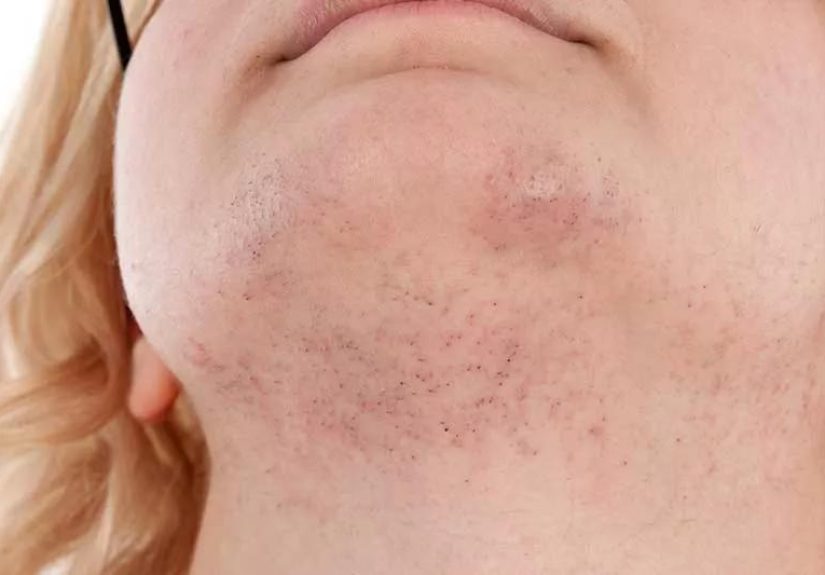
A lot of “random chin hairs” are terminal hairs that pop up in small numberssometimes just one stubborn strand at a time.
Why the chin?
The chin and upper lip are androgen-sensitive areas. Androgens are hormones often labeled “male hormones” (like
testosterone), but women make them too. When androgen levels riseor when hair follicles become more sensitive to normal
androgen levelssome facial follicles can shift into “terminal hair mode.”
Chin hair vs. hirsutism
A few chin hairs can be totally normal. When hair growth becomes more noticeable in a “male-pattern” distribution (chin,
upper lip, chest, lower abdomen, back), clinicians may call it hirsutism. Hirsutism is often linked to
hormones, especially androgen excess, but it can also happen even when hormone labs look “normal.”
Why Women Get Chin Hair: The Most Common Reasons
1) Normal aging (yes, really)
Many women notice more chin hair with age. Part of this is hormonal shifting over timeespecially around perimenopause and
menopausewhere estrogen and progesterone decline and androgens may become more “dominant” by comparison. The result can be a
double-whammy: thinner hair on the scalp and more visible hair on the face. Rude, but common.
2) Genetics and family traits
Sometimes the explanation is simple: your follicles are just enthusiastic, and your family tree is full of people who also
keep tweezers within arm’s reach. Hair growth patterns can run in families, and your individual follicle sensitivity matters
as much as your hormone levels.
3) Polycystic ovary syndrome (PCOS)
PCOS is one of the most common medical causes of increased facial hair in women of reproductive age. It’s typically associated
with higher androgen levels and can also show up with irregular periods, acne, scalp hair thinning, weight changes, or
difficulties with ovulation.
Important note: you can have chin hair without PCOS, and you can have PCOS without dramatic chin hair. Bodies love variety.
4) “Idiopathic” hirsutism (a fancy way of saying: we don’t always know)
Some women have noticeable facial hair growth with regular menstrual cycles and normal hormone testing. This is often called
idiopathic hirsutism and may come down to follicle sensitivity, genetics, and subtle hormone dynamics that
aren’t captured in standard lab snapshots.
5) Other hormone-related conditions (less common, but real)
Chin hair can also be linked to other endocrine issues, such as:
- Nonclassic congenital adrenal hyperplasia (NCCAH) (an adrenal enzyme issue that can raise androgens)
- Cushing syndrome (excess cortisol)
- Thyroid disorders (can affect cycles and overall hormone balance)
- Elevated prolactin (can disrupt cycles and ovulation)
6) Medications and supplements
Certain medications can contribute to increased hair growth in some people. Examples can include anabolic steroids, some
hormone therapies, and certain drugs that influence hormone pathways. If your chin hair surge started after a new medication
or supplement, that timeline matterstell your clinician.
7) Rare but important: androgen-secreting tumors
This is not the most likely explanation, but it’s the reason clinicians pay attention to how fast symptoms appear.
Rapid-onset hirsutism or signs of virilization can signal an androgen-secreting ovarian or adrenal tumor.
When Chin Hair Is a “Let’s Get This Checked” Situation
Make an appointment (primary care, OB-GYN, endocrinology, or dermatology) if you notice:
- Sudden, fast worsening of facial/body hair over months (not years)
- Irregular periods, missed periods, or new fertility concerns
- Signs of higher androgens: severe acne, scalp hair thinning, deepening voice, increased muscle mass, enlarged clitoris
- New symptoms like unexplained weight changes, purple stretch marks, or significant fatigue
- Hair growth plus distress (mental health counts as health)
How Clinicians Evaluate Excess Chin Hair
A good evaluation usually includes:
History + pattern check
You’ll likely be asked when it started, how quickly it progressed, what areas are affected, and whether your cycles changed.
They may also ask about pregnancy plans, because that affects which treatments are safe.
Physical exam
Clinicians may note distribution of hair, acne, scalp hair thinning, body mass index, and other signs of hormone imbalance.
Sometimes hirsutism is scored using a standardized visual system to track severity over time.
Lab testing (when appropriate)
Not everyone needs labs, but testing is more likely if hair growth is moderate to severe, quickly worsening, or paired with
menstrual issues. Labs may include total testosterone, DHEA-S (an adrenal androgen marker), and other tests depending on your
symptoms (for example, thyroid tests or prolactin). If PCOS is suspected, evaluation may include metabolic screening as well.
Imaging (only for specific scenarios)
Ultrasound or other imaging might be considered if hormone levels are very elevated or if there are red flags for a tumor.
Most women with a few chin hairs will never need imaging.
Treatment Options: From “Right Now” to “Long Game”
Treatment depends on two things:
(1) whether there’s an underlying cause to treat, and (2) how you feel about the hair.
If it doesn’t bother you, you don’t owe anyone a “fix.” If it does bother you, you’ve got options.
Option A: At-home hair removal (fast, affordable, not permanent)
Shaving
Shaving is quick and safe for many people. It does not make hair grow back thickerwhat you’re noticing is the blunt
tip after shaving, which can feel stubbly. Use a clean razor, shave with a gentle product, and moisturize after.
Tweezing
Great for a few “rogue hairs,” but less ideal for larger areas. Over-plucking can irritate skin or trigger ingrown hairs,
especially if you’re prone to bumps.
Waxing or threading
These remove hair from the root, so results last longer than shaving. Downsides: irritation, redness, and the occasional
breakout. If you use prescription retinoids or have very sensitive skin, talk to a dermatologist about safest timing.
Depilatory creams
These dissolve hair at the skin surface. Patch test firstfacial skin can react dramatically, and “dramatically” is not a vibe
you want on your chin.
Option B: Professional reduction (longer lasting, higher cost)
Laser hair removal / photoepilation
Laser hair removal targets pigment in the hair follicle, heating it to reduce growth. It works best when there’s contrast
between hair color and skin tone, though modern lasers can be used more safely across a wider range of skin tones when done by
trained professionals.
- Expect multiple sessions because hair grows in cycles; lasers mainly affect hairs in the active growth phase.
- Maintenance may be needed, especially if hormones keep stimulating new follicles.
- Prep matters: avoid tanning, follow your clinic’s instructions, and don’t wax/tweeze right before sessions (you need the follicle target).
If you want “less hair for a long time” and your hair is dark enough to target, laser can be a strong choice.
Electrolysis
Electrolysis uses a tiny probe and electrical current to destroy individual follicles. It can treat all hair colors (including
blonde/gray) and all skin tones, which is a big advantage over lasers for lighter hair.
- Pros: can be permanent, works regardless of hair pigment
- Cons: time-consuming (hair-by-hair), can be pricey over many sessions, mild discomfort
Option C: Prescription topical treatment (slows growth, doesn’t “remove”)
Topical eflornithine can slow facial hair growth by inhibiting an enzyme involved in hair production. It
doesn’t remove existing hairs, so it’s usually paired with another removal method. Results can take weeks, and continued use
is typically needed to maintain benefits.
Reality check: availability has fluctuated in recent years, and branded products have been discontinued in the U.S. in many
listings. A dermatologist can tell you what (if anything) is currently accessible and what alternatives make sense.
Option D: Hormone-focused treatment (best when hormones are a major driver)
If your chin hair is part of hirsutism related to androgen activity, medical therapy can reduce new growth over time. These
treatments aren’t instantthink months, not daysbecause hair follicles are slow learners.
Combined oral contraceptives (COCs)
For many women who don’t want to become pregnant, combination birth control pills are a common first-line treatment. They can
reduce ovarian androgen production and increase hormone-binding proteins that lower free (active) androgens.
Anti-androgens (like spironolactone)
Anti-androgens can block androgen effects at the follicle level. They’re often added if results from COCs aren’t enough after
several months. These medications are not used during pregnancy because of potential risks to a developing fetus, so reliable
contraception matters if you’re sexually active with pregnancy potential.
PCOS-specific management
If PCOS is part of the picture, treatment may also include lifestyle changes that improve insulin resistance, and sometimes
medications like metformin (depending on your overall health goals). The best plan is individualized: what you do for cycle
regularity, metabolic health, acne, and hair concerns can be coordinated rather than treated like separate random fires.
Choosing the Right Plan: A Practical “Chin Hair Toolkit”
Here’s a simple way to decide without spiraling:
- If it’s just a few hairs and you’re unbothered: tweeze, shave, or ignore. You’re fine.
- If it’s a few hairs and you’re annoyed: try shaving or threading; add skincare to prevent irritation and ingrowns.
- If it’s persistent and you want long-term reduction: consider laser (dark hair) or electrolysis (any hair color).
- If it’s increasing plus you have irregular periods/acne/scalp thinning: get evaluated for PCOS or other endocrine causes.
- If it’s rapid-onset or you see virilization signs: seek medical care promptly.
Skin Care Tips to Avoid “I Removed the Hair and Now I Have a New Problem”
Prevent bumps and ingrowns
- Use a gentle cleanser before hair removal.
- Don’t dig for ingrowns (your future self will not thank you).
- Moisturize after removal; consider fragrance-free products if you’re sensitive.
- Use sunscreenespecially if you’re doing laser or if your skin gets irritated easily.
When irritation keeps happening
If every method ends with redness, bumps, or breakouts, a dermatologist can help you troubleshoot (for example, adjusting
technique, timing, or recommending a different method entirely).
The Emotional Side: Because a Chin Hair Can Feel Weirdly Personal
Unwanted facial hair can mess with confidence even when it’s medically harmless. And it can be extra frustrating because it’s
so… public-facing. If it’s affecting your mood, social life, or self-image, that matters. Treating chin hair is not “vain.”
It’s quality-of-life care.
Also: you are not obligated to wage war on every follicle. You can remove it, reduce it, or let it live its best life. The
correct choice is the one that makes you feel comfortable.
Bottom Line
Women get chin hair for lots of reasonsaging, genetics, normal hormone shifts, and sometimes medical conditions like PCOS.
Most of the time, it’s not dangerous. But if hair growth is new, rapidly worsening, or paired with cycle changes or other
symptoms, it’s worth getting evaluated.
The best treatment is the one that matches your goals:
quick removal (shaving/tweezing), longer-lasting reduction (laser/electrolysis), or hormone-focused therapy when appropriate.
And yes, it’s completely valid to build a tiny “chin hair plan” and move on with your life like the icon you are.
Real-World Experiences: What This Can Look Like in Everyday Life (Plus Tips That Actually Help)
If you’ve ever joked that your chin hair has a calendar reminder (“See you again in 10 days!”), you’re not alone. A common
experience is the “single spotlight hair” that appears under certain lightingusually the kind found in a car visor mirror or
a hotel bathroom with aggressively honest bulbs. Many women describe it as less about the amount of hair and more about the
surprise factor: it feels like your face is freelancing without telling you.
One pattern people often report is that chin hairs become more noticeable during hormone transitions. For example, some women
say they first started spotting coarse hairs in their late 30s or early 40saround the time cycles became a little less
predictable. Others notice it after stopping hormonal birth control, when their natural cycle reasserts itself and their skin
and hair do a brief “reintroduction tour.” And for many, menopause is the moment when the chin decides to audition for a
cameo role. It’s not always a dramatic changesometimes it’s just two or three hairs that refuse to be polite.
Another very real experience: the emotional math. A single hair can trigger a surprisingly big reaction, especially if you’re
already dealing with acne, weight changes, or scalp hair thinning. Some women describe a spiral of “What is my body doing?”
that ends with a late-night internet search, 47 open tabs, and a sudden interest in endocrinology. If that’s you, here’s the
comfort: chin hair alone is usually not a sign that something is seriously wrong. But your intuition about changes in your
body is worth respectingespecially if you’re noticing other symptoms.
On the practical side, women who feel most in control tend to land on a systemnot a constant battle. For a few coarse hairs,
that system might be: keep a good pair of tweezers, pluck after a warm shower (when skin is softer), and apply a calming
moisturizer after. For those who get irritation, switching from tweezing to shaving with a gentle facial razor can be a game
changerless trauma to the follicle, fewer bumps, and quicker upkeep. Many people also swear by “don’t chase perfection under
magnification.” Translation: step away from the 10x mirror unless you want to discover pores you never needed to meet.
Women who choose laser or electrolysis often describe a different kind of relief: not “I never have to think about hair
again,” but “I’m not managing it constantly.” Laser can feel like a commitment (appointments, cost, sunscreen discipline),
yet many appreciate the longer stretches of smooth skin and fewer ingrowns. Electrolysis, while slower, is often praised by
women with blonde, gray, or red hairs who felt laser didn’t have the right target. A common tip from those who’ve done
professional treatments: pick a qualified provider, follow pre- and post-care instructions, and be patienthair grows in
cycles, and results show up in phases, not overnight.
Finally, there’s the “permission slip” experience. Many women reach a point where they decide: I’ll treat this because I want
to, not because I’m supposed to. That mindset shift can be as valuable as any device or prescription. Whether your approach is
tweezers in the drawer, laser on the calendar, or simply shrugging and moving on, the goal is the same: feeling comfortable
in your own skinchin hairs and all.