Table of Contents >> Show >> Hide
- What Makes Nuts So Good for You?
- 1. Nuts Support Heart Health
- 2. Nuts Help You Stay Full Between Meals
- 3. Nuts Can Fit Into a Healthy Weight Management Plan
- 4. Nuts Add Valuable Plant Protein
- 5. Nuts Provide Fiber for Digestion and Fullness
- 6. Different Nuts Bring Different Benefits
- 7. Nuts Make Healthy Eating Easier, Not Harder
- What to Watch Out For
- Real-Life Experiences: What Happens When People Start Eating Nuts Regularly
- Final Thoughts
- SEO Tags
If nuts had a publicist, that person would be insufferable. And honestly? Fair enough. Nuts have quietly earned their spot as one of the most useful foods you can keep in your kitchen. They are crunchy, portable, filling, and surprisingly hardworking for something that mostly just hangs out in a bag near the pantry and waits to be tossed into oatmeal.
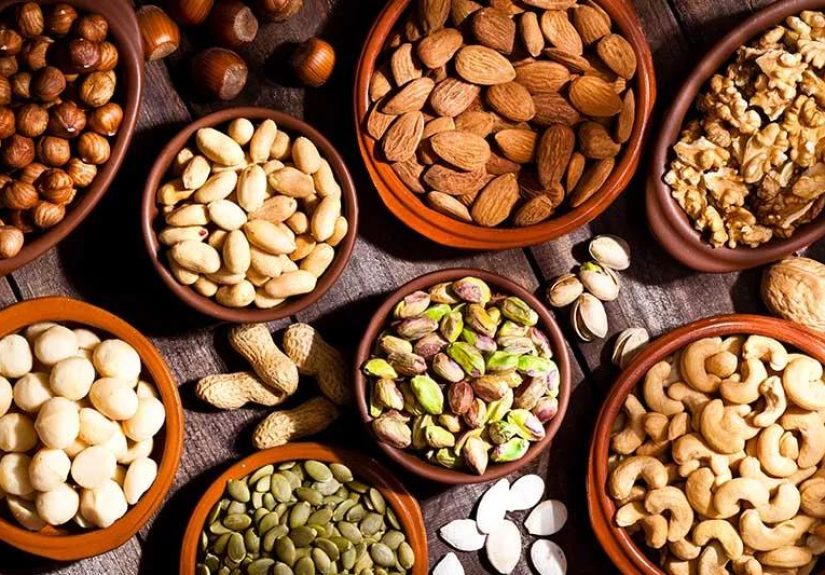
From almonds and walnuts to pistachios, pecans, cashews, peanuts, and Brazil nuts, these tiny nutritional overachievers bring a lot to the table. They add texture to meals, help make snacks more satisfying, and fit into everything from breakfast bowls to salads and stir-fries. More importantly, they offer a smart mix of healthy fats, plant protein, fiber, and important micronutrients that support overall health.
That does not mean you should treat a can of honey-roasted nuts like a health halo with a lid. Portion size still matters, and not every nut product is created equal. But when eaten in sensible amounts and used to replace less nutritious snacks, nuts can be one of the easiest upgrades you make to your diet.
Here is why adding nuts to your routine is such a smart move, which types offer standout perks, and how to eat them without turning a healthy habit into an accidental calorie ambush.
What Makes Nuts So Good for You?
Nuts are nutrient-dense foods, which is nutrition-speak for “they pack a lot of good stuff into a pretty small package.” A modest serving can provide healthy unsaturated fats, plant protein, dietary fiber, and a range of vitamins and minerals such as vitamin E, magnesium, copper, manganese, selenium, and folate. In plain English, nuts bring more to the party than just crunch.
One reason nuts are so valuable is that they deliver multiple nutrients at once. Protein can help make a snack feel more satisfying. Fiber supports digestion and can help you stay fuller for longer. Healthy fats add flavor and satiety, which is a fancy but useful way of saying they help you feel like you actually ate something, not just politely waved at lunch.
Nuts also contain plant compounds with antioxidant and anti-inflammatory properties. That matters because a healthy diet is not just about hitting numbers on a nutrition label. It is also about the overall pattern of eating foods that support your body over time.
1. Nuts Support Heart Health
If there is one reason nuts get invited to every healthy-eating conversation, it is heart health. Nuts are rich in unsaturated fats, especially monounsaturated and polyunsaturated fats. These fats are considered more heart-friendly than saturated fats commonly found in heavily processed snacks, fatty cuts of meat, and many baked goods.
When nuts replace foods higher in saturated fat, the payoff can be meaningful. Research and clinical guidance have linked regular nut intake with improved cholesterol patterns and better cardiovascular health overall. This does not mean a handful of almonds gives you superhero arteries by Tuesday, but it does mean nuts fit extremely well into an eating pattern designed to support the heart.
Walnuts deserve a brief standing ovation here. They are especially known for their omega-3 fat content, which makes them a favorite in conversations about heart-smart eating. Pecans, pistachios, almonds, and hazelnuts also contribute valuable fats and antioxidants.
Why replacement matters
The most important detail is not merely adding nuts to whatever you already eat. The real advantage comes when nuts replace less nutritious choices. Swapping chips, pastries, or processed snack mixes for a small handful of unsalted nuts is a very different story from eating both in the same afternoon while calling it balance.
2. Nuts Help You Stay Full Between Meals
There is a reason a snack with nuts feels more substantial than a random handful of crackers. Nuts combine protein, fat, and fiber in a way that helps slow digestion and promote fullness. That can be especially useful if your afternoons tend to fall apart around 3 p.m. and a vending machine starts looking like a spiritual calling.
A satisfying snack can support steadier energy and reduce the urge to graze on ultra-processed foods. Nuts are not magic, but they are practical. They travel well, require no prep, and pair easily with fruit, yogurt, oatmeal, or whole-grain toast. In other words, they are one of the rare healthy foods that are both nutritionally solid and not annoying to use.
3. Nuts Can Fit Into a Healthy Weight Management Plan
People often avoid nuts because they are calorie-dense. That concern is understandable, but it misses the bigger picture. A food can be high in calories and still be an excellent choice, especially when it is filling and nutrient-rich.
The issue is portion size and context. Eating nuts mindfully as part of meals or as a measured snack is very different from absentmindedly digging through a jumbo container while watching TV and wondering where the bottom went. When nuts replace less satisfying snack foods, they may actually help support better eating habits because they keep hunger in check.
In other words, nuts are not the villain. The “I will just have a few” followed by 47 cashews might be the villain.
Smart portion guidance
A practical serving is about 1 ounce, which is roughly a small handful. Depending on the type, that may look like about 23 almonds, 18 cashews, 14 walnut halves, or 12 hazelnuts. Peanut butter also counts, but the most nutritious versions are those with minimal ingredients and no added sugar or hydrogenated oils.
4. Nuts Add Valuable Plant Protein
Nuts are not usually the biggest protein source on your plate, but they are a useful one. They can help round out meals and snacks, especially for people who want to eat more plant-based foods without feeling like they have been sentenced to plain lettuce and motivational quotes.
Peanuts and almonds are especially notable for protein. Pistachios also contribute a solid amount. While nuts should not be your only protein source, they can complement beans, lentils, dairy, eggs, soy, fish, or lean meats in a balanced diet.
This matters because a varied protein routine is one of the easiest ways to make meals more nutritious. Using nuts in place of some processed meats or refined snack foods can improve the quality of your diet without making your food boring.
5. Nuts Provide Fiber for Digestion and Fullness
Many people do not get enough fiber, and nuts can help close that gap. Fiber supports digestive health, helps promote regularity, and contributes to feeling full after meals. That is one reason nuts work so well in snacks and breakfasts. They help make food stick with you a little longer.
Almonds, pistachios, and peanuts are often good picks if you are looking for a fiber boost. Pairing nuts with fruit can be especially helpful because you get fiber from both, along with a satisfying mix of crunch and natural sweetness.
6. Different Nuts Bring Different Benefits
All nuts are not identical, and that is actually good news. Variety gives you a broader range of nutrients and flavors.
Almonds
Almonds are known for vitamin E, magnesium, fiber, and a satisfying crunch. They work well in oatmeal, yogurt, grain bowls, and trail mix.
Walnuts
Walnuts stand out for omega-3 fats and have an earthy flavor that works beautifully in salads, baked oatmeal, and roasted vegetables.
Pistachios
Pistachios offer protein, fiber, and antioxidants. They also come with shells, which can slow you down a little. Sometimes the shell pile is the accountability buddy you did not know you needed.
Cashews
Cashews provide minerals like copper and magnesium, and they blend well into savory sauces, soups, and dairy-free creamy dishes.
Pecans
Pecans are rich and buttery with antioxidants and manganese. They are excellent in oatmeal, salads, and roasted side dishes.
Brazil nuts
Brazil nuts are famously high in selenium. Because selenium needs are relatively small, you do not need many. A few can go a long way, which makes Brazil nuts the overachievers of the bunch.
Peanuts
Technically, peanuts are legumes, not tree nuts, but nutritionally they often show up in the same conversation. They are protein-rich, affordable, and practical, especially in peanut butter, stir-fries, sauces, and snack mixes.
7. Nuts Make Healthy Eating Easier, Not Harder
One of the most underrated reasons to eat nuts is that they are convenient. Healthy eating tends to work best when it is realistic. Nuts do not require cooking, refrigeration, or a complicated backstory. They can live in your desk drawer, bag, or car snack stash and be ready when hunger shows up uninvited.
That convenience matters. A nutritious food that you actually eat beats an aspirational recipe involving seventeen ingredients and a level of optimism you do not currently possess.
Easy ways to add nuts to your diet
- Stir chopped walnuts or almonds into oatmeal.
- Add pistachios or pecans to salads for crunch.
- Spread natural peanut or almond butter on whole-grain toast.
- Pair a small handful of nuts with an apple or banana for a balanced snack.
- Use crushed nuts instead of croutons or bacon bits on soups and salads.
- Blend cashews into sauces for creaminess.
- Make your own trail mix with unsalted nuts, seeds, and a modest amount of dried fruit.
What to Watch Out For
Nuts are healthy, but they are not a free-for-all. A few practical cautions matter.
Portion size
Nuts are calorie-dense, so serving size matters. A small handful is helpful. A party-sized scoop straight from the container is less helpful.
Added salt, sugar, and oils
Choose unsalted or lightly salted nuts when possible, especially if you are watching sodium. Be careful with candied nuts, heavily sweetened nut butters, and varieties fried in less desirable oils. Those products can turn a strong nutrition choice into more of a dessert-with-good-PR situation.
Allergies
Nut allergies can be serious and, for many people, lifelong. If you have a peanut or tree-nut allergy, or suspect one, avoid self-experimentation and follow medical guidance. Also remember that peanuts are legumes, while tree nuts such as walnuts, almonds, cashews, pistachios, and pecans are a separate category.
Special medical needs
Some people with certain medical conditions may need to watch minerals like potassium or phosphorus, depending on their healthcare team’s advice. So while nuts are generally healthful, individual guidance still matters.
Real-Life Experiences: What Happens When People Start Eating Nuts Regularly
When people begin adding nuts to their diet regularly, the first thing they often notice is not some dramatic cinematic transformation with glowing skin and wind machines. It is something simpler and more valuable: meals and snacks become more satisfying. A breakfast that used to leave them hungry an hour later suddenly holds up better when almonds or walnuts are added. Afternoon snack attacks feel less chaotic when a small handful of pistachios replaces a bag of chips.
Many people also discover that nuts make healthy eating feel less restrictive. That matters more than it gets credit for. Diet changes often fail because they feel like punishment. Nuts help solve that problem because they add richness, flavor, and texture. A salad with pecans feels more complete. Yogurt with chopped almonds feels like an actual snack instead of a placeholder. Even plain oatmeal gets a personality upgrade.
Another common experience is improved convenience. Once people start keeping nuts in easy-to-reach places, such as a work bag, desk drawer, pantry jar, or car console, they often rely less on impulse snacks from vending machines or convenience stores. This is one of those tiny habit shifts that can quietly improve diet quality over time. When a better option is within reach, it becomes much easier to make a better decision.
Some people are pleasantly surprised that nuts do not automatically derail healthy eating goals. In fact, when used intentionally, nuts can make it easier to stay on track because they are so filling. A measured portion tends to feel more substantial than many refined snack foods with similar calories. This does not make nuts calorie-free, of course, but it does make them more useful. People often report that they feel more content with less mindless snacking when nuts are part of the routine.
There is also the flavor factor. Different nuts create different eating experiences, which keeps healthy eating from becoming boring. Walnuts bring earthiness, cashews add creaminess, pistachios offer color and crunch, and peanuts bring affordability and comfort. Rotating among them can make meals feel more varied without much extra effort. That variety also increases the range of nutrients in the diet.
Of course, regular nut eaters also learn a few practical lessons. One is that portioning matters. Buying a giant container and planning to “just eyeball it” is a bold strategy that rarely ends with precision. Pre-portioning nuts into small containers or snack bags works much better. Another lesson is that simple versions are usually best. Unsalted, dry-roasted, or minimally processed nuts tend to fit more easily into a nutritious routine than heavily flavored versions coated in sugar, salt, or mystery dust.
Overall, the experience of eating nuts regularly is often less about one single health miracle and more about a pattern of small wins. Better snack choices. More satisfying meals. Easier plant-based eating. Less dependence on processed convenience foods. That is usually how good nutrition works in real life. Not with fireworks, but with smart, repeatable choices that make your day go a little better, one handful at a time.
Final Thoughts
If you are looking for a simple, realistic way to upgrade your diet, nuts deserve serious consideration. They are rich in healthy fats, fiber, plant protein, vitamins, minerals, and beneficial plant compounds. They support heart-smart eating, help make snacks more satisfying, and can fit beautifully into a balanced eating pattern.
The key is to use them wisely. Choose mostly unsalted and minimally processed options. Keep portions sensible. Think of nuts as a replacement for less nutritious foods, not a bonus round after eating everything else in sight. Do that, and this small food can have a pretty big impact on the quality of your diet.
In a world full of nutrition fads that arrive loudly and leave awkwardly, nuts remain refreshingly dependable. They are practical, flavorful, and backed by real evidence. Not bad for something that fits in your palm.