Table of Contents >> Show >> Hide
- Quick Take: Who This Mini Bread Maker Is (and Isn’t) For
- At-a-Glance Specs (The Stuff You Actually Want to Know)
- Design: Compact in the Ways That Matter
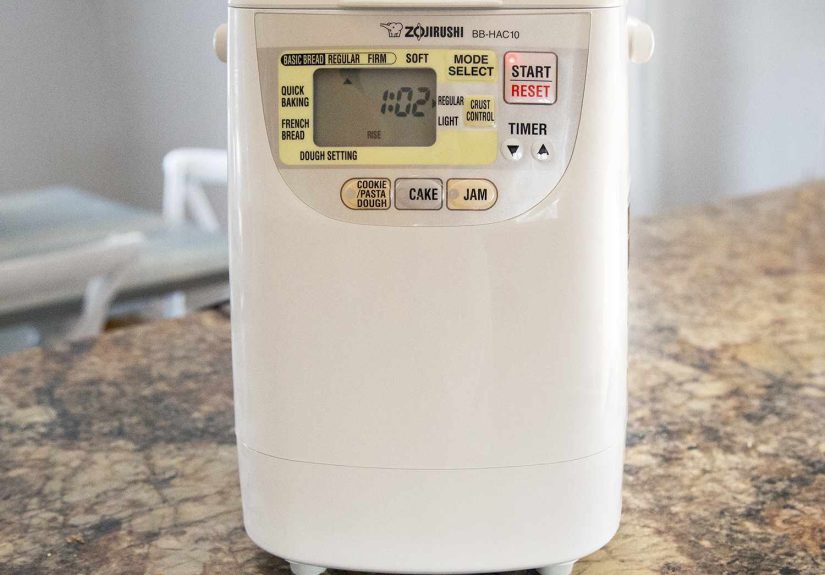
- Programs & Controls: Simple, Not Cheap
- Performance: How the Bread Actually Turns Out
- Beyond Bread: Dough, Jam, and Other Sneaky Wins
- Ease of Use: Set It and (Mostly) Forget It
- Cleaning & Maintenance: The Part Nobody Brags About
- The Quirk Everyone Mentions: The Kneading Blade Can Get Stuck
- Noise & Countertop Living: Surprisingly Chill
- How It Compares: Mini vs. Full-Size Bread Makers
- Value: Is the Zojirushi BB-HAC10 Worth the Money?
- Final Verdict
- Real-World Experiences & Tips (What Living With the BB-HAC10 Feels Like)
- 1) The 1-pound loaf is the sweet spot for normal humans
- 2) The timer turns you into a suspiciously prepared person
- 3) Ingredient order matters more than you think
- 4) The add-in beep is a game changer for “fancy bread”
- 5) Pizza night becomes easier (and more frequent)
- 6) The kneading blade crater: plan for it, don’t panic
- 7) Small kitchens love the vertical loaf
- 8) Treat it like a reliable coworker, not a magician
Fresh bread is one of life’s simplest flexes. It makes your kitchen smell like a cozy bakery, your butter feel more important than it is, and your neighbors quietly resent you (in the nicest way). The catch? Traditional bread baking is a time commitment with the emotional arc of a three-act drama: knead, rise, wait, wonder if you ruined everything, then bake.
Enter the Zojirushi BB-HAC10 Home Bakery Mini Breadmakera compact bread machine designed for people who want real bread but don’t want their counter to look like a small-appliance showroom. It makes 1-pound loaves, aims for consistency over chaos, and brings a surprisingly “grown-up” set of features for something that can fit in a cabinet without filing for squatter’s rights.
Quick Take: Who This Mini Bread Maker Is (and Isn’t) For
Buy it if…
- You’re in a small household and a 2-pound loaf feels like adopting a carb-heavy pet.
- You want a compact bread maker that’s easy to store and simple to run.
- You like baking, but you love “push button, receive bread” even more.
- You want dough programs for pizza night, rolls, cookies, or pasta dough.
Skip it if…
- You routinely feed a crowd (or a teenager) and need larger loaf options.
- You want a dedicated gluten-free setting and lots of specialty cycles built in.
- You’re sensitive to premium pricing for small appliances.
At-a-Glance Specs (The Stuff You Actually Want to Know)
- Loaf size: 1 lb (vertical loaf)
- Footprint: about 8.5″ (W) x 11.25″ (D) x 12.25″ (H)
- Power: 120V / 450W
- Timer: up to 13-hour delay
- Speed option: quick cycle under 2 hours (for certain breads)
- Texture choices: Regular, Firm, or Soft (varies by course)
- Notable extras: viewing window, add-in signal, keep-warm after baking
Design: Compact in the Ways That Matter
The “Tall, Not Wide” Footprint
The BB-HAC10’s design philosophy is basically: “Stop hogging the counter.” It’s taller than it is wide, which makes it feel more like a blender in terms of space impact than a full-size bread machine that demands its own zip code. That vertical build is also why the loaf comes out in a tall, rectangular shape rather than the long, sandwich-shop style some larger machines produce.
Handle + Window = “I’ll Put It Away… Probably”
Two small but surprisingly meaningful touches: there’s a carrying handle for moving it in and out of storage, and a viewing window so you can peek at the dough like it’s a nature documentary. It won’t change the outcome, but it will absolutely improve your emotional wellbeing (and give you something to do while you wait).
Programs & Controls: Simple, Not Cheap
The Core Courses You’ll Actually Use
This mini breadmaker focuses on the essentials instead of trying to be a “31-in-1 bread wizard.” The main menu includes settings for basic bread, soft bread, French bread, dough, cookie/pasta dough, cake, jam, and quick bread. Inside the basic bread course, you can also choose variations like regular or firm.
Regular vs. Firm vs. Soft (Yes, It Matters)
The texture options are more than marketing fluff. Think of them as “how tender do you want your crumb?” Soft leans toward fluffy sandwich vibes. Firm pushes a little chewier and sturdiergreat for toast that won’t collapse into sadness when you add peanut butter. Regular splits the difference for everyday bread.
Delay Timer + Add-In Signal: Bread on Your Schedule
The 13-hour delay timer is a big deal for real life. Load ingredients at night, set the timer, and wake up to fresh bread without doing math at 11 p.m. like “If it rises for how long and bakes for how long…” The machine also gives an ingredient add-in signal during the cycle, so you can toss in raisins, nuts, or chocolate chips when it’s most effectiverather than pulverizing them into “trail dust.”
REST Mode: Less Babysitting, More Consistency
If your kitchen runs cold or your ingredients aren’t room temperature, the BB-HAC10 can stabilize conditions before mixing. In practice, it means fewer “why didn’t my bread rise?” mysteries and less need to micromanage ingredient temperature like you’re hosting a flour-and-yeast wellness retreat.
Performance: How the Bread Actually Turns Out
Basic White Bread: The Benchmark Test
On the basic cycle, the BB-HAC10 shines where it counts: good rise, even bake, and a pleasant crumb structure. The crust can run a touch crisp depending on settings and recipegreat for toast lovers, less thrilling if you want pillow-soft crust for sandwiches. If you like a gentler bite, choose the Soft option and consider slightly higher hydration recipes.
French Bread: Tasty, But Expect a Longer Cycle
The French course takes longer and aims for a more structured crumb and a bolder crust. Results can be delicious, but this style is typically less forgiving. If your yeast touches liquid too early or your flour is packed too tightly, the loaf can under-rise. The machine can absolutely do itjust treat “French bread” like the friend who’s amazing but needs everything done “their way.”
Gluten-Free: Possible, But Not the Easiest Path
Here’s the honest part: this model does not have a dedicated gluten-free setting. Some guidance exists for making a gluten-free variation using the basic course, but gluten-free loaves are famously finicky. If gluten-free bread is your main mission, plan on experimentation (and possibly choosing a machine with a true gluten-free cycle for a smoother experience).
Beyond Bread: Dough, Jam, and Other Sneaky Wins
Pizza Dough That Actually Fits Real Life
The dough setting is one of the most useful “extra” functions on any bread machine, and the BB-HAC10 does it well. A 1-pound dough batch is often enough for about an 11-inch pizza, which is the perfect size for a casual pizza nightbig enough to share, small enough that you can justify making a second one “for research.”
Cookie / Pasta Dough: The Unexpected Party Trick
The cookie/pasta dough cycle is a niche feature that’s oddly satisfying once you try it. It’s essentially a mixing and kneading assistanthandy when you want consistent dough without flouring every surface like you’re recreating a snowstorm indoors.
Jam and Small-Batch Experiments
Jam in a bread machine sounds like a gimmick until you remember that jam is basically “heat + stirring + time.” Bread machines can do that. It’s also why some bakers use jam cycles for other warm, stir-required recipes. (No, you’re not required to become a bread-machine chef… but you might become one accidentally.)
Ease of Use: Set It and (Mostly) Forget It
Day-to-day operation is straightforward: add ingredients in the recommended order, select the course, choose your texture preference, and press start. There’s also an add-in beep so you don’t have to hover. In terms of user experience, the BB-HAC10 is made for repeatable resultsespecially if you stick to recipes designed for 1-pound loaves.
Cleaning & Maintenance: The Part Nobody Brags About
Cleaning is the usual bread machine routine: remove the pan, wash by hand, wipe the interior if needed. The pan and kneading blade are nonstick, which helpsjust avoid metal tools that can scratch the coating. If you’re the type who only buys appliances that can survive the dishwasher, this may not be your forever machine. If you’re okay with quick hand-washing, it’s painless.
The Quirk Everyone Mentions: The Kneading Blade Can Get Stuck
A common complaint is that the kneading paddle can bake into the bottom of the loaf, leaving a crater when you pull it out. This is not unique to Zojirushi, but it’s definitely something you’ll notice. The good news: it doesn’t ruin taste. The bad news: the first time it happens, you’ll wonder if you personally offended the bread.
Ways to minimize the “paddle crater” drama
- Lightly coat the paddle with a neutral oil before starting (just a thin film).
- After baking, let the loaf rest a few minutes before removingit can release more cleanly.
- Use a non-scratch tool to help loosen the loaf instead of aggressive shaking.
- Accept that the bottom slice might become “chef’s snack.” (A noble role.)
Noise & Countertop Living: Surprisingly Chill
For a machine that kneads dough with purpose, the BB-HAC10 tends to be described as relatively quiet. It’s still a bread machine (it will knead; you will hear it), but it’s not the kind of appliance that makes your pets apply for new housing.
How It Compares: Mini vs. Full-Size Bread Makers
The BB-HAC10 is a specialist: it does small loaves really well. Bigger machines offer more loaf sizes, sometimes dual kneading paddles, and occasionally extra heating elements for more even browning. But they take up more space and can encourage overproduction (“I guess we’ll eat half a loaf today?”).
If you bake often and want a dependable mini bread machine for a smaller household, the BB-HAC10 feels like a smart long-term tool. If you regularly need larger loaves, you’ll likely be happier with a 2-pound modelespecially if you prioritize specialty cycles like gluten-free.
Value: Is the Zojirushi BB-HAC10 Worth the Money?
This is not the cheapest way to automate bread. The value proposition is quality + consistency + compactness. You’re paying for a well-regarded brand, solid design choices, and repeatable resultsnot the biggest feature checklist.
If you’ll use it weekly, it’s easier to justify. If you’re more of a “two loaves a year” person, you might be better off borrowing a friend’s machine… or bribing them with garlic bread.
Final Verdict
The Zojirushi BB-HAC10 Home Bakery Mini Breadmaker is a compact, capable bread machine that excels at what it’s built for: consistent 1-pound loaves in a small-kitchen-friendly footprint. Its program list hits the sweet spotbasic bread, French, dough, quick bread, jam, and morewithout turning the control panel into a spaceship cockpit.
The main tradeoffs are straightforward: it’s a premium-priced mini machine, it only makes one loaf size, and the kneading blade can sometimes stick in the bread. But if you want fresh bread without waste (or counter clutter), this little unit earns its spot.
Real-World Experiences & Tips (What Living With the BB-HAC10 Feels Like)
Let’s talk about the part reviews don’t always capture: the daily rhythm. A bread maker isn’t just “an appliance,” it’s a lifestyle nudge. With the BB-HAC10, that nudge is gentlelike a friend texting, “Hey, you could have fresh bread tonight,” rather than screaming, “BAKE OR BE FORSAKEN.”
1) The 1-pound loaf is the sweet spot for normal humans
In many households, a 2-pound loaf is a commitment. The first day is magical, day two is toast, and day three is you bargaining with the freezer. A 1-pound loaf is more realistic: enough for a handful of sandwiches, a couple of toast mornings, and maybe one heroic grilled cheese. It’s the rare kitchen gadget that actively discourages food waste by design.
2) The timer turns you into a suspiciously prepared person
The delay timer is where bread machines become borderline unfair. You load ingredients at night, set it, and wake up to fresh bread. Or you set it in the afternoon so a warm loaf hits the counter right when you’re done with work. Suddenly you look like the kind of adult who owns matching storage containers. (You don’t have to correct anyone.)
3) Ingredient order matters more than you think
Many owners learn one lesson quickly: follow the recommended ingredient order, especially keeping yeast from touching liquid too early. It’s the difference between a loaf that rises proudly and a loaf that looks like it had a rough week. Measure carefully, add liquids first, then dry ingredients, then yeast in a little flour “nest.” This small ritual pays off with much more consistent results.
4) The add-in beep is a game changer for “fancy bread”
Want cinnamon raisin bread that doesn’t pulverize the raisins into jammy confetti? Use the add-in signal. Same goes for nuts, chocolate chips, or dried fruit. You’ll get cleaner slices, better texture, and fewer surprise pockets of “all walnuts, no bread.”
5) Pizza night becomes easier (and more frequent)
Owners who use the dough cycle often end up using it a lot. Dough is usually the annoying part of homemade pizzathe mixing, the kneading, the timing. The BB-HAC10 handles that while you prep toppings and pretend you’re hosting a cooking show. With a 1-pound dough batch, you can make a satisfying pizza without turning the evening into a flour-based renovation project.
6) The kneading blade crater: plan for it, don’t panic
The paddle sticking is a known “thing.” In real life, it’s mostly a cosmetic annoyance. Some people get into a groove: they let the loaf cool slightly, gently twist the pan, and then pull the bread out with minimal drama. Others simply designate the bottom slice as the “chef’s snack,” because someone has to test quality control and it might as well be you.
7) Small kitchens love the vertical loaf
The vertical loaf shape is practical. It stores neatly, slices into tidy pieces, and fits in a toaster without requiring geometry. People also like that the machine can be tucked away in a cabinet, then pulled out when neededespecially with the carrying handle. If counter space is a constant negotiation, the BB-HAC10 feels less like a permanent roommate and more like a helpful guest.
8) Treat it like a reliable coworker, not a magician
The BB-HAC10 does a lot, but it can’t rescue wildly off-ratio recipes or expired yeast. If a loaf goes sideways, it’s usually a measurement issue, ingredient freshness, or a recipe not scaled for a 1-pound pan. The best owner experience comes from using 1-pound recipes, weighing flour when possible, and making small adjustments one variable at a time. Do that, and this machine becomes boring in the best way: predictable, dependable, and quietly excellent.