Table of Contents >> Show >> Hide
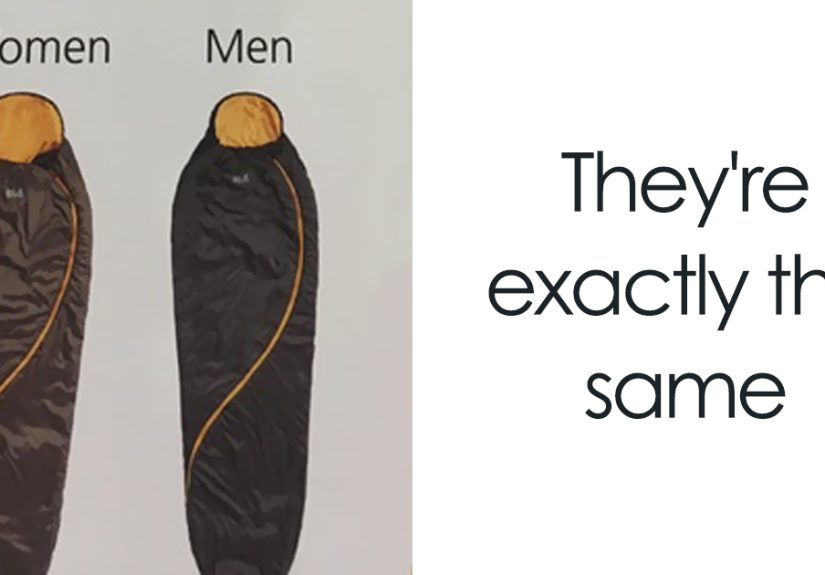
Some products solve problems. Others create one, paint it pink, slap on a glittery font, and charge extra for the privilege. That, in a nutshell, is the weird little universe of pointlessly gendered products: everyday items split into “for him” and “for her” versions even when the function is exactly the same. A razor still removes hair. A pen still writes. A candle still smells like a candle, even if somebody in a marketing meeting insists men can only enjoy scents called campfire leather thunder.
The logic behind gendered products is not always about biology or genuine design needs. More often, it is about packaging, color, scent, and old-fashioned assumptions about what men and women are supposedly meant to like. It is the retail version of telling a toothbrush it needs a personality. Sometimes that personality wears flowers. Sometimes it growls. Either way, shoppers are left standing in the aisle wondering why deodorant has become a performance of identity.
And that is what makes this whole category so endlessly fascinating and faintly ridiculous. The most absurd examples are not the products that were thoughtfully redesigned to fit different bodies or real use cases. The true hall-of-famers are the ones that changed nothing except the vibe. Same purpose. Same shelf. Same ingredients, or close enough. Different label. Different scent name. Different ad campaign. Occasionally, a different price. Below is a roundup of 115 pointlessly gendered products that prove modern consumer culture can turn absolutely anything into a pink-vs-blue showdown.
Why Pointlessly Gendered Products Keep Showing Up
Marketers have relied on gender shorthand for years because it is fast, familiar, and easy to sell. If you divide a product into masculine and feminine versions, you can target different audiences, stretch a product line, and make something ordinary look newly specialized. The trick is old: take a generic item, tweak the packaging, rename the scent, and suddenly it becomes a lifestyle statement. That is how a basic notebook becomes “boss babe planning” on one shelf and “executive grind mode” on another.
Sometimes companies defend this strategy by saying men and women shop differently or have different preferences. Fair enough, occasionally. But the silliness begins when those preferences are treated like laws of nature. Men are apparently allergic to floral soap unless it is renamed “mountain cedar.” Women, according to certain brands, cannot possibly use a regular pen unless it comes in lavender and promises to fit a “woman’s hand.” The result is a marketplace packed with products that are less about need and more about stereotype.
The funniest part is how often consumers see through it instantly. The internet has a long memory for absurd branding, and pointlessly gendered products tend to get dragged with remarkable efficiency. People know when they are being sold a costume version of an everyday object. That is why this list feels less like a shopping guide and more like a museum of marketing overreach.
115 Pointlessly Gendered Products We Still Can’t Get Over
Personal Care and Grooming
- Women’s razors that are basically the same blade in pink.
- Razor cartridges divided by gender instead of simple compatibility.
- Shaving cream marketed like cheeks and legs are different planets.
- Body wash labeled “for men” because soap now lifts weights.
- Deodorant sold in “fresh blossom” versus “glacier blast” form.
- Shampoo with identical promises but dramatically different packaging.
- Conditioner that assumes softness is somehow feminine by default.
- Lotion bottles sorted into “pretty” and “rugged” moisturizer camps.
- Face wash for men that looks like it was designed in a garage.
- Lip balm rebranded so men can hydrate without fearing strawberries.
- Bar soap turned into a gender identity test.
- Exfoliating scrub sold like skin has partisan politics.
- Loofahs apparently assigned a gender at birth.
- Bath sponges that become feminine the second they turn pastel.
- Tweezers marketed differently for identical eyebrow emergencies.
- Cotton swabs dressed up as masculine grooming tools.
- Tissues packaged as “man-size,” because colds are now macho.
- Hand sanitizer that smells like a lumberjack convention.
- Hair brushes sold as “for women” despite universal tangles.
- Hair dryers in glitter packaging for no practical reason.
- Nail buffers in black packaging labeled “for men.”
- Moisturizers that act like men just discovered skin.
- Bathrobes split into floral elegance and cigar-lounge seriousness.
- Shower caps treated like gender-specific technology.
- Gift soap sets named “goddess spa” versus “alpha male steel.”
Fashion, Accessories, and Health Basics
- Sneakers color-coded like walking requires gender loyalty.
- Socks sold as delicate for women and performance for men.
- Slippers that differ mainly in color and attitude.
- Hoodies branded by gender instead of fit and fabric.
- Pajamas sorted into cute dreams and heroic sleep.
- Underwear multipacks marketed with stereotype-heavy slogans.
- Bath towels reimagined as his-and-hers territory.
- Umbrellas that somehow need a male and female version.
- Wallets advertised differently when both hold the same receipts.
- Water bottles made “for her” with motivational sparkle fonts.
- Luggage designed to suggest airports are gendered spaces.
- Yoga mats marketed as feminine self-care accessories.
- Bike helmets in pink that cost extra for the color.
- Scooters split into girls’ sparkle and boys’ speed aesthetics.
- Bicycles with identical function but aggressively gendered styling.
- Backpacks labeled by gender instead of pocket count.
- Lunch bags treated like a battlefield of identity.
- Compression socks separated for no persuasive reason.
- Canes packaged differently for men and women.
- Supports and braces marketed with unnecessary gender cues.
Office, Tech, and Fitness Gear
- Bic for Her pens, the undisputed queen of pointless gendering.
- Notebooks with flowers for women and camouflage for men.
- Planners marketed as feminine life-management tools.
- Desk organizers separated by color palette alone.
- Laptop sleeves pretending productivity has a gender.
- Phone cases sold as either chic or tactical.
- Computer mice repackaged for women with barely any redesign.
- Crystal-covered keyboards for “feminine” typing energy.
- Gaming headsets labeled for girls because pink exists.
- USB drives that think file storage needs a personality.
- Headphones coded masculine or feminine by finish alone.
- Smartwatches marketed differently for identical notifications.
- Fitness trackers aimed at women with slimmer, prettier branding.
- Gym gloves split by marketing mood board.
- Protein shaker bottles decorated like gendered hydration matters.
Food and Drink
- “Brogurt” and other yogurts that panic at femininity.
- Protein bars marketed specifically “for women.”
- Snack packs aimed at men as if hunger lifts dumbbells.
- Beef jerky sold with extra testosterone in the branding.
- Chocolate bars marketed as indulgence “for her.”
- Diet sodas packaged like a pep talk from the locker room.
- Sparkling water in macho cans with dramatic fonts.
- Tea blends advertised as goddess fuel.
- Coffee mugs labeled “mom fuel” versus “dad fuel.”
- Whiskey-stone gift kits performing masculinity one cube at a time.
- Pink baking mixes framed as the feminine version of dessert.
- Princess-themed cereals that start branding before breakfast.
- Kids’ meal toys split into “boy toy” and “girl toy.”
- Meal replacement shakes divided by gendered goals.
- High-protein cereal sold like crunching is manly.
- Salad marketing that treats vegetables as feminine behavior.
- Low-calorie snacks wrapped in pastel “guilt-free” language.
- Novelty candy gift boxes for him and for her.
Home, Travel, and Everyday Stuff
- “Man candles” because apparently normal candles are too delicate.
- Soap dispensers sold as his-and-hers sink accessories.
- Laundry scents divided into floral and forest-warrior options.
- Cleaning sprays in macho packaging to protect masculine dignity.
- Kitchen knives marketed to women because the handle is pink.
- Pink tool kits that assume women only repair things prettily.
- Black “rugged” tool kits sold as the man version.
- Garden gloves sorted by stereotype instead of durability.
- Office chairs marketed by gender instead of ergonomics.
- Car air fresheners labeled for men or women.
- Travel pillows performing gender during naps.
- First-aid kits styled as feminine or masculine survival gear.
- Pet shampoo in gendered packaging for the humans buying it.
- Rain boots treated like weather has a binary.
- Reusable shopping bags with unnecessary gender branding.
- Oven mitts made “girly” with no improvement in heat protection.
- Picnic gear sold as rugged for men and charming for women.
Toys, Baby Gear, and Kid Stuff
- Doctor kits still marketed like empathy belongs to girls.
- Toy kitchens coded feminine despite everyone eating food.
- Toy cleaning sets aimed at girls with alarming enthusiasm.
- Toy makeup kits that start the beauty aisle early.
- Science kits “for girls” in pink packaging.
- Engineering kits “for boys” in darker, bolder boxes.
- Coding toys split by color instead of difficulty level.
- Baby onesies stamped with tired gender slogans.
- Bibs that teach stereotypes before language does.
- Pacifiers marketed with little macho or princess cues.
- Strollers available in gendered color stories for babies.
- Kids’ helmets and pads split by glitter and flames.
- Children’s bikes sorted into princess and stunt themes.
- Dolls marketed as only for girls.
- Action figures marketed as only for boys.
- Art kits coded feminine despite crayons lacking ideology.
- Craft sets steered toward girls, science toward boys.
- Toy cameras packaged differently by gender.
- Walkie-talkies split into sparkly versus tactical versions.
- Play tents sold as castles for girls and forts for boys.
What These Products Actually Reveal
The strangest thing about pointlessly gendered products is that they rarely tell us anything useful about shoppers. What they really reveal is how often brands lean on cliché when imagination runs low. A company that does not know how else to refresh a product line can always reach for the oldest trick in the retail playbook: split the audience, change the language, and hope nobody asks too many questions.
There is also a bigger cultural issue hiding inside the joke. When girls are handed pink science kits and boys are pushed toward dark-box engineering sets, the message travels far beyond the shelf. It quietly suggests who is expected to nurture, who is expected to build, who is allowed to care about beauty, and who must pretend not to. That is why pointlessly gendered products can feel silly and exhausting at the same time. They are not just selling objects. They are selling scripts.
The good news is that shoppers are increasingly harder to fool. Plenty of consumers now compare ingredients, unit prices, and features instead of buying the version assigned to them by a label. They want design that solves real problems, not branding that treats adulthood like a middle-school lunch table. And honestly, that seems like progress. A razor does not need a gender. A candle does not need a backstory about motorcycles. A pen definitely does not need to understand womanhood.
Shopping Experiences That Perfectly Capture the Madness
If you have ever wandered through a drugstore looking for something as ordinary as deodorant, you already know the experience. One shelf is a festival of flowers, soft curves, and words like smooth, gentle, and radiant. The shelf beside it looks like it was designed for a post-apocalyptic action movie, complete with names that suggest the wearer will immediately start chopping wood. You stand there, holding two products that do basically the same thing, and suddenly the most difficult part of your day is deciding whether you want to smell like peony mist or thunder forge.
The same thing happens with razors. Plenty of shoppers have had that exact aisle moment: the pink razor costs more, looks fancier, and promises silky elegance, while the darker one right next to it looks plain, practical, and suspiciously cheaper. At that point the purchase becomes less about grooming and more about whether you are willing to pay for a color and a story. It is not exactly a life crisis, but it is a very specific kind of retail annoyance.
Parents run into the problem even faster. Shopping for kids means navigating aisles where interests are filtered through gender before a child even gets a chance to have one. A girl who likes science may be steered toward a glitter lab, while a boy who wants to play kitchen gets nudged toward anything with wheels and fake explosions. You can almost hear the shelf labels whispering, “We have already chosen your personality for you.” No wonder so many adults end up buying the supposedly “wrong” version on purpose.
Office-supply shopping has produced its own legendary example: the famous “for her” pen. The joke landed so hard because nearly everyone instantly understood the absurdity. Women had, somehow, been managing to write for centuries without a lavender ballpoint engineered for feminine brilliance. That product became a cultural punchline because it took a completely universal task and gendered it so aggressively that the branding collapsed under its own nonsense.
Gift shopping may be the most entertaining category of all. That is where you meet the man candle, the dad mug, the princess snack set, the tactical lunch bag, and the “spa day” version of some item that worked perfectly well before anyone added cursive lettering. It often feels as if brands are less interested in helping people choose useful products and more interested in turning every purchase into a costume change. Even snacks and notebooks are expected to perform identity now.
What makes these experiences memorable is not just the absurdity. It is the tiny mental tax they place on shoppers. You are not simply buying soap, a bike helmet, or a backpack. You are being asked to accept a miniature worldview about who should use what, how they should look doing it, and which version of “you” the brand has decided to flatter. That is why so many people roll their eyes, switch aisles, and buy the least ridiculous option available. In the end, the most satisfying shopping experience is still the simplest one: pick the product that works, ignore the pink smoke machine, and go home victorious.
Final Take
Pointlessly gendered products are funny until they are tiring, and tiring until they are expensive. They clutter shelves, reinforce stereotypes, and turn basic shopping into a weird identity quiz nobody asked to take. The best brands understand that thoughtful design is not the same thing as lazy gender coding. If a product really serves different needs, great, show us the functional difference. If not, maybe let a pen be a pen, a candle be a candle, and a razor be a razor. Humanity will cope.