Table of Contents >> Show >> Hide
- Why This Luscious Roast Turkey Recipe Works
- Ingredients
- Equipment You Will Want
- How to Prepare the Turkey
- How to Roast a Luscious Turkey
- Simple Timing Guide
- How to Make It Even More Flavorful
- What to Serve With Roast Turkey
- Common Roast Turkey Mistakes to Avoid
- How to Carve the Turkey
- Leftover Ideas That Deserve Their Own Fan Club
- Final Thoughts
- Experiences, Lessons, and Kitchen Stories About Roast Turkey
- SEO Tags
Roast turkey has a reputation for being dramatic. Too dry. Too bland. Too stressful. Too many relatives staring at it like food critics with forks. But a truly luscious roast turkey is not a holiday myth. It is absolutely possible to pull a bronzed, juicy, deeply savory bird from the oven without losing your cool, your gravy, or your will to host ever again.
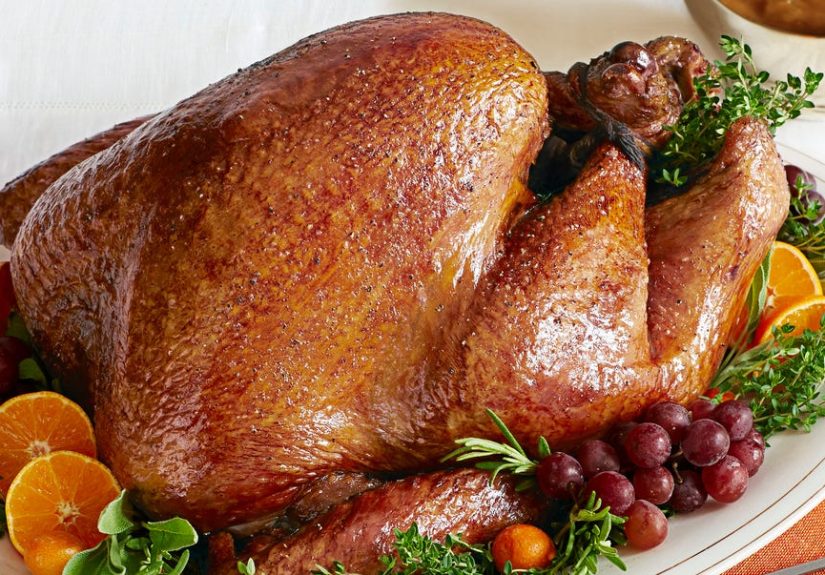
This recipe is built for real home cooks who want reliable results and plenty of flavor. It borrows the smartest lessons from classic American turkey traditions: dry skin for better browning, generous seasoning, gentle roasting, and a meat thermometer that tells the truth when the clock tries to be overly confident. The result is a turkey with crisp golden skin, tender slices of breast meat, rich dark meat, and pan drippings worthy of applause.
Whether you are cooking for Thanksgiving, Christmas, a big Sunday dinner, or just because you enjoy showing off in the most delicious way possible, this guide will walk you through every step. We will cover ingredients, prep, roasting, resting, carving, common mistakes, and the kind of practical advice that keeps the bird moist instead of turning it into edible drywall.
Why This Luscious Roast Turkey Recipe Works
A great roast turkey is not about fancy tricks. It is about stacking simple advantages in your favor. First, drying the turkey well and seasoning it thoroughly gives you better flavor and color. Second, rubbing butter and herbs over and under the skin helps protect the meat and adds richness. Third, roasting at a steady temperature gives the bird time to cook evenly without scorching the outside. Finally, resting the turkey before carving keeps more of those precious juices where they belong: inside the meat, not all over your cutting board.
This version keeps the ingredient list practical, but the flavor feels special. Fresh herbs, garlic, lemon, onion, and butter do the heavy lifting. No culinary acrobatics required. No need to whisper to the turkey or beg it to cooperate. Just a smart method, a little patience, and a well-timed check with a thermometer.
Ingredients
For the Turkey
- 1 whole turkey, 12 to 14 pounds, thawed if previously frozen
- 6 tablespoons unsalted butter, softened
- 2 tablespoons olive oil
- 2 to 3 teaspoons kosher salt, plus more if needed
- 1 1/2 teaspoons black pepper
- 1 tablespoon chopped fresh rosemary
- 1 tablespoon chopped fresh thyme
- 1 tablespoon chopped fresh sage
- 4 garlic cloves, minced
- Zest of 1 lemon
- 1 onion, quartered
- 1 lemon, halved
- 2 celery stalks, cut into large pieces
- 2 carrots, cut into large pieces
For the Roasting Pan
- 1 cup low-sodium chicken or turkey broth
- Extra herb sprigs, optional
- More onion, celery, and carrots if desired for flavor in the drippings
Optional Dry Brine for Extra Flavor
- 1 tablespoon kosher salt per 5 pounds of turkey
- 1 teaspoon black pepper
- 1 teaspoon baking powder, optional, for better skin browning
Equipment You Will Want
- Roasting pan with a rack
- Paper towels
- Kitchen twine, optional
- Instant-read or probe thermometer
- Basting brush
- Sharp carving knife
If you only remember one thing from this section, let it be this: a thermometer matters more than turkey-related optimism. Time charts are useful, but temperature wins every argument.
How to Prepare the Turkey
1. Thaw It Safely
If your turkey is frozen, thaw it in the refrigerator with plenty of time to spare. A large turkey is not a last-minute ingredient. It is more like a houseguest that arrives with luggage. Once thawed, remove the giblets and neck from the cavity and pat the turkey very dry with paper towels.
2. Do Not Wash the Turkey
Skip rinsing the bird. Water will not make it cleaner, but it can splash raw poultry juices around your sink and countertops. Drying the turkey well is what actually helps you here, especially if your dream includes beautifully crisp skin.
3. Optional Dry Brine
If you want even deeper flavor, season the turkey all over with salt and pepper up to 24 hours in advance and leave it uncovered in the refrigerator. This step helps the meat season more thoroughly and gives the skin time to dry out for better browning. It is one of those low-effort, high-reward moves that makes you look suspiciously competent.
4. Make the Herb Butter
In a bowl, combine the softened butter, olive oil, rosemary, thyme, sage, garlic, lemon zest, salt, and pepper. Loosen the skin over the breast and legs carefully with your hands. Spread some of the herb butter under the skin, then rub the rest all over the outside of the turkey.
5. Fill the Cavity Lightly
Place the onion, lemon halves, celery, and carrots inside the cavity. These aromatics perfume the bird from the inside without the risks and timing complications of stuffing. If you want traditional stuffing, bake it separately. Your oven and your stress level will both appreciate that decision.
How to Roast a Luscious Turkey
Step 1: Preheat the Oven
Preheat your oven to 325°F. Place the turkey breast-side up on a rack in the roasting pan. Pour the broth into the bottom of the pan. This helps keep drippings from burning and gives you a better base for gravy later.
Step 2: Tuck and Tie
Tuck the wing tips under the bird so they do not burn. Tie the legs loosely with kitchen twine if you want a tidier shape. It is not mandatory, but it does make the turkey look polished and a little smug in the best possible way.
Step 3: Roast Until Golden and Fragrant
Roast the turkey uncovered, checking occasionally. If the breast skin starts browning too quickly, loosely tent it with foil. A 12- to 14-pound turkey typically takes about 3 to 3 3/4 hours, but start checking early rather than trusting the oven like it is your oldest, most reliable friend.
Step 4: Check Temperature, Not Just Time
The turkey is done when the thickest part of the breast and the innermost part of the thigh reach a safe temperature. Insert the thermometer without touching bone. If you stuffed the turkey, the center of the stuffing must also be fully cooked before serving. This is the moment when science saves dinner.
Step 5: Rest Before Carving
Transfer the turkey to a cutting board and let it rest for 20 to 30 minutes before carving. That rest is not optional fluff. It gives the juices time to settle back into the meat, which means more moisture in each slice and fewer sad puddles on the board.
Simple Timing Guide
Use this as a rough estimate for an unstuffed turkey roasted at 325°F:
- 10 to 12 pounds: about 2 3/4 to 3 hours
- 12 to 14 pounds: about 3 to 3 3/4 hours
- 14 to 18 pounds: about 3 3/4 to 4 1/4 hours
- 18 to 20 pounds: about 4 1/4 to 4 1/2 hours
These estimates are helpful, but they are not a contract. Every oven behaves a little differently, and turkey does not care about your schedule.
How to Make It Even More Flavorful
Add More Herbs
Fresh parsley, marjoram, and chives can join the butter for more complexity. Sage and thyme are the usual stars, but a little herb variety adds depth without making the bird taste like your spice rack fell over.
Use Citrus
Lemon brightens the richness of the butter and the meat. Orange also works beautifully if you want a slightly sweeter, holiday-style aroma.
Roast on a Bed of Vegetables
Extra carrots, onions, and celery in the pan create flavorful drippings and make your kitchen smell like the kind of place people secretly hope gets passed down in the family.
What to Serve With Roast Turkey
A luscious roast turkey deserves a supporting cast that knows its role. Mashed potatoes, stuffing baked in a casserole dish, cranberry sauce, green beans, sweet potatoes, roasted Brussels sprouts, and soft dinner rolls all play nicely here. A pan gravy made from the drippings ties everything together and gives even the leaner breast meat a glossy finish.
If you are building a full holiday menu, balance rich dishes with brighter ones. A citrusy salad, green vegetable, or sharp cranberry relish can keep the meal from tipping into heavy territory. Delicious? Yes. Nap-inducing? Also yes. But balance helps.
Common Roast Turkey Mistakes to Avoid
Overcooking the Breast
This is the big one. Turkey breast is lean, and it does not forgive neglect. Start checking temperature early and tent with foil if needed.
Under-Seasoning
Turkey is large, which means timid seasoning disappears into the background. Salt confidently, especially if you are not brining.
Skipping the Rest
Cutting immediately after roasting is basically inviting the juices to leave. Let the bird rest. You have come this far. Do not fumble at the finish line.
Trusting the Pop-Up Timer Alone
Built-in timers can be helpful, but a real thermometer gives you a clearer answer. When in doubt, trust the tool you bought for this exact job.
Trying to Make Everything Complicated
A good turkey does not need twelve marinades, three glazes, and a spiritual quest. Strong basics beat kitchen chaos almost every time.
How to Carve the Turkey
Start by removing the legs and thighs, then separate the drumsticks if you like. Slice down one side of the breastbone and remove each breast half in large pieces before slicing crosswise. Remove the wings last. Arrange the white and dark meat on a platter so guests can choose what they like. Add a few herb sprigs or roasted citrus halves if you want the platter to look extra handsome.
Leftover Ideas That Deserve Their Own Fan Club
Leftover roast turkey is one of the best arguments for cooking a large bird in the first place. Pile slices onto sandwiches with cranberry sauce and mayo. Fold chopped meat into pot pie, soup, enchiladas, casseroles, salads, or breakfast hash. Stir it into creamy pasta or use it in sliders for game day. A good roast turkey gives once at dinner and keeps giving all week like a very generous edible subscription service.
Final Thoughts
A luscious roast turkey recipe should feel impressive without being nerve-racking. This one gets there by focusing on the details that matter most: dry skin, bold seasoning, herb butter, steady roasting, and a proper rest before carving. The flavor is classic, the texture is juicy, and the process is manageable enough that you can actually enjoy the day instead of pacing the kitchen like an anxious sports coach.
If you have had disappointing turkey before, do not hold a grudge against the bird forever. Give it one more chance. With the right method, roast turkey can be tender, flavorful, and worthy of centerpiece status. It can even be the dish people talk about after dessert, which is saying a lot when pie is involved.
Experiences, Lessons, and Kitchen Stories About Roast Turkey
The first time many home cooks roast a turkey, they approach it like a final exam with butter. There is the fear of undercooking, the fear of overcooking, and the oddly specific fear that everyone will politely smile while chewing something that tastes like a beige napkin. But one of the best things about learning how to roast turkey is that the process gets easier fast. After the first successful bird, your confidence rises dramatically. Suddenly the giant turkey that once seemed intimidating starts to feel like a manageable project with a very tasty ending.
One common experience is discovering that the biggest improvements are not flashy. A lot of people expect the secret to be some complicated marinade or an expensive gadget. In reality, the most memorable lessons are usually simple: dry the bird well, season it more than you think you need to, and buy a thermometer. That last one changes everything. It turns turkey from a guessing game into a cooking project with actual answers. And once you stop cutting into the bird every twenty minutes “just to check,” life gets calmer for everyone involved.
Another classic turkey-cooking moment is realizing how much aroma matters. As the herb butter melts and the onions, celery, and lemon warm up inside the cavity, the kitchen begins to smell like comfort, celebration, and a little bit of victory. That smell has a way of pulling people into the kitchen with suspiciously helpful offers. Someone suddenly wants to set the table. Someone else is willing to mash potatoes. Roast turkey has that effect. It turns bystanders into temporary assistants.
Family traditions also shape the turkey experience. Some cooks swear by wet brining because that is what their parents did. Others are loyal to dry brining because it is less messy and gives crispier skin. Some people roast the turkey exactly the same way every year because that consistency feels comforting. Others tweak the herb blend annually as if they are auditioning for a cooking show nobody asked them to host. The truth is that there is room for all of it. Good turkey is less about strict rules than about understanding the fundamentals and making them your own.
There is also something deeply satisfying about carving a turkey you cooked yourself. When the knife slides through the breast and the slices come out moist instead of crumbly, it feels earned. You notice the color of the skin, the scent of sage and garlic, the steam rising from the platter, and the tiny look of surprise from people who expected “fine” but got genuinely delicious. Those are the moments that convert nervous first-timers into repeat turkey roasters.
And yes, mistakes happen. Sometimes the breast browns too quickly. Sometimes dinner runs late because the bird needed more time than planned. Sometimes you forget to soften the butter and end up microwaving it in increasingly desperate five-second bursts. That is all normal. Turkey roasting is one of those cooking experiences where perfection matters less than responsiveness. If you pay attention, make small adjustments, and trust the process, the meal usually turns out beautifully.
In the end, roast turkey is more than a recipe. It is an event, a ritual, and for many people a memory-maker. It is the sound of a crowded kitchen, the sight of a big platter hitting the table, and the relief of knowing the centerpiece actually delivered. Once you have made a truly luscious roast turkey, you understand why people keep coming back to it year after year. It is not just tradition. It is tradition that tastes really, really good.