Table of Contents >> Show >> Hide
- 1. Buying the Wrong Mower for Your Yard
- 2. Running the Mower at Half Speed
- 3. Mowing Too Fast
- 4. Using Dull Mower Blades
- 5. Mowing Wet Grass
- 6. Not Mowing Often Enough
- 7. Cutting Grass Too Short
- 8. Sticking to a Rigid Mowing Schedule
- 9. Mowing in the Same Pattern Every Time
- 10. Bagging All the Grass Clippings
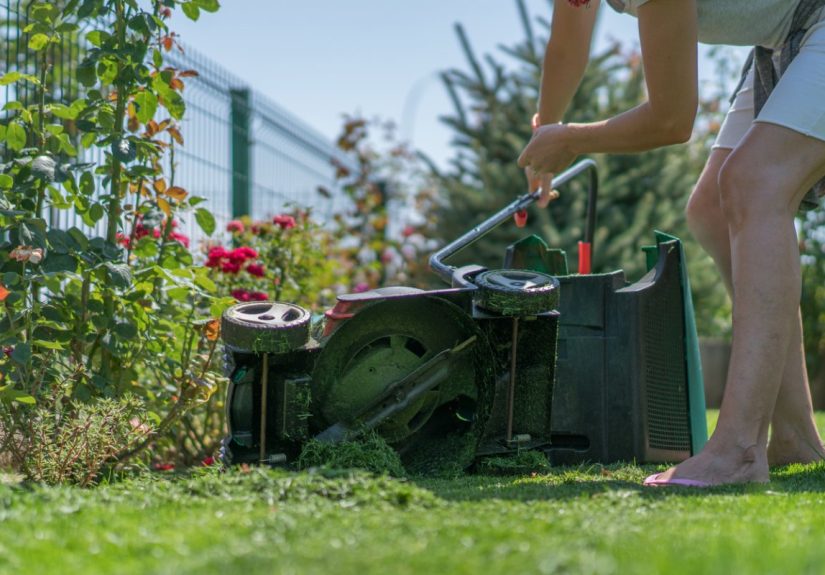
- 11. Forgetting to Clean the Mower Deck
- 12. Ignoring Basic Mower Maintenance
- 13. Storing the Mower Improperly in the Off-Season
- 14. Ignoring Lawn Mowing Safety
- Extra Lawn Mowing Tips for a Healthier Yard
- Experience-Based Advice: What Actually Works in Real Yards
- Conclusion
Note: This original article synthesizes practical lawn-care guidance from reputable U.S. home improvement sources, university extension services, mower maintenance experts, and turfgrass best practices.
Mowing the lawn looks simple from a distance: push machine, cut grass, feel heroic. But anyone who has ever left a stripey, scalped, clumpy mess behind knows the truth. Lawn mowing is part maintenance, part timing, part patience, and part “please start on the first pull.” The difference between a healthy green lawn and a stressed-out patch of yard salad often comes down to a handful of common lawn mowing mistakes.
The good news? Most mowing problems are easy to fix once you know what is going wrong. You do not need a professional grounds crew, a golf-course budget, or a mower that looks like it belongs in a superhero garage. You need the right mower, sharp blades, good timing, and a willingness to stop treating grass like it owes you money.
Below are 14 lawn mowing mistakes everyone makes, plus practical fixes that can help your yard look thicker, greener, and less like it had a rough weekend.
1. Buying the Wrong Mower for Your Yard
The first mistake happens before the first blade of grass is cut: choosing the wrong mower. A tiny push mower may be perfect for a small suburban yard, but it becomes a weekly endurance sport on a half-acre lot. On the other hand, a riding mower in a compact yard with tight corners, flower beds, and trees can feel like trying to parallel park a school bus in a pantry.
How to fix it
Match the mower to the size, slope, and complexity of your lawn. For small flat yards, a push mower or cordless electric mower is usually enough. For medium yards, a self-propelled mower can save your legs and your mood. For larger lawns, riding mowers or zero-turn mowers may be worth the investment. If your property has slopes, choose a mower designed for stability and traction. If you have many obstacles, prioritize maneuverability over raw power.
2. Running the Mower at Half Speed
Many homeowners slow down the mower engine because it sounds gentler. The intention is sweet, but the result can be messy. Most gas mowers are designed to cut best at full operating speed. When the engine runs too slowly, the blade may not spin fast enough to create a clean, even cut.
How to fix it
Run the mower according to the manufacturer’s instructions. For many mowers, that means using the recommended full throttle setting while mowing. A properly spinning blade cuts grass more cleanly, helps clippings discharge correctly, and reduces the need for repeated passes. Think of it this way: the mower is not asking to jog; it was built to work.
3. Mowing Too Fast
Running the engine at the right speed does not mean sprinting across the yard like the lawn is chasing you. Moving too quickly can cause uneven cutting, missed strips, clumps of grass, and visible wheel marks. A rushed lawn often looks worse after mowing, which is impressive in the same way burning toast is impressive.
How to fix it
Walk or drive at a steady pace that allows the mower to cut and discharge clippings evenly. Slow down when grass is tall, thick, or slightly damp. If the mower sounds strained or leaves uncut patches behind, reduce your ground speed. A clean mow usually takes less time than mowing fast and then fixing the chaos.
4. Using Dull Mower Blades
Dull blades do not cut grass; they tear it. Torn grass blades develop ragged brown tips, lose moisture faster, and become more vulnerable to disease. If your lawn looks grayish or brown shortly after mowing, your mower blade may be the villain wearing a metal cape.
How to fix it
Sharpen mower blades at least once or twice per season, and more often if you mow frequently or hit sticks, stones, or roots. Look closely at the grass after mowing. Cleanly cut grass has neat edges; shredded grass looks frayed. Keep a spare sharpened blade on hand so you can swap blades quickly instead of postponing maintenance until your lawn starts writing complaint letters.
5. Mowing Wet Grass
Mowing wet grass is one of the most common lawn mowing mistakes, and it causes trouble in several ways. Wet grass clumps under the mower deck, clippings mat on the lawn, wheels can leave ruts, and slippery conditions increase safety risks. Wet clippings can also block airflow, making bagging or mulching less effective.
How to fix it
Wait until the grass is dry before mowing whenever possible. If rain is in the forecast, mow before it arrives rather than immediately after. If you must mow slightly damp grass, raise the cutting height, slow down, and clean the mower deck afterward. But if your shoes are getting soaked, your mower probably deserves the day off.
6. Not Mowing Often Enough
Letting grass grow too tall between mowings may seem like a time-saving strategy, but it usually backfires. When grass gets too long, you may be tempted to remove too much at once. That shocks the plant, creates heavy clippings, and can leave the lawn thin and stressed.
How to fix it
Follow the one-third rule: never remove more than one-third of the grass blade in a single mowing. If your ideal lawn height is 3 inches, mow before it grows much taller than about 4.5 inches. During fast spring growth, this may mean mowing more than once a week. During drought or slow growth, you may mow less often. Let the grass growthnot your calendar boss you around.
7. Cutting Grass Too Short
Scalping the lawn is the classic “I’ll mow it shorter so I don’t have to mow again soon” mistake. Unfortunately, cutting grass too short weakens the plant, exposes soil to sunlight, encourages weed seeds to germinate, and reduces drought tolerance. Grass needs leaf surface to photosynthesize. Remove too much, and the lawn has to spend its energy recovering instead of building strong roots.
How to fix it
Set the mower higher. For many cool-season lawns, a mowing height around 3 inches or higher supports deeper roots and better weed resistance. Warm-season grasses vary by type, so check the recommended range for Bermuda, zoysia, St. Augustine, centipede, or buffalo grass. In hot weather, mowing higher is usually better because taller grass shades the soil and helps conserve moisture.
8. Sticking to a Rigid Mowing Schedule
Mowing every Saturday morning sounds organized, but grass does not care about your calendar app. Growth changes with rain, temperature, sunlight, fertilizer, and season. A rigid schedule can lead to mowing too often during drought or waiting too long during peak growth.
How to fix it
Use the lawn itself as your guide. Mow when the grass is tall enough that removing one-third brings it back to the target height. After heavy rain and warm weather, you may need to mow sooner. During dry spells, let the lawn rest longer and avoid cutting stressed grass. The best mowing schedule is flexible, not stubborn.
9. Mowing in the Same Pattern Every Time
If you mow the exact same path week after week, the grass may begin leaning in that direction. Repeated wheel tracks can also compact soil and create ruts, especially in softer areas. The lawn may still be cut, but it can look tired and uneven.
How to fix it
Alternate mowing patterns. One week, mow north to south. Next time, go east to west. Occasionally mow diagonally if your lawn shape allows it. Changing direction encourages grass to grow upright and helps reduce wear in the same tracks. It also gives your yard that “someone here knows what they’re doing” look, even if you still occasionally forget where you put the gas can.
10. Bagging All the Grass Clippings
Many people bag clippings because they assume clippings cause thatch or make the lawn messy. In most cases, short grass clippings decompose quickly and return nutrients to the soil. Bagging every time removes organic matter and creates extra work. Congratulations, you just made free fertilizer disappear.
How to fix it
Grasscycle by leaving clippings on the lawn when they are short and evenly distributed. Mulching mowers are especially helpful because they chop clippings into small pieces that break down faster. If clippings are long, wet, or clumped, rake them up or mow over them again. Do not leave heavy mats of clippings sitting on the lawn, because they can block light and smother grass.
11. Forgetting to Clean the Mower Deck
The underside of a mower deck collects grass, dirt, moisture, and fertilizer residue. Over time, this buildup blocks airflow, reduces cutting performance, interferes with mulching, and can contribute to rust. A dirty mower deck is basically a tiny compost cave with blades.
How to fix it
Clean the mower deck after use, especially after mowing damp or thick grass. Turn off the mower, disconnect the spark plug on gas models or remove the battery on cordless models, and follow the owner’s manual for safe cleaning. Scrape away packed grass and rinse only if the manufacturer allows it. Let the mower dry before storing it.
12. Ignoring Basic Mower Maintenance
A mower is not a magic grass-eating box. It needs oil changes, clean filters, spark plug checks, battery care, belt inspections, and occasional professional servicing. Ignoring maintenance can lead to poor cutting, hard starts, reduced power, and a shorter mower lifespan.
How to fix it
Read the owner’s manual and follow the maintenance schedule. Change oil as recommended, replace or clean air filters, inspect belts and cables, and keep tires properly inflated on riding mowers. For electric mowers, follow battery charging and storage recommendations. Put reminders on your calendar at the beginning and end of mowing season. Your future self will be grateful, and your mower may stop making that “I am about to retire” noise.
13. Storing the Mower Improperly in the Off-Season
Winter storage mistakes can turn spring mowing into a mechanical mystery novel. Old fuel can gum up the carburetor, moisture can encourage rust, and neglected batteries may lose charge. When spring arrives, the mower refuses to start, and suddenly the grass is growing like it has a personal trainer.
How to fix it
Prepare the mower before long-term storage. For gas mowers, either drain the fuel system or add fuel stabilizer according to the manual, then run the engine long enough to circulate it. Clean the deck, sharpen or replace the blade, change oil if needed, and store the mower in a dry place. For battery mowers, store the battery according to the manufacturer’s temperature and charge recommendations.
14. Ignoring Lawn Mowing Safety
Lawn mowers are everyday tools, but they are still powerful machines. Flying debris, hot engines, sharp blades, slopes, and children or pets nearby can create serious hazards. Safety shortcuts are never worth it, even when you just want to “quickly finish the front yard.”
How to fix it
Before mowing, clear sticks, toys, stones, hoses, and pet items from the lawn. Wear closed-toe shoes, eye protection, and hearing protection when appropriate. Keep children and pets indoors or far away from the mowing area. Never remove guards or discharge chutes. Avoid mowing steep slopes with equipment not designed for them, and never pull a mower backward unless absolutely necessary. The best-looking lawn in the neighborhood is not worth a trip to urgent care.
Extra Lawn Mowing Tips for a Healthier Yard
Once you avoid the big mistakes, a few extra habits can make your lawn even better. First, understand your grass type. Cool-season grasses such as tall fescue, Kentucky bluegrass, and perennial ryegrass tend to grow strongest in spring and fall. Warm-season grasses such as Bermuda, zoysia, centipede, and St. Augustine thrive during summer heat. Their ideal mowing heights and timing are different, so a one-size-fits-all approach can cause problems.
Second, mow higher during stressful weather. Heat, drought, and heavy foot traffic all challenge turf. A slightly taller lawn shades the soil, supports deeper roots, and often handles stress better. Third, avoid mowing immediately after fertilizing or applying lawn treatments unless the product label says otherwise. Timing matters. Cutting too soon can reduce effectiveness or spread material unevenly.
Finally, remember that mowing is only one part of lawn care. Watering deeply but less frequently, improving soil health, aerating compacted areas when appropriate, overseeding thin spots, and controlling weeds at the right time all support a stronger lawn. Mowing correctly helps the grass use those advantages instead of constantly recovering from avoidable stress.
Experience-Based Advice: What Actually Works in Real Yards
After enough seasons of mowing, most homeowners learn that the lawn has a personality. Some lawns are polite and predictable. Others behave like a toddler with access to fertilizer. The biggest lesson is that mowing well is less about perfection and more about observation. A healthy lawn tells you what it needs if you pay attention.
For example, if the grass tips turn brown a day or two after mowing, the mower blade is probably dull. Many homeowners blame heat, lack of water, or mysterious lawn disease, but the problem may be as simple as a blade that needs sharpening. Once the blade is sharp, the lawn often looks cleaner immediately. It is one of the fastest upgrades you can make without buying a new mower.
Another practical experience: mowing high feels strange at first. People worry the lawn will look shaggy. But after a few weeks, taller mowing usually makes the yard look fuller and more even. Thin patches become less obvious, weeds have a harder time getting sunlight, and the soil stays cooler. The lawn may not look like a putting green, but most home lawns are not supposed to. Unless you are hosting a PGA event between the mailbox and the driveway, give the grass some height.
Timing also matters more than many people expect. Mowing in the heat of the afternoon can stress grass, especially in summer. Morning mowing can be risky if dew is still heavy. In many yards, late afternoon or early evening works well because the grass is dry and the sun is less intense. Of course, local weather, neighborhood noise rules, and your schedule all matter. The goal is not to worship the perfect mowing hour; it is to avoid mowing when the lawn is wet, wilted, or baking.
One common real-world mistake is mowing after vacation. You return home, the lawn looks like a small prairie, and the natural instinct is to cut it back to normal in one dramatic pass. Resist the drama. Raise the mower deck and cut it gradually over two or three mowings. It may look slightly tall for a few days, but the grass will recover better. Scalping an overgrown lawn is like crash dieting for turf: technically fast, usually regrettable.
Clippings are another area where experience changes minds. Many homeowners bag everything because that is how they learned to mow. But when grass is cut regularly, leaving clippings behind saves time and feeds the lawn naturally. The trick is mowing often enough that clippings are short. If clippings form hay-like rows, the grass was too tall, too wet, or the mower was moving too fast. Adjust the plan instead of blaming the lawn for being dramatic.
Storage habits also separate smooth spring starts from driveway frustration. Cleaning the mower before winter, treating or draining fuel, and storing batteries properly can prevent many first-mow headaches. Spring grass grows whether your mower starts or not, and it grows with suspicious enthusiasm. A little fall maintenance can save you from staring at a silent mower while the yard turns into a wildlife preserve.
The best overall experience-based rule is simple: mow like you are managing a living plant, not cutting carpet. Grass responds to height, weather, sharpness, traffic, water, and stress. When you mow with those factors in mind, the lawn becomes easier to maintain. You mow less desperately, the mower works better, and the yard looks healthier without needing heroic amounts of fertilizer or weekend panic.
Conclusion
Lawn mowing mistakes are common because mowing seems easy enough to do on autopilot. But small habitscutting too short, mowing wet grass, using dull blades, bagging every clipping, or following the same pattern every timecan quietly weaken your lawn. The fix is not complicated. Choose the right mower, keep the blade sharp, mow when the grass is dry, follow the one-third rule, vary your pattern, and maintain your equipment.
A better lawn does not require perfection. It requires consistency, patience, and a mower that is not being treated like a neglected gym membership. Give your grass the right cut at the right time, and it will reward you with thicker growth, fewer weeds, and the kind of curb appeal that makes neighbors slow downnot because they are judging, but because they are taking notes.