Table of Contents >> Show >> Hide
- 1. Frank Sinatra’s Birth Was So Difficult That He Was Almost Given Up for Dead
- 2. His Birth Name Was Reportedly Recorded Incorrectly
- 3. His Teenage Nickname Was “Scarface”
- 4. Bing Crosby Helped Inspire Him to Become a Singer
- 5. He Got an Early Break Because He Had a Car
- 6. He Never Learned to Read Music Fluently
- 7. Tommy Dorsey’s Trombone Influenced Sinatra’s Breathing
- 8. He Was a Pop Idol Before the Rock-and-Roll Era
- 9. His Career Nearly Collapsed in the Early 1950s
- 10. His Oscar Win Was More Than a Movie Award
- 11. He Starred in an Anti-Intolerance Short Film
- 12. His Capitol Records Albums Helped Define the “Concept Album”
- 13. He Founded Reprise Records to Gain Creative Control
- 14. “My Way” Was Not His Favorite Song to Sing
- 15. The Rat Pack Image Was Only One Piece of His Life
- Why Frank Sinatra Still Matters
- Experiences That Make Frank Sinatra Feel Surprisingly Current
- Conclusion
Note: This article is written as an original, web-ready synthesis of well-documented Frank Sinatra facts, using reputable biographical, music, film, and cultural history sources. Source links are omitted by request.
Frank Sinatra is one of those rare American entertainers whose name feels less like a celebrity label and more like a weather system. Say “Sinatra,” and suddenly the room gets dimmer, the suit gets sharper, the martini looks nervous, and somebody in the corner starts emotionally overcommitting to “My Way.”
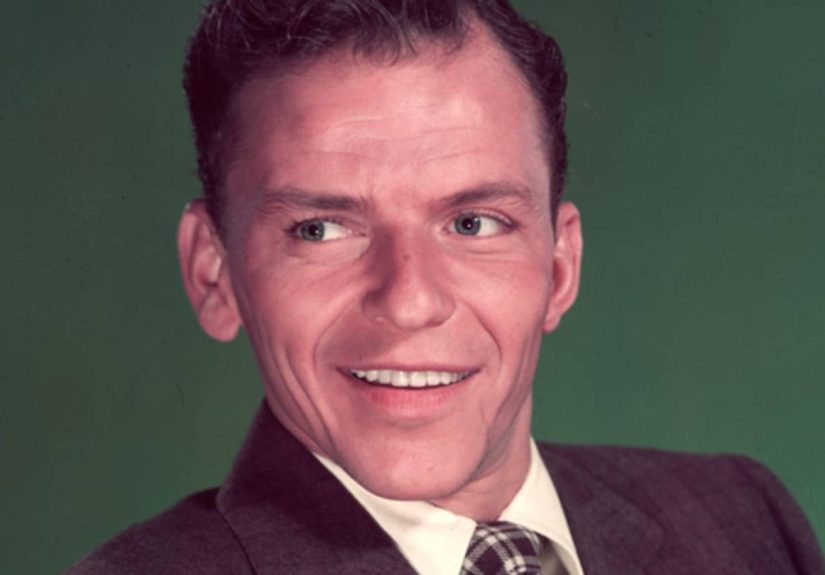
But behind the familiar nicknamesOl’ Blue Eyes, The Voice, Chairman of the Boardthere was a complicated, ambitious, funny, stubborn, generous, temperamental, and endlessly watchable human being. Frank Sinatra was not just a singer with a microphone. He was a cultural engine: a pop idol before rock stars, an actor who clawed his way back from career disaster, a record-label founder, a political fundraiser, a Las Vegas legend, and a master of phrasing who could make a lyric sound like he had just thought of it while leaning against a streetlamp.
Here are 15 things you might not know about Frank Sinatra, including surprising details about his childhood, music career, movie comeback, friendships, reputation, and lasting influence on American entertainment.
1. Frank Sinatra’s Birth Was So Difficult That He Was Almost Given Up for Dead
Francis Albert Sinatra was born on December 12, 1915, in Hoboken, New Jersey, to Italian immigrant parents. His arrival was not exactly the soft-focus Hollywood beginning one might expect for a future superstar. Sinatra’s birth was difficult, and forceps were used during delivery. The procedure left visible scars on his face and neck, and family stories often described the newborn as having been in serious danger before he finally cried.
Those early scars followed him into childhood. Long before he became famous for his piercing blue eyes and perfect stage lighting, young Frank reportedly dealt with the teasing that came with being a skinny kid marked by a rough entrance into the world. In a strange way, that origin story fits the Sinatra legend: dramatic, a little bruised, and absolutely determined to make noise.
2. His Birth Name Was Reportedly Recorded Incorrectly
One of the stranger Frank Sinatra facts involves paperwork. His birth certificate reportedly recorded his name incorrectly as “Frank Sinestro,” a clerical error that was later corrected. It is a tiny detail, but it adds a wonderfully human note to the story of a man who would become one of the most recognizable names in music history.
Imagine being so famous that the world knows your name by instinctthen learning that the first official record of it fumbled the spelling. Luckily, “Sinatra” had better rhythm anyway. “Ladies and gentlemen, Frank Sinestro” sounds less like a crooner and more like a villain who monologues near a volcano.
3. His Teenage Nickname Was “Scarface”
Before “Ol’ Blue Eyes,” there was a much less glamorous nickname: “Scarface.” The marks left from his difficult birth made him self-conscious as a young man, especially in an era when image mattered deeply in entertainment. Sinatra later became associated with elegance, tuxedos, stage confidence, and camera-ready cool, but his early years were shaped by insecurity as much as swagger.
This matters because Sinatra’s confidence was not accidental. It was built. He learned how to control a room, how to angle his face, how to stand under a spotlight, and how to turn vulnerability into style. His best singing often worked the same way. Under the smooth surface, there was a little ache. That ache made the glamour believable.
4. Bing Crosby Helped Inspire Him to Become a Singer
Frank Sinatra grew up listening to popular singers, but Bing Crosby made a particularly strong impression on him. Crosby’s relaxed vocal style showed Sinatra that a singer did not have to shout like a stage performer to connect with an audience. The microphone had changed everything. A vocalist could sound intimate, conversational, and emotionally closealmost as if singing directly to one person.
Sinatra took that lesson and sharpened it. Where Crosby could seem easygoing and warm, Sinatra brought nervous energy, drama, and emotional precision. He made longing sound expensive. He made heartbreak sound like it had ordered room service. His great gift was making a song feel personal without making it feel small.
5. He Got an Early Break Because He Had a Car
In the 1930s, Sinatra joined a local vocal group that became known as the Hoboken Four. The group appeared on Major Bowes’ Amateur Hour, a hugely popular radio talent show, and won a competition that helped launch them into touring work. But one amusing detail often attached to the story is that Sinatra’s usefulness was not only musical. He had access to a car.
That may sound funny now, but in the Depression-era entertainment world, transportation could be a serious advantage. Sinatra was ambitious, available, and mobile. The Hoboken Four gave him his first taste of national attention, but it did not take long for his personality and voice to push him toward the front. Subtlety was not his default setting.
6. He Never Learned to Read Music Fluently
One of the most surprising things about Frank Sinatra is that he never became a fluent reader of music in the formal sense. Yet he possessed an extraordinary ear, a sharp memory, and a deep instinct for phrasing. He understood songs from the inside out, even if he did not approach them like a conservatory-trained musician.
That distinction is important. Sinatra was not simply “winging it.” He studied lyrics, arrangements, breath, tempo, and emotional emphasis with obsessive care. He knew where a line should bend, where a pause should land, and when a quiet phrase could do more damage than a big note. His genius was interpretive. He did not just sing standards; he redesigned them emotionally.
7. Tommy Dorsey’s Trombone Influenced Sinatra’s Breathing
Sinatra’s time with bandleader Tommy Dorsey was one of the most important training periods of his career. Dorsey was a brilliant trombonist known for smooth, seemingly endless musical lines. Sinatra studied that sound closely and tried to adapt the feeling of Dorsey’s breath control to his own singing.
This became one of Sinatra’s trademarks. He could stretch a lyric across a phrase in a way that felt effortless, even when the technique underneath was anything but casual. That long-lined style helped him sound conversational and dramatic at the same time. He did not simply hit notes; he carried sentences. In Sinatra’s hands, breathing became part of the storytelling.
8. He Was a Pop Idol Before the Rock-and-Roll Era
Long before Elvis Presley shook television screens and the Beatles sent teenagers into orbit, Frank Sinatra caused scenes of fan hysteria. In the 1940s, his young female fansoften called “bobby-soxers”screamed, swooned, and crowded theaters to hear him sing. His appearances could create chaos, including the famous fan frenzy around New York’s Paramount Theatre.
This is one reason Sinatra is so important to pop culture history. He helped invent the modern teen idol. He showed the entertainment industry that a singer’s appeal could go beyond records and radio. Personality, image, vulnerability, romance, and fan identification could become a full-scale cultural event. In other words, before boy bands had choreography and social media teams, Sinatra had a bow tie and a tidal wave of teenagers.
9. His Career Nearly Collapsed in the Early 1950s
Today, Sinatra’s fame can seem inevitable, but it was not. By the early 1950s, his career was in serious trouble. His record sales had weakened, his voice had suffered, changing musical tastes were working against him, and his turbulent personal life kept him in gossip columns. Many people in the industry thought he was finished.
That low point is what makes his comeback so remarkable. Sinatra did not drift gently back into popularity; he fought his way there. He pushed for the role of Angelo Maggio in the 1953 film From Here to Eternity, a part that helped change his public image. The performance won him the Academy Award for Best Supporting Actor and gave his career a second life. Not bad for a man some people had already mentally packed into show-business storage.
10. His Oscar Win Was More Than a Movie Award
Sinatra’s Academy Award for From Here to Eternity was not just a trophy; it was a public resurrection. The role of Maggio allowed him to show grit, humor, pain, and vulnerability. Audiences who knew him mainly as a crooner saw that he could act with real force.
The win also changed how Hollywood viewed him. He went on to appear in a range of films, including musicals, dramas, war films, and thrillers. His later performance in The Man with the Golden Arm brought further respect for his dramatic ability. Sinatra never stopped being a singer first in the public imagination, but his film career proved that his talent was not trapped behind a microphone.
11. He Starred in an Anti-Intolerance Short Film
In 1945, Sinatra appeared in The House I Live In, a short film that argued against religious and racial intolerance in America. The film combined dialogue and song, presenting Sinatra as a voice of unity at a time when the country was emerging from World War II and confronting prejudice at home.
The short won an honorary Academy Award and was later selected for preservation in the National Film Registry. It is an important reminder that Sinatra’s public image included more than nightlife, romance, and celebrity friendships. He also used his platform, especially in the 1940s, to speak for tolerance and inclusion. For a man often remembered through smoky clubs and tuxedos, this civic-minded side deserves more attention.
12. His Capitol Records Albums Helped Define the “Concept Album”
When Sinatra signed with Capitol Records in the 1950s, he entered one of the richest creative periods of his career. Working with arrangers such as Nelson Riddle, Gordon Jenkins, and Billy May, he helped shape albums that felt unified in mood, theme, and emotional direction.
Albums like In the Wee Small Hours, Songs for Swingin’ Lovers!, and Frank Sinatra Sings for Only the Lonely were not random bundles of songs. They created worlds. One album might sit alone at 2 a.m. with a cigarette and regret; another might throw open the curtains and stroll down the boulevard like it owned the pavement. Sinatra understood the album as an experience, not just a container. That approach influenced generations of singers and recording artists.
13. He Founded Reprise Records to Gain Creative Control
In 1960, Sinatra founded Reprise Records, partly because he wanted more control over his music. The label became associated with artist freedom, an idea that was not as common in the record business at the time as it would later become. Sinatra was not only a performer; he was also thinking like an owner.
That move says a lot about his personality. Sinatra did not enjoy being handled, limited, or told to stay in a neat little lane. With Reprise, he could choose material, collaborate with major arrangers, and build a business structure around creative independence. The label later became part of the Warner Bros. music empire, but its origins are pure Sinatra: bold, stubborn, and dressed better than most corporate strategies.
14. “My Way” Was Not His Favorite Song to Sing
To many listeners, “My Way” is the ultimate Frank Sinatra anthem: proud, reflective, dramatic, and impossible to sing at karaoke without accidentally declaring yourself mayor of the room. But Sinatra himself was not always thrilled by the song. He reportedly grew tired of performing it and felt uneasy about how self-important it could sound.
That tension is fascinating because “My Way” became one of his signature songs despite his mixed feelings. It also shows how audiences can take ownership of a performer’s work. Sinatra may have had reservations, but listeners heard a life statement. The song became a cultural ritual for retirements, funerals, finales, and anyone who has ever looked back at a questionable decision and decided to call it “character.”
15. The Rat Pack Image Was Only One Piece of His Life
Sinatra is often linked with the Rat Pack: Dean Martin, Sammy Davis Jr., Peter Lawford, Joey Bishop, Las Vegas stages, inside jokes, and oceans of midcentury cool. That image remains powerful because it is stylish and easy to package. But Sinatra’s life was much bigger than the Rat Pack mythology.
He was a son of Hoboken, a big-band vocalist, a wartime-era heartthrob, a movie actor, a recording innovator, a label founder, a political figure, a philanthropist, and a sometimes controversial public personality. He received major honors including the Kennedy Center Honors, the Presidential Medal of Freedom, and the Congressional Gold Medal. He was admired, criticized, imitated, investigated, celebrated, and mythologized. The tuxedo was real, but it was not the whole man.
Why Frank Sinatra Still Matters
Frank Sinatra’s staying power comes from more than nostalgia. His recordings still work because they are built on emotional intelligence. He knew how to make a lyric feel lived-in. When he sang about loneliness, he did not sound like he had read about it in a brochure. When he sang about confidence, he made swagger feel like a survival skill. When he sang about love, he often sounded like he already knew how badly things might go, but had ordered champagne anyway.
His influence can be heard in traditional pop singers, jazz vocalists, nightclub performers, film actors who cross into music, and modern artists who treat phrasing as seriously as vocal range. Sinatra did not have the biggest voice in the technical sense, but he had one of the most recognizable voices in American history. More importantly, he knew what to do with it.
Experiences That Make Frank Sinatra Feel Surprisingly Current
Spending time with Sinatra’s work today can feel less like studying an old celebrity and more like entering a perfectly designed mood. One of the best ways to understand him is not to start with a greatest-hits playlist while multitasking through emails. Sinatra rewards atmosphere. Put on In the Wee Small Hours late at night, when the house is quiet and the world has stopped sending notifications. Suddenly, the album makes sense. It is not background music; it is emotional architecture. Every pause feels placed. Every phrase seems to know exactly how disappointment sits in the chest.
For a completely different experience, play Songs for Swingin’ Lovers! on a weekend morning. The same singer who sounded crushed at midnight now sounds like he has a fresh shave, a good suit, and unreasonable confidence in the weather. That contrast is part of Sinatra’s magic. He understood that style was not one mood. Style could be heartbreak, charm, wit, defiance, or a grin delivered three seconds before trouble.
Watching Sinatra’s films adds another layer. From Here to Eternity shows why his comeback was not just lucky casting. He brought hunger to the screen. In The Manchurian Candidate, he appears in a darker, stranger political thriller that still feels sharp. Even when the films around him vary in quality, Sinatra is rarely dull. He has the quality all movie stars need: you want to know what he is thinking, especially when he is pretending not to care.
Visiting places associated with Sinatra can also deepen the story. Hoboken gives you the origin: working-class streets, immigrant ambition, and the nearby glitter of Manhattan across the river. Las Vegas gives you the myth: neon, tuxedos, casino rooms, and the Rat Pack glow. Palm Springs gives you the private style: midcentury architecture, desert light, and the sense that relaxation can be designed with a swimming pool and a very serious bar cart.
Sinatra is also a useful listening exercise for anyone who loves music. Try comparing two versions of the same standard by different singers. Notice how Sinatra handles a lyric. He often delays a word slightly, leans into a consonant, or softens a line instead of powering through it. He makes interpretation feel like conversation. That is why his recordings remain valuable even in an age of huge vocal runs and digital perfection. Sinatra reminds us that singing is not only about what the voice can do. It is about what the voice can make the listener feel.
And yes, there is the karaoke test. Many people attempt “My Way” as if volume alone can carry them to glory. It cannot. Sinatra’s secret was control. The drama works because he holds back before he lets go. That may be the most practical Sinatra lesson of all: confidence is more powerful when it has timing.
Conclusion
Frank Sinatra remains one of the most fascinating figures in American entertainment because he was never just one thing. He was a singer who became a cultural movement, an actor who rebuilt his career with one unforgettable role, a businessman who wanted creative control, and a public figure whose life mixed glamour with controversy. The best Frank Sinatra facts reveal a man who understood reinvention before it became a modern celebrity requirement.
His story still matters because it shows how talent, discipline, image, timing, and resilience can combine into something larger than fame. Sinatra made songs feel like personal confessions and public events at the same time. That is why people still listen, still imitate the phrasing, still wear the fedora for fun, and still discover that behind the myth was a serious artist with a sharp ear and an even sharper instinct for survival.