Table of Contents >> Show >> Hide
- Why Propagate Plants Right Now?
- The Basic Propagation Toolkit
- Best Plants to Propagate Right Now
- 1. Mint, Lemon Balm, Oregano, Thyme, Sage, and Rosemary
- 2. Basil and Coleus
- 3. Hydrangeas
- 4. Japanese Kerria and Other Suckering Shrubs
- 5. Hostas, Daylilies, Bee Balm, Asters, and Ornamental Grasses
- 6. Sedum and Other Succulents
- 7. Pothos, Philodendron, Spider Plant, and Tradescantia
- 8. African Violets and Begonias
- 9. Strawberries
- 10. Geraniums, Impatiens, and Fuchsias
- How to Take Stem Cuttings Successfully
- How to Divide Perennials Without Creating Plant Soup
- Layering: The Lazy Gardener’s Secret Weapon
- Common Propagation Mistakes to Avoid
- Propagation Experiences: What Actually Works in a Real Garden
- Conclusion: Your Garden Is Already Full of Free Plants
There are two kinds of gardeners in the world: the ones who buy one plant and the ones who look at that plant and whisper, “Excellent. Now make me twelve more.” If you are in the second groupor you would like to beplant propagation is your ticket to a fuller garden without giving your wallet a dramatic fainting spell.
Propagating plants simply means making new plants from the ones you already have. Sometimes you take a cutting. Sometimes you divide a clump. Sometimes you pin a stem to the soil and let nature do the paperwork. The best part? Spring into early summer is one of the most exciting windows for propagating many garden plants, herbs, houseplants, and soft-stemmed ornamentals. New growth is active, temperatures are warming, and plants are basically shouting, “I’m awake! Take a snippet!”
This guide focuses on the best plants to propagate right now, especially for home gardeners in the United States. You will find practical methods, plant examples, timing tips, and a few hard-won lessons from the muddy-kneed school of gardening. No greenhouse required. No wizard robe required. Though if you own one, gardening in it is between you and the neighbors.
Why Propagate Plants Right Now?
Late spring and early summer are prime time for many propagation projects because plants are actively growing. Soft new stems root more readily than old woody material, many perennials are easy to divide before heat stress arrives, and outdoor conditions are friendly enough for young plants to settle in before summer gets bossy.
Propagating right now can help you:
- Fill bare garden beds without buying dozens of new plants
- Create backups of favorite flowers, herbs, and houseplants
- Share “passalong plants” with friends, neighbors, and family
- Rejuvenate crowded perennials so they bloom better
- Experiment with new garden designs for almost no cost
The golden rule is simple: take material from healthy plants only. If a plant looks diseased, badly stressed, or suspiciously crunchy, do not use it as your parent plant. Propagation is cloning in many cases, and cloning a problem plant is like photocopying a typoyou just get more of the same trouble.
The Basic Propagation Toolkit
You do not need a professional nursery setup to make more plants. A small collection of simple tools will handle most home propagation jobs.
Helpful Supplies
- Clean pruners or sharp scissors
- A small knife for divisions or trimming stems
- Small pots, cell trays, or reused nursery containers with drainage holes
- Fresh, sterile seed-starting mix or propagation mix
- Perlite, vermiculite, or coarse sand for extra drainage
- Rooting hormone for woody or slower-rooting cuttings
- Plant labels and a pencil
- A clear plastic bag, humidity dome, or recycled plastic container
- A watering can or spray bottle
Cleanliness matters. Wash pots before reusing them, avoid garden soil for cuttings, and sanitize tools if you are moving between plants. Young cuttings are tender little optimists; do not introduce them to fungus, rot, or mysterious pot gunk on day one.
Best Plants to Propagate Right Now
Some plants are generous. Some are dramatic. Some act like you have insulted their ancestors if you divide them. Start with the easy crowd first. These plants are commonly successful for home gardeners and are ideal for spring and early-summer propagation projects.
1. Mint, Lemon Balm, Oregano, Thyme, Sage, and Rosemary
Herbs are some of the most rewarding plants to propagate because they grow quickly and earn their keep in the kitchen. Mint and lemon balm can be divided or layered. Thyme, sage, and rosemary often root from stem cuttings or layering. Oregano can usually be divided when clumps are established.
For soft herb cuttings, snip a 3- to 5-inch piece just below a node, remove the lower leaves, and place it in moist propagation mix. Keep it bright but out of direct afternoon sun. Basil, mint, and coleus often root easily in water, but soil-rooted cuttings usually transition better to pots and beds.
Garden tip: mint is enthusiastic. That is the polite word. Propagate it, yes, but grow it in a container unless you want it to begin a slow annexation of the neighborhood.
2. Basil and Coleus
Basil and coleus are the “confidence boosters” of plant propagation. They root so readily from stem cuttings that they make beginners feel like botanical geniuses. Take a cutting with several nodes, remove leaves from the lower portion, and root in water or a moist soilless mix.
Once roots are visible and the cutting begins pushing new growth, pot it up. For basil, pinch the growing tip after it settles in to encourage a bushier plant. For coleus, regular pinching keeps the plant full and colorful instead of leggy and emotionally complicated.
3. Hydrangeas
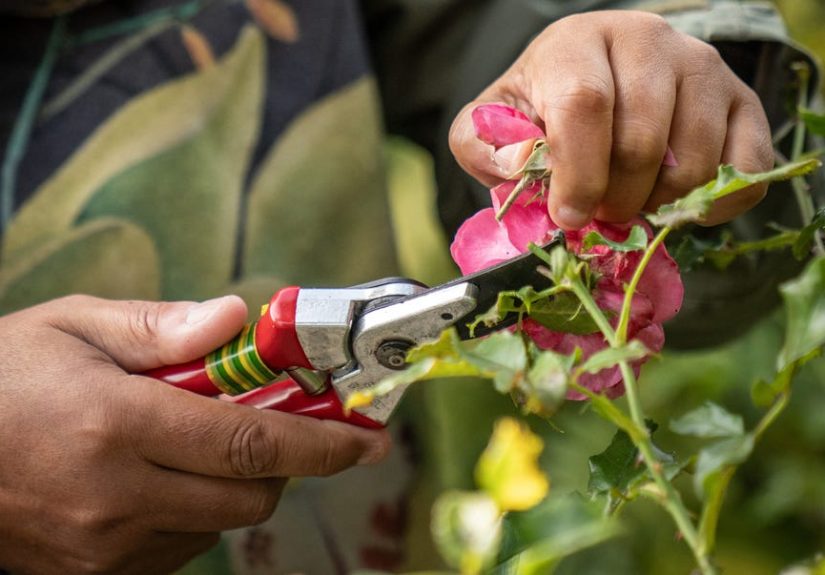
Hydrangeas are excellent candidates for softwood cuttings in late spring through early summer. Choose a green, non-flowering stem, cut below a node, remove the lower leaves, and place the cutting in moist, light propagation mix. Rooting hormone can improve success, especially if you are working with shrub cuttings.
Keep hydrangea cuttings humid, warm, and in bright indirect light. Avoid direct sun, which can cook a cutting faster than a sidewalk in July. New roots may take several weeks, so patience is part of the recipe.
4. Japanese Kerria and Other Suckering Shrubs
Some shrubs make propagation almost suspiciously easy because they sucker from the base. Japanese kerria, for example, can be propagated from softwood cuttings in late spring to early summer or by digging rooted suckers from the edge of the plant.
The sucker method is wonderfully straightforward: find a small shoot with roots attached, dig carefully, and replant it in a prepared spot or pot. Water it well until established. This is the garden version of moving a teenager into their first apartment, except the shrub usually complains less.
5. Hostas, Daylilies, Bee Balm, Asters, and Ornamental Grasses
Many perennials can be propagated by division. If a clump has grown crowded, has a dead-looking center, blooms less than it used to, or is elbowing nearby plants like it owns the place, division may help.
Spring is especially useful for dividing fall-blooming perennials, while spring-blooming perennials are often better divided after they finish flowering or in fall. Still, gardeners often divide when the plant is not actively blooming because the plant can focus energy on rebuilding roots and leaves.
To divide a perennial, water it the day before, dig around the root zone, lift the clump, and separate it into sections with healthy roots and shoots. Replant promptly, water deeply, and mulch lightly. Do not make divisions too tiny; a division with three to five shoots usually rebounds better than a sad little sprig that looks like it needs a motivational podcast.
6. Sedum and Other Succulents
Sedum, jade plants, echeveria, and many succulents can be propagated from leaves or stem pieces. Let succulent cuttings dry and callus for a day or two before placing them on or into a gritty potting mix. This helps reduce rot.
Succulents do not need the same high humidity as leafy cuttings. In fact, putting succulent leaves under a steamy plastic dome can turn them into compost with ambitions. Give them bright light, good airflow, and restrained watering.
7. Pothos, Philodendron, Spider Plant, and Tradescantia
Houseplants are perfect propagation candidates because you can practice indoors, away from wind, squirrels, and the neighbor’s curious Labrador. Pothos, philodendron, and tradescantia root easily from stem cuttings that include at least one node. Spider plants practically hand you baby plants on little stems, as if they are running a nursery franchise.
Place cuttings in water or moist potting mix. For water rooting, change the water every few days and pot the cutting when roots are about an inch or two long. For soil rooting, keep the medium evenly moist, not soggy.
8. African Violets and Begonias
African violets and many begonias can be propagated from leaf cuttings. Cut a healthy leaf with a short leaf stalk, insert the stalk into moist propagation mix, and keep it humid in bright indirect light. Eventually, tiny new plants form at the base.
This is not the fastest method, but it is delightful. Few gardening moments are as charming as seeing baby plants emerge from a single leaf. It feels like a magic trick performed by someone very small and green.
9. Strawberries
Strawberries naturally produce runners that form daughter plants. Instead of letting them root wherever they please, guide the runners into open spaces or small pots filled with potting mix. Press the young plant gently against the soil and keep it watered until roots form.
Once the daughter plant is rooted, cut the runner connecting it to the mother plant. You now have a new strawberry plant. Congratulations: your dessert has begun self-replicating.
10. Geraniums, Impatiens, and Fuchsias
Tender annuals and patio plants such as geraniums, impatiens, and fuchsias can often be propagated from stem cuttings. Choose healthy, non-flowering shoots when possible. Remove lower leaves, insert the cutting into a light rooting medium, and keep humidity high until roots form.
These plants are especially useful to propagate before the season changes, but spring and summer cuttings can also help you fill containers, refresh porch planters, or create backups of favorite colors.
How to Take Stem Cuttings Successfully
Stem cuttings are the bread and butter of free-plant gardening. The process is simple, but a few details make a big difference.
- Choose healthy new growth. Avoid stems with flowers, pests, yellowing leaves, or disease symptoms.
- Cut below a node. Nodes are the little joints where leaves attach. Roots often form more readily near nodes.
- Keep cuttings short. Many cuttings do well at 3 to 6 inches long. A giant cutting may wilt because it has too much leaf area and not enough root support.
- Remove lower leaves. No leaves should sit below the soil line, where they may rot.
- Use fresh propagation mix. It should hold moisture but drain well enough to provide oxygen.
- Add humidity. Cover leafy cuttings with a clear bag or dome, but keep plastic from touching the leaves.
- Place in bright indirect light. Direct sun can overheat and dehydrate cuttings.
- Check moisture often. Keep the mix damp, not swampy.
You can test for roots by tugging very gently after a couple of weeks. Resistance usually means roots are forming. Do not yank like you are starting a lawn mower. Cuttings appreciate subtlety.
How to Divide Perennials Without Creating Plant Soup
Division is ideal for clump-forming perennials. It is also a useful way to revive older plants that have stopped blooming well or developed a bare center.
Simple Division Steps
- Water the plant well the day before dividing.
- Choose a cloudy day or work in the morning to reduce stress.
- Dig widely around the plant to preserve as many roots as possible.
- Lift the clump and shake or rinse off enough soil to see the roots.
- Separate sections by hand, with two garden forks, or with a clean knife or spade.
- Keep only healthy outer growth if the center is woody, dead, or weak.
- Replant divisions at the same depth they were growing before.
- Water thoroughly and keep the soil consistently moist while roots reestablish.
Label divisions immediately. In spring, many perennials look like identical green nubs. Without labels, you may create a mystery bed, which sounds charming until your “compact border” becomes six feet tall and blocks the mailbox.
Layering: The Lazy Gardener’s Secret Weapon
Layering is a propagation method where a stem grows roots while still attached to the parent plant. It is excellent for flexible herbs and shrubs such as thyme, rosemary, sage, lemon balm, and some low-growing woody plants.
Bend a flexible stem to the soil, gently wound or scrape a small section if appropriate, bury that portion a few inches deep, and pin it down with a landscape staple, bent wire, or small stone. Keep the area moist. After roots form, cut the new plant from the parent and transplant it.
Layering is slower than some cuttings, but it is reliable because the parent plant continues feeding the stem while roots develop. In other words, the baby plant stays on the family phone plan until it can pay its own bills.
Common Propagation Mistakes to Avoid
Propagation is forgiving, but it is not completely foolproof. If your cuttings fail, do not panic. Every gardener has produced at least one tray of botanical sadness.
Too Much Water
Soggy media causes rot. Cuttings need moisture and oxygen. Use containers with drainage holes and a light mix that does not compact.
Too Much Sun
Fresh cuttings cannot replace water quickly because they do not yet have roots. Direct sun can wilt them fast. Bright indirect light is safer.
Dirty Tools or Old Soil
Reused garden soil may carry diseases or pests. Fresh sterile mix gives cuttings a cleaner start.
Starting With Weak Plants
Only propagate from vigorous, healthy parent plants. Avoid plants with spotted leaves, mushy stems, severe pest infestations, or unexplained decline.
Forgetting Labels
Always label your cuttings and divisions. “I’ll remember” is one of gardening’s funniest lies.
Propagation Experiences: What Actually Works in a Real Garden
The most useful propagation lesson I have learned is this: start more cuttings than you think you need. Not because propagation is difficult, but because plants enjoy keeping gardeners humble. If you want three new hydrangeas, take six cuttings. If all six root, congratulationsyou now have gifts, backups, or a reason to expand the garden bed you promised yourself you would not expand again. We have all heard that promise. The shovel is laughing.
Herbs are the best place to begin. Mint, basil, oregano, and lemon balm root so easily that they can turn a hesitant gardener into a propagation evangelist by lunchtime. I like to take basil cuttings before the plant flowers, root them in a glass on the kitchen windowsill, and pot them once roots form. The bonus is that the kitchen starts smelling like dinner has potential. Mint is just as simple, but I always move it to a container. A tiny mint cutting in open ground can become a lifestyle choice.
Perennial division teaches a different kind of patience. The first time you dig up a hosta or daylily clump, it can feel wrong, almost rude. There it is, minding its own leafy business, and suddenly you arrive with a spade and big plans. But after division, many overcrowded plants look better, bloom better, and give you several new plants for empty spots. The key is watering before and after. A freshly divided perennial should not be tossed into dry soil and told to “figure it out.” Give it moisture, mulch, and a little dignity.
Softwood shrub cuttings, such as hydrangea or kerria, are where I learned that humidity is not optional. A cutting may look fine for two days and then collapse like it just read its own tax bill. A simple clear plastic bag over the pot can make a huge difference, as long as the bag does not touch the leaves and the cutting is not sitting in direct sun. I also learned to remove extra leaves. A cutting with too much foliage loses water quickly. Two or three trimmed leaves are often plenty.
Houseplants are excellent practice because you can watch roots develop up close. Pothos and philodendron cuttings in water are especially satisfying, though I prefer moving them into potting mix before the water roots become extremely long. Spider plants are even easier. The mother plant produces little plantlets, and all you have to do is root them. It feels less like gardening and more like accepting a delivery.
Finally, do not underestimate the emotional value of passalong plants. A divided daylily from a neighbor, a begonia leaf from a friend, or a strawberry runner from a family garden carries a story. Free plants are wonderful, but plants with a memory attached are better. They make the garden feel less like a collection and more like a living scrapbookone that occasionally needs pruning and tries to trip you with a hose.
Conclusion: Your Garden Is Already Full of Free Plants
Plant propagation is one of the most satisfying skills a gardener can learn. It saves money, builds confidence, and helps you see your garden differently. That overgrown clump of daylilies is not a problem; it is a future border. That basil stem is not kitchen scrap; it is tomorrow’s pesto factory. That strawberry runner is not wandering; it is volunteering.
Start with easy plants, use clean tools, keep cuttings moist but not soggy, and give young plants gentle light while they root. Some attempts will fail, because plants are living things and occasionally have opinions. But many will succeed, and each success turns one plant into many. Before long, you will be filling beds, sharing pots, and saying dangerous things like, “I can totally make room for one more.”