Table of Contents >> Show >> Hide
- Why clean fingernails matter (beyond looking nice)
- Way 1: Keep nails short, smooth, and “dirt-resistant”
- Way 2: Wash hands like you mean itespecially under the nails
- Way 3: Build clean-nail habits in real life (where dirt actually happens)
- Quick Clean-Nail Checklist (steal this)
- Conclusion
- Experiences & Lessons Learned (about )
Fingernails are basically tiny shelves. They hold onto dirt, cooking spices, garden soil, grease from your phone,
and whatever mystery substance lives on shopping cart handles. The good news: you don’t need a 12-step spa ritual
or a microscope to keep nails clean. You need a few simple habits that work in the real worldlike when you’re
rushing, tired, or pretending you “totally didn’t” just peel a sticker off something.
This guide breaks nail hygiene down into three practical ways to keep your fingernails cleanwithout shredding
your nail beds, over-washing your hands into sandpaper, or turning your bathroom into a nail-tool museum.
Why clean fingernails matter (beyond looking nice)
Keeping fingernails clean isn’t just about aesthetics. Dirt and germs can build up under nails, and broken skin
around the nail (like torn cuticles or hangnails) can make it easier for bacteria or fungi to cause an infection.
If you cook, garden, work with kids, handle pets, or bite your nails when life gets dramatic, clean nails become
a small habit with a big payoff.
Also: clean nails make handwashing more effective. If you wash your hands but ignore what’s under your nails,
you’re basically cleaning the floor and leaving the crumbs under the couch. (The crumbs are still there. They’re
judging you.)
Way 1: Keep nails short, smooth, and “dirt-resistant”
If you only do one thing for clean nails, do this: keep them at a practical length and keep the edges smooth.
Shorter nails trap less grime and are easier to scrub clean. Smooth edges snag less, which means fewer tears,
fewer hangnails, and fewer “I swear it caught on air” moments.
Trim often (and trim smart)
Aim for “functional short,” not “stressed-out barber with a clipper.” Trim regularlyweekly for many people,
or more often if your nails grow fast or you do messy work. Cut nails mostly straight across, then soften the
corners slightly so they don’t catch on fabric or scratch skin.
- Best time to trim: after a shower or handwash, when nails are slightly softer (but not soggy).
- Best tools: a sharp nail clipper or manicure scissors you actually trust.
- Best vibe: calm, not “late for school/work and doing this in the car.”
File the edge so dirt has fewer places to hide
A jagged nail edge is basically Velcro for lint and dirt. After trimming, file in one direction to smooth snags.
It’s quick, it helps nails look nicer, and it keeps you from “cleaning” nails by scraping them on random objects
(like credit cards… please don’t).
Don’t cut or aggressively push back cuticles
Cuticles are like the weather stripping around a door: they help keep water, bacteria, and irritants from sneaking
into the nail fold. Cutting them or digging around can create tiny openings that raise infection risk. If you want
a neater look, focus on moisturizing and gently nudging back only if neededand only after softening the skin with
warm water. When in doubt, leave cuticles alone and let lotion do the negotiating.
Clean your grooming tools (yes, even if it’s “just you”)
Clippers and files collect nail dust and skin bitsexactly the stuff germs love. Rinse visible debris off tools,
wash with soap and water, dry thoroughly, and consider wiping metal tools with 70% isopropyl alcohol. Replace worn
emery boards and buffers regularly (porous tools are harder to truly sanitize).
Real-life example: If you trim your nails right after gardening and then toss the clipper back in
the drawer without cleaning it, you’re storing yesterday’s dirt for tomorrow’s manicure. That’s not “reusing.”
That’s “time travel contamination.”
Way 2: Wash hands like you mean itespecially under the nails
Handwashing is the MVP of nail cleanliness, but only if you include the underside of the nails. A quick rinse and
a dramatic shake-off does not count. Think of nail hygiene as “handwashing plus the hidden corners.”
The simple under-nail scrub method (30 seconds, tops)
- Wet hands with clean running water (warm is comfortable, but not mandatory).
- Use soap and build a good lather (palms, backs of hands, between fingers).
- Scrub under nails: rub fingertips against the opposite palm in a circular motion.
- Rinse thoroughly.
- Dry well (especially around nail folds).
This fingertip-to-palm scrub is easy, doesn’t require tools, and hits the place dirt loves most: under the nail
edge. Do it after bathroom trips, before eating, after cooking with raw foods, after pet handling, and anytime
your hands look like they’ve been on an adventure.
Use a nail brush (or a clean toothbrush) the right way
A soft nail brush can be a game-changer if you cook, garden, work in healthcare/childcare, or just have nails that
collect grime like it’s their hobby. The key is “gentle and consistent,” not “scrub until your fingertips file a
complaint.”
- Keep it clean: rinse it after use, let it dry bristles-up, and replace it when it looks worn.
- Use soap: a little hand soap on the brush is enough.
- Be gentle: harsh scrubbing can irritate skin around the nail, leading to cracks.
Pro tip for families: If multiple people use the same sink area, give everyone their own brush
(or keep one brush just for you). Sharing a brush is like sharing a towel: possible, but not ideal.
Dry thoroughly and moisturize so skin doesn’t crack
Wet nail folds and chronically dry skin are both troublemakers. If your hands are constantly wet (washing dishes,
cleaning, salon work, healthcare), moisture can soften skin; if they’re constantly dry (winter air, harsh soap),
skin can crack. Either way, tiny breaks around nails can invite irritation or infection.
After washing, dry carefully around nails. Then moisturizeespecially if you’re prone to hangnails. When you apply
hand lotion, rub a little into the nail folds and around the cuticle area. It’s a 10-second habit that can prevent
a week of “why does my finger hurt when I blink?”
Way 3: Build clean-nail habits in real life (where dirt actually happens)
This is the “behavioral” part of nail hygiene: the small choices that keep nails cleaner between washes and help
prevent the kind of irritation that makes people pick, bite, or over-clean.
Glove up for messy or wet work
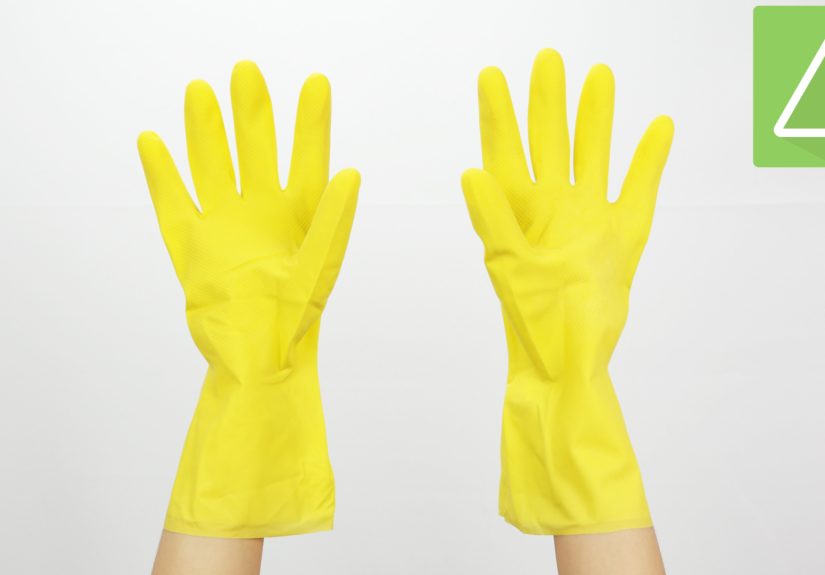
If you do dishes, clean with chemicals, garden, paint, or handle anything grimy, gloves protect nails and skin.
They also keep dirt from getting packed under the nail edge in the first place.
- For dishes/cleaning: consider cotton-lined rubber gloves for comfort.
- For gardening: sturdy gloves stop soil from turning into a nail-bed souvenir.
- For hair dye/chemicals: gloves protect nails from staining and drying.
If gloves feel annoying, try this mental trick: gloves aren’t a chorethey’re a shortcut. They reduce the cleaning
you have to do later.
Stop “nail digging” and biting (your nails are not a multitool)
Biting nails and picking at cuticles are common stress habits, and they can damage the skin barrier around nails.
That damage can make infections more likely and makes nails harder to keep clean (because irritated skin collects
debris and gets inflamed).
Try swapping the habit instead of fighting it head-on:
- Keep a nail file nearby so you can smooth snags immediately (snags trigger picking).
- Use cuticle oil or a thick hand cream so dry skin doesn’t start the “pick me” cycle.
- Chew gum or use a fidget tool during high-stress moments.
Be salon-smart (and at-home manicure-smart)
Clean nails aren’t just about what you do at the sinksalon hygiene matters too. Whether you visit a salon or do
DIY manicures, prioritize clean tools and gentle techniques.
- Don’t let anyone cut your cuticles aggressively. Gentle care is safer than “deep cleaning.”
- Watch the tools. Metal tools should be properly disinfected/sterilized between clients.
- Consider bringing your own tools if you’re unsure about hygiene practices.
- Avoid shaving legs right before a pedicure if you’re also getting foot care (micro-cuts can raise risk).
And at home: if a tool is porous (like some files and buffers), treat it as personal-only and replace it regularly.
If it’s metal, it’s easier to clean and disinfect.
Know when “dirty nails” is actually a health issue
Sometimes nails look “dirty” when the real issue is discoloration or a developing infection. Consider getting
medical advice if you notice:
- Redness, swelling, warmth, or pain around the nail fold
- Pus, crusting, or a pocket of fluid near the nail
- Nails that become thick, crumbly, or consistently discolored
- A cuticle area that stays irritated or “boggy” for weeks
Nail infections (like paronychia around the nail) can happen after picking, biting, hangnails, manicures, or lots
of wet work. Early care is often easier than waiting until it becomes more painful.
Quick Clean-Nail Checklist (steal this)
- Trim nails regularly; file edges smooth.
- Scrub fingertips against your palm every time you wash hands.
- Use a soft nail brush when needed (and keep it clean).
- Dry thoroughly; moisturize nail folds and cuticle area.
- Wear gloves for dishes, cleaning, gardening, and chemicals.
- Avoid biting nails and cutting cuticles.
- Clean your nail tools (clippers, scissors, metal pushers).
Conclusion
Keeping your fingernails clean doesn’t require perfectionit requires a system. Short, smooth nails collect less
grime. Proper handwashing (including under the nail edge) removes what does get in. And protective habits like
gloves, moisturizers, and ditching nail-biting keep your nails cleaner between washes while protecting the skin
barrier that helps prevent infections.
If you want the simplest “starting today” plan: trim and file once a week, scrub fingertips against your palm
every handwash, and moisturize your nail folds at night. That’s it. Three habits. Cleaner nails. Less drama.
Experiences & Lessons Learned (about )
People tend to learn nail hygiene the same way they learn that printers can smell fear: through experience.
Here are a few common “I didn’t realize that mattered” moments that show up again and againplus what actually
helps.
1) The cooking surprise: Many home cooks notice their nails look clean… until they chop turmeric,
knead dough, or handle raw meat packaging. The lesson isn’t “never cook,” it’s “wash smarter.” A quick fingertip
scrub against the opposite palm during handwashing often removes most residue without harsh scraping. Some people
add a soft nail brush near the sink for messy prep days and use it gently with soap for 10–15 seconds.
2) The gardening reality check: Soil packs under nails like it’s paying rent. Gardeners who keep
nails slightly shorter usually report faster clean-up and fewer irritated nail folds. Gloves help, but even with
gloves, dirt sneaks in during planting. A rinse, soap, and under-nail scrub right after gardening keeps grime from
drying and turning into a stubborn “nail tattoo.”
3) The “I used my nail as a tool” regret: Opening cans, peeling stickers, and prying objects with
nails is a classic mistake. People often report a bent nail edge, a painful tear, or a hangnail that becomes a
picking trigger for days. The fix is boring but effective: use an actual tool (key, spoon, opener) and keep a nail
file around so snags don’t become an all-day problem.
4) The winter dryness spiral: In colder months (or air-conditioned offices), nails may stay “clean”
but the skin around them gets dry and cracked. That cracking makes it easier for irritants to sneak inand it
creates rough edges people pick at. Those who apply hand cream at night (including around the cuticles) often say
they pick less and their nails look cleaner because the skin isn’t flaking and catching dirt.
5) The stress habit connection: A lot of nail biting and cuticle picking isn’t about nailsit’s
about stress. People who replace the habit with something else (gum, fidget item, or simply filing rough edges)
often see cleaner nails within weeks. Not because they suddenly gained superhero willpower, but because the
“starting point” for picking (a snag or dry skin) is gone.
6) The “over-cleaning” backfire: Scrubbing too hard or using harsh chemicals to “sanitize” nails can
inflame the nail folds. That irritation can make hands feel worse and sometimes makes nails look messier (redness,
peeling). Many find that gentle soap, short scrubs, thorough drying, and moisturizer is the sweet spot.
7) The salon confidence boost: People who ask simple questions at salonslike how tools are
disinfected, or whether cuticles can be left intactoften feel more in control and have fewer post-manicure issues.
Clean nails aren’t just about sparkle; they’re about protecting the skin barrier that keeps fingers comfortable.
The big takeaway from all these experiences is refreshingly simple: clean nails come from small habits done
consistently. If you mess up a day (hello, barbecue sauce), you’re not “bad at hygiene.” You’re human. Wash well,
scrub under nails gently, and move on with your lifepreferably without using your thumbnail as a screwdriver.