Table of Contents >> Show >> Hide
- 1. Give Your Snake Plant the Right Light (But Don’t Panic About It)
- 2. Water Way Less Than You Think
- 3. Use the Right Soil and Pot (Think “Fast-Draining”)
- 4. Feed and Repot Strategically (Less Is More)
- 5. Keep Leaves Clean and Watch for Pests & Problems
- 6. Think Safety, Style, and Smart Placement
- Real-Life Experiences: What You Learn After Living with Snake Plants
- Conclusion: Your Snake Plant Game Plan
If you’ve ever wanted a houseplant that basically thrives on being ignored, allow me to introduce your new roommate: the snake plant. Also called Sansevieria or mother-in-law’s tongue (we’re not touching that one), this architectural beauty is famously tough, delightfully low maintenance, and stylish enough to work in almost any room.
But “hard to kill” doesn’t mean “impossible to ruin.” Overwatering, sad lighting, and heavy soil can turn those upright, sword-like leaves into a floppy, mushy mess. The good news? Once you understand what snake plants actually like, they’re incredibly forgiving.
These six expert-backed tips will help you keep your snake plant happy, healthy, and looking like the cool, modern sculpture it secretly thinks it is.
1. Give Your Snake Plant the Right Light (But Don’t Panic About It)
Snake plants have a reputation for surviving in that office corner where sunlight goes to die. And it’s truethey tolerate low light better than many houseplants. But “tolerate” is different from “love.” If you want strong growth and crisp, vibrant leaves, aim for bright, indirect light.
A few easy placement ideas:
- Near an east- or north-facing window where the sun is gentle.
- A few feet back from a bright south or west window, not directly in the sunbeam.
- On the floor beside a bright window, especially for tall varieties that like to lean into the light.
Direct, intense sun (especially through hot afternoon windows) can scorch the leaves and leave faded or crispy patches. On the other hand, very low light won’t kill the plant, but it will slow growth to a crawl and may make the leaves stretch and lean.
Light Rule of Thumb
If you can comfortably read a book in that spot in the middle of the day without turning on a lamp, your snake plant will be perfectly content. If you need your phone flashlight? That’s “survival mode,” not “thriving mode.”
2. Water Way Less Than You Think
If snake plants could talk, their number-one request would be: “Please stop watering me so much.” In their native habitats in West Africa, they grow in dry, rocky areas. Indoors, overwatering is the fastest way to cause root rot and mushy, collapsing leaves.
How Often to Water
There’s no universal schedule, but these guidelines work for most homes:
- Spring and summer: About every 2–3 weeks.
- Fall and winter: Every 3–6 weeks, sometimes even less.
Instead of watching the calendar, watch the soil. Stick your finger 1–2 inches into the potting mix:
- If it feels cool or damp, wait.
- If it’s bone dry and crumbly, go ahead and water.
How to Water Properly
- Water at the base of the plant until moisture runs out of the drainage holes.
- Dump any water sitting in the saucer after about 10–15 minutes.
- Avoid watering directly into the center of the rosette (where leaves emerge); trapped water there can cause rot.
If your snake plant’s leaves are turning yellow and feel soft or squishy at the base, that’s usually a sign of too much water, not too little. Crispy brown tips or wrinkled leaves lean more toward underwatering.
3. Use the Right Soil and Pot (Think “Fast-Draining”)
Snake plants don’t like having “wet feet.” Their roots need air pockets and fast drainage to stay healthy. Regular, dense potting soil can hold too much moisture for too long, especially if the plant is in a low-light area.
Best Soil Mix for Snake Plants
Look for a mix labeled for succulents or cacti, or make your own by blending:
- 2 parts high-quality all-purpose potting mix
- 1 part perlite or pumice (for drainage)
- Optional: 1 part coarse sand or orchid bark for extra airflow
Choosing a Pot
- Drainage holes are non-negotiable. No drainage, no snake plant.
- Terracotta pots are a great choice because they help wick moisture away from the soil.
- Pick a pot that’s just 1–2 inches wider than the root ball. Snake plants actually like being slightly root-bound.
When repotting, gently loosen the roots and remove any black, mushy, or foul-smelling sectionsthose are signs of rot. Trim them away with clean scissors and replant in fresh, dry mix.
4. Feed and Repot Strategically (Less Is More)
Snake plants are not heavy feeders. In fact, if you never fertilize them, they’ll probably still live a long, peaceful life. But a little boost during the growing season can help support new, strong leaves.
Fertilizing Your Snake Plant
- Use a balanced, water-soluble houseplant or succulent fertilizer.
- Apply at half-strength once a month in spring and summer.
- Skip fertilizer completely in fall and winter when growth naturally slows.
Too much fertilizer can lead to weak, floppy growth or salt buildup in the soil, which stresses roots. When in doubt, fertilize less, not more.
When to Repot
Snake plants usually need repotting only every 2–3 years, or when you notice:
- Roots circling densely around the edge of the pot.
- Rhizomes (thick, white underground stems) pushing up toward the soil surface.
- The pot bulging, cracking, or the plant trying to escape like an overcaffeinated octopus.
Repot in early spring if possible, moving up just one pot size. If you prefer to keep your plant the same size, you can instead divide itseparating clumps of leaves and rhizomes into multiple pots.
5. Keep Leaves Clean and Watch for Pests & Problems
Those tall, smooth leaves are basically dust magnets. A dull, dusty plant isn’t just less prettydust can block light and slow down photosynthesis, which your plant needs to grow.
Easy Leaf Care
- Wipe leaves gently with a soft, damp cloth every few weeks.
- Avoid leaf-shine sprays; they can clog pores and attract dust.
- Rotate the pot every month or so for even growth and light exposure.
Common Issues to Watch For
- Yellow, mushy leaves: Usually overwatering or poor drainage.
- Wrinkled, folding leaves: Often underwatering or very dry air (or both).
- Brown crispy tips: Low humidity, underwatering, or mineral buildup from hard water or fertilizer.
- Soft, smelly base of leaves: Root or crown rotact fast by removing affected parts and repotting in dry, airy soil.
Pests (Rare but Possible)
Snake plants are pretty pest-resistant, but stressed plants can attract uninvited guests like spider mites, mealybugs, or fungus gnats. If you spot webs, cottony blobs, or tiny flying insects:
- Quarantine the plant away from others.
- Wipe leaves with a mild soapy water solution or use an insecticidal soap according to label directions.
- Let the soil dry more between waterings to discourage gnats.
6. Think Safety, Style, and Smart Placement
Snake plants bring a lot to the table: bold vertical lines, interesting variegation, and a reputation for helping filter indoor air. They’ve even been highlighted in classic research on indoor air-purifying plants.
However, there’s one important safety note: snake plants are considered toxic to cats and dogs if chewed or ingested. They contain natural compounds (saponins) that can cause vomiting, diarrhea, and drooling in pets.
Pet-Friendly Placement Tips
- Place snake plants on plant stands, shelves, or in rooms pets don’t access.
- If you have a curious cat or puppy who eats everything, consider keeping snake plants in off-limits areas.
- Call your vet or a poison control service right away if you suspect your pet has eaten any part of the plant.
Decorating with Snake Plants
Beyond the safety factor, placement is where snake plants really shine. Try:
- A tall snake plant in a sleek pot flanking the TV console or fireplace.
- Shorter varieties on nightstands for a clean, calming look in the bedroom.
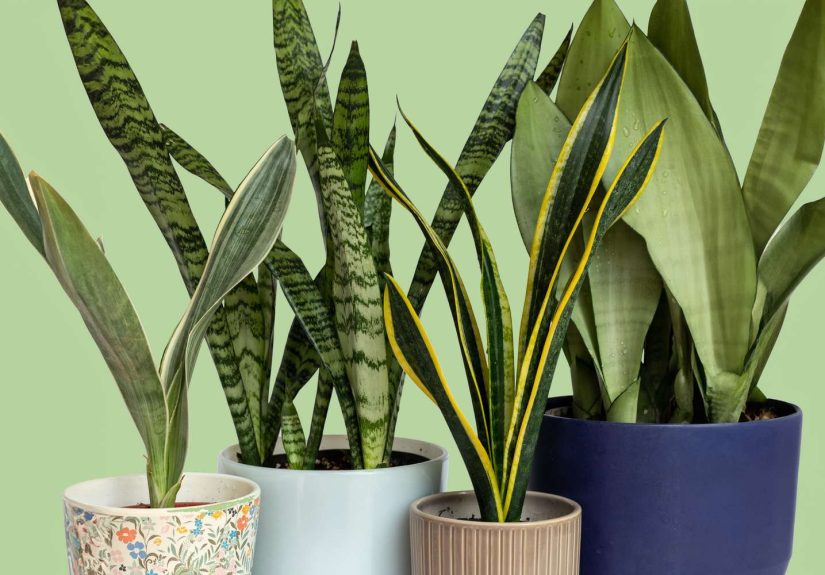
- A trio of different snake plant cultivars grouped together for a mini “indoor jungle” with modern lines.
Because they tolerate lower light and inconsistent watering, they’re perfect for beginners, busy people, or anyone whose New Year’s resolution was “Keep at least one plant alive this year.”
Real-Life Experiences: What You Learn After Living with Snake Plants
On paper, snake plants sound almost too good to be true. In real homes, though, you start to learn the little quirks that don’t always show up on care tags. Here are some lived-in lessons that many plant parents discover after a few years of sharing their space with these tough, vertical divas.
They Really Do Thrive on Neglect… Up to a Point
One of the most common stories you’ll hear is some version of: “I forgot to water my snake plant for a month, and it looked exactly the same.” That’s not an exaggeration. In a stable, indoor environment with average light and temperature, a healthy snake plant can shrug off missed waterings for quite a while.
But there’s a difference between “oops, I skipped a watering” and “this plant is living in a desert.” Extremely long droughts can eventually show up as wrinkled or folded leaves and crispy tips. The trick is to let the soil dry completelybut not to forget the plant exists for half a year. Many experienced owners set a recurring phone reminder to check the soil every few weeks, not necessarily to water, but just to avoid total neglect.
Every Home Has a “Snake Plant Sweet Spot”
Once you have a few snake plants, you’ll probably notice that certain locations make them noticeably happier. Maybe it’s the bright corner near a sheer-curtained window, or a spot across the room from a sliding glass door where they get bright but indirect light.
You’ll see the difference in how quickly new leaves appear and how sturdy those leaves look. In good light, new leaves are often thicker, taller, and stand more upright. In very low light, new growth tends to be slower and can lean or twist more dramatically as it reaches for brightness. Many long-time snake plant owners will tell you they’ve “promoted” their plants to better spots once they realized how much light boosted growth.
Overwatering Is the Mistake Almost Everyone Makes Once
Nearly every seasoned plant parent has a horror story that starts with, “I thought I was being nice…” Snake plants don’t give immediate feedback when they’re unhappy with too much water. The soil might stay wet for days, the plant looks fineand then suddenly the leaves start yellowing or collapsing near the base.
The big lesson? If you’re ever unsure whether to water, don’t. Let the soil dry more. It’s much easier to revive a slightly thirsty snake plant than to rescue one with advanced root rot. Experienced growers also learn to adjust watering frequency with the seasons: that every-two-weeks summer schedule might stretch to every four or even six weeks in winter, especially in lower light.
Propagation Is Weirdly Addictive
Once you’ve had a snake plant for a while, you’ll probably notice thick rhizomes filling the pot and new baby plants (pups) popping up at the edges. At that point, it’s almost impossible not to experiment with propagation. Many owners split their plants during repotting, suddenly turning one large specimen into two or three medium ones.
Others try leaf cuttings in water or soil, which can be surprisingly satisfyingespecially if you’re patient. Watching roots and little new shoots form from a single leaf feels like a tiny science project on your windowsill. Just be prepared: once you start dividing and propagating, you may accidentally become the person who gives away snake plants to friends, neighbors, and coworkers.
They’re the “Gateway Plant” to a Bigger Collection
Because snake plants are so forgiving, many people start with one and realize, “Oh, I can keep plants alive.” That little confidence boost often leads to trying other speciespothos, ZZ plants, philodendrons, and beyond. Snake plants are like the friendly gym trainer who convinces you that yes, you can actually do this.
Even as your collection grows, though, snake plants often stick around as long-term staples. They’re durable enough to move with you from apartment to house, tolerant of shifts in routine, and stylish enough to fit changing decor trends. In other words, they’re not just a starter plant; they’re a lifer.
Conclusion: Your Snake Plant Game Plan
When you strip it down, snake plant care comes down to a few simple principles: give it bright, indirect light when you can, water sparingly only when the soil is completely dry, use fast-draining soil in a pot with drainage, and keep an eye out for subtle changes in the leaves. Add an occasional dusting, a light feeding in the growing season, and thoughtful placement away from nibbling pets, and you’ve basically cracked the code.
Treat your snake plant more like a succulent than a thirsty tropical houseplant, and it will reward you with bold, sculptural foliage for yearswith far less drama than most greenery. Low maintenance, high style: that’s the snake plant promise.
sapo: Snake plants are famous for being nearly indestructible, but they’re not completely foolproof. The secret to those tall, sculptural leaves staying green and gorgeous is understanding how little attention they actually want. In this in-depth guide, you’ll learn six expert-approved tips for watering, lighting, soil, repotting, and troubleshooting, plus real-world care experiences so you can avoid common mistakes. Whether you’re a first-time plant parent or building your indoor jungle, these simple strategies will help your snake plant thrive for years.