Table of Contents >> Show >> Hide
- Before You Start: 5 Rules That Make Iodine Stains Easier to Remove
- Way #1: Remove Iodine from Skin with Rubbing Alcohol and Gentle Washing
- Way #2: Remove Iodine from Washable Clothes with Cold Water, Detergent, and a Targeted Stain Treatment
- Way #3: Remove Iodine from Tile, Counters, and Other Hard Surfaces with a Surface-Safe Cleaner
- Common Mistakes That Make Iodine Stains Worse
- How to Handle Set-In Iodine Stains
- Quick Surface Guide
- Final Thoughts
- Real-Life Experiences Related to Removing an Iodine Stain
Iodine is fantastic at doing its actual job and absolutely overachieving at the side quest of staining everything in sight. A tiny splash of povidone-iodine or another iodine-based antiseptic can turn your skin orange-brown, your shirt into a science project, and your bathroom counter into a dramatic before photo. The good news is that an iodine stain is stubborn, not immortal.
If you move quickly, use the right cleaner for the right surface, and resist the universal urge to scrub like you are auditioning for a cleaning commercial, you can usually fade or fully remove the stain. In this guide, you will learn three practical ways to remove an iodine stain from skin, washable fabric, and hard household surfaces. You will also get troubleshooting tips, common mistakes to avoid, and real-life experiences that make the advice easier to use when you are standing there holding a brown-streaked washcloth and questioning your life choices.
Before You Start: 5 Rules That Make Iodine Stains Easier to Remove
- Act fast. Fresh iodine is easier to lift than a dried, set-in stain.
- Blot first, do not rub. Rubbing can spread the stain deeper or wider.
- Spot-test first. Always test any cleaner on a hidden area of fabric or surface.
- Use one cleaner at a time. Rinse between attempts and never mix random cleaning products.
- Keep heat away until the stain is gone. A hot dryer can set a stain and make your future self very unhappy.
Way #1: Remove Iodine from Skin with Rubbing Alcohol and Gentle Washing
If the iodine stain is on your hands, arms, or other intact skin, this is usually the easiest fix. Rubbing alcohol works well because iodine preparations often dissolve better when loosened with alcohol. That said, this method is for surface staining on intact skin, not for open wounds, irritated skin, or healing incisions.
What You Need
- Rubbing alcohol
- Cotton ball, gauze, or a soft cloth
- Mild soap
- Lukewarm water
- Moisturizer, optional
How to Do It
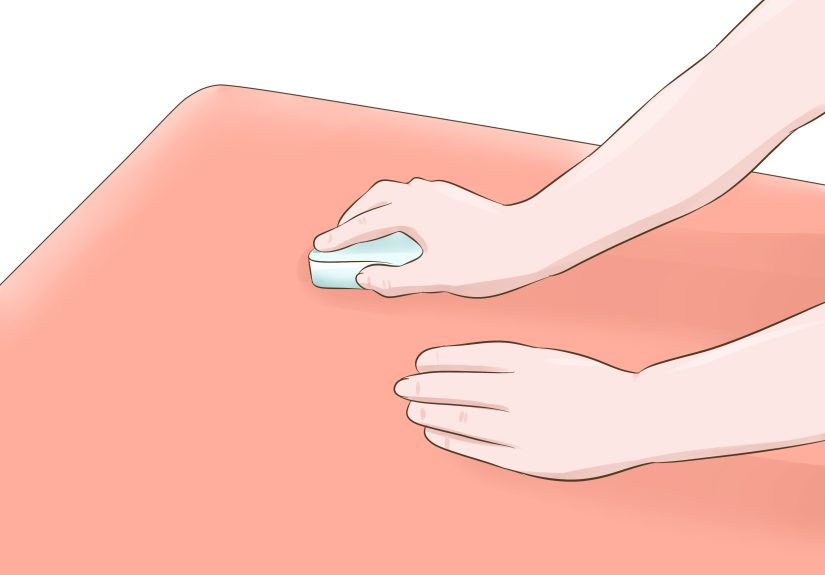
- Pour a small amount of rubbing alcohol onto a cotton ball or soft cloth.
- Gently wipe the stained skin. Do not scrub aggressively.
- As the stain begins to lift, switch to a clean area of the cloth or a fresh cotton ball.
- Wash the area with mild soap and lukewarm water.
- Pat dry. Add moisturizer if your skin feels dry.
Why This Works
Iodine stains are not quite like ordinary dirt. They cling to skin and leave behind a colored residue that can look more permanent than it is. Alcohol helps loosen that residue so soap and water can finish the job. On lightly stained skin, one pass may be enough. On darker stains, you may need two or three gentle rounds.
When to Stop
If your skin becomes red, stings, or feels irritated, stop and wash the area with water. If the stain is near a wound, surgical site, or irritated rash, skip the DIY chemistry experiment and follow your clinician’s instructions instead. Removing a brown tint is not worth aggravating healing skin.
Way #2: Remove Iodine from Washable Clothes with Cold Water, Detergent, and a Targeted Stain Treatment
Clothing is where iodine likes to become memorable. The stain shows up fast, looks dramatic, and somehow lands on the one shirt you actually like. The trick is to treat the stain in layers instead of trying one giant miracle step.
What You Need
- Cold water
- Liquid laundry detergent or prewash stain remover
- 3% hydrogen peroxide for washable, colorfast fabrics
- Clean white cloths or paper towels
- A sink or basin
Step-by-Step Method
- Blot the excess. If the spill is still wet, blot with a clean white cloth. Do not rub.
- Flush from the back. Hold the stained area under cold running water from the reverse side of the fabric. This helps push the iodine out instead of driving it deeper in.
- Work in liquid detergent. Apply a small amount of laundry detergent directly to the stain and gently rub it in with your fingers.
- Let it sit for 5 to 10 minutes. This gives the detergent time to start loosening the stain.
- Rinse and inspect. If the stain is lighter but still visible, move to the next step.
- Use 3% hydrogen peroxide on colorfast fabric. Dab a small amount onto the stain, let it sit briefly, then rinse thoroughly.
- Launder as usual. Wash using the warmest water allowed by the care label.
- Air-dry and check. Do not use the dryer until you know the stain is gone.
For White or Sturdy Washables
Some stain references also mention diluted ammonia for certain washable fabrics. If you choose that route, use only plain household ammonia as directed on the label, work in a ventilated space, and rinse thoroughly before trying anything else. A safer everyday approach for many homes is detergent first, hydrogen peroxide second, then a normal wash. Less chemistry, less drama.
For Starched Linens
If the item is a starched linen, simple soap and water may do more than you expect. That is one of those delightfully old-school solutions that sounds suspiciously gentle until it works.
What About Delicates?
For silk, wool, leather, suede, or anything labeled dry clean only, do not freestyle. Blot the stain, keep it damp with cool water if appropriate, and take it to a professional cleaner. A stubborn iodine mark is frustrating. Accidentally bleaching a favorite silk blouse into sadness is worse.
Way #3: Remove Iodine from Tile, Counters, and Other Hard Surfaces with a Surface-Safe Cleaner
When iodine hits a hard surface, the cleanup is often easier than fabric but trickier than skin. The reason is simple: hard surfaces vary wildly. Glazed tile, porcelain, laminate, sealed counters, stone, grout, and wood all respond differently. The method below keeps things practical and surface-aware.
What You Need
- Dish soap
- Warm water
- Soft cloth or sponge
- Diluted household ammonia for compatible surfaces, if needed
- Baking soda for grout, optional
Step-by-Step Method
- Wipe immediately. Use a cloth dampened with warm, soapy water to remove as much fresh iodine as possible.
- Rinse and inspect. For many sealed or glazed surfaces, this may be enough.
- If the stain remains, try a diluted ammonia solution on a compatible surface. Dampen a cloth, blot or lightly wipe the stain, then rinse thoroughly.
- For grout, scrub gently. A damp toothbrush with a little baking soda can help lift leftover discoloration.
- Dry the area completely. This helps you see whether the stain is truly gone or just temporarily hidden by moisture.
Best Surfaces for This Method
This works best on glazed tile, porcelain, some vinyls, and other non-porous surfaces that tolerate mild cleaners. On natural stone, unfinished wood, antique finishes, or specialty countertops, use extra caution and follow the manufacturer’s care instructions. When in doubt, start with mild soap and water only.
One Very Important Cleaning Reminder
Do not mix bleach with ammonia. Also do not start combining cleaners just because the stain is being rude. Iodine may be dramatic, but toxic fumes are not the plot twist anyone needs.
Common Mistakes That Make Iodine Stains Worse
1. Scrubbing Too Hard
Scrubbing can spread the stain, damage fibers, dull finishes, and make a small mess look like a map of a fictional island.
2. Using Hot Water Right Away
Cold water is usually the better first move for fresh stains. Hot water can make cleanup harder on some materials.
3. Skipping the Spot Test
The stain is not your only risk. Some cleaners can fade dyes, haze finishes, or strip delicate materials. Test first, brag later.
4. Throwing the Item in the Dryer Too Soon
This is one of the most common stain-removal mistakes. If the mark is still there after washing, heat can lock it in more permanently.
5. Using Every Cleaner You Own in One Session
There is a difference between persistence and chaos. Try one method, rinse, reassess, then move to the next option if needed.
How to Handle Set-In Iodine Stains
Older iodine stains are tougher, but not always hopeless. Start by re-wetting the area and repeating the same basic method for the surface. On washable fabric, that usually means detergent first, then a careful spot treatment, then another wash. On hard surfaces, it may mean repeating the mild cleaner or diluted ammonia step more than once. On skin, time often helps even when the stain does not vanish immediately.
If a washable item has already been dried and the stain remains, treat it again before rewashing. If the item is valuable, delicate, or sentimental, consider professional cleaning rather than trying a stronger home remedy. Heroic stain removal is less impressive when it ends with a hole.
Quick Surface Guide
- Skin: Rubbing alcohol, then mild soap and water
- Washable cotton or polyester: Cold water, detergent, then 3% hydrogen peroxide if colorfast
- Starched linen: Soap and water may be enough
- Tile and porcelain: Warm soapy water first, diluted ammonia if needed and surface-safe
- Grout: Gentle scrubbing with baking soda after initial cleaning
- Silk, wool, leather, suede: Blot and consult a professional
Final Thoughts
An iodine stain looks intimidating because it appears instantly and has that bold brown-orange color that screams, “I live here now.” But most of the time, it does not. The best strategy is simple: match the cleaner to the surface, keep your method gentle, rinse between attempts, and stay away from heat until the stain is truly gone.
If you remember nothing else, remember this: alcohol for intact skin, cold water and detergent for fabric, and mild surface-safe cleaning for counters and tile. Add patience, and you have a much better chance of saving your shirt, your sink, and your dignity.