Table of Contents >> Show >> Hide
- Why So Many Cooking Tips Turn Into Kitchen Myths
- 30 Popular Cooking Tips That People Claim Are Actually BS
- 1. “Searing meat seals in the juices.”
- 2. “Wash raw chicken before cooking it.”
- 3. “Add oil to pasta water so noodles do not stick.”
- 4. “Rinse cooked pasta after draining.”
- 5. “Salt makes pasta water boil much faster.”
- 6. “You always need a huge pot of water for pasta.”
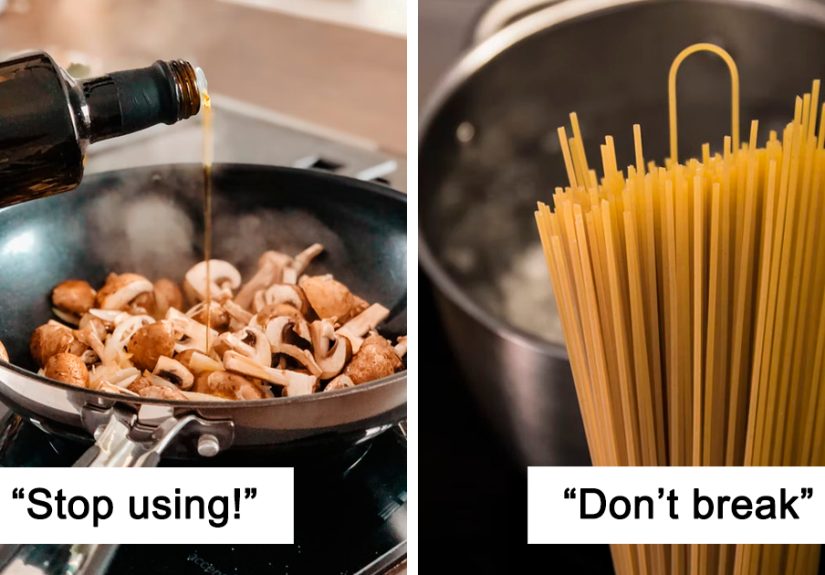
- 7. “Never wash mushrooms.”
- 8. “Alcohol completely cooks off.”
- 9. “Raw cookie dough is safe if it has no eggs.”
- 10. “Cook meat until the juices run clear.”
- 11. “You can tell steak doneness by poking your hand.”
- 12. “Never use soap on cast iron.”
- 13. “Metal utensils ruin nonstick pans instantly.”
- 14. “Marinades soak deep into meat.”
- 15. “Acidic marinades tenderize everything.”
- 16. “You must soak all beans overnight.”
- 17. “Salt makes beans tough.”
- 18. “Baking soda and baking powder are interchangeable.”
- 19. “Microwaving destroys nutrients.”
- 20. “Fresh vegetables are always healthier than frozen.”
- 21. “Brown eggs are healthier than white eggs.”
- 22. “Cheddar is naturally bright orange.”
- 23. “The red liquid in steak is blood.”
- 24. “You must flip steak only once.”
- 25. “Do not press burgers while cooking.”
- 26. “Only high heat makes food crispy.”
- 27. “Crowding the pan is fine if you stir more.”
- 28. “Garlic should always go in first.”
- 29. “You need expensive knives to cook well.”
- 30. “Recipes must be followed exactly every time.”
- What These Cooking Myths Teach Us
- Smarter Cooking Tips That Actually Help
- Personal Kitchen Experience: What Happens When You Stop Believing Every Tip
- Conclusion: Keep the Wisdom, Ditch the Nonsense
- SEO Tags
Every kitchen has folklore. Some of it is beautiful: a grandmother measuring vanilla with her heart, a dad flipping pancakes like he is auditioning for breakfast theater, or a neighbor insisting soup tastes better the next day. But some cooking advice? It has been passed around for so long that nobody remembers who started it, why it exists, or whether it was ever true in the first place.
That is how we end up with popular cooking tips that sound smart but fall apart under heat, science, and one honest bite. “Sear meat to seal in the juices.” “Never wash mushrooms.” “Oil your pasta water.” “Raw cookie dough is safe if there are no eggs.” These kitchen myths are confident, dramatic, and often wrong enough to deserve their own reality show.
This guide breaks down 30 common cooking tips that people claim are actually BS, explains what is true, what is exaggerated, and what you should do instead. The goal is not to shame tradition. It is to cook better food with fewer unnecessary rules, less panic, and more crispy edges.
Why So Many Cooking Tips Turn Into Kitchen Myths
Cooking advice usually starts with a real problem. Pasta sticks. Steak gets dry. Chicken can carry bacteria. Beans sometimes stay hard forever. Then someone creates a shortcut explanation, and the shortcut becomes “the rule.” Over time, the rule spreads faster than butter on hot toast.
The problem is that kitchens change. Dish soap is gentler than it used to be. Modern eggplants are less bitter than older varieties. Food-safety guidance gets updated. Home cooks have better thermometers, better cookware, and access to actual testing instead of just mysterious phrases like “cook until it feels right.”
So, let’s clear the cutting board and separate useful cooking wisdom from tips that deserve retirement.
30 Popular Cooking Tips That People Claim Are Actually BS
1. “Searing meat seals in the juices.”
This is the celebrity of cooking myths. Searing does not create a magical waterproof jacket around steak, chicken, or pork. Meat still loses moisture as it cooks. What searing does beautifully is create browning through the Maillard reaction, which brings deep flavor, aroma, and that crusty surface we all pretend we are not going to pick at before dinner. Sear for flavor, not for imaginary juice security.
2. “Wash raw chicken before cooking it.”
Washing chicken may feel clean, but it can splash bacteria around the sink, faucet, counters, and nearby dishes. Cooking poultry to a safe internal temperature is what matters. The better move is to pat chicken dry with paper towels, wash your hands, sanitize surfaces, and let heat do the actual safety work.
3. “Add oil to pasta water so noodles do not stick.”
Oil floats on top of water while pasta swims below like it missed the meeting. It does not coat the noodles evenly, and it can make sauce slide off later. To prevent sticking, use enough water, stir during the first minute or two, and cook pasta until al dente. Save the good olive oil for finishing the dish.
4. “Rinse cooked pasta after draining.”
For most hot pasta dishes, rinsing removes surface starch that helps sauce cling. That starch is not dirt; it is edible glue for deliciousness. The exceptions are cold pasta salads, some Asian noodles, or recipes that specifically call for rinsing to stop cooking or remove excess starch.
5. “Salt makes pasta water boil much faster.”
Salt does affect boiling point, but the amount used in home cooking is not enough to create a useful speed boost. Salt pasta water because it seasons the pasta from the inside as it cooks. If you are salting for speed, your dinner will not suddenly break the sound barrier.
6. “You always need a huge pot of water for pasta.”
A large pot is convenient, especially for long noodles, but it is not always required. Pasta can cook well in less water if you stir and prevent clumping. In fact, less water can create starchier pasta water, which is excellent for emulsifying sauces. The real rule is simple: give pasta enough room and attention.
7. “Never wash mushrooms.”
Mushrooms are not tiny kitchen sponges waiting to ruin dinner. A quick rinse right before cooking is fine, especially if they are gritty. Do not soak them like laundry, and do not wash them hours ahead. Rinse, dry, cook, and move on with your mushroom-loving life.
8. “Alcohol completely cooks off.”
Not always. Some alcohol evaporates during cooking, but the amount left depends on time, temperature, surface area, and cooking method. A quick flambé or splash of wine in a pan does not remove every trace. If you cook for people avoiding alcohol, do not rely on the old “it all burns off” line.
9. “Raw cookie dough is safe if it has no eggs.”
Eggs are not the only concern. Flour is a raw agricultural product and can contain harmful bacteria. That means egg-free dough can still be unsafe unless the flour has been properly heat-treated and the recipe is designed to be eaten raw. The spoon-licking temptation is real, but so is food poisoning.
10. “Cook meat until the juices run clear.”
Color is a shaky food-safety tool. Chicken can look done before it is safe, and some safe meat can still show pink tones. A food thermometer is more reliable than guessing based on juice color. Thermometers are not cheating; they are tiny truth-tellers.
11. “You can tell steak doneness by poking your hand.”
The hand-poke method is charming, but hands vary, steaks vary, and confidence varies wildly. A thermometer gives a more consistent reading. Use touch as a supporting skill if you want, but do not let your palm pretend it has a culinary degree.
12. “Never use soap on cast iron.”
Modern mild dish soap will not destroy a properly seasoned cast-iron pan. The seasoning is polymerized oil bonded to the metal, not a delicate layer of sadness. Avoid soaking, harsh scrubbing, and dishwasher abuse. A gentle wash, thorough drying, and light oiling are usually perfectly fine.
13. “Metal utensils ruin nonstick pans instantly.”
This one is not entirely BS, but it is often exaggerated. Metal can scratch many traditional nonstick coatings, so wood, silicone, or nylon is safer. However, one accidental tap will not necessarily turn your skillet into a toxic crater. The smarter rule: avoid metal when possible and replace badly scratched nonstick cookware.
14. “Marinades soak deep into meat.”
Most marinades mainly flavor the surface. Salt can penetrate more effectively, but oils, herbs, garlic, and many aromatics do not travel far into dense meat. Long marinating can help with surface flavor and some tenderness, but it will not transform a thick roast all the way to the center.
15. “Acidic marinades tenderize everything.”
Acid can tenderize the surface, but too much acid for too long can make meat mushy outside while the inside remains unchanged. Think of citrus juice, vinegar, and wine as flavor tools, not miracle workers. For tenderness, choose the right cut, slice properly, and control cooking temperature.
16. “You must soak all beans overnight.”
Soaking beans can reduce cooking time and help them cook evenly, but it is not always mandatory. Many beans can be cooked from dry with enough time. The bigger myths are that salt always toughens beans or that every bean behaves the same. Freshness, bean variety, water hardness, and cooking method matter.
17. “Salt makes beans tough.”
Salt does not automatically ruin beans. In many cases, salting soaking water or cooking water helps season beans and can improve texture. Acidic ingredients such as tomatoes or vinegar can slow softening more than salt does, so add acidic ingredients after beans have begun to tenderize.
18. “Baking soda and baking powder are interchangeable.”
They are both leaveners, but they are not twins. Baking soda needs acid to react, while baking powder includes acid and is designed to work differently. Swapping them casually can lead to flat cakes, metallic flavors, or biscuits with the personality of a paperweight.
19. “Microwaving destroys nutrients.”
Microwaving is not a nutrition villain. Because it often cooks quickly and uses little water, it can preserve nutrients well, especially compared with boiling. The bigger issue is uneven heating, so stir, rotate, cover properly, and allow standing time when reheating food.
20. “Fresh vegetables are always healthier than frozen.”
Frozen vegetables are often processed soon after harvest, which can help retain nutrients. Fresh produce is fantastic, but it can lose quality during shipping and storage. The healthiest vegetable is often the one you will actually cook and eat before it becomes refrigerator compost.
21. “Brown eggs are healthier than white eggs.”
Shell color is mostly about the breed of chicken, not a nutrition upgrade. Brown eggs may cost more because the hens that lay them can be larger and require more feed. Nutrition depends more on the hen’s diet and how the eggs are produced than shell color.
22. “Cheddar is naturally bright orange.”
Cheddar can be white or orange. The orange color usually comes from annatto or other coloring. That does not make orange cheddar bad, but it does mean color is not proof of stronger flavor. Aging, milk quality, and cheesemaking style matter more.
23. “The red liquid in steak is blood.”
That red juice is mostly water mixed with myoglobin, a protein found in muscle. Most blood is removed during processing. So when someone says a steak is “bloody,” they are usually reacting to color, not actual blood. The steak is not a crime scene; it is dinner.
24. “You must flip steak only once.”
Flipping once can work, but frequent flipping can also cook meat evenly and develop a good crust, especially with high heat and a dry surface. The better advice is to manage heat, avoid overcrowding, and cook to temperature. Steak does not need a strict choreography routine.
25. “Do not press burgers while cooking.”
Pressing a burger after it has cooked for a while can squeeze out juices. But pressing at the very beginning, especially for smash burgers, creates excellent browning and crispy edges. The problem is not pressing; it is pressing at the wrong time for the wrong style of burger.
26. “Only high heat makes food crispy.”
Crispiness depends on moisture removal, fat, surface contact, airflow, and time. High heat helps, but if the food is wet or crowded, it will steam instead of crisp. Dry the surface, use enough space, preheat the pan, and let moisture escape.
27. “Crowding the pan is fine if you stir more.”
Stirring does not fix overcrowding. Too much food drops the pan temperature and traps steam, which prevents browning. Cook in batches when needed. Yes, it takes longer. No, your mushrooms will not negotiate their way to golden brown in a packed skillet.
28. “Garlic should always go in first.”
Garlic burns quickly, especially when minced. If you add it before onions, meat, or longer-cooking vegetables, it may turn bitter. Add garlic when there is enough moisture or fat in the pan and when it only needs a short time to become fragrant.
29. “You need expensive knives to cook well.”
A good knife helps, but sharpness, comfort, and technique matter more than luxury branding. A reasonably priced chef’s knife that is kept sharp will beat a fancy dull knife every time. Your knife does not need to impress guests; it needs to cut onions without making you question your life choices.
30. “Recipes must be followed exactly every time.”
Baking needs precision, but everyday cooking has room for adjustment. Salt, acid, sweetness, spice, texture, and timing often need tweaking based on your ingredients and equipment. A recipe is a map, not a prison sentence. Learn the rules, then taste as you go.
What These Cooking Myths Teach Us
The funniest thing about bad cooking tips is that many contain a tiny crumb of truth. Searing is good, just not because it seals juices. Salting eggplant can improve texture, but modern eggplants usually do not require it to remove bitterness. Cast iron needs care, but not the kind of emotional fragility people assign to it. Microwaves can heat unevenly, but that does not mean they destroy your dinner’s soul.
The real lesson is to ask better questions. Does this tip improve flavor? Does it improve safety? Does it save time without sacrificing quality? Does it apply to this ingredient, this recipe, and this piece of equipment? Good cooking is not about collecting strict rules. It is about understanding why a technique works.
Smarter Cooking Tips That Actually Help
Use a thermometer for meat and leftovers
A thermometer removes guesswork from poultry, roasts, burgers, casseroles, and reheated leftovers. It is one of the simplest tools for improving food safety and avoiding dry, overcooked meat.
Salt in layers
Seasoning only at the end can make food taste salty on the surface and bland underneath. Add salt in stages when appropriate: pasta water, vegetables as they cook, sauces as they reduce, and final seasoning before serving.
Dry food before browning
Moisture is the enemy of browning. Pat meat, tofu, shrimp, and vegetables dry before they hit the pan. This small step can be the difference between golden crust and sad steam.
Taste before serving
The final taste test is where good food becomes great food. Ask whether the dish needs salt, acidity, sweetness, heat, fat, or freshness. Sometimes a squeeze of lemon does more than another 20 minutes of worrying.
Personal Kitchen Experience: What Happens When You Stop Believing Every Tip
The first time I stopped adding oil to pasta water, I felt like I was betraying a family secret. For years, I had poured a dramatic little circle of olive oil into the pot, watched it float there doing absolutely nothing, and congratulated myself on being “authentic.” Then I tried the unglamorous method: salted water, pasta, and a good stir during the first couple of minutes. The noodles did not glue themselves into a pasta brick. The sauce clung better. The olive oil finally got promoted to where it belonged: drizzled over the finished dish like a tiny Mediterranean victory lap.
The same thing happened with mushrooms. I used to wipe every mushroom individually with a damp towel, which made me feel refined for about six minutes and then deeply annoyed. A quick rinse, a good dry, and a hot pan changed everything. The mushrooms browned just fine as long as I did not crowd the skillet. That was the real issue all along. The mushrooms were not too wet; my pan was too full. It was less “culinary wisdom” and more “stop trying to cook a pound of mushrooms in a skillet the size of a salad plate.”
Cast iron was another lesson in letting go. People talk about cast iron like it is a medieval artifact that must never encounter soap, water, or human error. In reality, a well-seasoned pan can handle a gentle wash. The bigger mistakes are leaving it wet, soaking it for hours, or scrubbing it with panic in your eyes. Once I started treating cast iron like a sturdy tool instead of a haunted heirloom, I used it more often and enjoyed it more.
The most useful upgrade, though, was buying a reliable instant-read thermometer. Before that, chicken was either “probably safe” or “definitely dry.” The thermometer ended that suspense thriller. Suddenly, pork chops were juicy, chicken thighs were consistent, and reheated leftovers were not a guessing game. It made cooking feel calmer, which is underrated. A relaxed cook makes better decisions and burns fewer onions.
Experience also teaches that some “BS” tips are not completely useless; they are just badly explained. Salting eggplant may not be required to remove bitterness every time, but it can help draw out moisture and improve browning. Resting meat does not magically suck every drop of juice back into the center, but it can still make slicing cleaner and serving easier. Recipes do not need to be obeyed like courtroom testimony, but baking still appreciates accuracy. The point is not to reject every old rule. The point is to stop repeating rules without understanding them.
Once you start questioning kitchen myths, cooking becomes more flexible and more fun. You waste less time on rituals that do not help, and you pay more attention to the things that do: heat, seasoning, texture, timing, and taste. You also become less afraid of making adjustments. Too flat? Add acid. Too sharp? Add fat or sweetness. Not browning? Dry it, spread it out, and let the pan recover. Food starts feeling less like a test and more like a conversation. Sometimes dinner talks back, but that is why we keep tasting.
Conclusion: Keep the Wisdom, Ditch the Nonsense
Cooking myths survive because they sound simple, confident, and old enough to be trusted. But age does not automatically make advice true. Some kitchen tips are useful in specific situations, while others are outdated, misunderstood, or just plain BS with a wooden spoon.
The best cooks are not the ones who memorize the most rules. They are the ones who stay curious. They ask why. They taste. They test. They learn when to follow tradition and when to tell tradition, politely, to step away from the pasta pot.
So the next time someone tells you to sear meat to seal in juices, never wash mushrooms, or fear a drop of soap near cast iron, smile kindly. Then cook the better way. Dinner does not need myths. It needs heat, seasoning, patience, and maybe a little butter.