Table of Contents >> Show >> Hide
- What Is the Practical Magic Aesthetic?
- The Color Palette: Soft, Moody, and Sea-Kissed
- How to Decorate Each Room with Practical Magic Style
- Essential Decor Elements for the Practical Magic Look
- How to Make the Aesthetic Work in a Modern Home
- Common Mistakes to Avoid
- Conclusion: A Home That Feels Like a Soft Spell
- Experience Notes: Living with the Practical Magic Aesthetic Day by Day
- SEO Tags
Some movie homes quietly live in our memory. Others kick open the front door, light a few candles, hang dried herbs from the ceiling, and make us wonder why our own kitchen does not have more moonlight, copper pots, and suspiciously charming aunts. The house from Practical Magic belongs to the second category.
The Practical Magic aesthetic is not just “witchy decor” with a few crystals scattered around like decorative breadcrumbs. It is warmer, softer, and more lived-in. Think coastal Victorian architecture, antique furniture, garden herbs, creamy paint colors, weathered wood, lace curtains, old books, candlelight, apothecary jars, and a kitchen that looks ready for soup, tea, gossip, and emotional healing in equal measure.
What makes this style so magnetic is its balance. It feels romantic but not fussy, magical but not theme-park spooky, old-fashioned but not dusty enough to make your allergies file a complaint. It combines cottagecore interiors, vintage home decor, whimsigoth style, and coastal grandmother charm into one inviting look. The result is a home that says, “Come in, take off your coat, and please ignore the mysterious book on the side table.”
What Is the Practical Magic Aesthetic?
The Practical Magic aesthetic is inspired by the beloved 1998 film based on Alice Hoffman’s story of the Owens women, a family of witches living in a grand seaside home. The famous house was designed to feel like a character of its own: protective, eccentric, beautiful, and deeply connected to generations of women who cooked, planted, argued, healed, laughed, and occasionally dealt with supernatural inconveniences.
In home decor terms, the style blends several visual ingredients:
- Victorian-inspired details such as scrollwork, gables, vintage mirrors, and ornate furniture
- Coastal touches like whitewashed walls, sea-glass colors, shells, natural fibers, and breezy curtains
- Cottagecore elements including florals, herbs, baskets, linen, pottery, and handmade objects
- Witchy accents such as candles, dried flowers, apothecary bottles, celestial motifs, and old books
- Collected, heirloom-style decor that looks gathered over time rather than purchased in one panicked afternoon
This is not minimalism. The Practical Magic home has layers, personality, and a little harmless clutter. The secret is that every object should look meaningful. A stack of books, a chipped pitcher, a brass candlestick, or a bundle of lavender should feel as if it has a story. Bonus points if the story sounds dramatic but ends with tea.
The Color Palette: Soft, Moody, and Sea-Kissed
The fastest way to cast the Practical Magic spell is through color. The palette should feel like a foggy morning near the ocean, warmed by a kitchen lamp and a pot of something delicious on the stove.
Start with Warm Whites and Creams
Use warm white, ivory, cream, or soft linen as your base. These shades create the airy, coastal feeling that keeps the aesthetic from becoming too dark. Avoid cold, clinical white unless your goal is “haunted dental office,” which is brave but not recommended.
Add Garden Greens
Sage, rosemary, moss, olive, and eucalyptus green are perfect for cabinets, textiles, pottery, or painted furniture. These colors connect the home to herbs, gardens, and the outdoors. A sage-green kitchen island or moss-colored velvet pillow can instantly make a room feel more enchanted.
Use Moody Accents Carefully
Deep plum, charcoal, ink blue, espresso brown, and antique black add drama. Use them on picture frames, lampshades, painted chairs, iron hardware, or a small powder room. The goal is mystery, not a cave. Your living room should whisper “old spell book,” not shout “basement storage unit.”
How to Decorate Each Room with Practical Magic Style
The Entryway: Make the First Impression Feel Enchanted
The entryway sets the tone. A Practical Magic-inspired foyer should feel welcoming, slightly old-world, and a little curious. Add a vintage console table, a round mirror, a ceramic bowl for keys, and a vase filled with branches, eucalyptus, or dried flowers. A small lamp with a warm bulb is better than harsh overhead lighting. Nobody enters a magical home under fluorescent interrogation.
If you have stairs, lean into them. Add a runner with a faded pattern, hang framed botanical prints along the wall, or place a basket of umbrellas near the door. These details create the sense that the house has been living its own interesting life for years.
The Kitchen: The Heart of the Spell
The Practical Magic kitchen is the soul of the aesthetic. It should feel useful, generous, and ready for everyday rituals. Open shelves work beautifully here, especially when styled with white dishes, old mixing bowls, glass jars, copper pans, cookbooks, and small potted herbs.
To get the look, try these ideas:
- Display wooden cutting boards against the backsplash
- Use glass jars for tea, pasta, beans, cinnamon sticks, or dried citrus
- Add a small herb garden with rosemary, basil, mint, or thyme
- Choose brass, copper, or aged bronze hardware
- Hang a linen café curtain under the sink or across a sunny window
The kitchen should not look too perfect. A little patina is welcome. A slightly uneven stack of plates says “human beings live here.” A perfectly staged kitchen with no signs of life says “real estate photographer trapped in a snow globe.”
The Living Room: Cozy, Collected, and Candlelit
For the living room, focus on layered comfort. Mix a slipcovered sofa with a vintage armchair, a woven rug, a dark wood coffee table, and plenty of soft textiles. Add pillows in linen, velvet, block prints, faded florals, or subtle stripes. If you want pattern, choose one dominant print and support it with smaller, quieter patterns.
Lighting is crucial. Use table lamps, floor lamps, sconces, and battery-operated candles for atmosphere. Real candles can be beautiful, but safety comes first, especially around pets, curtains, and people who gesture wildly while telling stories. Flame-free candles still deliver the glow without turning your decor moment into a fire drill.
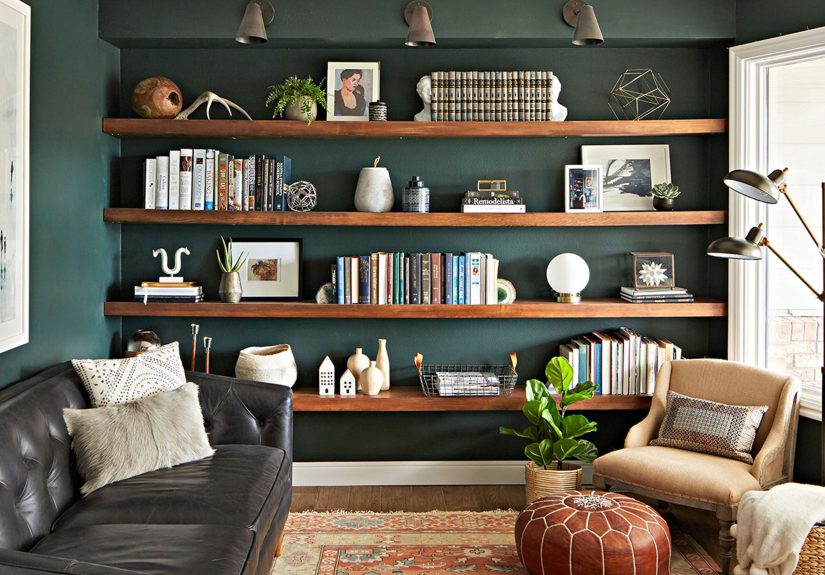
Style your shelves with old books, framed art, pottery, shells, dried flowers, and meaningful objects. The Practical Magic aesthetic loves display, but it does not love random clutter. Edit until your shelves feel personal rather than overstuffed. Imagine an eccentric aunt looking over your shoulder and saying, “Darling, even magic needs breathing room.”
The Bedroom: Romantic Without Becoming Costume-y
A Practical Magic bedroom should feel calm, protective, and slightly dreamy. Start with soft bedding in cotton, linen, or gauze. Layer quilts, coverlets, and throw blankets in warm neutrals, muted florals, or faded botanical patterns. Add an antique-style mirror, a carved wood nightstand, and a small lamp with a fabric shade.
For wall color, consider creamy white, pale sage, dusty rose, warm taupe, or soft gray-blue. These shades feel restful and pair well with vintage furniture. If you want a darker look, try deep green or smoky blue on one wall, then balance it with light bedding and natural textures.
Keep the witchy elements subtle: a moon-shaped dish for jewelry, a bundle of lavender, a framed pressed flower, or a stack of poetry books. You want “romantic sanctuary,” not “seasonal Halloween aisle moved in permanently.”
The Bathroom: Apothecary Charm in a Small Space
The bathroom is one of the easiest places to use the Practical Magic aesthetic because apothecary details feel natural here. Decant cotton swabs, bath salts, and soaps into glass containers. Add a small stool, a vintage tray, striped towels, and a sprig of eucalyptus near the shower.
If you rent or cannot renovate, change the mirror, add peel-and-stick wallpaper, use brass hooks, or hang framed botanical art. A small room can handle more drama, so this is a good place for moody paint, patterned wallpaper, or a dark floral shower curtain.
Essential Decor Elements for the Practical Magic Look
1. Vintage Furniture with Soul
Skip the showroom-perfect matching set. The Practical Magic aesthetic thrives on furniture that looks collected. Search for antique dressers, spindle chairs, old side tables, weathered cabinets, and secondhand bookcases. Scratches and imperfections are not flaws here; they are character development.
2. Plants, Herbs, and Botanical Details
Plants are non-negotiable. They bring the look to life and connect your rooms to the garden energy that defines the Owens home. Use trailing pothos, ferns, rosemary, lavender, basil, ivy, or potted olive trees. If your plant care skills are more “farewell, little fern” than “green goddess,” start with hardy options and realistic watering habits.
3. Apothecary Jars and Glass Bottles
Glass jars are practical, affordable, and wonderfully atmospheric. Use them in kitchens, bathrooms, laundry rooms, or craft corners. Fill them with dried herbs, bath salts, buttons, matches, tea, shells, or handwritten notes. The trick is to keep them useful, not just decorative. Practical magic is still practical, after all.
4. Natural Materials
Choose wood, linen, cotton, clay, wicker, rattan, stone, iron, brass, and copper. These materials age well and add texture. A woven basket, clay vase, linen curtain, or copper pot can do more for this style than a dozen plastic decorations labeled “witchy.”
5. Books, Art, and Meaningful Objects
Old books are essential. They bring texture, height, and story. Mix them with framed art, family photos, pressed flowers, vintage postcards, and small sculptures. The best Practical Magic rooms look like they belong to someone with hobbies, memories, and perhaps a suspiciously accurate intuition.
How to Make the Aesthetic Work in a Modern Home
You do not need a white Victorian house on a seaside bluff to create this look. Very rude of real estate prices, but here we are. The style can work in an apartment, suburban home, rental, dorm-inspired room, or new-build space if you focus on layers and mood.
If You Rent
Use removable wallpaper, plug-in sconces, vintage rugs, framed art, curtains, baskets, plants, and thrifted furniture. Replace basic knobs with antique-style hardware, but keep the originals in a bag so your security deposit does not vanish into another dimension.
If Your Home Is Very Modern
Soften clean lines with texture. Add linen curtains, wood furniture, vintage lamps, patterned rugs, and warm lighting. A modern room can absolutely carry Practical Magic style if you avoid going too literal. Think “old soul in a new house.”
If You Are on a Budget
Start small. Thrift a mirror. Add herbs to the windowsill. Swap cool bulbs for warm ones. Frame pressed flowers. Display your prettiest mugs. Buy a secondhand side table and paint it sage green. The magic is in the layering, not the price tag.
Common Mistakes to Avoid
Going Too Halloween
There is a difference between witchy and party-store spooky. Avoid relying too heavily on plastic skulls, fake cobwebs, or obvious seasonal props. The Practical Magic aesthetic is timeless because it feels like a real home, not a pop-up haunted attraction.
Buying Everything New
A fully new room can feel flat. Mix new basics with vintage or handmade pieces. Even one antique chair, thrifted mirror, or old ceramic bowl can give a space more depth.
Forgetting Function
A beautiful room that does not work for real life is not magical; it is annoying in a prettier outfit. Leave space to cook, read, work, rest, and move around. The best version of this aesthetic supports daily rituals instead of burying them under twelve decorative trays.
Conclusion: A Home That Feels Like a Soft Spell
The Practical Magic aesthetic endures because it is more than a decorating trend. It is a feeling: safe, storied, feminine, coastal, botanical, and a little mysterious. It invites you to slow down, light the lamp, water the herbs, open the windows, and let your home become a place where ordinary routines feel special.
To create the look, start with warm whites, garden greens, vintage pieces, natural materials, soft lighting, and meaningful objects. Add plants, books, apothecary jars, baskets, old mirrors, and textiles that feel touchable. Keep the mood romantic but livable. Let your rooms look collected over time. Above all, make sure your home reflects your actual life, not just a mood board with excellent cheekbones.
That is the real charm of the Practical Magic aesthetic: it does not ask for perfection. It asks for warmth, history, comfort, and a little imagination. And honestly, if your kitchen ends up looking like the kind of place where someone might solve a family problem over tea and pie, congratulations. The spell worked.
Experience Notes: Living with the Practical Magic Aesthetic Day by Day
The most surprising thing about living with the Practical Magic aesthetic is that it changes how ordinary moments feel. A kitchen herb pot is no longer just a kitchen herb pot. It becomes part of the morning routine: water the rosemary, open the window, make tea, pretend you are far more organized than you were yesterday. A lamp on a side table does not simply provide light; it turns an evening room into a small sanctuary. Even folding blankets feels more satisfying when the blanket is a faded quilt in a basket instead of a random fleece thrown over a chair like it lost a wrestling match.
In my experience, this aesthetic works best when it grows slowly. The rooms that feel most magical are rarely the ones decorated in a single weekend. They are built through small discoveries: a brass candlestick from a thrift shop, a chipped blue bowl from a flea market, a botanical print found online, a woven basket that finally solves the “where do these blankets live?” crisis. Each piece adds a little story. Over time, the room begins to feel less designed and more known.
The kitchen is usually the first room to respond. Add a wooden cutting board, a small lamp, a jar of tea, a linen towel, and a pot of basil, and suddenly the space feels warmer. Open shelving helps, but it is not required. Even a single tray with mugs, honey, and a tiny vase of flowers can create that cozy Owens-family mood. The key is usefulness. When beautiful things are also useful, the home starts to feel naturally charming instead of staged.
The living room benefits from layers. A soft rug, warm bulbs, older books, and one excellent chair can completely shift the feeling of the space. I have found that battery-operated candles are especially helpful because they add glow without worry. Place them on shelves, mantels, or window ledges, and the room instantly feels calmer. Add music, rain outside, and a cup of tea, and suddenly your home has main-character energy without requiring dramatic weather or a complicated family curse.
There is also an emotional side to this style. The Practical Magic aesthetic makes a home feel protective. It encourages nesting, cooking, reading, gardening, and gathering. It gives permission to keep objects that matter, even if they are imperfect. That old mug with the tiny crack? Still charming. The table with scratches? Evidence of life. The mismatched chairs? A personality trait. This style is forgiving, which may be why people love it so much.
For anyone trying it for the first time, start with one corner. Create a reading nook, an herb shelf, a candlelit entry table, or a softer bedside setup. Do not worry about making the whole house look cinematic overnight. Real magic, at least in decorating, usually arrives by inches: one curtain, one plant, one lamp, one meaningful object at a time.