Table of Contents >> Show >> Hide
- Why This Moment Feels So Big
- The Comedy of Collective Midair Suffering
- Why the Parent Is the Real Hero Here
- The Science Behind the Screaming, and the Silence
- What This Tiny Moment Says About Travel Etiquette
- Why We Remember This More Than the Pretzels
- The Awesome Thing Is Not Just the Quiet
- Extra Experiences: The 500-Word Midair Silence Chronicles
- Conclusion
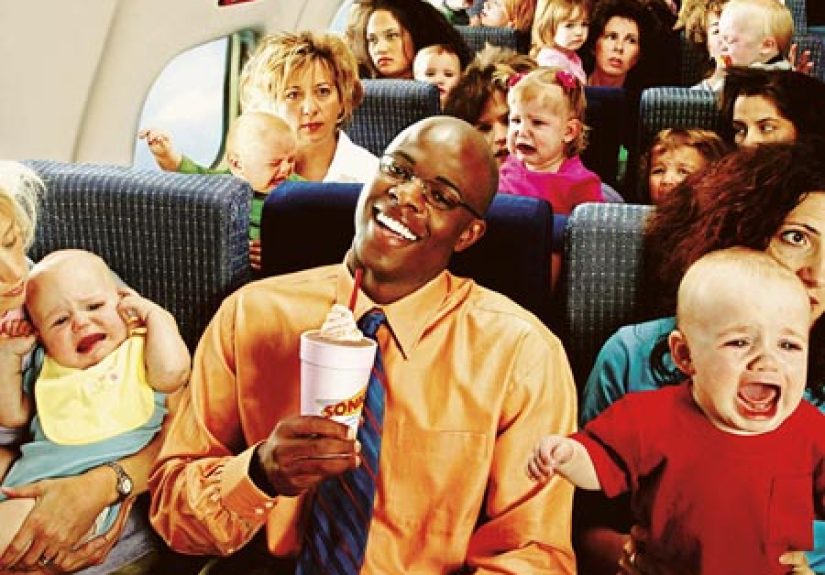
There are few sounds in modern life more powerful than a baby crying in row 18B at 31,000 feet. It cuts through noise-canceling headphones, slips past your movie soundtrack, and bulldozes your fantasy of a peaceful flight where you sip ginger ale and pretend you’re the sort of person who understands airport lounge access.
And then, suddenly, gloriously, mysteriously… silence.
The tiny onboard siren stops. The cabin exhales. A stranger lowers their shoulders. Somebody peeks over a seatback like the end credits just rolled on an action movie. The parent looks like they’ve just survived a hostage negotiation with a very small, very emotional CEO. And for one sparkling moment, everyone on the plane shares the same thought: we made it.
That is what makes this oddly specific travel moment so weirdly wonderful. It is not just about quiet. It is about relief, shared humanity, and the hilarious fact that sometimes the most awesome part of a flight is not the destination, the snack mix, or the in-flight Wi-Fi that almost works. It is the exact second a crying baby finally settles down and the whole aircraft feels like it got its soul back.
Why This Moment Feels So Big
Part of the reason this moment lands so hard is simple: flying already asks a lot from the human nervous system. Airports are loud, cramped, delayed, fluorescent, and somehow always one gate farther than your knees wanted. Onboard, you’re buckled in, mildly dehydrated, and trying not to make eye contact with the person clipping their toenails in public. Add a distressed baby to that mix, and the emotional weather in the cabin changes fast.
But here is the thing: babies do not cry on planes because they are running a villain origin story. They cry because flying can be physically uncomfortable and wildly overstimulating. Changes in cabin pressure during takeoff and descent can make little ears hurt. Disrupted routines, skipped naps, hunger, strange faces, engine noise, and the general chaos of travel can turn even a cheerful baby into a tiny performance artist specializing in protest music.
That context matters. It transforms the crying from “random annoyance” into “small person having a very bad time in a metal tube.” And somehow that makes the silence sweeter when it arrives. It is not just that you get relief. The baby gets relief. The parent gets relief. The entire cabin gets to come down from a shared low-grade panic attack.
The Comedy of Collective Midair Suffering
One reason this moment belongs on a list of awesome things is that it reveals how weirdly connected strangers become on flights. In everyday life, the person beside you at the grocery store does not usually become your emotional teammate. On a plane, though, everyone is drafted into the same temporary civilization. We all agree to share one pressurized sky-bus and pretend this is normal.
That is why a crying baby can feel like a cabin-wide event. It is a tiny drama with no intermission and no escape route. Nobody can casually wander off to another room. There is no mute button floating in the air beside the beverage cart. So when the crying ends, the sense of victory is collective. It is almost ceremonial.
You can spot it immediately:
The Signs That Peace Has Returned
A man who was fake-reading the safety card for 17 straight minutes finally turns a page in his novel. A woman removes one earbud and risks hope. The flight attendant rolls by with the expression of someone who has seen things and is grateful this particular thing is over. The parent gives that exhausted half-smile that says, “Please do not congratulate me; I am one loose cracker away from tears.”
It is one of the rare travel moments where nobody needs to say anything. Everyone knows. The dragon has been defeated. The volcano is dormant. The baby, perhaps with a bottle, pacifier, cuddle, or sheer emotional burnout, has made peace with the skies.
Why the Parent Is the Real Hero Here
If you have never traveled with a baby, it is tempting to imagine the crying is hardest on the other passengers. That is adorable. In reality, the parent is usually the one living through the full psychological Olympics of the situation. They are trying to comfort the child, manage supplies, read the room, survive the side-eyes, and keep themselves from dissolving into a puddle of apology and Goldfish crackers.
That is why the moment the crying stops often feels even bigger than relief. It feels like mercy. The parent can unclench. Their heartbeat can return from “drum solo” to “human rhythm.” They get a moment to breathe, reorganize the diaper bag, and remember their own name.
In good cabins, this is also the moment when empathy quietly shows up. A fellow passenger smiles. Nobody makes a speech. Nobody announces that they have forgiven the child for being a child. People simply move on, which is honestly one of the greatest gifts a stressed parent can receive. Not applause. Not judgment. Just normalcy.
The Science Behind the Screaming, and the Silence
There is a practical reason babies cry so often during flights, especially around takeoff and landing. Pressure changes can create ear discomfort, and babies cannot yawn on command, chew gum, or explain that their head feels weird. Adults can usually pop their ears and keep it moving. Babies, understandably, choose chaos.
Parents and pediatric experts often recommend strategies that encourage swallowing or sucking, such as breastfeeding, bottle-feeding, or offering a pacifier at key moments. Older children may do better with snacks or drinks. That may sound like a small detail, but in travel terms it is the difference between “gentle descent into Phoenix” and “full-cabin soundtrack of anguish.”
There is also the schedule issue. Flights rearrange naps, meals, bedtime, and the fragile social contract toddlers maintain with civilization. A baby who missed sleep, feels pressure in their ears, and is trapped in a bright noisy environment is not being difficult. That baby is having what adults would call “a truly terrible travel day.”
So when the crying stops, it often means several problems resolved at once. Pressure eased. Hunger passed. Fatigue finally won. Comfort arrived. The parent found the right combination of rocking, feeding, shushing, pacing, toy-waving, or surrender to the laws of nature. Silence is not random. It is hard-earned.
What This Tiny Moment Says About Travel Etiquette
The best part of this “awesome thing” is that it invites a slightly better version of all of us. Air travel has a way of making people territorial, dramatic, and deeply invested in overhead bin justice. A crying baby tests that even more. But the truth is simple: a commercial flight is public transportation in a very expensive outfit. It is not a meditation pod.
That means babies are allowed to exist on planes, and other passengers are allowed to feel annoyed. Both things can be true. The grown-up move is deciding what to do with that annoyance. Helpful travelers bring headphones, patience, and a little perspective. Great travelers remember the parent is usually suffering more than they are.
And once the crying stops, the mature response is not to act like you’ve survived military service. It is to appreciate the calm and let everyone recover with dignity intact.
How Smart Travelers Handle the Situation
They do not glare like they’ve been personally betrayed by infancy. They do not offer unsolicited TED Talks on discipline to a parent who has been in the air for three hours with mashed banana on one sleeve. They may offer kindness, a seat swap, space in the aisle, or simply a nonjudgmental expression that says, “You’re doing fine.”
That kind of grace changes the whole atmosphere of a flight. A calm parent often helps calm a child. A little empathy lowers the temperature in the row. And when the quiet finally arrives, it feels less like a truce and more like a small shared win.
Why We Remember This More Than the Pretzels
Nobody gets off a plane and says, “You know what moved me today? The napkin quality.” But people absolutely remember the emotional beats of a flight. The screaming infant. The stressed parent. The stranger who offered help. The miraculous silence that followed. These are the moments that stick because they involve tension, release, and a surprising amount of human truth packed into seat 24C.
That is what makes this topic more than a joke. Sure, it is funny because the silence feels so dramatic, like the cabin has just emerged from an exorcism. But it is also meaningful because it reminds us how much comfort matters when we are all out of routine, out of control, and slightly too close to one another.
Travel strips people down to basics. Are you hungry? Tired? Claustrophobic? Running late? Missing your connection? Carrying a baby through all of this? The crying baby moment, and especially the end of the crying baby moment, is a perfect symbol of how vulnerable and ridiculous travel can be. It is frustrating. It is funny. It is real. And when it ends, it is glorious.
The Awesome Thing Is Not Just the Quiet
Here is the twist: the true awesome thing is not merely that the baby stops crying. It is that the whole cabin briefly remembers how badly people need relief, kindness, and a break. The silence feels so good because the noise carried stress, embarrassment, helplessness, and tension for everyone involved.
When it lifts, something softer takes its place. A sleeping baby. A relieved parent. A calmer cabin. A return to normal human breathing patterns. It is the emotional equivalent of loosening your belt after Thanksgiving dinner, except with more turbulence and less pie.
That is why this tiny moment deserves a spot on any list of everyday awesome things. It sneaks up on you. It is not glamorous. It does not come with confetti. But if you have ever sat on a plane praying for peace while a baby voiced their objections to aviation, then you know: when that crying finally stops, it feels like a blessing delivered in economy class.
Extra Experiences: The 500-Word Midair Silence Chronicles
On one flight, the baby started crying before the plane even pushed back from the gate, which is the aerial version of hearing thunder before a picnic. The parents had the look of people who had packed carefully, planned thoroughly, and still found themselves negotiating with a seven-month-old who had rejected all logic. They tried the bottle. They tried the pacifier. They tried the bounce-walk in the aisle before takeoff like two exhausted Broadway understudies performing for survival. The baby remained unconvinced.
Then came the climb. A few rows back, a businessman did that dramatic sigh people do when they want the whole cabin to know they are suffering nobly. Across the aisle, a grandmotherly passenger smiled at the parents with the calm expression of someone who had clearly raised children before Wi-Fi, before apps, and possibly before color television. Nobody could fix it. Everyone could hear it.
And then, twenty minutes later, the baby fell asleep mid-whimper, mouth slightly open, cheeks flushed, tiny fist still gripping a blanket like a union negotiator. It was magnificent. The change in the cabin was immediate. It felt as if someone had turned the brightness down on the whole flight. Even the parents looked stunned, like they were afraid to celebrate too soon and wake the creature.
On another trip, the crying did not stop because the baby slept. It stopped because a flight attendant, part therapist and part magician, crouched down and started making ridiculous faces with a paper cup and a napkin. The baby blinked, got curious, and forgot to be furious. That was the moment the entire surrounding section silently promoted that flight attendant to national hero.
There are also the flights where the silence arrives in stages. First the crying turns into complaining. Then the complaining turns into sniffling. Then the sniffling becomes the occasional wounded squeak, as if the baby is filing formal objections with management. Finally, there is peace. Not total peace, of course. This is still an airplane. Someone is opening pretzels like they are unwrapping a state secret, and another passenger is watching an action movie without headphones. But compared with five straight minutes of infant despair, it feels like a spa retreat.
The funniest part is how adults act once the storm passes. People suddenly rediscover generosity. Someone offers the parent a smile. Someone else lets them get to the lavatory first. The previously irritated passengers become philosophers. “Travel is hard,” they seem to think. “We are all fragile. Also, thank heaven that baby stopped crying.”
That is the real charm of this experience. It starts as inconvenience, peaks as chaos, and ends as a weird little lesson in empathy. You board a plane expecting transportation. Instead, you get a reminder that everyone is carrying something: a diaper bag, a deadline, sore ears, a missed nap, a fear of flying, a crying child, or just plain exhaustion. And every now and then, the skies hand you a tiny miracle in return: a baby finally settles, the cabin softens, and for a beautiful stretch of air, everybody gets to be quiet together.
Conclusion
#357 When the baby crying on your flight finally shuts up is funny because it is true, but it endures because it is more than a punchline. It captures the relief of restored quiet, the vulnerability of air travel, and the oddly moving way strangers can share one small victory without ever speaking. In a world full of giant ambitions and flashy moments, this one is tiny, practical, and unforgettable. Which is exactly what makes it awesome.