Table of Contents >> Show >> Hide
- What Is CBD Isolate?
- Why Product Quality Matters So Much
- 5 Best CBD Isolate Product Categories to Understand
- How to Evaluate CBD Isolate Products Safely
- CBD Isolate vs. Full-Spectrum CBD vs. Broad-Spectrum CBD
- Who Should Be Extra Cautious?
- Common Mistakes People Make With CBD Isolate Products
- Real-World Experience: What People Often Notice When Researching CBD Isolate Products
- Conclusion
CBD isolate products have become the quiet minimalist of the wellness aisle. While full-spectrum CBD products show up with a whole botanical entourage, CBD isolate prefers to walk in wearing a crisp white T-shirt and saying, “I’m just here for the cannabidiol.” In simple terms, CBD isolate is a purified form of cannabidiol that is designed to contain CBD without THC and without the other naturally occurring compounds found in the cannabis plant.
That sounds straightforward, but the CBD marketplace is not exactly a neatly labeled spice rack. It is more like a crowded farmers market where every booth claims to have the “cleanest,” “purest,” and “most relaxing” option. For readers searching for the best CBD isolate products, the smarter question is not “Which bottle has the flashiest label?” but “What product qualities actually matter?”
This guide does not provide medical advice, dosage instructions, or shopping instructions. Instead, it explains the five main categories of CBD isolate products people commonly see, what separates a higher-quality product from a questionable one, and why safety checks matter before anyone considers using CBD. Think of it as a map of the aisle, not a pushy salesperson in a hemp-print apron.
What Is CBD Isolate?
CBD isolate is a highly refined form of cannabidiol. Unlike full-spectrum CBD, which may contain THC and other cannabis compounds, isolate is generally marketed as containing CBD alone. Unlike broad-spectrum CBD, which may include several non-THC cannabinoids and plant compounds, isolate aims for simplicity.
That simplicity is the big selling point. People often look into CBD isolate because they want to avoid THC, prefer a product with fewer plant compounds, or want something that is easier to understand on a label. However, “simple” does not automatically mean “risk-free.” CBD can still interact with medications, affect alertness, and raise safety questions depending on the person, product, and situation.
Why Product Quality Matters So Much
The CBD industry has grown faster than a houseplant placed in direct sunlight and complimented daily. Unfortunately, regulation has not always kept pace with the marketing. Many CBD products are sold as supplements, oils, gummies, creams, powders, and capsules, but not all have been reviewed for safety, effectiveness, or accurate labeling.
That is why quality markers matter. A serious CBD isolate product should be transparent about testing, ingredients, manufacturing standards, and labeling. Vague claims like “premium vibes” or “nature’s miracle” are not quality standards. They are decoration. A lab report, clear ingredient list, batch number, and realistic product description are much more useful.
5 Best CBD Isolate Product Categories to Understand
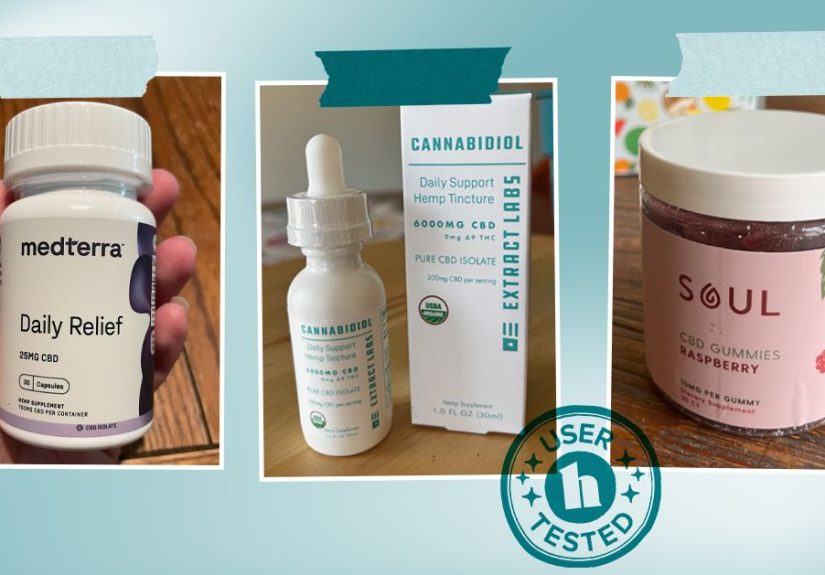
Instead of naming specific brands or ranking products, it is safer and more useful to understand the five most common CBD isolate product categories. Each one has different strengths, limitations, and questions buyers should ask before making any decision.
1. CBD Isolate Oil or Tincture
CBD isolate oil is one of the most common product types. It usually combines CBD isolate with a carrier oil such as MCT oil, hemp seed oil, or another neutral oil. The appeal is simple: oils are easy to package, easy to label, and familiar to consumers.
A higher-quality CBD isolate oil should clearly state the amount of CBD in the container, list every ingredient, and provide a recent third-party lab test. The lab report should match the batch number on the product. If the label says “THC-free,” the certificate of analysis should support that claim.
The main downside is that oils can vary widely in quality. Some labels are clean and transparent; others read like they were written during a caffeine emergency. Consumers should be careful with products that make dramatic health claims, promise instant results, or fail to provide testing information.
2. CBD Isolate Capsules or Softgels
CBD isolate capsules and softgels are popular because they look familiar. They are tidy, portable, and less messy than oils. For people who dislike the taste or texture of liquid products, capsules may seem more convenient.
Quality signs are similar: clear CBD content, full ingredient disclosure, batch-specific testing, and no exaggerated medical promises. Capsules may include additional ingredients such as gelatin, vegetable cellulose, carrier oils, or flavor-neutral fillers. Anyone with allergies, dietary restrictions, or medication concerns should read the label carefully and speak with a qualified healthcare professional.
One thing to remember is that convenience should not replace caution. A clean capsule bottle does not prove a product is safe, tested, or appropriate for every person. Packaging can be polished while the product details are still blurry.
3. CBD Isolate Gummies
CBD isolate gummies are probably the most candy-like CBD category, which is exactly why extra caution matters. Gummies are often colorful, flavored, and easy to mistake for regular sweets. That makes safe storage especially important in households with children, younger siblings, or pets.
When evaluating CBD isolate gummies from an educational perspective, the key quality markers include accurate labeling, child-resistant packaging, a full ingredient list, and third-party testing. Consumers should be wary of gummies that look too much like ordinary candy or use cartoonish designs that could appeal to children.
Gummies also tend to include sugar, corn syrup, gelatin, artificial colors, or other additives. For some readers, the CBD may get all the attention, but the supporting cast of ingredients deserves a look too. A gummy is not automatically better because it tastes like a tropical vacation.
4. CBD Isolate Topicals
CBD isolate topicals include creams, lotions, balms, gels, and roll-ons. These products are applied to the skin rather than swallowed. They are often marketed for localized use, but consumers should be cautious with any product that makes bold medical claims.
A good topical product should clearly list active and inactive ingredients. This matters because topicals often include menthol, essential oils, fragrances, preservatives, or botanical extracts. Some of these ingredients can irritate sensitive skin. Before using any topical product, people with allergies or skin conditions should be especially careful.
Topicals also need proper packaging and storage information. A cream that separates, changes smell, or lacks a lot number is not exactly giving “trustworthy science lab.” It is giving “mystery jar in the back of the cabinet.”
5. CBD Isolate Powder or Crystals
CBD isolate powder or crystals are closer to the raw ingredient form. This category is often marketed as highly purified CBD. It may appeal to people researching formulation, product manufacturing, or ingredient transparency.
Because powders and crystals can be misunderstood or misused, consumers should treat them with caution. Quality documentation is essential. A legitimate product should provide third-party lab testing, purity information, contaminant screening, and a clear explanation of what the product is intended for.
For general consumers, finished products with clear labels are easier to evaluate than raw isolate powders. A bag of white powder with vague documentation is not something to casually trust. In the wellness world, “minimalist” is nice for furniture. It is less charming when it means “no useful information.”
How to Evaluate CBD Isolate Products Safely
Look for Third-Party Lab Testing
The most important quality marker is third-party testing. This is often called a certificate of analysis, or COA. A COA should show the cannabinoid profile and confirm whether the product contains CBD, THC, or other compounds. It may also screen for pesticides, heavy metals, residual solvents, mold, and other contaminants.
The report should be recent and tied to the product’s batch number. A random lab report from three years ago is not very helpful. That is like showing a school ID from kindergarten and claiming it proves you are ready for college.
Avoid Big Medical Promises
CBD marketing can get dramatic. Some products imply they can solve sleep problems, pain, stress, inflammation, and every bad mood since middle school. Responsible consumers should be skeptical of sweeping health claims.
In the United States, products that claim to treat, cure, or prevent disease may fall into drug-claim territory. The only FDA-approved CBD product is a prescription medicine used for specific seizure disorders. Over-the-counter CBD products have not been approved by the FDA to treat medical conditions.
Read the Ingredient List
CBD isolate may be the star ingredient, but it is rarely the only ingredient. Oils, gummies, capsules, and topicals all contain supporting ingredients. These can include sweeteners, flavorings, preservatives, carrier oils, emulsifiers, fragrances, or herbal extracts.
People with allergies, dietary restrictions, or sensitive skin should pay special attention. A product can be “THC-free” and still contain something that does not agree with your body.
Check for Medication Interactions
CBD can interact with medications. This is one of the most important safety points and one of the easiest to overlook. People taking prescription drugs, especially medications that affect the liver, blood clotting, seizures, mood, sleep, or immune function, should talk with a licensed healthcare professional before considering CBD.
CBD may also increase drowsiness when combined with alcohol or other substances that slow brain activity. That is not a tiny footnote. That is the kind of footnote wearing a neon vest and waving both arms.
Be Careful With “THC-Free” Claims
CBD isolate is generally marketed as THC-free, but the label alone is not enough. Testing matters. Some cannabis-derived products have been found to contain different amounts of cannabinoids than their labels claim. That can create real concerns for people avoiding THC for personal, legal, employment, athletic, or health reasons.
A reliable product should provide lab results that match the product batch. If the company makes it difficult to find those results, that is not a great sign.
CBD Isolate vs. Full-Spectrum CBD vs. Broad-Spectrum CBD
CBD isolate contains cannabidiol without the broader mix of cannabis compounds. Broad-spectrum CBD usually contains CBD plus other cannabinoids and plant compounds, but is generally marketed as THC-free. Full-spectrum CBD may contain CBD, other cannabinoids, terpenes, and legally permitted trace amounts of THC in hemp-derived products.
People who research CBD isolate often do so because they want a simpler ingredient profile. However, isolate may not offer the same mix of plant compounds as full-spectrum or broad-spectrum products. Whether that matters depends on the product and the person. The research conversation is still evolving, and confident marketing often outruns careful evidence.
Who Should Be Extra Cautious?
Certain groups should be especially cautious around CBD products. This includes people who are pregnant or breastfeeding, people taking prescription medications, people with liver conditions, people with a history of substance-related problems, and anyone under the legal age for cannabis-related products in their area.
Parents and caregivers should also store CBD products securely. Gummies, chocolates, drinks, and flavored oils can be especially risky if children mistake them for ordinary snacks.
Common Mistakes People Make With CBD Isolate Products
Mistake 1: Trusting the Front Label Only
The front label is marketing. The back label is information. The lab report is evidence. Do not let a pretty bottle do all the talking.
Mistake 2: Assuming Natural Means Safe
Many natural substances can still cause side effects or interactions. CBD may come from a plant, but it still affects the body. “Plant-based” is not a magic shield.
Mistake 3: Ignoring Other Ingredients
A CBD product may contain sugar, artificial flavors, essential oils, preservatives, or allergens. The whole formula matters, not just the CBD.
Mistake 4: Skipping Professional Guidance
Anyone with health conditions or medications should speak with a healthcare professional. Internet research can be useful, but it should not replace medical guidance.
Real-World Experience: What People Often Notice When Researching CBD Isolate Products
Researching CBD isolate products can feel like trying to compare five different cereal boxes in a grocery store while someone plays spa music in the background. Every product seems to promise calm, clarity, purity, or “balance,” but the real differences are usually hidden in the details.
One common experience is label confusion. A shopper may pick up an oil labeled “pure CBD,” only to discover that the product page uses words like broad-spectrum, hemp extract, THC-free, natural terpenes, and isolate almost interchangeably. Those terms are not the same. A careful reader learns quickly that CBD vocabulary can be slippery, especially when brands are more excited about selling than explaining.
Another common experience is discovering how important lab reports are. At first, a certificate of analysis may look like a science worksheet that escaped from chemistry class. But after reading a few, the pattern becomes clearer. The best reports show cannabinoid levels, batch numbers, testing dates, and contaminant screening. Weak reports are outdated, incomplete, or impossible to connect to the product being sold.
People also notice that product format changes the experience of evaluating quality. Oils tend to have shorter ingredient lists, which makes them easier to understand. Gummies are more familiar and friendly, but they often include more additives. Topicals may seem simple until the ingredient list reveals fragrances, cooling agents, botanical extracts, and preservatives. Capsules look clean, but the shell and filler ingredients still matter.
Price comparison is another tricky area. A product that looks cheaper may contain less CBD overall, while a higher-priced product may include stronger testing standards or better packaging. Comparing CBD products by bottle price alone is like comparing cars by tire color. It tells you something, but not nearly enough.
Many readers also become more skeptical of dramatic claims. The more you research CBD isolate, the easier it becomes to spot marketing fireworks. Phrases like “miracle relief,” “instant calm,” or “cures everyday stress” should raise eyebrows. Responsible brands tend to use careful language. Questionable brands often sound like they hired a carnival announcer.
The biggest lesson is that CBD isolate research is less about chasing the “best” product and more about learning how to identify responsible product standards. Clear labeling, current lab testing, realistic claims, safe packaging, and professional guidance are more valuable than trendy branding. In a crowded market, boring transparency is beautiful. It may not sparkle on Instagram, but it is exactly what careful consumers should look for.
Conclusion
The phrase 5 best CBD isolate products sounds like it should lead to a simple ranked list, but CBD deserves a more careful conversation. The most important product categories to understand are oils, capsules, gummies, topicals, and powders. Each has different advantages, limitations, and safety questions.
The best approach is not to chase hype. Look for third-party testing, clear labels, realistic claims, transparent ingredients, and appropriate professional guidance. CBD isolate may be simple in theory, but the marketplace around it is anything but simple. A smart reader treats CBD products with curiosity, caution, and a healthy suspicion of labels that sound too magical to be true.