Table of Contents >> Show >> Hide
- The Big Reason Cats Love Boxes: Safety Comes First
- Boxes Help Cats Manage Stress
- Boxes Are Warm, Cozy, And Basically Tiny Cat Cabins
- Boxes Support A Cat’s Hunting Instincts
- Cardboard Feels Good To Scratch, Chew, And Rub Against
- Boxes Give Cats Control Over Social Interaction
- Why Do Cats Sit In Boxes That Are Clearly Too Small?
- Do All Cats Love Boxes?
- Best Types Of Boxes For Cats
- How Boxes Help Indoor Cats Stay Mentally Engaged
- Real-Life Experiences: Living With A Box-Obsessed Cat
- Conclusion: The Box Is Not Just A Box
Bring home a $79 luxury cat bed with orthopedic foam, washable fabric, and a design that looks like it belongs in a Scandinavian furniture catalog, and your cat will thank you by sleeping in the shipping box. Not beside it. Not after inspecting the bed. Directly inside the box, with the facial expression of a tiny landlord who has just acquired prime real estate.
If you have ever asked, “Why do cats love boxes so much?” you are not alone. The internet is practically built on three pillars: recipes nobody follows exactly, arguments about parking, and cats squeezing themselves into containers that appear to violate basic physics. A kitten in a shoebox? Adorable. A 15-pound tabby attempting to become liquid inside a cereal carton? Art.
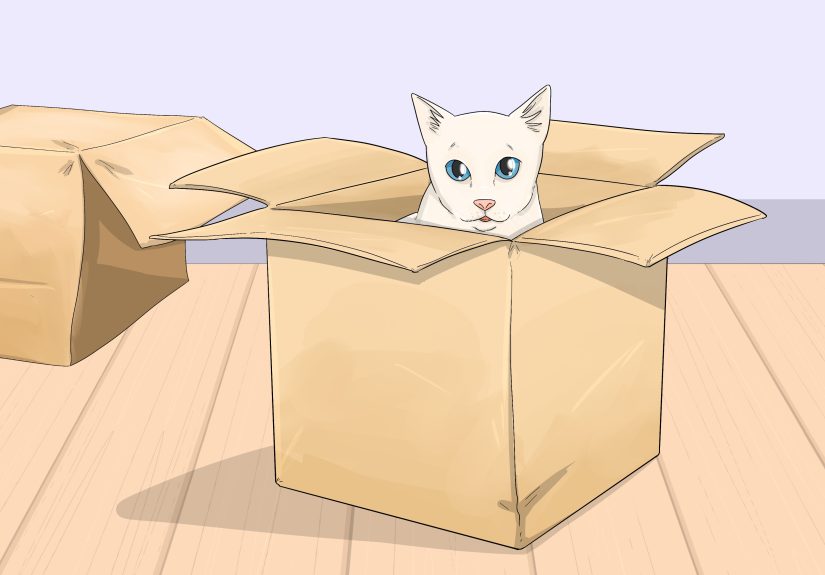
But this funny feline obsession is not random. Cats love cardboard boxes because boxes speak fluent cat. They offer safety, warmth, privacy, hunting cover, sensory stimulation, and control over the environment. In other words, a box is not just trash waiting for recycling day. To your cat, it is a bedroom, bunker, hunting blind, spa retreat, and dramatic thinking chamber all in one.
Understanding why cats love boxes can help pet owners create a healthier, happier home for their feline companions. It also gives us permission to stop feeling personally offended when the cat ignores the expensive toy and moves into the packaging like it signed a lease.
The Big Reason Cats Love Boxes: Safety Comes First
Cats may look like soft little comedians, but they are wired like cautious survival experts. In the wild, small felines are both predators and potential prey. That means they need places where they can observe without feeling exposed. A cardboard box gives a cat exactly that: walls on multiple sides, a roof or partial cover, and a clear opening for watching the world.
For a cat, an open room can feel like a stage. A box feels like backstage access. From inside, your cat can monitor footsteps, dogs, children, vacuum cleaners, grocery bags, and suspicious cucumbers without being fully visible. This sense of concealment helps cats feel more secure because fewer angles are open to surprise.
Veterinary behavior guidelines often recommend safe hiding spaces for cats, especially in multi-cat homes, shelters, veterinary clinics, and new environments. A simple cardboard box can serve as one of those safe places. It allows a cat to retreat, calm down, and decide when to rejoin the action. That choice matters. Cats are not big fans of being emotionally rushed. They prefer to process change at the speed of “maybe later.”
Boxes Help Cats Manage Stress
One of the most important explanations behind cat hiding behavior is stress reduction. Research on shelter cats has found that access to hiding boxes can help newly arrived cats adapt more comfortably to unfamiliar surroundings. That makes sense: a shelter, new house, boarding facility, or even a rearranged living room can feel overwhelming to a cat that depends heavily on familiar scents and predictable routines.
When a cat has a box, it gets a controllable little zone. The box does not ask questions. It does not move unexpectedly. It does not smell like the neighbor’s golden retriever. It simply exists, quietly, with four humble walls and excellent emotional boundaries.
This is why boxes can be especially useful during stressful events such as moving, holiday gatherings, thunderstorms, home repairs, or the arrival of a new pet. A cat may not want to greet guests, supervise furniture assembly, or listen to Uncle Gary explain cryptocurrency at full volume. A box gives the cat a polite escape route without turning the entire event into a feline crisis.
Important Note: Hiding Is Normal, But Sudden Hiding Can Be A Warning Sign
It is normal for cats to enjoy boxes and private spaces. However, a sudden major change in hiding habits can signal stress, pain, illness, or fear. If a social cat suddenly disappears into boxes all day, stops eating, avoids the litter box, becomes unusually quiet, or seems uncomfortable, it is smart to contact a veterinarian. The box itself is not the problem. It may simply be the place where your cat is showing you something has changed.
Boxes Are Warm, Cozy, And Basically Tiny Cat Cabins
Another reason cats love cardboard boxes is warmth. Cats generally enjoy warmer resting spots than many humans do. Anyone who has watched a cat melt into a sunbeam like butter on toast already knows this. Cardboard is a decent insulator, and the enclosed shape of a box helps trap body heat.
A snug box can make a cat feel wrapped in warmth without needing a blanket, sweater, or tiny cup of tea. Smaller boxes are especially attractive because they allow a cat’s body heat to build up quickly. This may explain why cats often choose boxes that seem too small. To humans, the fit looks ridiculous. To cats, it feels like custom architecture.
The “if I fits, I sits” behavior is partly about comfort. A box that touches the cat’s body may create a feeling of gentle pressure and security. Some cats seem to prefer the hugged-in sensation of a tight container. It is the feline version of a weighted blanket, except it came free with your online order of paper towels.
Boxes Support A Cat’s Hunting Instincts
Your indoor cat may eat premium food from a ceramic bowl shaped like a fish, but deep down, the hunting software is still installed. Cats are ambush predators. They like to hide, wait, watch, and pounce. A box creates the perfect pretend hunting blind.
From inside a box, a cat can launch a surprise attack on a toy mouse, a feather wand, another cat, or your innocent ankle walking past the sofa. The box gives cover and makes play more exciting. Even when the “prey” is a crinkly ball, the setup satisfies natural feline behavior: stalk, crouch, wiggle, leap, victory.
This is one reason cardboard boxes are excellent cat enrichment tools. They transform ordinary space into a puzzle, playground, and hunting zone. Cut a few holes in a box and suddenly your living room has a low-budget safari exhibit. Add a wand toy near one opening, and your cat may act like it is starring in a wildlife documentary narrated by someone very serious.
How To Turn A Box Into Healthy Cat Enrichment
Try placing a box on its side so your cat can enter easily. Toss in a soft towel, a favorite toy, or a sprinkle of catnip if your cat enjoys it. For playful cats, cut round openings in two sides so they can peek out or bat at toys. For shy cats, keep the box in a quiet corner where it feels more like a safe retreat than a public performance venue.
In multi-cat households, provide more than one box or hiding place. Cats can become tense when resources are limited, especially if one cat blocks access to a favorite spot. Multiple safe spaces reduce competition and give each cat a chance to relax without needing to negotiate with the household drama committee.
Cardboard Feels Good To Scratch, Chew, And Rub Against
Cats experience the world through texture, scent, and touch. Cardboard is lightweight, shreddable, scratchable, and slightly noisy. In other words, it is basically a feline activity board.
Scratching cardboard helps cats stretch their muscles, maintain their claws, and leave scent marks from glands in their paws. Rubbing against the edges of a box can also deposit facial pheromones, which helps a cat make the box smell familiar. Once your cat has rubbed, scratched, slept, and shed half a sweater’s worth of fur in it, the box becomes personalized property.
Some cats also nibble cardboard. Light chewing can be playful exploration, but heavy chewing or swallowing pieces is not ideal. Remove boxes that become soggy, heavily shredded, dirty, or unsafe. Also remove tape, staples, plastic straps, loose labels, packing peanuts, and anything your cat could swallow. A good cat box should be charmingly simple, not a craft project from the Department of Tiny Hazards.
Boxes Give Cats Control Over Social Interaction
Cats are often misunderstood as antisocial, but that is not quite fair. Many cats are deeply affectionate. They just prefer consent-based socializing. A box allows them to be near the family without being fully available for touching, lifting, kissing, or being told they are “just a baby” in a voice that would embarrass everyone if guests heard it.
From a box, a cat can participate at a comfortable distance. It can watch dinner being cooked, listen to conversation, and judge everyone’s choices while still feeling protected. This is especially useful for nervous cats, newly adopted cats, senior cats, and cats living with energetic children or other pets.
The magic is that a box lets a cat choose. It can come out when ready or remain tucked away. That control can reduce anxiety and encourage confidence over time. Forcing a cat out of a hiding place usually backfires. Letting the cat emerge on its own says, “You are safe here.” Cats appreciate that, even if they show gratitude by knocking a pen off your desk five minutes later.
Why Do Cats Sit In Boxes That Are Clearly Too Small?
One of the funniest parts of the cat-box relationship is the total disregard for geometry. A cat will look at a box the size of a sandwich, calculate absolutely nothing, and attempt entry with the confidence of a moving company.
There are a few possible explanations. First, tight spaces feel secure. Second, cats are flexible and may not judge size the way humans do. Third, trying to fit into a small box can be mentally stimulating. It is a puzzle with whiskers. Can the paws go here? Can the tail fold there? Can the whole body become a cinnamon roll with eyes? Let us find out.
Even the attempt may be rewarding. Cats enjoy exploring boundaries, testing surfaces, and interacting with objects in their environment. A too-small box offers a challenge. When the cat succeeds, it looks triumphant. When the cat fails, it pretends that was the plan all along.
Do All Cats Love Boxes?
Most cats enjoy some kind of enclosed or semi-enclosed space, but not every cat is obsessed with cardboard boxes. Personality matters. A bold, social cat may prefer perches, window seats, or your laptop keyboard. A shy cat may adore boxes and treat them like emotional support furniture. A senior cat may prefer a box with low sides for easier entry. A kitten may treat a box like a gymnasium, spaceship, and snack bar within the same five minutes.
Past experiences also matter. A cat that had positive experiences with boxes may seek them out. A cat that was trapped, startled, or transported unpleasantly in a container may be more cautious. The key is to offer boxes without forcing the interaction. Put one out and let your cat decide. Cats are excellent at voting with their paws.
Best Types Of Boxes For Cats
The best cat boxes are clean, sturdy, untreated cardboard boxes large enough for the cat to enter, turn around, and rest comfortably. That said, your cat may also choose a box that appears to have been designed for one sock. We respect the artist’s process.
Good Box Options
Shipping boxes, shoeboxes, flat boxes with low sides, and medium cardboard cartons can all work well. A box placed on its side makes a cozy cave. A taller box with the top open allows dramatic peeking. A cardboard tunnel made from two connected boxes can add extra fun for active cats.
Boxes To Avoid
Avoid boxes that smell strongly of chemicals, cleaners, onions, garlic, or other irritating substances. Do not use boxes with exposed staples, sharp edges, plastic wrapping, loose string, rubber bands, or foam packing materials. If the box held something unsafe or messy, recycle it instead of turning it into a cat condo.
How Boxes Help Indoor Cats Stay Mentally Engaged
Indoor cats need environmental enrichment because their daily world can become predictable. Predictability is good for safety, but too much sameness can lead to boredom. Boxes add novelty without requiring a major home makeover.
You can rotate boxes every few days, move one to a new room, add a crinkly paper layer, or hide a toy inside. The goal is not to overwhelm your cat with a cardboard amusement park. The goal is to create small, safe opportunities for exploration, play, hiding, scratching, and resting.
Boxes also pair well with other enrichment ideas. Place one near a window so your cat can watch birds from a protected spot. Put a box near a cat tree to create vertical and ground-level choices. Use a box during interactive play so your cat can stalk a wand toy. A simple cardboard box can make an indoor environment feel more complex and satisfying.
Real-Life Experiences: Living With A Box-Obsessed Cat
Anyone who has lived with cats knows the box story does not end with science. The science explains the behavior, but the experience is where the comedy lives. A new package arrives, and before the item inside has been fully removed, the cat is already circling like a tiny real estate investor. The moment the box hits the floor, inspection begins. First comes the sniff. Then the paw test. Then the cautious head dip. Finally, the cat enters and looks up as if to say, “I have reviewed the property and will be staying indefinitely.”
One of the funniest things about cats and boxes is how quickly ownership is established. A box can sit empty for thirty seconds, but once a cat has stepped inside, it becomes sacred territory. Try to move it, and you may receive a slow blink that somehow feels like a legal warning. Add a blanket, and the cat may reject it. Leave a crumpled packing paper inside, and suddenly the place has “character.” Cats have strong opinions about interior design, and most of them involve materials humans were about to throw away.
Boxes also reveal different feline personalities. The confident cat dives in immediately and begins conducting surveillance. The cautious cat circles three times, taps the edge, and enters only after confirming the box is not haunted. The playful cat turns it into an ambush station and attacks anything that passes. The dramatic cat sits inside with only the ears visible, creating a mysterious cardboard volcano. The senior cat may use it as a quiet nap spot, especially if the opening is easy to access and the box is placed somewhere warm.
In many homes, boxes become part of the daily routine. A cat may nap in one after breakfast, use another for evening play, and reserve a third for hiding from the vacuum cleaner, also known as the Roaring Beast of Doom. Pet owners often learn to leave a “good box” out longer than planned because the cat clearly loves it. Recycling day becomes emotionally complicated. You stand there holding the box, your cat stares from across the room, and suddenly you feel like a villain in a very small drama.
There is also something sweet about this obsession. A box is ordinary to us, but meaningful to a cat. It reminds us that comfort does not always need to be expensive or complicated. Sometimes happiness is a quiet corner, familiar scent, warm walls, and a place to watch the world without being bothered. Cats love boxes because boxes meet real feline needsbut they also make us laugh, slow down, and appreciate the strange little rituals that make living with cats so entertaining.
Conclusion: The Box Is Not Just A Box
So, why do cats love boxes? Because boxes are safe, warm, private, scratchable, and fun. They support natural feline behavior by offering hiding space, stress relief, hunting opportunities, and environmental enrichment. A cardboard box may look boring to a human, but to a cat, it is a fortress with excellent insulation and a suspiciously chewable floor plan.
The next time your cat ignores the expensive toy and climbs into the packaging, do not take it personally. Your cat is not rejecting your generosity. It is simply choosing the option that best satisfies thousands of years of feline instinct. Also, the box smells interesting. Also, it makes a good ambush cave. Also, your cat is a cat, and cats are committed to keeping life weird.
Offer safe boxes, rotate them occasionally, and let your cat decide how to use them. Just remember to check inside before moving one. There may be a sleeping supervisor on duty.
Note: This article synthesizes real veterinary behavior guidance, feline environmental enrichment principles, shelter-cat stress research, and reputable pet-care information. Source links are intentionally not included in the article body to keep the publication copy clean.