Table of Contents >> Show >> Hide
- What Is Instant Pudding?
- How to Make Store-Bought Instant Pudding
- Best Tips for Creamier Store-Bought Instant Pudding
- Can You Make Instant Pudding with Almond Milk or Oat Milk?
- Homemade Vanilla Pudding Recipe
- Homemade Chocolate Pudding Recipe
- How to Make a Homemade “Instant-Style” Dry Pudding Mix
- Common Instant Pudding Problems and How to Fix Them
- Creative Ways to Use Instant Pudding
- Food Safety and Storage Tips
- My Real-Kitchen Experience: What Actually Makes Pudding Better
- Conclusion
Instant pudding is one of those tiny kitchen miracles that asks almost nothing from you. No oven. No pastry degree. No dramatic double boiler moment where you question all your life choices. Just milk, pudding mix, a bowl, and a whisk. Five minutes later, you have a cold, creamy dessert that tastes like childhood, lunchboxes, church potlucks, and the glorious era when “dessert cup” sounded like a full personality.
But here is the fun twist: instant pudding is not limited to the box. You can make store-bought instant pudding the classic way, doctor it up so it tastes bakery-level, or make a homemade pudding mix that gives you control over sweetness, flavor, and ingredients. You can even make a cooked homemade pudding from scratch when you want that old-fashioned, silky, spoon-coating texture that makes people suddenly become very quiet at the table.
This guide explains how to make instant pudding using store-bought mix, how to improve the texture, how to make homemade vanilla and chocolate pudding, and how to avoid the sad, runny pudding tragedy nobody invited to dessert.
What Is Instant Pudding?
Instant pudding is a no-cook dessert mix designed to thicken when whisked with cold milk. Store-bought instant pudding usually contains sugar, flavoring, color, and a no-heat thickener such as modified cornstarch. Regular cornstarch needs heat to thicken properly, but modified starch can absorb liquid and set without cooking. That is why a box of instant pudding can go from powder to spoonable dessert faster than you can decide whether to call it “a snack” or “self-care.”
Classic cooked pudding, on the other hand, is thickened on the stovetop with cornstarch, eggs, or both. It takes a little more time, but the payoff is a rich, custardy texture and deeper flavor. Store-bought instant pudding wins for speed. Homemade pudding wins for flavor flexibility. The good news? There is room in life for both. Dessert is not a courtroom.
How to Make Store-Bought Instant Pudding
The easiest way to make instant pudding is to follow the package instructions, but a few small details make a big difference. Cold milk, a large enough bowl, and steady whisking are the secret trio. If the milk is warm, the pudding can turn thin or uneven. If the bowl is too small, pudding powder may fly everywhere like dessert confetti. Fun? Maybe. Efficient? Absolutely not.
Basic Store-Bought Instant Pudding Recipe
Servings: About 4 half-cup servings
Prep time: 5 minutes
Chill time: Optional, but 10 to 30 minutes improves texture
Ingredients
- 1 small box instant pudding mix, any flavor
- 2 cups cold milk, preferably whole milk or 2% milk
Instructions
- Pour the cold milk into a medium mixing bowl.
- Add the instant pudding mix.
- Whisk firmly for about 2 minutes, scraping the sides and bottom of the bowl.
- Let the pudding sit for 5 minutes until soft-set.
- Serve immediately or refrigerate until thicker and colder.
That is the basic version. It is fast, dependable, and friendly to busy nights when dinner took all your energy and dessert needs to behave itself.
Best Tips for Creamier Store-Bought Instant Pudding
Boxed pudding is convenient, but it can taste more homemade with a few upgrades. Think of the mix as a blank canvas wearing sweatpants. Comfortable, useful, but capable of dressing up.
Use Whole Milk for the Best Texture
Whole milk creates a richer, thicker pudding because it contains more fat than skim milk. Two percent milk also works well, but skim milk can make the pudding taste thinner. If you want dessert that feels more luxurious, whole milk is the simplest upgrade.
Chill Before Serving
Instant pudding can be eaten after it soft-sets, but chilling it for at least 10 to 30 minutes gives it a firmer, smoother texture. Cold pudding also tastes more balanced because sweetness and flavor settle into the creaminess.
Add a Splash of Vanilla
For vanilla, banana, cheesecake, or white chocolate pudding, stir in 1/2 teaspoon of pure vanilla extract after whisking. It adds a warmer, more homemade flavor. For chocolate pudding, try a tiny splash of vanilla plus a pinch of espresso powder to deepen the chocolate flavor without making it taste like coffee.
Fold in Whipped Cream
For a mousse-like texture, fold 1 cup of whipped topping or freshly whipped cream into prepared pudding. This makes it lighter, fluffier, and perfect for parfaits, pies, trifles, and “I only meant to eat one spoonful” situations.
Use Less Milk for Pie Filling
If you want instant pudding to hold its shape in a pie, use less milk than you would for regular pudding. Many pudding pie recipes use about 1 3/4 cups milk per small box instead of 2 cups. The result is thicker and easier to slice.
Can You Make Instant Pudding with Almond Milk or Oat Milk?
Yes, but with caution. Non-dairy milk can be tricky with instant pudding because plant-based milks often contain less protein and fat than dairy milk. Some boxed pudding mixes may not set properly if you use the same amount of almond milk, oat milk, soy milk, or coconut milk as regular milk.
If you want to try it, start with less liquid. For one small box of instant pudding, use about 1 1/4 to 1 1/2 cups cold plant-based milk instead of 2 cups. Refrigerated almond milk often performs better than shelf-stable versions. Oat milk may create a pleasant flavor but can be softer. Canned coconut milk can be rich, but it may make the pudding taste coconut-forward, which is either wonderful or a surprise vacation depending on your dessert expectations.
For the most reliable non-dairy result, cooked pudding is usually better than instant pudding. When you cook cornstarch with plant-based milk, you control the thickening process and can adjust the amount of starch as needed.
Homemade Vanilla Pudding Recipe
This homemade vanilla pudding is not technically “instant” in the boxed-mix sense, but it is quick, simple, and made with everyday ingredients. It tastes richer than store-bought pudding and has a smooth texture that works beautifully in bowls, pies, banana pudding, or layered desserts.
Ingredients
- 2 1/2 cups whole milk, divided
- 1/2 cup granulated sugar
- 3 tablespoons cornstarch
- 1/4 teaspoon salt
- 2 large egg yolks
- 2 tablespoons unsalted butter
- 2 teaspoons pure vanilla extract
Instructions
- In a medium saucepan, whisk together the sugar, cornstarch, and salt.
- Slowly whisk in 2 cups of milk until the mixture is smooth.
- Place the saucepan over medium heat and cook, whisking often, until the mixture begins to steam and thicken.
- In a small bowl, whisk the egg yolks with the remaining 1/2 cup milk.
- Slowly pour about 1/2 cup of the hot milk mixture into the egg yolks while whisking constantly. This tempers the eggs so they do not scramble.
- Pour the egg mixture back into the saucepan.
- Cook for 2 to 3 more minutes, whisking constantly, until thick and glossy.
- Remove from heat. Stir in butter and vanilla extract.
- Pour into serving dishes. Cover the surface with plastic wrap if you want to prevent a skin from forming.
- Chill for at least 2 hours, or serve warm if you love cozy pudding.
The key is slow, steady whisking. Do not crank the heat to high unless your goal is pudding with scrambled egg confetti. Medium heat gives the cornstarch time to thicken and the eggs time to enrich the pudding without turning into breakfast.
Homemade Chocolate Pudding Recipe
Chocolate pudding from scratch is deeply satisfying and surprisingly easy. Cocoa powder gives it classic chocolate flavor, while butter and vanilla round out the taste. For an extra-rich version, stir in chopped semisweet chocolate at the end.
Ingredients
- 2 3/4 cups whole milk
- 1/2 cup granulated sugar
- 1/4 cup unsweetened cocoa powder
- 1/4 cup cornstarch
- 1/4 teaspoon salt
- 2 tablespoons unsalted butter
- 1 1/2 teaspoons vanilla extract
- Optional: 2 ounces chopped semisweet chocolate
Instructions
- In a saucepan, whisk together sugar, cocoa powder, cornstarch, and salt.
- Slowly whisk in the milk until no dry pockets remain.
- Cook over medium heat, whisking constantly, until the mixture thickens and begins to bubble gently.
- Continue cooking for 1 to 2 minutes to fully activate the cornstarch.
- Remove from heat and stir in butter, vanilla, and chopped chocolate if using.
- Pour into cups or a large bowl.
- Cover and chill until set.
This recipe is egg-free, which makes it simple and beginner-friendly. It is also easy to turn into a chocolate pie filling by cooking it slightly thicker and chilling it in a baked pie crust.
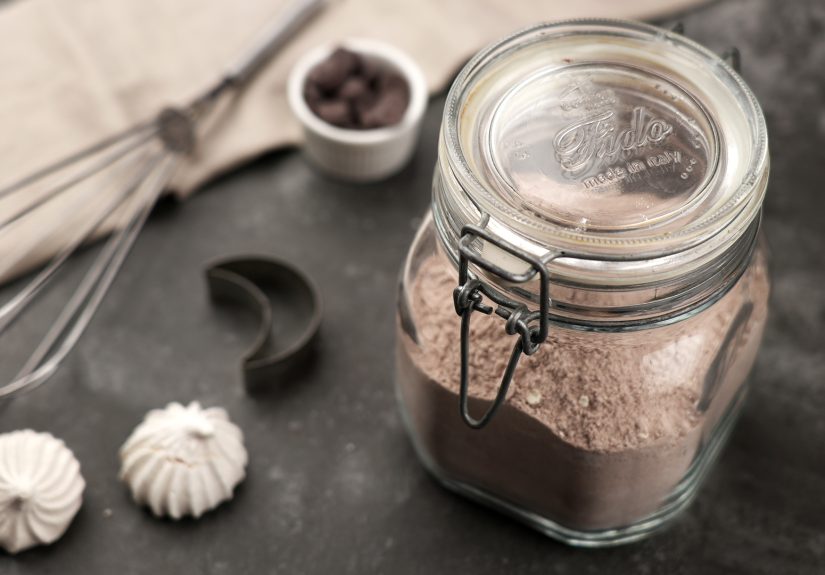
How to Make a Homemade “Instant-Style” Dry Pudding Mix
A true no-cook instant pudding mix requires special modified starch, which is not the same as regular cornstarch. However, you can make a homemade dry pudding mix for quick cooked pudding. It will not thicken instantly with cold milk, but it gives you the convenience of a jarred mix with fewer mystery ingredients.
Dry Vanilla Pudding Mix
- 1 1/2 cups granulated sugar
- 3/4 cup cornstarch
- 1 cup dry milk powder
- 1 teaspoon salt
- Optional: seeds from 1 vanilla bean or 2 teaspoons vanilla powder
How to Store It
Whisk all ingredients together and store the mix in an airtight jar in a cool, dry pantry. Label it with the date. For best flavor, use within 2 to 3 months.
How to Cook It
- Whisk 1/2 cup dry pudding mix with 2 cups milk in a saucepan.
- Cook over medium heat, whisking often, until thickened.
- Remove from heat and stir in 1 tablespoon butter and 1 teaspoon vanilla extract.
- Chill until set.
For chocolate pudding mix, add 1/2 cup unsweetened cocoa powder to the dry mix. You may also increase the sugar slightly if you prefer a sweeter chocolate pudding.
Common Instant Pudding Problems and How to Fix Them
Why Is My Instant Pudding Runny?
Runny pudding usually comes from too much liquid, warm milk, under-whisking, or using a milk substitute that does not set well. To fix it, refrigerate the pudding longer first. If it is still thin, whisk in 1 to 2 tablespoons of additional pudding mix if you have it. For homemade cooked pudding, return it to the saucepan and cook a little longer until it thickens.
Why Is My Homemade Pudding Lumpy?
Lumps happen when dry starch hits hot liquid too quickly or when the pudding is not whisked enough. To prevent lumps, mix dry ingredients well before adding milk, add liquid slowly, and whisk constantly as the pudding heats. If lumps appear anyway, strain the pudding through a fine-mesh sieve. Nobody has to know. Your secret is safe with the spoon.
How Do I Prevent Pudding Skin?
Pudding skin forms when the surface dries as it cools. Some people love it. Some people react like it personally betrayed them. To prevent skin, press plastic wrap directly onto the surface of the warm pudding before chilling.
Can I Freeze Pudding?
You can freeze pudding, but the texture may change after thawing. Cornstarch-thickened puddings can become watery or grainy. If you want a frozen pudding dessert, consider turning it into pudding pops instead. Pour prepared pudding into molds, freeze, and enjoy a creamy frozen treat.
Creative Ways to Use Instant Pudding
Instant pudding is more than a bowl dessert. It is a quiet little pantry overachiever. Add it to cake batter for extra moisture, fold it into whipped cream for a more stable topping, layer it with cookies and fruit for parfaits, or spread it into a graham cracker crust for a no-bake pie. Vanilla pudding works well in banana pudding, chocolate pudding becomes a fast pie filling, and pistachio pudding brings vintage dessert energy in the best possible way.
You can also use pudding as a filling for cream puffs, trifles, icebox cakes, and dessert cups. For a fast family dessert, layer chocolate pudding with crushed sandwich cookies and whipped cream. For a lighter fruit version, layer vanilla pudding with sliced strawberries, blueberries, and crushed vanilla wafers.
Food Safety and Storage Tips
Pudding contains milk, so it should be treated as a perishable food. Refrigerate pudding within 2 hours of preparation, or within 1 hour if the room is very hot. Store it in an airtight container in the refrigerator. For the best taste and texture, eat homemade pudding within 3 to 4 days. Boxed pudding should also be refrigerated after preparation and kept covered.
If pudding smells sour, looks separated in an unusual way, or has visible mold, throw it out. Dessert should bring joy, not a suspicious science project.
My Real-Kitchen Experience: What Actually Makes Pudding Better
After making pudding more times than I can reasonably justify in a kitchen that already contains too many spoons, I have learned that pudding is simple but not careless. It rewards small details. The first detail is temperature. Cold milk is not just a suggestion for instant pudding; it is the difference between thick, creamy pudding and a bowl of sweet milk with ambition. I keep the milk in the refrigerator until the exact moment I need it, then whisk immediately. This one habit improves boxed pudding every time.
The second detail is the bowl. A wider bowl gives you more room to whisk and helps the powder dissolve evenly. When I use a narrow cereal bowl, I almost always find dry pudding mix hiding at the bottom like it is avoiding taxes. A medium mixing bowl solves that problem. I also prefer a balloon whisk instead of a fork. A fork works in emergencies, but a whisk gives smoother results and makes you feel slightly more professional, even if you are wearing pajama pants.
For store-bought pudding, my favorite upgrade is replacing a few tablespoons of the milk with heavy cream. Not too much, because too much fat can make the pudding feel heavy, but 2 to 4 tablespoons of cream adds richness without turning the dessert into a dairy brick. I also like adding a pinch of salt to chocolate pudding. It sounds tiny, but it sharpens the flavor and keeps the sweetness from tasting flat.
For homemade pudding, patience is everything. The first time I made vanilla pudding from scratch, I turned the heat too high because I wanted dessert quickly. The pudding thickened fast, but the texture was not smooth. Lesson learned: medium heat is your friend. Cornstarch needs heat, but it does not need chaos. Slow thickening creates a glossy pudding that feels creamy instead of pasty.
Tempering eggs is another step that sounds fancy but is really just “do not shock the eggs.” I slowly whisk a little hot milk mixture into the yolks before adding them back to the pot. When I rush this step, I get tiny cooked egg bits. They can be strained out, but prevention is much nicer than standing over the sink pretending this was part of the plan.
My favorite serving trick is layering pudding while it is still soft. For banana pudding, I add vanilla wafers, sliced bananas, warm vanilla pudding, and whipped cream. The warm pudding slightly softens the cookies, and after chilling, the whole dessert tastes like it has been carefully planned by someone’s Southern grandmother. For chocolate pudding, I like crushed graham crackers, whipped cream, and shaved chocolate. It looks impressive but takes very little effort, which is exactly the kind of kitchen magic I support.
The biggest lesson is that pudding does not need to be complicated to be good. A boxed mix can be delicious when made with cold whole milk and chilled properly. A homemade version can taste luxurious with pantry ingredients and gentle heat. Whether you are making a five-minute dessert after dinner or a from-scratch bowl for a weekend treat, pudding is forgiving, affordable, and wonderfully nostalgic. It is proof that comfort food does not need a dramatic entrance. Sometimes it just needs a whisk.
Conclusion
Learning how to make instant pudding gives you more than one dessert option. You can prepare store-bought pudding in minutes, make it creamier with simple upgrades, adapt it for pies and parfaits, or create homemade vanilla and chocolate pudding from scratch. The main rule is simple: use cold milk for instant pudding and steady heat for homemade pudding. Once you understand that difference, you can customize flavors, fix texture problems, and turn a humble bowl of pudding into a dessert that tastes far more special than the effort required.
Whether you love classic vanilla, rich chocolate, banana pudding, no-bake pies, or fluffy pudding mousse, this easy dessert deserves a permanent spot in your kitchen rotation. It is quick, flexible, budget-friendly, and always ready to rescue a Tuesday night from being boring.