Table of Contents >> Show >> Hide
- What Is Reishi Mushroom?
- 1. Reishi May Support Immune Function
- 2. Reishi May Help Reduce Fatigue and Improve Well-Being
- 3. Reishi Shows Potential as a Complementary Tool in Cancer Care
- 4. Reishi May Ease Lower Urinary Tract Symptoms in Men
- 5. Reishi Contains Antioxidant and Anti-Inflammatory Compounds
- 6. Reishi Might Support Blood Sugar and Heart Health, but the Data Are Mixed
- Side Effects of Reishi Mushroom
- Reishi Mushroom Dosage: How Much Should You Take?
- How to Take Reishi Mushroom
- Final Takeaway
- Real-World Experiences With Reishi Mushroom
If kale is the class valedictorian of the produce aisle, reishi mushroom is the mysterious, bitter, woodsy genius who sits in the back row and somehow still aces the exam. Also known as Ganoderma lucidum or lingzhi, reishi has been used for centuries in traditional Asian medicine and is now starring in capsules, powders, coffees, teas, and wellness blends that promise everything short of folding your laundry.
But here’s the adult-in-the-room version: reishi mushroom may offer some real health perks, especially around immune activity, fatigue, and certain symptom-related quality-of-life issues. At the same time, the human evidence is still limited in several areas, and some popular claims get way ahead of the science. In other words, reishi is intriguing, but it is not magic dust in a capsule.
This guide breaks down what reishi mushroom is, the six most talked-about reishi mushroom benefits, what the research actually suggests, possible side effects, common dosage ranges, and the situations where it makes sense to be cautious. If you are curious about adding reishi to your routine, this is the no-hype version.
What Is Reishi Mushroom?
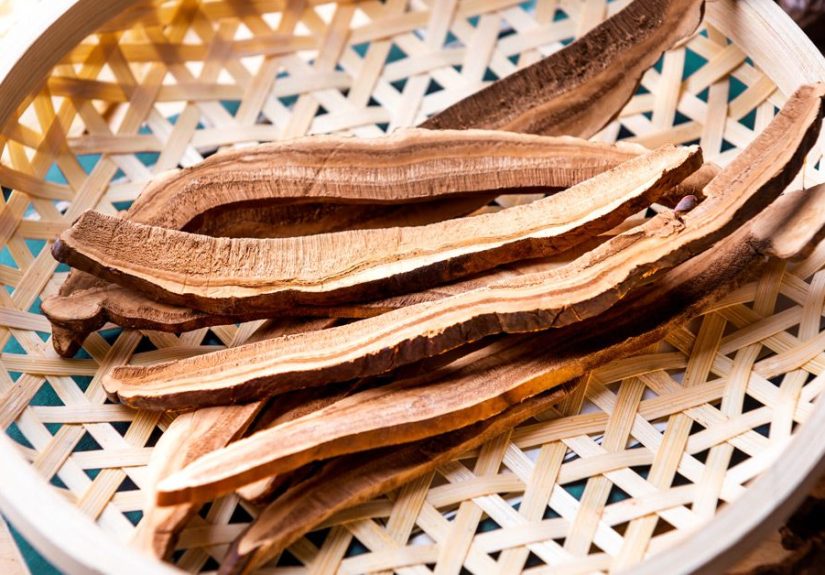
Reishi is a dark, glossy mushroom with a hard, woody texture and a famously bitter taste. You are not likely to sauté it like button mushrooms and call it dinner. Instead, it is usually consumed as an extract, powder, capsule, tincture, or tea. The compounds that get most of the scientific attention are polysaccharides, especially beta-glucans, and triterpenes. These compounds are believed to help explain reishi’s immune, antioxidant, and anti-inflammatory effects.
That said, not all reishi products are created equal. A hot-water extract, an alcohol extract, a powdered whole mushroom, and a “mushroom latte” can all behave differently. That is one reason people get confused: they think they are comparing the same product when they are really comparing four completely different mushrooms wearing the same nametag.
1. Reishi May Support Immune Function
The biggest reason reishi gets attention is immune support. Research suggests that compounds in reishi may interact with immune cells such as natural killer cells, lymphocytes, and other parts of the body’s defense system. This does not automatically mean reishi will stop you from getting every cold, turn you into a germ-proof superhero, or make your immune system “stronger” in a simple, universal way. The immune system is not a car engine that benefits from being revved nonstop.
Still, this is one of the more plausible reishi mushroom benefits. Scientists are especially interested in how beta-glucans and related compounds may help modulate immune activity rather than simply “boost” it. That distinction matters. A healthy immune response is about balance, not maximum volume.
For readers looking at reishi for general wellness, this is probably the most evidence-backed reason to be interested. The catch is that the strongest signals come from lab data, animal research, and small human studies, not from massive gold-standard trials in healthy Americans.
2. Reishi May Help Reduce Fatigue and Improve Well-Being
Another commonly discussed benefit of reishi mushroom is its potential effect on fatigue and day-to-day well-being. In a placebo-controlled clinical trial, participants with neurasthenia, a condition associated with fatigue and general exhaustion, showed improvements in fatigue and overall well-being after taking a reishi polysaccharide extract.
Now, let’s keep both feet on the ground. This does not prove that everyone who takes reishi will suddenly leap out of bed at 5:00 a.m. ready to alphabetize the garage. But it does suggest that reishi may have value for some people dealing with low energy, stress-related exhaustion, or a worn-down feeling.
This is also where anecdotal interest tends to be strong. Many people do not describe reishi as “energizing” in the same way caffeine is energizing. Instead, they describe a smoother kind of support: less frazzled, less dragged out, more steady. Think “quiet competence” rather than “espresso-fueled chaos.”
3. Reishi Shows Potential as a Complementary Tool in Cancer Care
This section needs a giant honesty label, so here it is: reishi mushroom is not an FDA-approved treatment for cancer, and it should never replace surgery, chemotherapy, radiation, immunotherapy, or any treatment plan designed by an oncology team.
That said, reishi has been studied as an adjunct or complementary option in cancer care, particularly because of its immune-related effects. Some studies suggest that products made from reishi may help support immune responses in certain cancer settings, and there has also been interest in whether reishi-related preparations may affect benign colorectal tumor formation. This is why reishi keeps popping up in conversations about integrative oncology.
But the evidence is still limited, and high-quality reviews have concluded that the data are not strong enough to recommend reishi as an initial or stand-alone cancer treatment. So yes, there is scientific interest. No, there is not a green light to treat serious disease with mushroom powder and optimism.
4. Reishi May Ease Lower Urinary Tract Symptoms in Men
One of the more specific and surprisingly interesting areas of reishi research involves lower urinary tract symptoms, especially in men with issues linked to an enlarged prostate. Small clinical trials found that certain reishi extracts improved symptom scores, such as frequent urination or incomplete emptying, even though they did not appear to shrink prostate size.
That is important because symptom relief is not always the same thing as changing the underlying anatomy. If a product helps you feel better but does not change the prostate itself, that can still matter in real life. Better sleep, fewer bathroom trips, and less irritation can have a meaningful effect on quality of life.
Still, this is not a replacement for a proper medical evaluation. If someone has urinary symptoms, they should not assume reishi is the answer. Those symptoms can overlap with benign prostatic hyperplasia, infection, medication side effects, or more serious conditions. Reishi might be a side conversation, not the main event.
5. Reishi Contains Antioxidant and Anti-Inflammatory Compounds
Reishi also earns attention because it contains compounds associated with antioxidant and anti-inflammatory activity. In plain English, antioxidants help the body handle oxidative stress, while anti-inflammatory compounds may help calm processes that can contribute to chronic disease over time.
This is one reason reishi gets grouped with “functional mushrooms.” It is not just about vitamins and minerals. The conversation is really about bioactive compounds that may influence how the body responds to stress, cell damage, and inflammation.
Here is the important nuance: finding antioxidant activity in a mushroom or test tube is not the same as proving a dramatic clinical benefit in humans. Still, the antioxidant angle helps explain why reishi remains scientifically interesting and why it is often used in broader wellness routines aimed at resilience, recovery, and long-term health support.
6. Reishi Might Support Blood Sugar and Heart Health, but the Data Are Mixed
This is the part where marketing departments get way too excited. Reishi is often promoted for blood pressure, cholesterol, blood sugar, and overall heart health. There are reasons people make those claims: mushrooms contain compounds that look promising in theory, and some small studies have hinted at metabolic benefits.
But when researchers looked more closely at randomized controlled trials, the results were not consistently impressive. Reviews of human studies have found that reishi did not reliably improve hemoglobin A1c, fasting blood sugar, cholesterol, triglycerides, or blood pressure in people with type 2 diabetes or metabolic risk factors.
So can reishi be part of a heart-conscious, blood-sugar-aware lifestyle? Sure, especially if it helps someone build a more thoughtful health routine. But should it be sold as a proven fix for diabetes, hypertension, or cholesterol problems? No. That leap is bigger than the evidence supports.
Side Effects of Reishi Mushroom
Even natural products can have side effects, and reishi is no exception. Commonly reported side effects include:
- Nausea
- Upset stomach
- Dry mouth
- Dizziness
- Itching or rash
- Headache
- Diarrhea
- Insomnia in some users
There is also a more serious concern: rare liver injury has been reported, especially with some powdered reishi products. That does not mean everyone who takes reishi is headed for liver trouble, but it does mean people should treat supplements with the same respect they give medication. If your skin or eyes turn yellow, your urine darkens, or you develop unusual fatigue, nausea, or abdominal pain, stop using the product and contact a healthcare professional promptly.
Who Should Be Extra Careful?
Reishi may not be a good fit for everyone. Use caution or avoid it if you:
- Are pregnant or breastfeeding
- Take blood thinners or antiplatelet medication
- Have a bleeding disorder
- Take blood pressure medication
- Take diabetes medication
- Use immunosuppressant drugs
- Have liver disease
- Are scheduled for surgery soon
Reishi may increase bleeding risk, may lower blood pressure or blood sugar, and may interact with some medications. Translation: if your medicine cabinet already looks like a small pharmacy, talk to a clinician before adding mushroom supplements to the mix.
Reishi Mushroom Dosage: How Much Should You Take?
There is no single official evidence-based dosage for reishi that applies to every person and every goal. Dose depends on the form, concentration, and product quality. That said, commonly cited supplemental ranges include:
- Dried mushroom: 1.5 to 9 grams per day
- Powder: 1 to 1.5 grams per day
- Tincture: around 1 mL per day
- Extracts used in studies: often 1,400 to 5,400 mg per day, usually in divided doses
If you decide to try reishi, start low and go slow. Pick one product, read the label carefully, and avoid stacking it with three other adaptogens, two greens powders, and a “focus gummy” that tastes like suspicious raspberries. That is not a wellness routine. That is a chemistry experiment.
Smart Dosage Tips
- Choose a brand that clearly states the species and extract type.
- Look for third-party testing when possible.
- Take it consistently for a set period before judging results.
- Stop if you notice side effects.
- Ask your healthcare provider if you take prescription medication.
How to Take Reishi Mushroom
Most people use reishi as capsules, powders, or liquid extracts. Tea is another option, though it tends to be very bitter. Some people add powder to coffee, smoothies, cocoa, or oatmeal. That can make it easier to use regularly, but convenience should not distract from the fact that you are still taking a biologically active supplement.
In general, reishi is best approached as a “supportive maybe,” not a “miracle definitely.” If your expectations are realistic, you are more likely to notice whether it is actually helping. If you expect one mushroom to fix sleep, stress, cholesterol, inflammation, focus, mood, and your email inbox, disappointment is practically guaranteed.
Final Takeaway
Reishi mushroom is one of the most researched medicinal mushrooms in the wellness world, and some of the interest is justified. The most plausible reishi mushroom benefits include immune support, help with fatigue and well-being, possible symptom relief in certain urinary issues, and antioxidant activity. There is also ongoing interest in reishi as a complementary tool in cancer care, though it is absolutely not a cancer treatment.
At the same time, several popular claims about reishi and blood sugar, cholesterol, and blood pressure are not strongly supported by current human evidence. Side effects and drug interactions are real, and product quality varies widely.
The bottom line: reishi may be worth considering if you want a carefully chosen mushroom supplement with some promising science behind it. Just bring common sense with you. Nature can be helpful, but it still expects you to read the label.
Real-World Experiences With Reishi Mushroom
When people talk about their experience with reishi mushroom, the first thing they usually mention is not an instant health transformation. It is the taste. Reishi has a bitter, earthy, woody flavor that makes many first-time users react like they accidentally brewed tree bark on purpose. That is one reason capsules and extracts are so popular. They let people test reishi without needing to pretend they enjoy sipping a mug that tastes like a forest had a serious opinion.
Another common experience is that reishi does not feel dramatic. Unlike caffeine, it does not usually arrive with jazz hands. People who like it often describe the effect as subtle and gradual. They may say they feel a little steadier, a little less run-down, or a little more balanced after a few weeks of consistent use. That can be encouraging, but it also makes reishi easy to misjudge. Some users expect fireworks, and reishi tends to offer candlelight instead.
People who use reishi for stress or sleep support often report a “calmer at night” feeling rather than a knockout effect. It is not the supplement equivalent of being hit on the head with a pillow. Instead, some users say they feel less wired at bedtime or less mentally noisy after a stressful day. Others notice nothing at all, which is also a perfectly valid experience. Supplements are notorious for reminding us that human bodies refuse to read the same script.
There are also plenty of people who stop using reishi because of side effects. Mild stomach discomfort is one of the biggest reasons. Some users report nausea, bloating, or digestive annoyance, especially when they start with a large dose right away. Others dislike the dry mouth or slightly scratchy feeling they notice with certain powders or extracts. These experiences are a good reminder that “natural” does not mean “universally lovable.” Poison ivy is natural too, and nobody is sprinkling that into smoothies.
Another real-world pattern is confusion about dosage. One product says 500 mg, another says 1,500 mg, another talks about fruiting body extract, and another seems suspiciously proud of containing “mushroom blend” without explaining which mushroom or how much. Many people discover that the hardest part of using reishi is not swallowing it. It is figuring out what they are actually swallowing.
Some users also describe reishi as part of a bigger health reset rather than a stand-alone hero. They start taking it during a period when they are also sleeping more, drinking less alcohol, eating better, or trying to manage stress. In those situations, it can be genuinely hard to tell whether reishi deserves the credit, part of the credit, or just a polite honorable mention. That does not mean the experience is fake. It just means wellness is messy and rarely comes with a clean spreadsheet.
The most sensible long-term users tend to have one thing in common: they stay realistic. They do not expect reishi to replace medication, treat a serious disease, or erase the consequences of five hours of sleep and a diet held together by drive-thru coffee. They use it as one tool, pay attention to how they feel, and stop if their body seems unimpressed. Honestly, that may be the healthiest supplement habit of all.