Table of Contents >> Show >> Hide
- 1. Upgrade the Lighting and Let the Room Glow Up
- 2. Repaint with Warm, Sophisticated Color
- 3. Choose a Rug That Actually Fits
- 4. Refresh the Dining Chairs for Comfort and Personality
- 5. Add Storage That Looks Like Decor
- 6. Bring in Texture with Window Treatments, Wall Decor, and Natural Materials
- 7. Update the Table Setting for Everyday Style
- 8. Improve the Layout So the Room Works Better
- Bonus: How to Make the Updates Feel Cohesive
- Practical Budget Guide for Dining Room Updates
- Dining Room Update Mistakes to Avoid
- Personal Experiences and Real-Life Lessons from Dining Room Updates
- Conclusion
The dining room has quietly become the home’s comeback kid. For years, it was either the “special occasion” room where dust gathered faster than guests, or the accidental storage zone for mail, school projects, and that one chair nobody knows what to do with. But today, dining rooms are getting their sparkle back. They are no longer just places to eat; they are places to gather, work, celebrate, talk, laugh, and occasionally pretend the takeout was homemade.
The best dining room updates do not require knocking down walls or ordering a marble table so heavy it needs its own ZIP code. In many homes, small but strategic changes can completely shift the mood of the room. A better light fixture, a larger rug, warmer paint, more comfortable chairs, or a stylish storage piece can turn a forgotten dining area into one of the most inviting spaces in the house.
Below are eight practical, stylish, and highly livable dining room updates that work for real American homeswhether you have a formal dining room, a breakfast nook, an open-concept dining space, or a corner that is bravely doing its best.
1. Upgrade the Lighting and Let the Room Glow Up
If the dining room had a personality test, lighting would be its confidence level. A tired flush mount or undersized chandelier can make even beautiful furniture look flat. A well-chosen light fixture, on the other hand, instantly gives the room a focal point.
For most dining rooms, a chandelier or pendant should feel connected to the table below it. A common design guideline is to choose a fixture about one-half to two-thirds the width of the table. Hang it roughly 30 to 36 inches above the tabletop for an 8-foot ceiling, adding a few inches for taller ceilings. This keeps the fixture low enough to feel intimate but high enough that guests can see each other without ducking around a lampshade like they are spying in a detective movie.
Try layered lighting
One overhead light is useful, but one overhead light alone can feel harsh. Add wall sconces, a buffet lamp, picture lights, or even cordless table lamps for a softer evening atmosphere. Dimmers are a small upgrade with a big payoff. Bright light works for homework and board games; a warm, dimmed glow works for dinner parties and “we made pasta, therefore we are fancy” nights.
2. Repaint with Warm, Sophisticated Color
Paint is one of the fastest ways to change the emotional temperature of a dining room. White and light neutrals still have their place, especially in small or low-light spaces, but many homeowners are moving toward warmer, deeper, more personality-filled colors.
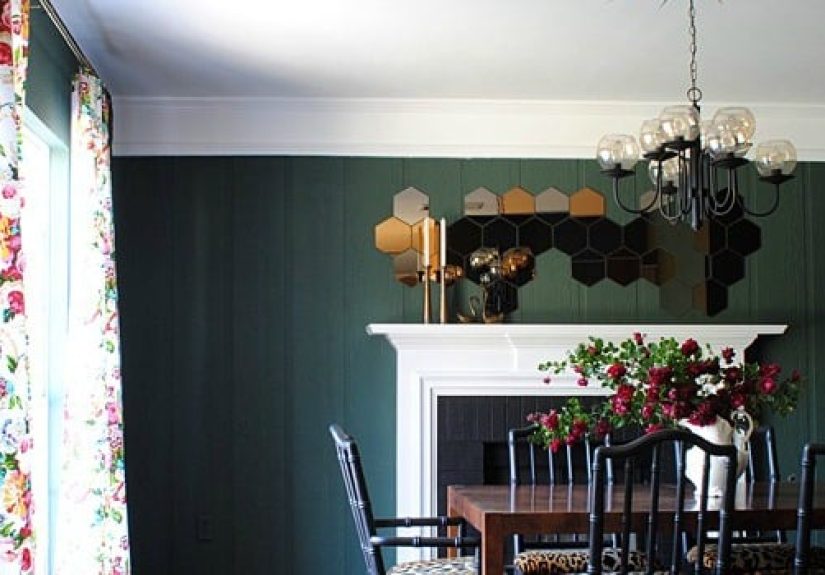
Earthy neutrals, mushroom tones, soft greens, smoky blues, rich browns, terracotta, and muted plum shades all work beautifully in dining rooms because they create atmosphere. A dining room can handle drama better than many other spaces. Unlike a bedroom, it does not have to lull you to sleep. Unlike a kitchen, it does not have to compete with appliances, counters, and cabinet hardware. It can simply be charming, moody, and memorable.
Color ideas that work well
For a timeless update, try a warm khaki, greige, or soft taupe. For a cozier look, consider olive green, chocolate brown, clay, or deep blue. If painting the entire room feels bold, start with an accent wall, painted trim, wainscoting, or the inside of a built-in cabinet. Even a painted ceiling can make the room feel custom without requiring a full renovation.
3. Choose a Rug That Actually Fits
A dining room rug should do more than look pretty in photos. It needs to survive chair movement, crumbs, pets, kids, and the occasional salsa incident. The biggest mistake is choosing a rug that is too small. When chairs catch on the rug edge every time someone sits down, the room immediately feels awkward.
A reliable rule is to choose a rug that extends at least 24 inches beyond the table on all sides. If your chairs are large or your room allows it, 30 inches is even better. This gives guests enough room to pull chairs out while keeping all chair legs on the rug.
Best rug materials for dining rooms
Flatweave rugs, low-pile wool rugs, indoor-outdoor rugs, and performance fiber rugs are practical choices. They are easier to clean and less likely to trap crumbs than thick shag styles. A rug with pattern or color variation can also hide everyday wear. In other words, the rug should be beautiful, but it should not faint dramatically every time someone drops a cracker.
4. Refresh the Dining Chairs for Comfort and Personality
Dining chairs are where style meets reality. A chair may look gorgeous, but if guests start shifting around after ten minutes, the chair has failed its dinner-party audition. Updating chairs can make a dining room feel more current, more comfortable, and more personal.
You do not need a perfectly matched dining set. In fact, mixed seating often feels more collected and modern. Try upholstered host chairs at the ends of a rectangular table, wood side chairs along the length, or a bench on one side for a relaxed family-friendly look. The key is to keep proportions compatible. Seat heights should be similar, and the overall mix should feel intentional rather than “we found these in three different garages.”
Chair update ideas
If new chairs are not in the budget, reupholster the seats, add washable slipcovers, paint wood frames, or replace only the two end chairs. Performance fabrics are especially useful in dining spaces because they resist stains and everyday mess. For small rooms, slim chairs with open backs can keep the area from feeling crowded.
5. Add Storage That Looks Like Decor
A dining room without storage often becomes a room where everything lands but nothing belongs. A sideboard, buffet, credenza, bar cabinet, or built-in shelving unit can solve that problem while adding visual weight and function.
Storage gives you a place for table linens, candles, serving pieces, extra dishes, wine glasses, and the fancy napkins you bought because you were temporarily convinced you were the kind of person who hosts brunch with cloth napkins. Good news: now you can become that person.
How to style dining room storage
Keep the top of a buffet balanced but not overcrowded. A pair of lamps, a large mirror or artwork, a tray, and a vase of branches can create a polished look. Closed storage is best for practical items, while open shelves are better for attractive pieces such as ceramics, glassware, cookbooks, baskets, or sculptural objects.
6. Bring in Texture with Window Treatments, Wall Decor, and Natural Materials
Texture is what keeps a dining room from looking like a furniture showroom. A table, chairs, and light fixture may technically complete the space, but texture makes it feel layered and lived in.
Start with window treatments. Curtains can soften hard edges, improve acoustics, and add color or pattern. Roman shades are excellent for smaller dining rooms because they add polish without taking up floor space. Woven shades bring in natural texture and pair beautifully with wood furniture.
Easy texture upgrades
Add grasscloth wallpaper, framed fabric, woven baskets, ceramic vases, linen napkins, cane chairs, wood bowls, or a plaster-style mirror. Natural materials such as oak, walnut, rattan, jute, linen, stone, and clay are especially effective because they age gracefully and make the room feel warm instead of overly decorated.
7. Update the Table Setting for Everyday Style
A dining room should not only look good when guests are coming over. It should feel pleasant on an ordinary Tuesday when dinner is soup, sandwiches, and a collective family decision not to discuss the laundry.
An everyday tablescape can be simple: a runner, a low bowl, a few candlesticks, a vase of greenery, or a tray with salt, pepper, and napkins. The goal is not to create a restaurant-level setup every day. The goal is to keep the table from becoming a drop zone.
Keep centerpieces conversation-friendly
Choose low centerpieces so people can see across the table. Tall branches or dramatic flowers can look beautiful on a sideboard, but at the table they may force guests to lean around them like they are watching tennis. For easy seasonal updates, rotate small accessories: spring flowers, summer fruit bowls, autumn branches, winter candles, or holiday greenery.
8. Improve the Layout So the Room Works Better
Sometimes the most powerful dining room update is not buying anything new. It is moving what you already own. A dining room should allow people to walk around the table, pull out chairs, serve food, and move comfortably between nearby spaces.
As a general rule, leave about 36 inches between the table edge and the wall or major furniture when possible. In smaller rooms, you may have less space, but the goal is to avoid making guests squeeze sideways while holding a plate. If your dining room is narrow, consider an oval table, a round table, or armless chairs. If the space is open-concept, use a rug, pendant light, or wall treatment to define the dining zone.
Small dining room tricks
Round tables work beautifully in compact spaces because they improve flow and make conversation easier. Benches can tuck under the table when not in use. Mirrors can bounce light and visually expand the room. A wall-mounted shelf or slim console can add function without swallowing floor space.
Bonus: How to Make the Updates Feel Cohesive
The secret to a polished dining room is not matching every item. It is repeating a few elements so the room feels connected. Choose two or three finishes or materials and echo them throughout the space. For example, black metal in the chandelier can reappear in curtain rods or picture frames. Warm wood in the table can connect with woven shades or a walnut sideboard. Brass hardware can repeat in candleholders or a mirror frame.
Color repetition matters, too. If your rug includes olive, cream, and rust, bring one of those tones into artwork, napkins, or a vase. These small echoes make the room look thoughtfully designed even when the pieces come from different stores, different years, or different chapters of your decorating life.
Practical Budget Guide for Dining Room Updates
A dining room refresh can cost very little or become a full-scale design project. The smart approach is to decide which update will create the biggest improvement first.
Low-budget updates
Paint the walls, swap bulbs for warmer light, add a dimmer, change the centerpiece, style the buffet, frame new art, replace chair cushions, or add curtains. These changes can dramatically improve the mood without requiring major spending.
Mid-range updates
Upgrade the chandelier, buy a properly sized rug, add a sideboard, replace two host chairs, install sconces, or use wallpaper on one wall. These updates create a stronger design statement while still keeping the project manageable.
Higher-investment updates
Purchase a new dining table, install built-ins, add custom millwork, replace flooring, or redesign the room’s lighting plan. These changes are more expensive, but they can add long-term function and style, especially if the dining room is used often.
Dining Room Update Mistakes to Avoid
Even good design ideas can go sideways without planning. One common mistake is choosing style over comfort. Dining rooms are for sitting, eating, talking, and lingering. If the chairs are uncomfortable or the lighting is too harsh, the room will not be used no matter how pretty it looks.
Another mistake is ignoring scale. A tiny chandelier over a large table looks nervous. A huge table in a small room feels like furniture bullying. A rug that is too small creates daily frustration. Measure first, shop second, celebrate third.
Finally, avoid making the room so formal that nobody wants to enter it. A beautiful dining room should still feel welcoming. Add one relaxed element: a woven basket, a casual vase, family photos, washable fabrics, or a slightly imperfect vintage piece. Perfection is impressive, but comfort is what gets people to sit down and stay awhile.
Personal Experiences and Real-Life Lessons from Dining Room Updates
One of the most useful lessons from updating dining rooms is that the room often tells you what it needs before you spend any money. If nobody uses the room, ask why. Is it too dark? Are the chairs stiff? Does the table collect clutter because there is no storage nearby? Is the rug constantly catching chair legs? The answers usually point to the smartest update.
In many homes, lighting is the first thing people change and the first thing everyone notices. A dated chandelier can make the room feel older than it really is. Replacing it with a fixture that fits the table size can make the entire space feel intentional. Adding dimmable bulbs is another small change that has an almost magical effect. Dinner under harsh white light feels like a cafeteria. Dinner under warm, soft light feels like someone remembered to care.
Rug size is another real-life lesson learned the hard way. A small rug may look acceptable when all the chairs are pushed in, but the moment people sit down, the problems begin. Chair legs fall off the rug, edges curl, and someone eventually performs the awkward “chair scoot shuffle.” A larger rug instantly makes the room feel calmer and more expensive, even if the rug itself is not wildly expensive.
Paint also has a surprisingly emotional impact. A dining room painted in a flat, builder-grade beige may feel safe, but it can also feel forgettable. Warmer colors create a sense of occasion. Deep green, soft brown, muted blue, clay, or even a rich charcoal-brown can make simple furniture feel elevated. The trick is to test paint samples in morning light, afternoon light, and evening light. Dining rooms are often used at night, so a color that looks lovely at noon should also look flattering under artificial light.
Another experience worth mentioning is the power of storage. Once a sideboard or cabinet enters the room, the dining table often stops being the family dumping ground. Suddenly, placemats have a home. Candles have a drawer. Serving bowls are no longer hiding in three unrelated kitchen cabinets. This kind of organization makes hosting easier because everything needed for the table is close by.
Mixing old and new pieces can also make a dining room feel more authentic. A brand-new table can look warmer with vintage chairs. A traditional buffet can feel modern with abstract art above it. A simple dining set can gain character from a bold rug or sculptural pendant. The best rooms rarely look as if they were purchased in one afternoon. They look collected, adjusted, and loved over time.
For families, durability matters as much as beauty. Washable slipcovers, wipeable chair seats, performance fabrics, and low-maintenance rugs are not boring choices; they are survival tools with style. A dining room should be ready for birthday cake, spaghetti sauce, craft projects, holiday meals, and that one guest who gestures enthusiastically with a glass of red wine.
Finally, the most successful dining room updates make people want to gather. That is the real test. Not whether the room matches a trend perfectly. Not whether every accessory is designer-approved. The real question is simple: does the room invite people to sit, eat, talk, and stay a little longer? If yes, the update worked.
Conclusion
These eight dining room updates prove that a better dining space does not have to start with a dramatic renovation. Better lighting, warmer paint, the right rug, comfortable chairs, useful storage, layered texture, thoughtful table styling, and a smarter layout can completely change how the room looks and feels.
The dining room is where everyday meals become memories, where holidays unfold, where friends linger, and where even a basic weeknight dinner can feel a little more special. Give the room a few smart updates, and it may surprise you by becoming one of the most loved spaces in your home. Just be warned: once the dining room looks this good, people may expect you to host. Keep snacks ready.