Table of Contents >> Show >> Hide
Few objects are as cheerful, dramatic, and ridiculously committed to their own grand finale as a balloon. It floats into a room like it owns the party, bounces around like a tiny rubber moon, and thenwhen the moment is rightgoes out with a bang. Whether you are cleaning up after a birthday party, preparing a game, removing decorations, or trying to stop a balloon from squeaking across the ceiling like a mischievous squirrel, knowing how to pop a balloon safely is surprisingly useful.
This guide explains how to pop a balloon in 7 simple steps, with a strong focus on safety, cleanup, and common-sense party survival. Yes, popping a balloon seems easy. But doing it near someone’s ear, beside a nervous pet, around small children, or under a ceiling fan can turn a tiny pop into a mini disaster starring confetti, tears, and one very offended dog.
Below, you will learn the safest ways to pop latex and foil balloons, how to reduce the loud noise, what to avoid, and how to dispose of balloon pieces responsibly. Think of this as balloon-popping schoolminus the tuition, plus more squeaky rubber than anyone asked for.
Before You Pop: A Few Safety Notes
Balloons are fun, but they deserve a little respect. Broken balloon pieces can be a choking hazard for young children, especially those under 8 years old. Latex balloons may also trigger reactions in people with latex allergies, and foil or metallic balloons should never be allowed near power lines because their coating can conduct electricity. In other words, the humble balloon is cute, but it is not completely innocent.
Before popping any balloon, move away from babies, toddlers, pets, food, open flames, electrical equipment, and anyone who startles easily. If someone nearby has sensitive hearing, anxiety around sudden noises, or a known latex allergy, choose a quieter removal method or ask them to step away first. A balloon pop should be a cleanup tasknot a surprise jump scare audition.
How to Pop a Balloon: 7 Steps
Step 1: Choose the Right Place
The first step is not grabbing a pin. It is choosing where the balloon should meet its dramatic end. Select an open, well-lit space where you can clearly see the balloon and easily collect the pieces afterward. A kitchen, garage, hallway, or outdoor patio can work well, as long as the area is away from small children and pets.
Avoid popping balloons near someone’s face or ears. The sound can be startling and uncomfortable, especially in small rooms where noise bounces off the walls like it has had too much birthday cake. If you are popping several balloons after an event, do it in batches rather than creating a full orchestra of rubber explosions.
Step 2: Check the Type of Balloon
Not all balloons are the same. Latex balloons are stretchy, rubbery, and usually round or oval. Foil balloons, often called Mylar balloons, are shiny, metallic-looking, and commonly shaped like numbers, letters, hearts, stars, or cartoon characters. Each type needs a slightly different approach.
A latex balloon usually pops quickly when punctured. A foil balloon often does not “pop” in the same way; it usually deflates when you cut or open the sealed edge. If the balloon is filled with helium, hold onto it firmly before doing anything. A loose helium balloon can drift away outdoors, become litter, harm wildlife, or create problems if it contacts electrical equipment. The goal is to pop or deflate the balloonnot send it on an unpaid internship into the sky.
Step 3: Decide Whether You Want a Loud Pop or a Quiet Deflate
If you are playing a party game, a loud pop may be part of the fun. If you are cleaning up after guests have gone home, a quieter method is usually better. To reduce the noise, avoid stabbing the tightest part of a fully inflated latex balloon. Instead, gently stretch the neck of the balloon and make a small opening near the tied end, allowing air to escape more slowly.
For foil balloons, the quietest option is to insert a straw carefully into the self-sealing valve and press gently to release the air or helium. This is useful if you want to reuse the balloon later or avoid startling the entire house. Quiet deflation is especially helpful around pets, sleeping siblings, neighbors, or anyone who has already survived enough birthday party chaos for one day.
Step 4: Use a Safe Tool
For a latex balloon, a pin, thumbtack, paper clip, or small pair of scissors can work. The safest choice is a tool you can control easily. Hold it firmly and point it away from your body. Do not swing, throw, bite, burn, or stomp wildly on the balloon. That last one may feel heroic, but it is also how people slip, scare pets, or send balloon bits under the couch where they will live until the next ice age.
If children are involved in a balloon-popping game, an adult should supervise closely. For younger kids, it is better for an adult to handle the actual popping and let the children enjoy the game from a safe distance. If the activity includes hidden notes, candy, or small prizes inside balloons, make sure the contents are age-appropriate and not a choking risk.
Step 5: Hold the Balloon Correctly
Hold the balloon away from your face and body. If it is a latex balloon, grip the tied neck or hold it gently against a flat surface, such as a table, cardboard box, or trash bag. Do not squeeze too hard unless you want the balloon to choose its own popping schedule. Balloons are famous for having terrible manners in this department.
For a cleaner pop, place the balloon partly inside a large trash bag before puncturing it. This helps contain the broken pieces and makes cleanup much easier. It is especially useful if you are removing dozens of balloons from an arch, garland, or party backdrop. Instead of chasing rubber scraps around the room, you can keep most of them in one place.
Step 6: Pop or Deflate the Balloon
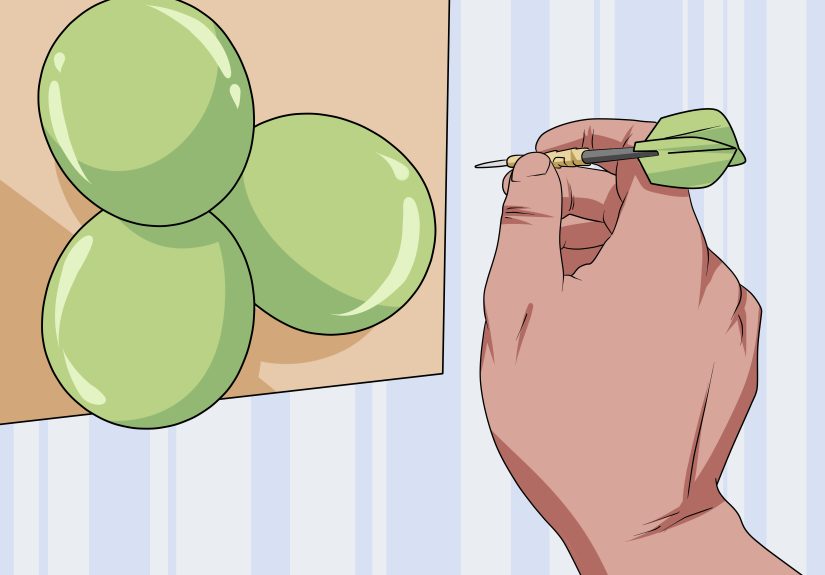
Now comes the main event. For a loud pop, touch the tip of your tool to the balloon and apply light pressure until it bursts. You do not need force. A fully inflated latex balloon is already under pressure, so a tiny puncture is usually enough. If the balloon does not pop immediately, do not jab repeatedly like you are fencing with a grape. Pause, reposition, and try again gently.
For a quieter deflation, pinch the balloon near the knot and carefully make a small cut or puncture near the neck. Let the air escape gradually. For foil balloons, use the valve method with a straw or carefully cut a small opening away from your face. Keep control of the balloon until it is fully deflated.
If a balloon contains confetti, glitter, powder, or tiny decorations, place it inside a bag before popping it. Confetti balloons look festive until cleanup begins. Then they become tiny circular homework assignments scattered across the floor.
Step 7: Clean Up Immediately
After the balloon pops, pick up every visible piece right away. This is the most important step, especially if children or animals are nearby. Latex scraps can be flexible and easy to miss, while ribbons and strings can tangle around furniture, paws, or vacuum rollers. Dispose of all balloon pieces in a secure trash container.
Never release balloons outdoors as a form of cleanup or celebration. Released balloons eventually come down, and they can harm birds, turtles, marine animals, livestock, and other wildlife. Foil balloons can also cause power outages if they drift into electrical equipment. A popped balloon belongs in the trashnot in a tree, not in the ocean, and definitely not wrapped around a power line like a party decoration with terrible judgment.
Best Methods for Popping Different Balloons
How to Pop a Latex Balloon
The easiest way to pop a latex balloon is to puncture it with a small, sharp object while holding it away from your face. For less noise, cut or puncture near the tied end and allow air to escape slowly. If the balloon is part of a garland, detach it first when possible so you can control the cleanup.
How to Deflate a Foil Balloon
Foil balloons are often reusable if handled carefully. Insert a straw into the valve opening and press gently to release the gas. Once flat, fold the balloon neatly and store it away from heat, sharp objects, and young children. If the balloon is damaged, cut it open carefully and dispose of it securely.
How to Pop Water Balloons
Water balloons usually pop from impact, but cleanup still matters. Pick up the rubber pieces after outdoor games. Small balloon fragments can remain in grass and become a risk for pets, wildlife, or younger children. A good rule: if you can throw the balloon, you can pick up the pieces. That is not science; it is party karma.
Common Mistakes to Avoid
One common mistake is popping balloons close to someone’s ear. Even a single pop can feel painfully loud at close range. Another mistake is allowing children to chew, stretch, or suck on uninflated balloons. Balloons should not be treated like gum, snacks, whistles, or science experiments involving teeth.
Do not burn balloons to pop them. Heat can create fumes, melted plastic, fire risks, and messy residue. Do not inhale helium from balloons either. It may make a voice sound funny for a moment, but it can displace oxygen and cause serious harm. A cartoon voice is not worth a medical emergency.
Also avoid popping balloons near food. Tiny rubber pieces can land where you do not expect them. If balloons are part of a party setup, remove them before serving food or pop them in a separate cleanup area afterward.
Balloon Popping for Games and Parties
Balloon-popping games can be fun when they are planned carefully. For example, you can place small paper notes inside balloons before inflating them, then let participants pop the balloons to reveal challenges, trivia questions, or team assignments. Keep the contents soft, lightweight, and safe. Avoid sharp items, tiny objects for young children, or anything messy unless you are emotionally prepared to vacuum for the rest of the afternoon.
For school events, family parties, or indoor games, consider using fewer balloons and keeping a cleanup bag nearby. Assign one person to collect pieces immediately after each pop. If someone is sensitive to loud sounds, offer ear protection or use quiet deflation instead of sudden popping.
Eco-Friendly Balloon Cleanup Tips
The most responsible balloon is the one that stays under control from start to finish. Keep balloons indoors or securely weighted, especially foil balloons. Remove ribbons before disposal when possible, and never release balloons outdoors. For future celebrations, consider reusable decorations such as fabric banners, paper garlands, bubbles, streamers, flowers, lanterns, chalk art, or photo backdrops.
If you love balloons, you do not have to become the villain of the party supply aisle. Just use them thoughtfully, supervise them carefully, and dispose of them properly. A little responsibility keeps the fun from floating into places it should never go.
Extra Experience: What I Learned From Popping Balloons the Smart Way
The first thing experience teaches about popping balloons is that the noise is usually more dramatic than the task itself. A balloon can sit quietly in the corner for hours, looking harmless and glossy, then explode with the confidence of a tiny thunderstorm. That is why the best balloon-popping technique is not about strength. It is about control.
At parties, the easiest cleanup trick is to pop balloons directly inside a large trash bag. This sounds almost too simple, but it saves a surprising amount of time. Balloon fragments love to hide under chairs, cling to socks, and camouflage themselves against colorful rugs. By placing the balloon inside a bag first, you turn a scattered mess into a one-second cleanup job. Your vacuum cleaner will thank you, probably in its own dusty language.
Another useful lesson is that pets do not always appreciate balloon drama. Some dogs bark. Some cats teleport under the bed. Some pets stare at you with the deep disappointment of a tiny judge in fur. If animals are nearby, quiet deflation is usually kinder. Pinch the neck, make a small opening, and let the air out slowly. The balloon becomes boring, the pet stays calm, and nobody has to apologize to the family Labrador.
For kids’ parties, adult supervision matters more than people think. Children may want to help, but broken balloon pieces are easy to overlook. The best system is simple: one adult pops or deflates, another collects scraps, and kids stay back until cleanup is finished. If the balloons are part of a game, explain the rules before the popping begins. Once the first balloon bursts, excitement tends to take over, and suddenly everyone thinks they are in the Balloon Olympics.
Foil balloons deserve their own strategy. They are often too pretty to destroy right away, especially number balloons used for birthdays or graduations. Instead of cutting them, use a straw to release the air through the valve. When deflated carefully, they can sometimes be stored and reused. This saves money and reduces waste, which is a lovely combinationlike finding fries at the bottom of the bag, but more responsible.
Outdoor balloon cleanup is where many people get careless. Water balloons, in particular, leave tiny pieces in grass. Those pieces can be hard to spot, but they still matter. A smart approach is to set a cleanup rule before the game begins: everyone helps collect pieces afterward. You can even turn cleanup into a race, though it is best to avoid making it too competitive unless you want someone arguing over a half-inch strip of latex like it is buried treasure.
One final experience-based tip: warn people before you pop a balloon. A simple “I’m going to pop this now” gives everyone a second to prepare. It prevents startled jumps, spilled drinks, and the classic party moment where someone drops a paper plate and blames gravity. Balloons may be small, but surprise noise has a way of making adults suddenly remember they are mammals.
In the end, learning how to pop a balloon is really learning how to finish the fun responsibly. Choose the right place, use a safe method, protect kids and pets, reduce noise when needed, and clean up every piece. Do that, and the balloon gets its grand finale without turning your living room into a rubber crime scene.
Conclusion
Popping a balloon is simple, but doing it safely takes a little thought. The best method depends on the balloon type, the setting, and the people or pets nearby. Latex balloons can be popped with a controlled puncture or quietly deflated near the neck. Foil balloons are best deflated through the valve when possible. No matter the method, always keep balloons away from young children, avoid popping them near ears or faces, and clean up broken pieces immediately.
Used responsibly, balloons can add color, humor, and joy to celebrations. Removed carelessly, they can create choking risks, noise problems, litter, and environmental harm. The good news is that safe balloon popping is easy: control the balloon, control the mess, and never let party decorations escape into the wild like shiny little fugitives.