Table of Contents >> Show >> Hide
- What Is Creatine and Why Does It Matter for Muscle?
- How Much Creatine Is in Food?
- 8 Foods High in Creatine
- Do Plant Foods Contain Creatine?
- How to Eat Creatine-Rich Foods for Better Muscle Support
- Sample One-Day Creatine-Rich Muscle-Building Meal Plan
- Common Mistakes When Using Food to Increase Creatine Intake
- 500-Word Experience Section: What It’s Like to Build Meals Around Creatine-Rich Foods
- Final Thoughts
Creatine has become one of the most talked-about nutrients in fitness, and for good reason: it helps your muscles produce quick energy during short bursts of effort, like lifting weights, sprinting, climbing stairs, or heroically carrying every grocery bag in one trip. But before you imagine creatine only as a white powder in a gym shaker bottle, here is the tasty truth: creatine also occurs naturally in real foods.
The best food sources of creatine are mostly animal-based foods, especially fish, beef, pork, chicken, and turkey. These foods also bring along high-quality protein, iron, zinc, selenium, vitamin B12, and omega-3 fatty acids depending on the choice. In other words, eating foods high in creatine can support muscle-building nutrition without turning your kitchen into a chemistry lab.
Still, creatine-rich foods are not magic muscle buttons. Building muscle naturally also requires progressive strength training, enough calories, quality protein, sleep, hydration, and patience. Think of creatine as a helpful teammate, not the entire sports franchise.
What Is Creatine and Why Does It Matter for Muscle?
Creatine is a compound your body makes from amino acids, mainly in the liver, kidneys, and pancreas. Most of it is stored in skeletal muscle, where it helps recycle adenosine triphosphate, better known as ATP. ATP is your body’s quick-energy currency. When you do intense exercise, your muscles burn through ATP rapidly, and creatine helps refill the tank.
This is why creatine is linked to strength, power, and high-intensity performance. It does not replace training, and it does not build muscle while you sit on the couch debating whether “tomorrow” counts as a workout plan. Instead, it may help your muscles perform a little better during repeated bursts of effort. Over time, better training quality can contribute to better strength and muscle growth.
Food-based creatine usually comes in smaller amounts than supplement doses, but it still matters. A diet that includes creatine-rich foods can naturally contribute to daily creatine intake while also supplying complete protein and other nutrients needed for muscle repair.
How Much Creatine Is in Food?
Creatine content varies depending on the food, cut, freshness, and cooking method. Raw herring, salmon, tuna, beef, pork, chicken, turkey, and cod are commonly listed among the top natural creatine sources. A typical serving may provide a few tenths of a gram to around one gram of creatine, depending on the food and portion size.
Cooking can reduce creatine content, especially with high heat and long cooking times. That does not mean you need to eat raw meat or fishplease do not make your dinner audition for a food-safety documentary. It simply means gentle cooking methods such as baking, steaming, poaching, or pan-searing without overcooking may help preserve more nutrients.
8 Foods High in Creatine
1. Herring
Herring is one of the richest natural food sources of creatine. This small oily fish may not get the celebrity treatment that salmon enjoys, but nutritionally, it deserves a spotlight and possibly a tiny red carpet. Herring provides creatine, complete protein, vitamin B12, selenium, and omega-3 fatty acids.
Because herring is oily, it supports more than muscle nutrition. Omega-3 fats are associated with heart and brain health, and they can be a smart addition to a balanced eating pattern. Herring can be enjoyed smoked, pickled, baked, or added to salads and whole-grain toast. If you choose pickled or smoked herring, check the sodium content, because some versions are saltier than a dramatic reality-show reunion.
Best muscle-building meal idea: Serve herring with roasted potatoes, cucumber salad, and Greek yogurt sauce for a protein-rich meal with carbs to support training recovery.
2. Salmon
Salmon is one of the most popular creatine-rich foods because it is easy to find, versatile, and packed with nutrients. A serving of salmon provides high-quality protein, creatine, omega-3 fatty acids, selenium, and vitamin B12. Some types also provide vitamin D, a nutrient many people do not get enough of.
For muscle building, salmon is a fantastic choice because it supports both protein needs and overall recovery nutrition. Protein provides amino acids for muscle repair, while healthy fats help round out the meal. Pair salmon with rice, quinoa, sweet potatoes, or whole-grain pasta after training to combine protein with carbohydrates.
Best muscle-building meal idea: Make a salmon rice bowl with brown rice, avocado, edamame, shredded carrots, and a light soy-ginger dressing. It tastes like takeout learned how to meal prep.
3. Tuna
Tuna is another strong natural source of creatine, especially for people who want lean protein. It is convenient, widely available, and easy to use in meals. Fresh tuna steaks are excellent, but canned tuna can also be useful for quick lunches when your schedule is moving faster than your motivation.
Tuna provides protein, vitamin B12, selenium, and varying amounts of omega-3 fats. Because some types of tuna can contain more mercury than others, it is smart to vary seafood choices. Light tuna is generally lower in mercury than larger tuna species, while salmon, sardines, trout, and herring can help diversify your seafood intake.
Best muscle-building meal idea: Mix tuna with Greek yogurt, lemon juice, celery, black pepper, and a little mustard. Serve it in a whole-grain wrap with spinach for a fast high-protein lunch.
4. Cod
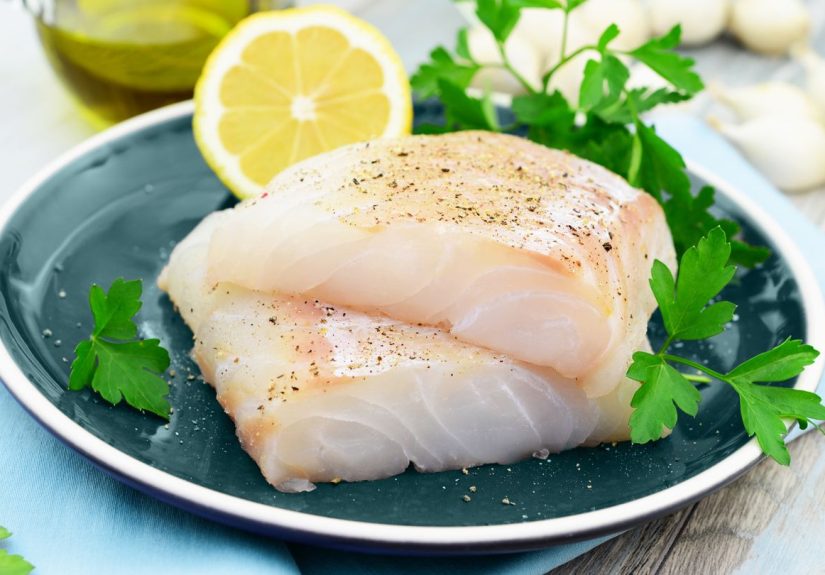
Cod is a lean white fish that offers a modest amount of creatine along with high-quality protein. It is lower in fat than salmon and herring, which makes it a good choice for people who want a lighter meal but still want muscle-supporting nutrients.
Because cod has a mild flavor, it works well with many seasonings. You can bake it with lemon and herbs, use it in fish tacos, or serve it with vegetables and rice. The key is not to overcook it. Dry cod has the personality of cardboard in a sweater, while properly cooked cod is tender, flaky, and delicious.
Best muscle-building meal idea: Bake cod with olive oil, garlic, lemon, and paprika. Serve with roasted vegetables and quinoa for a balanced plate.
5. Beef
Beef is one of the best-known foods high in creatine. It also provides complete protein, iron, zinc, vitamin B12, and other nutrients that support energy metabolism and muscle function. Lean cuts such as sirloin, top round, tenderloin, and 90% lean ground beef can fit well into a balanced muscle-building diet.
The main advantage of beef is nutrient density. The iron in beef is heme iron, a form the body absorbs well. This can matter for active people because iron helps transport oxygen in the blood. Zinc also supports normal immune function and protein metabolism.
That said, more beef is not always better. A balanced approach is best. Choose lean cuts often, keep portions reasonable, and pair beef with fiber-rich foods like vegetables, beans, potatoes, or whole grains.
Best muscle-building meal idea: Make a lean beef stir-fry with broccoli, bell peppers, brown rice, garlic, and ginger. It is fast, filling, and much more exciting than another sad desk sandwich.
6. Pork
Pork is another creatine-rich meat that can support a high-protein eating pattern. Lean pork chops, pork tenderloin, and trimmed loin cuts are especially useful because they provide protein without excessive saturated fat. Pork also contains thiamin, selenium, zinc, phosphorus, and vitamin B12.
For muscle-building meals, pork tenderloin is a standout. It cooks quickly, absorbs marinades well, and works with sweet, savory, spicy, or smoky flavors. Keep an eye on processed pork products such as bacon, sausage, and ham. They may taste great, but they are often high in sodium and saturated fat, so they should not be the foundation of a performance-focused diet.
Best muscle-building meal idea: Grill or roast pork tenderloin with a simple marinade of olive oil, garlic, rosemary, and lemon. Serve with mashed sweet potatoes and green beans.
7. Chicken
Chicken is a classic muscle-building food because it is affordable, flexible, and rich in high-quality protein. It also provides creatine, especially in darker cuts like thighs, though chicken breast still contributes. Chicken contains niacin, vitamin B6, phosphorus, and selenium, all of which play roles in energy metabolism and overall health.
Chicken is not the flashiest food on the list, but it is reliable. It is the fitness-food equivalent of a dependable friend who always shows up on moving day. You can bake it, grill it, shred it, stir-fry it, or add it to soups, salads, tacos, and grain bowls.
Best muscle-building meal idea: Make chicken burrito bowls with rice, black beans, salsa, lettuce, avocado, and grilled chicken. You get protein, carbs, fiber, and flavor in one bowl.
8. Turkey
Turkey is similar to chicken in that it provides lean protein and natural creatine. Turkey breast is very lean, while darker turkey meat offers a little more fat and flavor. Both can fit into a muscle-supportive diet. Turkey also provides B vitamins, selenium, zinc, and phosphorus.
Ground turkey is especially convenient for meal prep. It can become turkey burgers, chili, meatballs, taco filling, or pasta sauce. Choose lean ground turkey most of the time, and add flavor with herbs, spices, onions, garlic, tomato, peppers, and healthy sauces instead of relying only on salt.
Best muscle-building meal idea: Cook turkey chili with beans, tomatoes, onions, chili powder, and corn. It provides protein plus carbohydrates and fiber, making it great for post-workout recovery.
Do Plant Foods Contain Creatine?
Plant foods contain little to no creatine. Beans, lentils, tofu, tempeh, nuts, seeds, and whole grains are excellent foods for many reasons, including fiber, minerals, carbohydrates, and plant protein, but they are not meaningful creatine sources.
That does not mean plant-based eaters cannot build muscle. They absolutely can. They simply need to plan protein intake carefully and may have lower dietary creatine intake than people who eat meat and fish. For vegetarians and vegans, creatine supplements are sometimes discussed as an option, but anyone considering supplements should speak with a qualified healthcare professional, especially if they have kidney disease, take medications, are pregnant, or are under medical care.
How to Eat Creatine-Rich Foods for Better Muscle Support
Pair Creatine Foods With Enough Protein
Creatine helps with quick energy, but protein supplies the building blocks for muscle repair. Most active people benefit from spreading protein across the day instead of saving it all for dinner. For example, eggs or Greek yogurt at breakfast, tuna or chicken at lunch, and salmon or lean beef at dinner can create a steady protein rhythm.
Add Carbohydrates Around Workouts
Carbs are not the enemy. They are your muscles’ preferred fuel during many workouts. If you train hard but avoid carbohydrates completely, your body may feel like a phone stuck at 3% battery. Pair creatine-rich protein foods with rice, potatoes, oats, fruit, beans, or whole-grain bread to support performance and recovery.
Use Smart Cooking Methods
Because high heat and long cooking can reduce creatine levels, avoid turning meat and fish into dry little bricks. Bake, steam, poach, stew, or grill gently. Use a food thermometer to cook safely without overcooking. This protects flavor, texture, and nutrients.
Balance Red Meat With Fish and Poultry
Beef and pork can be useful creatine foods, but variety is better for long-term health. Rotate salmon, tuna, cod, chicken, turkey, herring, beef, and pork throughout the week. This approach gives you a broader mix of nutrients and keeps meals from feeling repetitive.
Sample One-Day Creatine-Rich Muscle-Building Meal Plan
Breakfast
Scrambled eggs with spinach, oatmeal with berries, and a glass of milk. This meal is not the highest in creatine, but it starts the day with protein, carbs, and micronutrients.
Lunch
Tuna wrap with Greek yogurt dressing, lettuce, tomato, and whole-grain tortilla. Add fruit on the side for carbohydrates and hydration.
Snack
Cottage cheese or Greek yogurt with banana and walnuts. This supports daily protein intake and keeps hunger from turning into a full kitchen investigation.
Dinner
Baked salmon with rice, roasted broccoli, and olive oil lemon sauce. This meal provides creatine, protein, omega-3 fats, and recovery-friendly carbohydrates.
Meal Prep Option
Turkey chili with beans and vegetables. Make a large pot, divide it into containers, and future-you will feel like present-you deserves a trophy.
Common Mistakes When Using Food to Increase Creatine Intake
Mistake 1: Expecting Food Alone to Work Like a Supplement
Creatine-rich foods can contribute to your intake, but they usually provide less creatine than standard supplement doses. That is not a problem if your goal is to build a strong diet naturally. Just keep expectations realistic.
Mistake 2: Ignoring Total Calories
Muscle growth requires enough energy. If you train hard but consistently under-eat, your body may struggle to build new muscle tissue. Include balanced meals with protein, carbs, fats, and colorful produce.
Mistake 3: Eating Protein Without Training Progression
No food can replace progressive strength training. To build muscle, your muscles need a reason to adapt. That means gradually increasing challenge over time through more reps, better form, more resistance, or improved workout consistency.
Mistake 4: Forgetting Sleep
Sleep is where recovery gets serious. A perfect salmon dinner cannot fully rescue a lifestyle built on four hours of sleep and heroic amounts of stress. Aim for consistent rest to support training results.
500-Word Experience Section: What It’s Like to Build Meals Around Creatine-Rich Foods
One of the most practical lessons from eating more creatine-rich foods is that consistency beats perfection. At first, it is tempting to make every meal look like it belongs on a fitness magazine cover: grilled salmon, glowing vegetables, perfectly measured rice, and lighting so good the broccoli needs an agent. Real life is messier. Some days, the best muscle-building meal is a tuna wrap eaten between classes, work, errands, or a busy afternoon. And that still counts.
A realistic approach starts with choosing two or three creatine-rich foods you genuinely enjoy. If you love salmon, keep frozen salmon fillets ready. If chicken is easier on your budget, batch-cook grilled chicken for bowls, wraps, and salads. If beef works well for your family meals, use lean ground beef in chili, tacos, or pasta sauce. The goal is not to force yourself into a strict menu. The goal is to make nutritious choices easy enough to repeat.
Another experience many people notice is that meals feel more satisfying when protein is included. A lunch built around tuna, chicken, turkey, or beef tends to keep hunger under control longer than a meal made mostly of refined carbs. That does not mean carbs are bad. Actually, carbs are incredibly helpful for training. The best meals often combine both: salmon with rice, turkey chili with beans, beef stir-fry with noodles, or chicken with potatoes. Protein helps repair; carbs help refuel. They are teammates, not rivals.
Meal prep also becomes much easier when you stop trying to cook everything from scratch every single time. Cook once, remix twice. For example, roasted chicken can become a rice bowl on Monday, a wrap on Tuesday, and soup on Wednesday. Turkey chili can be dinner one night and a stuffed sweet potato topping the next. Salmon can be served hot with vegetables, then cold over salad the following day. This keeps food interesting without requiring a nightly cooking marathon.
The biggest surprise is that muscle-building nutrition does not have to feel extreme. You do not need to eat plain chicken out of a plastic container while staring sadly into the distance. Season your food. Use sauces wisely. Add herbs, citrus, garlic, salsa, yogurt dressings, spice blends, and colorful vegetables. Enjoying your meals makes consistency easier, and consistency is where results usually come from.
It also helps to think beyond the scale. When meals include creatine-rich foods, enough protein, and balanced carbohydrates, many people feel better fueled during workouts. They may notice steadier energy, better recovery, or less random snacking. Those changes can be more meaningful than chasing quick visual results. Building muscle naturally is a long game. Food supports the process, training provides the signal, and recovery seals the deal.
Finally, listen to your body. Some people feel great with fish several times a week. Others prefer poultry and occasional lean beef. Some need larger portions; others need smaller ones. The best muscle-building diet is not the one that sounds most intense online. It is the one that supports your health, fits your routine, tastes good, and can be repeated without making you dread lunch.
Final Thoughts
Foods high in creatine can be a smart part of a natural muscle-building diet. Herring, salmon, tuna, cod, beef, pork, chicken, and turkey all provide creatine along with high-quality protein and important nutrients. But the real power comes from the full pattern: strength training, enough total food, balanced protein, smart carbohydrates, hydration, and sleep.
If you want to build muscle naturally, start with simple meals you can repeat. Add fish a couple of times per week, rotate lean meats and poultry, include plenty of fruits and vegetables, and fuel workouts with carbohydrates. Creatine-rich foods are helpful, but consistency is the real heavyweight champion.