Table of Contents >> Show >> Hide
- How to Diagnose Yellow Monstera Leaves Before You Do Anything Drastic
- 1. Overwatering Is the Most Common Culprit
- 2. Underwatering Can Also Turn Leaves Yellow
- 3. Poor Drainage or Heavy Soil Keeps Roots Too Wet
- 4. Your Monstera Is Not Getting Enough Light
- 5. Pests Are Quiet Trouble-Makers
- 6. Nutrient Deficiency or Exhausted Soil Can Cause Yellowing
- 7. Too Much Fertilizer Causes Salt Buildup and Stress
- 8. Natural Aging or Environmental Shock Can Yellow Older Leaves
- When to Worry About Yellow Monstera Leaves
- Quick Rescue Plan for a Yellowing Monstera
- How to Keep Monstera Leaves Green Going Forward
- Real-World Experiences: What Monstera Owners Learn the Hard Way
- Conclusion
If your Monstera has started throwing yellow leaves like confetti at a pity party, do not panic just yet. A yellow leaf does not always mean your plant is plotting its dramatic exit. In fact, Monsteras are pretty good at sending warning signs before they go from “slightly annoyed” to “call the plant ambulance.” The trick is learning how to read those signs before you respond by watering more, watering less, moving it three times, and whispering apologies to it in the kitchen.
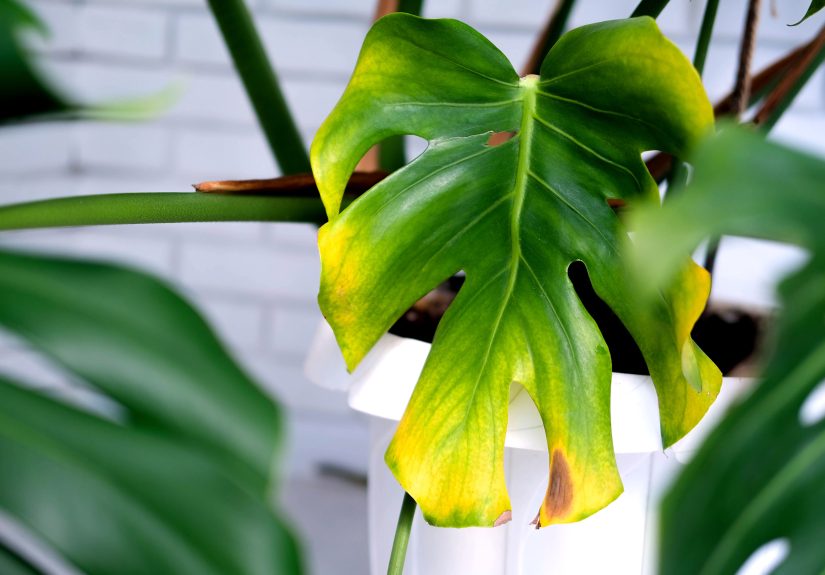
Monstera yellow leaves usually point to one of a few common problems: too much water, too little water, poor drainage, weak light, pests, depleted soil, fertilizer issues, or simple aging. Sometimes the cause is obvious. Other times, your plant behaves like a mysterious roommate who insists nothing is wrong while clearly spiraling.
This guide breaks down the 8 most common reasons Monstera leaves turn yellow, how to tell them apart, and the fixes that actually work. By the end, you will know whether your plant needs less love, more light, a root check, or just a little peace and quiet.
How to Diagnose Yellow Monstera Leaves Before You Do Anything Drastic
Before you grab the watering can, take a quick look at the pattern. Yellowing on one old bottom leaf is different from several leaves turning yellow at once. A leaf with crispy edges tells a different story than a leaf that is soft, limp, and yellow all over.
- Check the soil: Is it soaking wet, lightly moist, or bone dry?
- Check the pot: Does it have drainage holes, or is it basically a decorative swamp?
- Check the light: Is your Monstera in bright, indirect light or surviving in a dim corner on vibes alone?
- Check the roots: Healthy roots are firm and pale. Mushy, brown, or smelly roots mean trouble.
- Check the leaves: Tiny webbing, sticky residue, or cottony spots can mean pests.
Now let us get into the real suspects.
1. Overwatering Is the Most Common Culprit
If Monstera problems had a world champion, overwatering would be holding the trophy. Many owners see a yellow leaf and immediately assume the plant is thirsty, which is a little like responding to a headache by buying a second hat. Too much water fills the air pockets in the soil, starves roots of oxygen, and sets the stage for root rot.
Signs of overwatering
- Leaves turn yellow and feel soft
- Soil stays wet for days
- Stems may look dark or slightly mushy
- Plant looks droopy even though the soil is wet
The fix that works
Stop watering on a strict schedule. Monsteras do better when you water based on soil dryness, not the calendar. Let the top 2 to 3 inches of soil dry before watering again. When you do water, drench the soil thoroughly and let the excess drain away completely. Never let the pot sit in standing water.
If the soil smells sour or the yellowing is spreading quickly, slide the plant out of the pot and inspect the roots. Trim off mushy roots with clean scissors, then repot in fresh, airy mix.
2. Underwatering Can Also Turn Leaves Yellow
Yes, the opposite problem can create a similar symptom. Monsteras are forgiving, but not magical. If they stay dry too long, they start sacrificing older leaves to preserve the rest of the plant. That means yellowing, browning, curling, and a general “I have been neglected” energy.
Signs of underwatering
- Yellow leaves with crispy or brown edges
- Soil pulling away from the sides of the pot
- Leaves curling inward
- Plant feels noticeably lighter than usual
The fix that works
Water deeply until water runs from the drainage holes. If the potting mix has become hydrophobic and water rushes straight through, bottom-water the plant for 20 to 30 minutes so the root ball can rehydrate evenly. Then go back to a more consistent routine: check the soil weekly and water when the top layer dries out.
A Monstera likes consistency. It does not want to alternate between drought and flood like a tiny rainforest soap opera.
3. Poor Drainage or Heavy Soil Keeps Roots Too Wet
Sometimes the problem is not how often you water. It is where the water goes. If your Monstera is planted in dense soil, packed too tightly into the pot, or sitting in a container without proper drainage, the roots stay wet too long. Even careful watering will not save a plant living in what is essentially mud.
Signs drainage is the issue
- Soil stays soggy long after watering
- Multiple yellow leaves appear despite “careful” watering
- Growth slows down or stalls
- Roots may be brown, weak, or smell rotten
The fix that works
Repot into a chunky, well-draining Monstera mix. A good blend usually includes potting soil plus orchid bark, perlite, pumice, or coco chips to increase airflow. Use a nursery pot with drainage holes, even if you place it inside a prettier outer pot later. Beauty is nice, but root oxygen is nicer.
If your Monstera lives in a decorative planter with no drainage, that is not a home. That is a trap.
4. Your Monstera Is Not Getting Enough Light
Monsteras are famous for tolerating less-than-perfect conditions, but “tolerate” is not the same thing as “thrive.” In low light, growth slows, the plant uses water more slowly, and older leaves may yellow and drop. New leaves may also come in smaller and without those dramatic fenestrations everyone loves.
Signs of low light
- Yellowing lower leaves
- Leggy stems and wide spaces between leaves
- Small new growth
- Little or no leaf splitting on mature plants
The fix that works
Move the plant closer to a bright window with indirect light. East-facing windows are often great. South- or west-facing windows can work too if the light is filtered by a sheer curtain or the plant is set back a bit from harsh afternoon sun.
If your home is naturally dim, a grow light can make a real difference. Many people think they have a watering problem when they actually have a light problem wearing a fake mustache.
5. Pests Are Quiet Trouble-Makers
Spider mites, scale, mealybugs, and thrips all feed on plant tissue and sap. That stress can show up as pale, yellow, speckled, or distorted leaves. Since these pests often hide on the undersides of leaves or in the leaf joints, they can build an entire tiny criminal empire before you notice.
Signs pests may be involved
- Fine webbing
- Sticky residue on leaves or nearby surfaces
- Cottony white clusters
- Tiny bumps along stems
- Yellow stippling or patchy fading
The fix that works
Isolate the plant first. Then wipe the leaves, especially the undersides, with a damp cloth. For mild infestations, insecticidal soap or neem-based treatment can help if used consistently. Mealybugs can often be dabbed with alcohol on a cotton swab. Repeat treatment weekly until you stop seeing activity.
Also, inspect nearby houseplants. Pests do not respect property lines.
6. Nutrient Deficiency or Exhausted Soil Can Cause Yellowing
If your Monstera has lived in the same potting mix for a long time, it may simply be running low on nutrients. Nitrogen deficiency, in particular, can show up as pale or yellow older leaves. Rootbound plants can also struggle to take up nutrients efficiently, even if you are doing many other things right.
Signs of nutrient-related yellowing
- Older leaves fade to a lighter green or yellow
- Growth is weak or smaller than usual
- No obvious signs of overwatering, pests, or severe dryness
- Plant has not been fertilized or repotted in a long time
The fix that works
During spring and summer, feed with a balanced houseplant fertilizer at a moderate strength according to the label. Do not pour in extra “for good luck.” Plants do not work that way. If the plant is rootbound, repot into a container one size up with fresh mix. Often, a nutrient-starved Monstera perks up once it has fresh soil and a little elbow room.
7. Too Much Fertilizer Causes Salt Buildup and Stress
Yellow leaves are not always a cry for more food. Sometimes they are your Monstera waving a tiny white flag because it has had too much fertilizer. Excess fertilizer leaves salts in the potting mix, which can damage roots and interfere with water uptake.
Signs of overfertilizing
- Yellowing paired with brown tips or margins
- White crust on the soil surface or pot rim
- Sudden decline after a feeding spree
- Roots may look dry or burned rather than mushy
The fix that works
Flush the soil thoroughly with room-temperature water several times to wash out excess salts. If buildup is severe, repot with fresh mix. Going forward, fertilize only during active growth and reduce frequency in fall and winter. More fertilizer does not equal more leaves. Usually, it equals more regret.
8. Natural Aging or Environmental Shock Can Yellow Older Leaves
Not every yellow leaf is a crisis. Sometimes an older, lower leaf turns yellow because the plant is redirecting energy to new growth. A Monstera can also drop a leaf after a move, a sudden temperature shift, cold drafts, blasting heat vents, or a sharp change in its environment.
Signs this is normal or temporary
- Only one older leaf is yellowing
- The rest of the plant looks healthy
- Yellowing starts after moving the plant or changing conditions
- New growth still looks strong
The fix that works
If it is just one old leaf, trim it off with clean pruners and move on with your life. If the issue started after relocation, give the plant time to adjust and keep care consistent. Keep Monsteras away from cold windows in winter, drafty doors, and heating or AC vents. They like warm, stable conditions, not weather-based character development.
When to Worry About Yellow Monstera Leaves
A single yellow leaf every now and then is usually no big deal. Worry becomes more reasonable when:
- Several leaves yellow at once
- The yellowing spreads rapidly
- Leaves also wilt while the soil is wet
- There is a foul smell from the pot
- The stems, petioles, or roots look black or mushy
- You see obvious pest activity
When that happens, the best move is not to guess. Unpot the plant, inspect the roots, review the light, and work through the likely causes one by one.
Quick Rescue Plan for a Yellowing Monstera
- Check the top 2 to 3 inches of soil.
- Confirm the pot has drainage holes.
- Move the plant into bright, indirect light.
- Inspect leaves for pests, especially underneath.
- Look for salt crust on the soil or pot rim.
- If the problem is spreading, inspect the roots.
- Prune fully yellow leaves so the plant can focus on healthy growth.
This method is boring, logical, and annoyingly effective.
How to Keep Monstera Leaves Green Going Forward
Good Monstera care is not about doing more. It is about doing the right things consistently.
- Water when the top layer of soil dries out, not on autopilot.
- Use a chunky, airy potting mix.
- Always use a pot with drainage.
- Provide bright, indirect light.
- Feed lightly during active growth.
- Flush the soil occasionally to prevent salt buildup.
- Inspect for pests during routine cleaning.
- Accept that one old leaf turning yellow once in a while is just plant math.
Real-World Experiences: What Monstera Owners Learn the Hard Way
One reason yellow Monstera leaves cause so much confusion is that the same symptom can come from completely different mistakes. A lot of plant owners have had the exact same experience: they see a yellow leaf, assume the plant is dry, add more water, and accidentally turn a small issue into a root problem. That “helpful” extra watering is one of the most common plant-owner plot twists.
Another classic experience happens with decorative pots. Someone buys a gorgeous planter, slides the nursery pot inside, waters generously, and forgets to dump the extra water collecting at the bottom. For a while, everything seems fine. Then one week, two lower leaves turn yellow. Then another. The owner starts searching the internet at 11:47 p.m. and discovering, with mounting horror, that the plant has basically been standing ankle-deep in a swamp.
Low light is another sneaky one. Monsteras are often sold as easy indoor plants, which is true, but many people interpret that as “this plant will thrive in the darkest corner of my apartment where not even my Wi-Fi works.” What usually happens is slow decline, not instant collapse. The plant looks okay for a while, then growth gets sparse, watering takes longer to dry out, and older leaves begin yellowing. The owner thinks the plant suddenly got picky, when really the plant has been patient for months.
There is also the winter-window experience. A Monstera that looked glorious all summer starts yellowing after temperatures drop. The plant may be getting chilled by cold glass at night or blasted by dry heat from a nearby vent during the day. People often do not connect yellowing with temperature stress because they are focused on water. But Monsteras notice those environmental shifts fast, even when we do not.
Then there is the fertilizer saga. Some owners forget to feed their plant for a year and end up with pale leaves and weak growth. Others discover fertilizer, get enthusiastic, and feed every time the mood strikes. The plant responds with yellowing edges, brown tips, and a crusty layer on the soil that looks like the potting mix developed dandruff. Both experiences lead to the same lesson: moderation beats extremes almost every time.
Pest stories are usually the most insulting. A plant can look “mostly fine” until someone notices faint webbing or sticky leaves. Suddenly the mystery makes sense. Many Monstera owners say they did not realize pests were the problem until they looked closely under the leaves in bright light. That is why regular leaf checks matter. Not because it is glamorous, but because tiny pests enjoy operating like professional pickpockets.
The most reassuring shared experience, though, is this: sometimes it really is just one old leaf. A healthy Monstera can still yellow and drop an older lower leaf while pushing out beautiful new growth. Many people overreact the first time this happens. Then they learn that plant care is part science, part observation, and part resisting the urge to “fix” everything immediately.
In other words, the best Monstera growers are not the people who never make mistakes. They are the ones who learn to read the plant, stay calm, and stop turning every yellow leaf into a federal investigation.
Conclusion
If your Monstera leaves are turning yellow, the answer is usually hiding in its care routine. Start with the basics: check moisture, drainage, light, roots, and pests. In most cases, the fix is not complicated. It is simply a matter of correcting the underlying stress and giving the plant time to recover.
The big takeaway is this: yellow leaves are a symptom, not a verdict. A Monstera can bounce back beautifully when you identify the cause early and respond with a steady hand instead of panic-watering. So inspect first, adjust second, and save the botanical drama for plants that truly deserve it.