Table of Contents >> Show >> Hide
- Why Your Cuticles Itch in the First Place
- 1. Moisturize Immediately After Washing (The “Damp-Skin Hack”)
- 2. Add Cuticle Oil, Then “Seal” It with an Ointment
- 3. Stop Cutting Cuticles (Trim Hangnails InsteadCarefully)
- 4. Switch to a Gentler Soap (Your Hands Aren’t a Dirty Frying Pan)
- 5. Wear Gloves for “Wet Work” and Cleaning (The Cuticle Bodyguard Move)
- 6. Treat Hangnails Like Minor Injuries (Not Like Tabs to Rip Off)
- 7. Reduce Irritants: Acetone, Gel Removal, and “Mystery” Products
- 8. Build a 60-Second “Cuticle Calm-Down” Routine
- 9. Address the “Bigger Skin Issue” (Eczema, Dermatitis, or Infection)
- When to See a Doctor or Dermatologist
- Bonus: Real-World Experiences (The “Yes, This Actually Happens” Section)
- Conclusion: Calm Cuticles, Happier Hands
If your cuticles are itchy, congratulations: your hands have officially joined the “needy coworker” club.
They’re pinging you all day with tiny complaints like, “Excuse me, I’m dry,” and “Hi, I’d like to peel off now.”
The good news: itchy cuticles are usually fixable with small, boring habits that work shockingly well (like moisturizing… yes, that one).
This guide covers nine easy, dermatologist-approved-ish moves to calm the itch, stop the peeling, and keep your nail area looking like it belongs to a functioning adult.
We’ll also talk about the few times when itch is actually a warning sign (because sometimes your cuticle isn’t being dramaticit’s being infected).
Why Your Cuticles Itch in the First Place
Your cuticle is a thin seal of skin at the base of the nail that helps protect the space where your nail grows.
When that seal gets dry, irritated, or damaged, your body reacts the way it always does: itch first, complain later.
Common culprits
- Dry skin from cold weather, indoor heat, frequent handwashing, or hand sanitizer
- Irritants like harsh soaps, cleaning chemicals, acetone remover, and fragranced products
- Picking, biting, or aggressive manicures (your cuticles are not meant to be “removed” like an app)
- Hand eczema or contact dermatitisitchy, inflamed skin that loves to show up around fingers
- Infection (paronychia)often after a hangnail, bite, or cuticle trimming
- Nail conditions like psoriasis or fungal issues (less common, but possible)
1. Moisturize Immediately After Washing (The “Damp-Skin Hack”)
The fastest way to calm itchy cuticles is also the least exciting: moisturize, and do it right after you wash your hands.
When skin is slightly damp, moisturizer locks in water instead of just sitting on top like a polite guest who doesn’t help with dishes.
How to do it
- Wash hands with lukewarm water (not boiling dragon-breath heat).
- Pat dryleave them slightly damp.
- Apply a thick hand cream and massage extra into fingertips and around nails.
Best products for itchy cuticles
- Thicker creams or ointments over watery lotions
- Fragrance-free if your skin is sensitive
- Ingredients like glycerin, petrolatum, dimethicone, ceramides, shea butter
2. Add Cuticle Oil, Then “Seal” It with an Ointment
Cuticle oil is great… but it’s not magic. Think of it like watering a plant. Helpful, yes.
But if you water and then leave the pot in a desert wind, guess what happens?
For stubborn itch and peeling, try the oil + seal method: apply cuticle oil first, then top with a thin layer of an occlusive
(like petroleum jelly) to keep moisture from evaporating.
Simple routine
- Rub a drop of cuticle oil into each nail fold (morning and night).
- At night, apply a tiny amount of petroleum jelly over the area.
- If you’re extra-dry, wear cotton gloves to bed and wake up feeling like a fancy croissant.
3. Stop Cutting Cuticles (Trim Hangnails InsteadCarefully)
Cutting your cuticles can feel satisfying in the momentlike popping bubble wrap.
But cuticles are protective tissue. When you cut them, you create tiny openings where irritants and germs can sneak in.
That’s how “a little itch” can become “why is my finger pulsing like it has a heartbeat?”
What to do instead
- Don’t cut the living cuticle. If you push back cuticles, do it gently after a shower or warm soak.
- Clip hangnails only with clean, sharp nippersdon’t tear them off (ever).
- Disinfect tools before and after use.
4. Switch to a Gentler Soap (Your Hands Aren’t a Dirty Frying Pan)
If you wash your hands a lot (hello, modern life), your soap matters.
Harsh soaps strip oils from the skin barrier, which makes cuticles itchy and more likely to crack.
Soap upgrades that help
- Choose fragrance-free or “for sensitive skin.”
- Avoid heavily scented “antibacterial” soaps if they make you feel dry or stingy.
- Use lukewarm water and keep washing time reasonable.
And if your hands are visibly clean and you’re just doing routine hygiene, you don’t need to scrub like you’re prepping for surgery in a movie montage.
5. Wear Gloves for “Wet Work” and Cleaning (The Cuticle Bodyguard Move)
Water plus soap plus friction is a triple threat for itchy cuticles.
Add cleaning products and you’ve got the skincare version of a reality show elimination round.
Glove rules that actually work
- Use gloves for dishes, cleaning, hair dye, and gardening.
- If you sweat in gloves, wear thin cotton liners underneath.
- After glove time: wash, pat dry, moisturize.
6. Treat Hangnails Like Minor Injuries (Not Like Tabs to Rip Off)
Hangnails are basically tiny skin tears. If you rip them, you create a bigger tear.
If you keep picking them, you keep re-opening the wound.
If you do that long enough, bacteria may RSVP.
The non-dramatic hangnail fix
- Soak fingers in warm water for 5–10 minutes to soften skin.
- Clip the hangnail cleanly with disinfected nippersno pulling.
- Apply a thick moisturizer or petroleum jelly.
- If it’s tender, cover with a small bandage for a day to reduce friction.
If you see redness spreading, swelling, heat, pus, or increasing pain, skip the home-spa vibe and read the “When to call a pro” section below.
7. Reduce Irritants: Acetone, Gel Removal, and “Mystery” Products
Some cuticle itch is basically your skin saying: “I do not consent to this chemical relationship.”
Acetone remover, gel/acrylic removal, fragranced lotions, and certain preservatives can all trigger irritationespecially if your skin barrier is already stressed.
Easy swaps
- Use non-acetone remover when possible (slower, but less drying for many people).
- After polish removal, oil + cream immediately.
- If a product stings every time, it’s not “working”it’s bullying your skin.
8. Build a 60-Second “Cuticle Calm-Down” Routine
The secret to non-itchy cuticles isn’t a single miracle product.
It’s boring consistencydone quickly.
Here’s a routine that takes less time than deciding what show to watch.
Daily (60 seconds)
- After your evening hand wash: apply hand cream generously.
- Add a drop of cuticle oil to each nail.
- Seal with a tiny swipe of petroleum jelly if you’re very dry.
Twice weekly (3 minutes)
- Warm water soak (or do it after a shower).
- Gently push back cuticles with a soft tool or washclothno scraping.
- Moisturize and stop touching them.
9. Address the “Bigger Skin Issue” (Eczema, Dermatitis, or Infection)
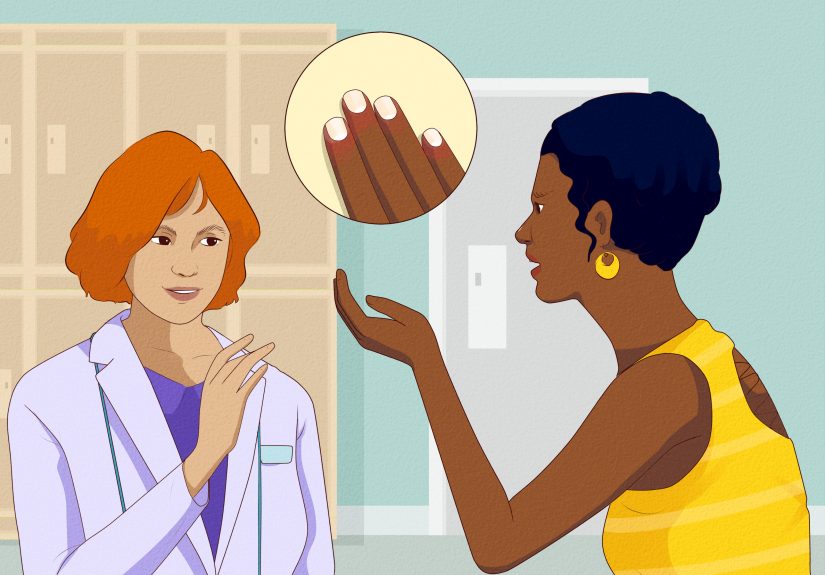
If your cuticles itch constantly, crack, or flare with redness, you may be dealing with hand eczema or contact dermatitis.
If the area is painful, swollen, hot, or has pus, you may be looking at a nail-fold infection (often called paronychia).
Different problem, different solution.
If it seems like eczema or dermatitis
- Go fragrance-free on soaps and lotions.
- Moisturize frequently, especially after washing.
- Consider a short course of OTC 1% hydrocortisone on irritated skin (follow label directions; avoid long-term daily use without medical advice).
- Track triggers: cleaning products, sanitizer, nickel tools, nail cosmetics, and even “natural” essential oils can be offenders.
If it seems like infection (paronychia)
- Warm soaks can help early irritation.
- Keep the area clean and dry.
- Don’t squeeze or dig at itthis is not a pimple situation.
- Medical care may be needed for antibiotics or drainage if an abscess forms.
When to See a Doctor or Dermatologist
Most itchy cuticles are just dry and annoyed. But get help if you notice:
- Increasing pain or throbbing around the nail
- Redness spreading, warmth, significant swelling
- Pus, a yellow/white pocket, or blister-like swelling
- Fever or red streaking up the finger (urgent)
- Symptoms lasting more than 1–2 weeks despite careful care
- Nail changes (lifting, unusual color, thickening) that persist
Bonus: Real-World Experiences (The “Yes, This Actually Happens” Section)
Below are common, real-life scenarios people run into with itchy cuticlesand how the problem usually turns around.
Think of these as mini case studies you can borrow, because your cuticles don’t get to be unique snowflakes if they’re doing the exact same thing as everyone else’s.
Scenario 1: The Office Hand-Sanitizer Enthusiast
You keep a bottle of sanitizer at your desk, in your car, in your bag, and probably in your soul.
After a week, your cuticles feel tight and itchy, and tiny flakes appear around your nails.
The fix is rarely “stop sanitizing” (life is gross). It’s pairing sanitizing with moisturizing.
Keep a small, fragrance-free hand cream next to your sanitizer and apply it every second or third use.
At night, do the oil + seal routine. Most people notice less itch within a few days, and far fewer hangnails by week two.
Scenario 2: The Dishwashing Hero
If your hands are in water constantlydishes, cleaning, cookingyour cuticle seal never gets a break.
The big turning point is usually gloves. Not “sometimes gloves,” but “every time I do dishes” gloves.
If gloves make your hands sweaty, cotton liners or shorter glove sessions help.
Combine that with moisturizing after every wet task, and the itch often drops fast because the skin barrier finally gets time to recover.
Scenario 3: The Gel-Manicure Loyalist
Gel looks great. Removal can be… spiritually drying.
People often assume the itch is an allergy right away, but many times it’s plain old dehydration from acetone and scraping.
The fix: after removal, go into “rehab mode” for a weekcuticle oil twice daily, thick hand cream after every wash,
and petroleum jelly at night. If itch comes with redness, swelling, or tiny blisters after nail products, that’s when you start suspecting contact dermatitis
and consider a break plus professional guidance.
Scenario 4: The Anxious Picker (A.K.A. Most of Humanity)
Picking is sneaky. It starts with one rough edge, and suddenly you’re doing a full cuticle “renovation” during meetings.
A weirdly effective trick: make picking inconvenient. Keep a nail file handy and smooth rough bits immediately,
then apply balm so there’s nothing satisfying to grab.
Some people swap the picking habit for a fidget item. Others use bandages for a couple days as a reset.
Once the skin stops being ragged, the itch usually fades because the inflammation calms down.
Scenario 5: The “Wait, This Might Be Infected” Moment
This one tends to follow a hangnail that got ripped, bitten, or “trimmed” with a tool that last saw soap during the previous presidential administration.
The area becomes tender, warm, red, and swollen. Sometimes a little pocket forms.
Early care (warm soaks, keeping it clean, hands off) can help mild casesbut if pain ramps up or pus appears,
medical treatment may be needed. The win here is catching it early instead of trying to out-stubborn bacteria.
Conclusion: Calm Cuticles, Happier Hands
Itchy cuticles are usually a skin-barrier problem: dryness + irritation + tiny injuries.
The fix is rarely complicatedjust consistent. Moisturize right after washing, use cuticle oil intelligently,
protect your hands from wet work and harsh chemicals, and stop cutting the very tissue designed to protect you.
If you suspect eczema, simplify products and reduce triggers. If you suspect infection, take it seriously and get help when needed.