Table of Contents >> Show >> Hide
- Why These ’90s Fall Looks Still Feel So Right
- 1. Mix-and-Match Dining Room Decor That Feels Welcoming, Not Fussy
- 2. Supermarket Centerpieces That Prove Budget Decor Can Still Be Beautiful
- 3. Cottagecore Meets Cabincore, Long Before Those Were Buzzwords
- 4. DIY Gourd Decor That Celebrates Autumn’s Natural Beauty
- 5. Decked-Out Coffee Tables for Cozy Nights In
- How to Bring These ’90s BHG Fall Looks Into a Modern Home
- Why Nostalgic Fall Decor Still Wins
- The Experience of Living With These Looks: A Longer Reflection
- Conclusion
Some fall trends vanish the second the pumpkins come down. Others stick around like the smell of cinnamon in a wool sweater. The best of the Better Homes & Gardens fall archives from the 1990s belong in that second category. They are warm, practical, slightly crafty, a little imperfect, and deeply charming. In other words, they feel like real life.
That is exactly why these looks still work. The old-school BHG fall aesthetic was never about making a room look untouchable. It was about creating spaces that invited people to sit down, pass the potatoes, light a candle, and stay awhile. Today’s love for nostalgic fall decor, cozy textures, collected furniture, and harvest-inspired centerpieces proves that the ’90s were onto something long before “layered,” “curated,” and “cottagecore” became everyday design vocabulary.
So yes, the decade gave us plenty of questionable moments. But when it came to fall decorating, the ’90s knew how to make a house feel comforting without draining your wallet or your will to live. Here are the nostalgic BHG fall looks we are still loving, plus smart ways to recreate them now without turning your home into a time capsule.
Why These ’90s Fall Looks Still Feel So Right
The secret is balance. These rooms and tablescapes mixed polish with ease. They paired natural materials with everyday objects, kept color palettes warm but not sleepy, and embraced the fact that autumn decorating should feel lived in. A few mismatched chairs? Charming. A centerpiece made from grocery store produce? Genius. A coffee table turned into the unofficial headquarters for soup, candles, and movie night? Frankly, iconic.
That spirit fits beautifully with what homeowners want now: comfort, character, and decor that feels personal instead of over-rehearsed. The return of plaid, gingham, vintage accessories, layered textiles, warm woods, and collected tabletop styling makes these BHG-inspired fall ideas feel surprisingly current. The lesson is not to copy the ’90s line for line. It is to borrow the mood: relaxed, homey, and a little bit harvest-happy.
1. Mix-and-Match Dining Room Decor That Feels Welcoming, Not Fussy
One of the most lovable BHG fall looks from the ’90s is the informal dining setup that feels as though guests could wander in wearing jeans, grab a chair, and stay for two helpings of casserole. This look embraces a slightly eclectic table, comfortable seating, cozy textiles, and a room that values atmosphere over perfection.
What makes it timeless is the human factor. Matching dining sets can be beautiful, but a mix-and-match arrangement instantly feels softer and more personal. A wooden table paired with different chair styles, a plaid throw tossed over the nearest seat, and a few candles glowing nearby create the kind of warmth that can’t be bought in one boxed furniture set.
To recreate the look now, start with one grounding element. That might be a farmhouse table, a vintage-inspired rug, or a linen runner in a rust, olive, or mustard tone. Then layer in variation: spindle chairs mixed with upholstered seating, stoneware dishes alongside thrifted glassware, or a bench on one side instead of four perfectly matched seats. The goal is not visual chaos. It is visual hospitality.
This style also works because fall entertaining is naturally textured. Woven placemats, wool throws, softly wrinkled napkins, and wood accents all belong here. If your dining room feels a little too polished, this is your sign to let it loosen up. Autumn should not feel like a museum exhibit with pumpkins.
2. Supermarket Centerpieces That Prove Budget Decor Can Still Be Beautiful
The ’90s BHG idea of making a centerpiece from ordinary fruits and vegetables deserves a standing ovation. It is thrifty, abundant, and unapologetically seasonal. Instead of chasing a fussy floral arrangement, this approach turns pears, apples, artichokes, mini pumpkins, squash, grapes, or pomegranates into a low-cost display that looks lush and effortless.
The brilliance of the supermarket centerpiece is that it feels generous. It says fall is a season of plenty. It also says you do not need a florist, a degree in table styling, or a second mortgage to make your dining table look festive.
For a modern version, think in layers rather than symmetry. Start with a long shallow bowl, footed cake stand, or rustic basket. Add produce in a tight palette if you want a more elevated look: green pears with white mini pumpkins and artichokes, for example, or red apples mixed with deep purple grapes and copper-toned leaves. Tuck in eucalyptus, wheat stems, or clipped branches for movement. Suddenly your table has that “effortlessly styled” look people love to pretend happened by accident.
There is also something wonderfully practical about this kind of fall decor. When the evening is over, you can repurpose much of it. Eat the fruit, roast the squash, compost the leaves, and congratulate yourself on being both festive and vaguely responsible. Martha Stewart would probably approve, and your grocery bill will certainly complain less than your florist.
3. Cottagecore Meets Cabincore, Long Before Those Were Buzzwords
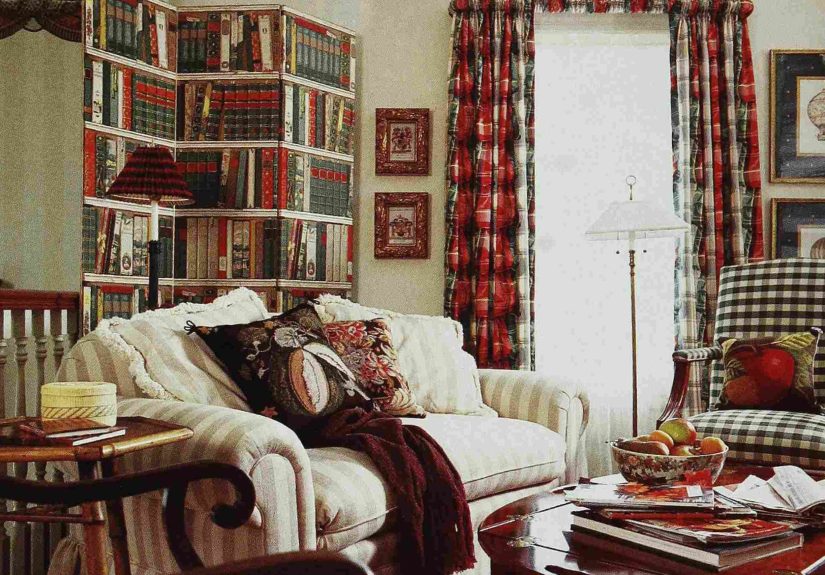
Here is where the ’90s really start showing off. BHG’s coziest fall rooms often combined floral or gingham patterns, soft upholstery, warm lamps, layered throws, and little decorative details that made a room feel lovingly assembled over time. Today we would call it a blend of cottagecore and cabincore. Back then, it was just called making your house feel nice in October.
This look works because it is not sterile. It does not rely on a single finish or one trendy color. Instead, it layers pattern with texture and warmth with personality. A plaid curtain next to a striped chair? Somehow adorable. A floral pillow on a checked sofa? Very yes. A basket tucked by the hearth, a pleated lamp shade, and a stack of books nearby? Now we are cooking with cinnamon.
To bring this look into a modern home, choose one cozy base color such as camel, moss green, cream, or brick. Then add two or three patterns that share a similar mood. Gingham, muted florals, small stripes, and classic plaids all play nicely together when the palette is controlled. Add tactile fabrics like chenille, brushed cotton, quilted layers, velvet accents, or knit throws. Lighting matters, too. A room never feels like a nostalgic fall retreat under one lonely overhead bulb that has the emotional range of a dentist’s office.
The beauty of this aesthetic is that it lets a home feel collected rather than decorated. A room can hold inherited pieces, flea-market finds, and fresh accessories all at once. That mix gives it soul, which is exactly why the ’90s version still resonates now.
4. DIY Gourd Decor That Celebrates Autumn’s Natural Beauty
If the phrase “DIY gourd decor” sounds like something that could go either charmingly rustic or wildly chaotic, you are not wrong. Yet in the hands of BHG, it becomes one of the smartest fall looks of the decade. Hollowed gourds, stitched vessels, rustic containers, and nature-based crafts all tap into the harvest mood without feeling overly commercial.
This is the part of ’90s fall decor that feels especially relevant in a world where many people want seasonal style that is less plastic and more organic. Natural materials bring in texture automatically. They also add a sense of seasonality that store-bought signs screaming “Hello Fall” can only dream of.
You do not have to become a frontier crafter to make this idea work. A modern update might include grouped heirloom gourds on a console table, dried stems arranged in rustic vessels, or hand-tied bundles of wheat set in ceramic crocks. If you enjoy DIY projects, hollowed gourds can become candleholders or floral containers. If you do not enjoy DIY projects, simply arranging seasonal produce beautifully is close enough. Nobody is grading your gourd commitment.
The key is texture and restraint. Mix matte ceramics, rough wood, dried florals, and sculptural produce. Let the materials do the talking. Fall decor often looks best when it feels one notch more natural and one notch less novelty-store explosion.
5. Decked-Out Coffee Tables for Cozy Nights In
If there is one ’90s BHG fall look that feels especially perfect for modern life, it is the decked-out coffee table. The idea is simple: treat the coffee table as a place for gathering, not just a surface that collects remotes, rogue receipts, and the occasional existential crisis.
In the fall, the coffee table becomes a command center for comfort. It can hold candles, a tray of mugs, a little arrangement of leaves or mini pumpkins, a stack of books, a soft throw nearby, and maybe even dinner during a movie night. The ’90s version anticipated our current obsession with cozy evenings at home before streaming marathons were even part of the plan.
To style this look now, start with a tray. It keeps everything feeling intentional. Add one natural element, one soft glow element, one practical object, and one personal touch. For example: a small bowl of pears, a brass candleholder, coasters, and a favorite design book. If you want the full autumn experience, add a folded throw in a plaid or textured neutral and something warm to drink. Congratulations, your living room now understands October.
This look is so enduring because it supports the way people actually live. Fall decor should make a home more usable, not less. A decked-out coffee table invites you to settle in. That is exactly the point.
How to Bring These ’90s BHG Fall Looks Into a Modern Home
Focus on mood before objects
The magic of nostalgic fall decor is not in buying a hundred themed items. It is in creating a feeling. Warm light, layered fabrics, natural materials, and gathered surfaces do more than a shopping cart full of tiny decorative pumpkins ever could.
Use patterns strategically
Plaid, gingham, stripes, and florals can absolutely coexist. Keep them in the same color family and vary the scale. That prevents the room from looking like it lost a bet with 1994.
Choose real or realistic seasonal materials
Fruit, vegetables, branches, leaves, dried flowers, and gourds add instant authenticity. These elements anchor the decor in the season and keep it feeling grounded.
Mix old and new
The most successful version of this look pairs vintage character with cleaner contemporary lines. A rustic basket next to a streamlined lamp. A checked runner on a simple table. A floral pillow on a modern sofa. Contrast keeps nostalgia fresh.
Make comfort visible
Fall is not the season to hide the throw blanket in a basket and pretend no one sits there. Let the room show signs of use. That welcoming, relaxed quality is what made BHG’s best ’90s looks so memorable in the first place.
Why Nostalgic Fall Decor Still Wins
These ’90s BHG fall looks still work because they tap into something bigger than trend cycles. They remind us that seasonal decorating does not have to be expensive, rigid, or perfect to be beautiful. It can be practical. It can be abundant. It can be humble. It can be made from what is already in your house, what is in your garden, or what is sitting in the produce aisle waiting for its moment.
Most of all, these looks understand that fall is emotional. People do not decorate for autumn because they desperately need more gourds in their lives. They do it because they want their homes to feel warmer, softer, and more grounded as the light changes and the year begins to slow down. The ’90s knew that. Better Homes & Gardens knew that. And honestly, your coffee table probably knows that too.
The Experience of Living With These Looks: A Longer Reflection
Part of the reason these ’90s fall looks linger in memory is that they are tied to experience, not just appearance. They remind many people of the first chilly weekend when the windows stayed cracked all afternoon, when a grocery bag full of apples somehow felt like decor the moment it hit the counter, and when the house seemed to change personality with the season. The light got lower, the rooms got softer, and every table in the house suddenly seemed to deserve a candle.
There is a very specific feeling behind nostalgic fall decor, and it is not flashy. It is the feeling of coming home at dusk and seeing a lamp already on in the corner. It is hearing dishes clink in the kitchen while a throw blanket lives permanently on the sofa for three straight months. It is the sight of a centerpiece that is not too polished to touch, made from things that feel familiar: pears, leaves, squash, branches, maybe a slightly lopsided gourd that somehow becomes the star of the whole arrangement.
These looks also carry the memory of homes that were allowed to be used. The dining room was not just for holidays. The coffee table was not just for display. The armchair in the corner had a real purpose, and usually a magazine draped over one arm. A house decorated this way feels like it expects company, even if that company is just you in socks, reheating soup and pretending one more episode counts as self-care.
That is why the best BHG-inspired fall spaces still resonate. They are aspirational, but not intimidating. They suggest beauty without demanding perfection. A table can be mismatched and still feel lovely. A room can be layered and still feel calm. A simple basket filled with grocery store fruit can look more inviting than a luxury arrangement if it is styled with warmth and intention.
For many people, these looks also connect to memory in a deeper way. They echo family homes, old magazines folded open on kitchen counters, school afternoons that ended with cinnamon smells in the oven, or early holiday planning that started the second a leaf hit the front step. Even the colors of the ’90s fall palette carry emotional weight: moss green, burgundy, gold, rust, cream, and warm brown all feel grounded and reassuring. They do not shout. They settle in.
Maybe that is the enduring genius of these fall looks. They are not trying to impress from across the internet. They are trying to feel good from across the room. And in a time when so much decor can feel staged for a screen, that kind of cozy honesty is more appealing than ever. It makes you want to pull up a chair, pour a cup of something hot, and stay longer than planned. Any design style that can do that decades later is not just nostalgic. It is timeless.