Table of Contents >> Show >> Hide
- What Is the Ambatalia Furoshiki, Charcoal Stripe?
- The Bigger Idea: A Non-Disposable Life
- A Short History of Furoshiki, Without the Museum Voice
- Material and Build: Hemp Meets Organic Cotton
- Best Uses for the Ambatalia Furoshiki
- Who Should Buy the Ambatalia Furoshiki, Charcoal Stripe?
- How to Care for It
- Style Analysis: Why It Looks So Good
- Experience Notes: Living With the Ambatalia Furoshiki, Charcoal Stripe
- Final Thoughts
- SEO Tags
If a kitchen towel, lunch bag, bread wrap, picnic helper, reusable gift wrap, and emergency apron all walked into a farmers’ market, they might come out as the Ambatalia Furoshiki, Charcoal Stripe. At first glance, it looks beautifully simple: a square cloth with a quiet charcoal ticking stripe. No zippers. No plastic clips. No “smart” app asking for permission to track your sandwich. Just fabric, function, and a surprisingly persuasive argument for owning fewer disposable things.
The Ambatalia Furoshiki belongs to that rare category of home goods that feels both old-fashioned and very modern. It borrows from the Japanese tradition of furoshiki, the art of using cloth to wrap, carry, protect, and present everyday objects. But its American-made, utility-focused design fits naturally into contemporary kitchens, zero-waste routines, slow-living homes, and stylish lunch-packing rituals. The charcoal stripe gives it a timeless, farmhouse-meets-minimalist look, while the hemp and organic cotton blend gives it the kind of sturdy practicality that says, “Yes, I can carry a loaf of sourdough and still look elegant doing it.”
What Is the Ambatalia Furoshiki, Charcoal Stripe?
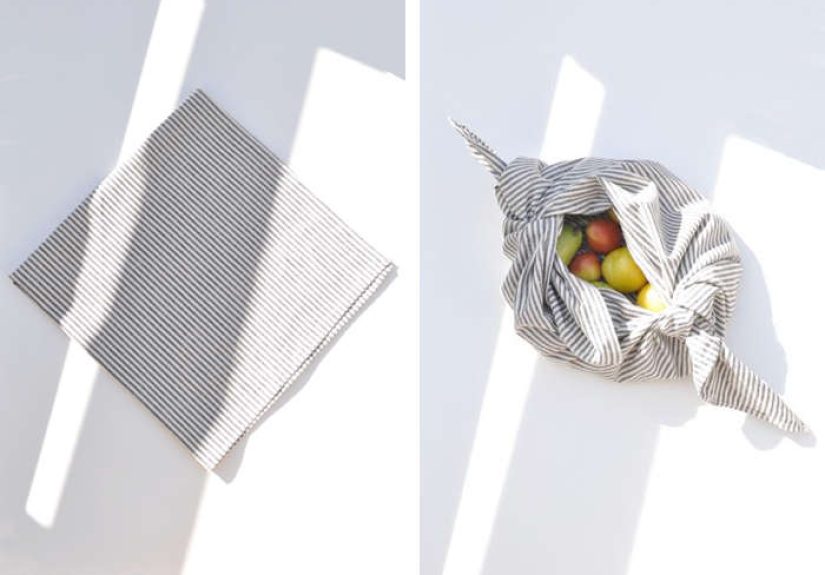
The Ambatalia Furoshiki, Charcoal Stripe is a large, square, reusable wrapping cloth designed for multiple household and on-the-go uses. Earlier product listings describe it as a 31-inch by 31-inch cloth made from a blend of 55% hemp and 45% organic cotton. It was made in Northern California and came with cotton twill tape and directions for use, allowing it to transform easily from a kitchen cloth into an apron, carrying wrap, or tidy bundle for food and market finds.
In practical terms, it is the opposite of single-purpose clutter. Instead of buying a bread bag, lunch tote, disposable gift bag, produce sack, and kitchen towel, this one cloth can step into all of those roles. That versatility is the heart of its appeal. It is not trying to be flashy. It is trying to be useful, and in the world of kitchen goods, useful is the real luxury.
Why the Charcoal Stripe Matters
The charcoal stripe pattern is a big part of the product’s charm. Ticking stripes have long been associated with durable household textiles, from mattress covers to work aprons to classic kitchen linens. The design feels familiar without feeling boring. It can sit beside a rustic cutting board, a stainless-steel sink, a linen table runner, or a modern white countertop without looking out of place.
Charcoal is also forgiving. A bright white cloth may look angelic on day one, then immediately reveal every tomato smudge, coffee drip, and mysterious picnic stain known to humankind. Charcoal striping, by contrast, has a lived-in intelligence. It still looks clean and elevated, but it does not panic when life happens.
The Bigger Idea: A Non-Disposable Life
Ambatalia is strongly associated with the concept of a “non-disposable life,” a phrase that captures more than just swapping plastic bags for cloth ones. It suggests a slower, more thoughtful relationship with the objects we use every day. The goal is not perfection. Nobody becomes a zero-waste legend because they wrapped one sandwich in fabric. The goal is repetition: one less plastic bag, one less disposable napkin, one less gift bag that gets used for twelve minutes and then begins its tragic journey to the trash.
This is where the Ambatalia Furoshiki shines. It does not require an elaborate lifestyle overhaul. You can use it once as a bread wrap, wash it, hang it near the oven, then use it again as a lunch bundle. You can take it to the farmers’ market, tie it around a few apples, and feel mildly smug in the produce aisle. You can wrap a hostess gift in it and instantly look like the kind of person who remembers birthdays without needing three calendar alerts.
Why Reuse Beats “Use and Toss”
Reusable products are most powerful when they replace items that would otherwise be used briefly and thrown away. Disposable wrapping paper, plastic produce bags, paper lunch sacks, and single-use gift bags may seem small, but small things become large when repeated across millions of households. A furoshiki cloth works because it is not another “eco product” sitting in a drawer waiting for a special occasion. It is meant to be used constantly.
The Ambatalia version is especially practical because it is not overly delicate. The hemp and organic cotton blend gives it structure, while the square shape makes it easy to fold, knot, roll, and carry. It is simple enough for daily use but attractive enough to leave visible in the kitchen. That matters. The best sustainable tools are the ones you actually remember to use.
A Short History of Furoshiki, Without the Museum Voice
Furoshiki has deep roots in Japanese culture. Traditionally, these square cloths were used for wrapping, carrying, protecting, and presenting personal items, clothing, gifts, and everyday goods. The word is often connected to bathing culture, where cloths were used to bundle belongings at public baths. Over time, furoshiki became more than a practical wrap; it became a graceful way to show care, respect, and attention to the object being given or carried.
That cultural background gives the Ambatalia Furoshiki extra meaning. It is not just “a reusable square.” It belongs to a long tradition of making fabric do smart work. Unlike a paper bag, which collapses emotionally at the first sign of rain, a furoshiki adapts. It can wrap a box, hug a bottle, cushion a lunch container, bundle produce, or become a small carry bag with a few knots.
Old Idea, Modern Kitchen
The reason furoshiki feels so fresh today is that modern life has created too many disposable shortcuts. We have a bag for the bag, a wrap for the wrap, and a container for the container’s lid, which has somehow disappeared. Furoshiki offers a calmer alternative. It says: use one good piece of cloth in several smart ways.
That is exactly why the Ambatalia Furoshiki works well for American households. It is not overly ceremonial or precious. It is beautiful, yes, but it is also ready to work. It fits into daily routines: school lunches, office snacks, bakery runs, potluck dishes, backyard picnics, holiday gifts, and weekend market trips.
Material and Build: Hemp Meets Organic Cotton
The listed 55% hemp and 45% organic cotton blend is one of the most important features of the Ambatalia Furoshiki, Charcoal Stripe. Hemp is known for strength and a slightly textured hand, while cotton brings softness and familiarity. Together, they create a cloth that feels sturdy without being stiff, flexible without feeling flimsy.
This matters because a furoshiki must be foldable and strong at the same time. A fabric that is too thin may sag under a lunch container. A fabric that is too heavy may tie into bulky knots. The Ambatalia cloth sits in a useful middle ground: substantial enough for kitchen and market tasks, yet manageable enough to knot, wrap, and store.
Size: Why 31 Inches Is Useful
At approximately 31 inches square, this furoshiki is large enough for real household jobs. It can cover a loaf of bread, wrap a medium lunch container, hold produce, or serve as a casual tabletop layer for a picnic. Smaller wraps are cute but sometimes limited. Larger wraps can feel like you are folding laundry in public. This size is practical for daily use, especially in the kitchen.
The square format is also key. A square cloth gives you four equal corners, which means cleaner knots and more balanced bundles. Whether you are wrapping a cookbook as a gift or carrying fruit from a market stand, symmetry is your friend. Nobody wants their peaches rolling toward freedom in the parking lot.
Best Uses for the Ambatalia Furoshiki
1. Reusable Lunch Wrap
Wrap a lunch container, sandwich, fruit, or snack bundle in the Ambatalia Furoshiki, and suddenly lunch feels more intentional. Instead of a plastic bag that gets tossed after one use, the cloth becomes part of the meal routine. It can unfold into a placemat, napkin, or tidy surface for eating at a desk, park bench, or school table.
2. Bread and Bakery Wrap
The charcoal stripe cloth is especially appealing for bread. A homemade loaf, baguette, or bakery round looks charming when wrapped in fabric. It also makes a thoughtful gift presentation. Bring bread to a friend wrapped in furoshiki, and you have upgraded from “I brought carbs” to “I brought carbs with atmosphere.”
3. Farmers’ Market Carry Cloth
The furoshiki can carry apples, greens, herbs, citrus, or other market finds. For heavier loads, it works best as a bundle inside a larger tote or as a quick carry solution for lighter items. Its biggest advantage is flexibility. Unlike a rigid bag, it changes shape around what you buy.
4. Gift Wrap That Becomes Part of the Gift
Gift wrapping is where furoshiki really shows off. A cookbook, candle, jar of jam, bottle, or small box can be wrapped in the cloth, turning the wrapping itself into a useful second gift. The charcoal stripe pattern works for birthdays, housewarming gifts, holiday presents, thank-you gifts, and dinner party offerings. It is elegant without screaming, “I spent three hours watching wrapping tutorials.”
5. Apron in a Pinch
With twill tape, the cloth can be worn as an apron. This is a clever feature for home cooks, hosts, bakers, campers, or anyone who has ever underestimated the splash radius of tomato sauce. It is not a heavy-duty chef apron, but it is a smart, lightweight solution when you need quick coverage.
6. Picnic Cloth or Mini Table Covering
Spread it out under snacks, coffee gear, fruit, or a casual outdoor lunch. The pattern looks refined, and the size is convenient for one or two people. It will not replace a full picnic blanket, but it can make a simple snack break feel much more civilized.
Who Should Buy the Ambatalia Furoshiki, Charcoal Stripe?
This furoshiki is ideal for people who enjoy practical beauty. It suits home cooks, sustainable living beginners, farmers’ market shoppers, thoughtful gift givers, lunch packers, minimalists, and anyone trying to reduce single-use packaging without turning daily life into a full-time environmental science project.
It is also a good fit for people who like objects with visible purpose. Some products need a long explanation before they seem useful. This one explains itself the moment you wrap something in it. The more you use it, the more uses you find.
Who Might Not Need It?
If you never pack food, never give gifts, never visit markets, never cook, and believe all fabric should remain decorative and untouched, this may not be your household hero. But for most people, a good square cloth is surprisingly easy to put to work. Even skeptics tend to soften after the first successful bottle wrap or bread bundle.
How to Care for It
Like most natural-fiber kitchen textiles, the Ambatalia Furoshiki benefits from gentle care. Cold water washing and line drying are ideal for conserving energy and extending fabric life. Warm water and low tumble drying may be acceptable when needed, but repeated high heat can be hard on natural fibers over time.
Stains should be handled early. Shake out crumbs, rinse spots before they settle, and avoid letting oily foods sit against the fabric for too long. Because the cloth is meant for repeated use, perfection is not the goal. A little softness, fading, and character can make it better. This is not a museum textile. It is a working textile with good manners.
Style Analysis: Why It Looks So Good
The Ambatalia Furoshiki, Charcoal Stripe succeeds because it avoids novelty. There are no loud slogans, cartoon vegetables, or aggressively cheerful patterns demanding attention. The stripe is quiet, practical, and versatile. It looks equally at home in a modern apartment, a farmhouse kitchen, a coastal cottage, or a carefully curated “I totally woke up this organized” pantry.
The charcoal tone also works across seasons. It is not too summery, not too holiday-specific, and not tied to a trend that will feel dated next year. That makes it a better long-term purchase than seasonal gift wrap or themed kitchen accessories. A reusable cloth only helps reduce waste if you still like using it after the novelty wears off.
Experience Notes: Living With the Ambatalia Furoshiki, Charcoal Stripe
The best way to understand the Ambatalia Furoshiki is to imagine it moving through an ordinary week. On Monday, it starts as a lunch wrap. A square container goes in the center, two corners fold over, the other two corners tie into a neat knot, and suddenly lunch has a handle. At the table, the cloth opens into a clean eating surface. There is something quietly satisfying about that transformation. It turns a packed lunch from a pile of containers into a small ritual.
By Wednesday, the same cloth might be hanging from an oven handle, pretending to be just a kitchen towel. Then someone pulls a loaf of bread from the counter, wraps it in the furoshiki, and takes it to a neighbor. The charcoal stripe makes the gift feel thoughtful without adding ribbon, tape, tags, tissue paper, or the glittery gift bag that will continue shedding sparkles into the year 2047. The receiver gets bread and a reusable cloth. That is a win with crust.
On Saturday, it becomes a market companion. It may not replace a large tote for a full grocery haul, but it is excellent for smaller items: herbs, a few lemons, a pastry, a jar, or a bunch of flowers. Because the cloth molds around whatever it carries, it feels more personal than a standard bag. It also invites conversation. People notice a furoshiki because it looks intentional. It says you have a plan, even if that plan is mostly “buy tomatoes and try not to buy six croissants.”
The apron use is the most delightful surprise. With twill tape, the cloth can cover the front of your clothes during light cooking or baking. It is especially useful for quick kitchen jobs when putting on a full apron feels dramatic. Making pancakes? Tie it on. Kneading dough? Tie it on. Opening a jar of marinara with the confidence of someone who has never ruined a shirt? Definitely tie it on.
Over time, the cloth becomes easier to use because the user becomes better at seeing possibilities. A square of fabric starts to feel less like an object and more like a habit. Need to wrap a cookbook? Furoshiki. Need to carry muffins? Furoshiki. Need a small surface for picnic snacks? Furoshiki. Need to make a bottle of olive oil look like a boutique gift instead of something grabbed on the way to dinner? Absolutely furoshiki.
The charcoal stripe also ages gracefully. A little softening makes the cloth easier to knot. A slight fade can make it look more relaxed, not worn out. Unlike disposable packaging, which looks worse the second it is torn, a good natural-fiber cloth gathers usefulness. It becomes part of the household rhythm. That is the real experience of using the Ambatalia Furoshiki: not perfection, not performance, but repeated small convenience with style.
Final Thoughts
The Ambatalia Furoshiki, Charcoal Stripe is more than a pretty kitchen cloth. It is a compact lesson in practical sustainability, thoughtful design, and everyday versatility. Its hemp and organic cotton blend, useful 31-inch square size, classic charcoal ticking stripe, and multiple functions make it a standout choice for anyone who wants to reduce disposable packaging without sacrificing style.
What makes it special is not that it solves every environmental problem in one dramatic flourish. It does something better: it makes a better habit easy. Use it for lunch, bread, gifts, produce, picnics, or as a quick apron, and it earns its place in the kitchen again and again. In a world full of products that promise convenience and create clutter, this one offers simplicity that actually works.
The Ambatalia Furoshiki proves that sustainable living does not have to look beige, boring, or suspiciously complicated. Sometimes it looks like a charcoal stripe square of cloth, tied neatly around a loaf of bread, quietly making disposable packaging feel a little unnecessary.