Table of Contents >> Show >> Hide
- Why This BBQ Roast Turkey Breast Works
- Ingredients for BBQ Roast Turkey Breast
- Best Turkey Breast to Use
- How to Make BBQ Roast Turkey Breast
- Step 1: Pat the Turkey Dry
- Step 2: Mix the BBQ Dry Rub
- Step 3: Season Under and Over the Skin
- Step 4: Prepare the Grill for Indirect Heat
- Step 5: Roast the Turkey Breast
- Step 6: Add the BBQ Glaze Near the End
- Step 7: Cook to the Right Internal Temperature
- Step 8: Rest Before Slicing
- Step 9: Slice and Serve
- Oven Method for BBQ Roast Turkey Breast
- Flavor Variations
- What to Serve With BBQ Roast Turkey Breast
- Storage and Reheating Tips
- Common Mistakes to Avoid
- Experience Notes: What Real BBQ Turkey Breast Teaches You
- Conclusion
Note: This BBQ roast turkey breast recipe is written for web publication and focuses on practical, real-world cooking guidance, juicy results, and clear food-safety habits without adding source links inside the article.
Turkey breast has a reputation for being the responsible adult at the dinner table: lean, polite, and occasionally a little dry if nobody pays attention to it. But give it a smoky BBQ rub, a gentle indirect roast, a glossy glaze, and a proper rest, and suddenly it becomes the main dish everyone keeps “just trimming one more slice” from until the cutting board looks suspiciously empty.
This BBQ roast turkey breast recipe is designed for cooks who want the flavor of outdoor grilling without the stress of managing a whole bird. It is perfect for Thanksgiving, Sunday dinner, summer cookouts, meal prep, sandwiches, holiday buffets, and any night when chicken feels too ordinary but a whole turkey feels like applying for a part-time job.
The secret is simple: season boldly, cook gently, check the internal temperature with a thermometer, and sauce near the end so the BBQ glaze turns sticky instead of scorched. The result is tender turkey with smoky edges, savory herbs, light sweetness, and enough backyard-barbecue personality to make your side dishes stand up straighter.
Why This BBQ Roast Turkey Breast Works
A turkey breast is lean, which means it cooks faster than dark meat but can dry out if treated casually. This recipe solves that problem with three smart steps: a dry brine, indirect heat, and a late BBQ glaze. The dry brine seasons the meat deeply and helps the surface brown. Indirect heat cooks the turkey evenly without blasting the outside. The glaze goes on during the final stretch, giving you that beautiful barbecue finish without turning the sugars bitter.
This method works on a gas grill, charcoal grill, pellet grill, or in the oven with a BBQ-style rub. Outdoor cooking gives the best smoky flavor, but the oven version still tastes fantastic because the seasoning blend and glaze do plenty of heavy lifting.
Ingredients for BBQ Roast Turkey Breast
For the Turkey
- 1 bone-in or boneless turkey breast, about 4 to 6 pounds
- 2 tablespoons olive oil or melted butter
- 1 tablespoon kosher salt
- 1 tablespoon brown sugar
- 2 teaspoons smoked paprika
- 1 teaspoon garlic powder
- 1 teaspoon onion powder
- 1 teaspoon black pepper
- 1 teaspoon dried thyme
- 1/2 teaspoon dried sage
- 1/2 teaspoon chili powder
- 1/4 teaspoon cayenne pepper, optional
For the BBQ Glaze
- 1/2 cup barbecue sauce
- 2 tablespoons honey or maple syrup
- 1 tablespoon apple cider vinegar
- 1 tablespoon melted butter
- 1 teaspoon Dijon mustard
- 1/2 teaspoon Worcestershire sauce
Best Turkey Breast to Use
You can use either bone-in or boneless turkey breast for this BBQ roast turkey breast recipe. Bone-in turkey breast usually delivers slightly better flavor and moisture because the bone helps protect the meat during cooking. Boneless turkey breast is easier to slice and serve, especially for sandwiches or meal prep.
If the turkey breast is already enhanced, injected, or pre-brined, reduce the salt in the seasoning by about half. Many packaged turkey breasts already contain a salt solution, and adding a full dry brine on top can make the final dish taste more like a salt lick wearing a barbecue hat.
How to Make BBQ Roast Turkey Breast
Step 1: Pat the Turkey Dry
Remove the turkey breast from its packaging and pat it very dry with paper towels. Moisture on the surface slows browning, and browning is flavor. If the turkey has skin, gently loosen the skin with your fingers so you can season underneath it. Try not to tear it; turkey skin is helpful, but it is not emotionally strong.
Step 2: Mix the BBQ Dry Rub
In a small bowl, combine kosher salt, brown sugar, smoked paprika, garlic powder, onion powder, black pepper, thyme, sage, chili powder, and cayenne if using. This rub gives the turkey a balanced BBQ flavor: smoky, savory, lightly sweet, and gently spicy without taking over the natural taste of the meat.
Step 3: Season Under and Over the Skin
Rub the turkey breast with olive oil or melted butter. Sprinkle the seasoning blend under the skin, over the skin, and around the sides. If using boneless skinless turkey breast, coat the entire surface evenly. Place the turkey on a tray, cover loosely, and refrigerate for at least 4 hours or overnight. This dry-brining time helps the seasoning move into the meat instead of just sitting on the surface like a decorative sweater.
Step 4: Prepare the Grill for Indirect Heat
Set up your grill for indirect cooking at 325°F to 350°F. On a gas grill, turn on one or two burners and place the turkey over the unlit side. On a charcoal grill, bank the coals to one side or divide them on both sides with a drip pan in the center. On a pellet grill, set the temperature to 325°F or 350°F, depending on how much smoke flavor you want.
For extra smoky flavor, add a small amount of apple, cherry, pecan, or hickory wood. Apple and cherry are mild and slightly sweet, while hickory gives a stronger BBQ character. Use smoke like cologne: enough to be noticed, not enough to announce itself from across the neighborhood.
Step 5: Roast the Turkey Breast
Place the turkey breast on the cooler side of the grill, skin side up if it has skin. Close the lid and roast. A 4- to 6-pound turkey breast usually takes about 1 1/2 to 2 1/2 hours, depending on size, grill temperature, bone structure, and outdoor conditions. Windy weather, frequent lid-opening, and cold meat can all stretch the cooking time.
Rotate the turkey breast once halfway through cooking if one side of your grill runs hotter. Avoid flipping it repeatedly. Turkey breast likes calm leadership, not constant micromanagement.
Step 6: Add the BBQ Glaze Near the End
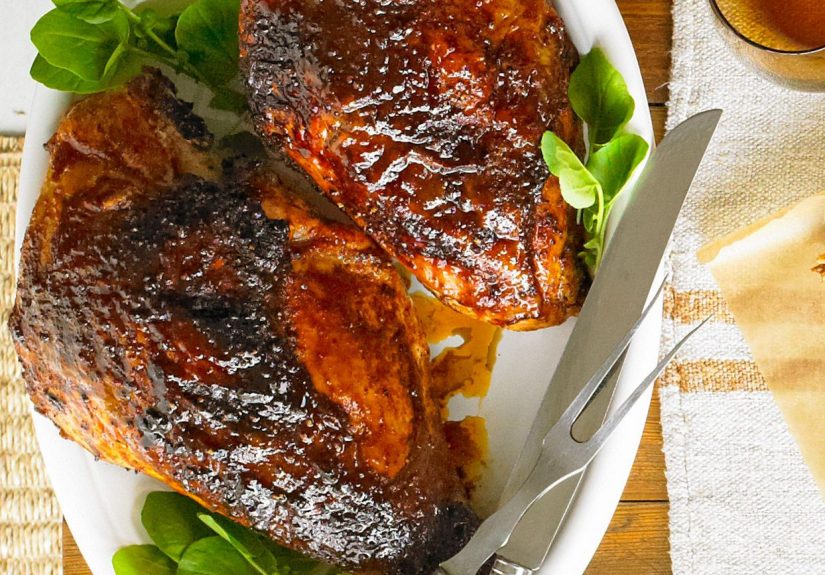
In a small bowl, stir together barbecue sauce, honey or maple syrup, apple cider vinegar, melted butter, Dijon mustard, and Worcestershire sauce. Brush the glaze over the turkey when the internal temperature reaches about 145°F to 150°F. Continue cooking and brush again once or twice during the final 15 to 25 minutes.
Adding the sauce late is important because most BBQ sauces contain sugar. If applied too early, the glaze can burn before the turkey finishes cooking. Late glazing gives you a sticky, shiny, caramelized coating that tastes like barbecue instead of regret.
Step 7: Cook to the Right Internal Temperature
Use an instant-read thermometer or leave-in probe thermometer to check the thickest part of the breast. For a simple safety target, cook turkey breast until it reaches 165°F. Avoid touching bone with the thermometer, because bone can give a misleading reading.
The meat may still show a slight pink tint, especially when cooked with smoke. Color alone is not a reliable sign of doneness. Temperature is the boss here, and the thermometer is its tiny metal spokesperson.
Step 8: Rest Before Slicing
Transfer the BBQ roast turkey breast to a cutting board and rest it for 15 to 20 minutes. Resting allows juices to redistribute so they stay in the meat instead of running all over the board. Tent loosely with foil if your kitchen is cool, but do not wrap it tightly or the skin may soften.
Step 9: Slice and Serve
For bone-in turkey breast, remove the breast meat from the bone in large sections, then slice across the grain. For boneless turkey breast, slice into even pieces about 1/4 to 1/2 inch thick. Spoon a little extra warm BBQ glaze over the top, or serve it on the side for guests who believe sauce is not a condiment but a lifestyle.
Oven Method for BBQ Roast Turkey Breast
No grill? No problem. Preheat your oven to 350°F. Place the seasoned turkey breast on a rack set inside a roasting pan. Roast until the thickest part reaches 165°F, brushing with BBQ glaze during the final 20 to 30 minutes. For a smoky flavor indoors, use smoked paprika in the rub and a barbecue sauce with a natural smoke profile.
The oven method is especially useful for holidays, rainy days, apartment kitchens, or situations where your grill is technically “available” but currently buried under patio furniture, snow, or mysterious objects no one wants to identify.
Flavor Variations
Sweet and Smoky BBQ Turkey Breast
Use a Kansas City-style barbecue sauce, add extra brown sugar to the rub, and choose apple or cherry wood for smoke. This version is great with cornbread, baked beans, and coleslaw.
Spicy BBQ Turkey Breast
Add cayenne, chipotle powder, or hot sauce to the glaze. Serve with pickles, potato salad, and grilled corn to balance the heat.
Herb-Garlic BBQ Turkey Breast
Add minced garlic, rosemary, thyme, and parsley to softened butter, then rub it under the skin before grilling. Use a lighter BBQ glaze so the herbs remain noticeable.
Maple-Bourbon Style Without Bourbon
For a family-friendly maple flavor, use maple syrup, apple cider vinegar, Dijon mustard, and smoked paprika in the glaze. You get a cozy, holiday-style taste without needing any alcohol.
What to Serve With BBQ Roast Turkey Breast
BBQ turkey breast is flexible enough for both summer cookouts and holiday dinners. For a backyard menu, serve it with grilled corn, baked beans, macaroni salad, coleslaw, pickles, and soft rolls. For a holiday-style plate, pair it with mashed potatoes, roasted sweet potatoes, green beans, cranberry sauce, stuffing, and gravy.
Leftovers make excellent sandwiches with toasted bread, mayo, lettuce, pickles, and extra BBQ sauce. You can also dice the turkey for wraps, grain bowls, quesadillas, salads, soups, or breakfast hash. A good BBQ turkey breast is not just dinner; it is tomorrow’s lunch already doing warm-up stretches.
Storage and Reheating Tips
Store leftover turkey in an airtight container in the refrigerator for up to 3 to 4 days. For longer storage, freeze sliced turkey in meal-size portions. Add a spoonful of broth or extra BBQ sauce before freezing to help protect the meat from drying out.
To reheat, place slices in a covered baking dish with a splash of broth, water, or sauce. Warm gently at 300°F until heated through. Avoid blasting turkey breast in the microwave for too long, unless your goal is to create something that tastes like a barbecue-flavored office memo.
Common Mistakes to Avoid
Cooking Over Direct High Heat
Turkey breast needs gentle heat. Direct flames can burn the outside before the center is fully cooked. Use indirect heat for a roast-like texture and even doneness.
Adding BBQ Sauce Too Early
Sauce applied at the beginning can burn because of its sugar content. Brush it on near the end for the best glaze.
Skipping the Thermometer
Guessing turkey doneness is a risky hobby. A thermometer gives confidence and prevents both undercooked meat and dry, overcooked slices.
Slicing Immediately
Resting is not optional. Cutting too soon releases juices that should stay in the turkey. Give the meat 15 to 20 minutes, and your slices will reward your patience.
Experience Notes: What Real BBQ Turkey Breast Teaches You
The first experience many cooks have with turkey breast is discovering that it behaves differently from chicken. Chicken thighs are forgiving. Pork shoulder is patient. Turkey breast, however, is polite but firm: it rewards good technique and quietly exposes lazy cooking. That is why indirect heat makes such a difference. When you place the turkey away from the flame and let warm air circulate around it, you are roasting with barbecue flavor instead of simply grilling. The meat cooks steadily, the rub has time to bloom, and the outside develops color without drying out the center.
Another useful lesson is that the turkey breast does not need to be drowned in sauce. A good BBQ roast turkey breast should taste like turkey first, with smoke, spice, and glaze supporting it. Too much sauce can hide the clean, savory flavor of the meat. A light coat near the end creates a beautiful finish, while serving extra sauce on the side lets everyone customize their plate. This is also helpful when feeding a crowd, because some guests want a gentle glaze and others want their slice to look like it took a swim through a barbecue river.
Resting the turkey is one of those steps that sounds boring until you skip it. Slice immediately, and the cutting board becomes a tiny lake of lost juiciness. Wait 15 to 20 minutes, and the slices hold together better, taste richer, and look more professional. During that rest, you can warm the sauce, finish the side dishes, set out rolls, or pretend you planned the timing perfectly all along.
Wood choice also changes the experience. Apple wood gives a mild sweetness that works beautifully for holiday meals. Cherry adds color and a gentle fruitiness. Pecan tastes warm and nutty. Hickory is bolder and more traditional for BBQ lovers. The best choice depends on the mood of the meal. For a family dinner, apple or pecan is usually safe. For a cookout with baked beans and coleslaw, hickory can make the turkey taste more like classic barbecue.
One practical trick is to cook a slightly larger turkey breast than you think you need. Leftovers are not a problem; they are a strategy. Thin slices make outstanding sandwiches with crisp lettuce and pickles. Chopped BBQ turkey can go into tacos, baked potatoes, mac and cheese, or rice bowls. It is lean enough for weekday meals but flavorful enough that nobody feels like they are eating “responsible leftovers.” That is the charm of this recipe: it starts as a centerpiece and quietly becomes several easy meals after the main event.
Conclusion
A great BBQ roast turkey breast recipe does not require complicated tricks. It needs a flavorful rub, steady indirect heat, a reliable thermometer, a late-stage glaze, and enough resting time for the juices to settle down and behave. Whether you cook it on a charcoal grill, gas grill, pellet grill, or in the oven, the result can be smoky, tender, sliceable, and worthy of both holiday tables and casual backyard meals.
This recipe is especially useful because it gives you big turkey flavor without the commitment of a whole bird. It is easier to manage, faster to cook, and ideal for smaller gatherings. Add your favorite BBQ sauce, choose a wood flavor that fits your menu, and serve it with classic sides. The turkey may be lean, but with the right method, it will not be boring. In fact, it may become the dish people request even when Thanksgiving is nowhere in sight.