Table of Contents >> Show >> Hide
- Why these stories hit so hard (and why they spread)
- The 44 revolting things people learn about friends
- Category 1: The “I trusted you” betrayals (1–10)
- Category 2: The “gross, but why like that?” discoveries (11–16)
- Category 3: The takers, the twisty, and the manipulative (17–26)
- Category 4: The “who are you, really?” secret lives (27–32)
- Category 5: Social media fever dreams (33–38)
- Category 6: Values, ethics, and the “how did I miss this?” faceplants (39–44)
- What these “revolting reveals” usually have in common
- How to respond when you learn something revolting
- What if you’re the friend people learn “revolting things” about?
- Conclusion: the point isn’t the dramait’s the lesson
- of relatable friendship whiplash (experiences people recognize)
There are two kinds of friendship revelations. The first is the cute kindlike discovering your “I’m not a hugger”
friend secretly cries at dog reunions. The second is the kind that makes your soul take a screenshot for evidence:
“He became Twitter famous and left his wife.”
If you’ve ever fallen down one of those viral “things I learned about my friend” rabbit holes, you already know the
vibe: betrayal, boundary-crossing, bizarre hygiene, double lives, and decisions so unhinged you start checking your
own group chat for hidden trapdoors. The stories are entertaining in the same way a raccoon in a CVS is entertaining
chaotic, fascinating, and a little bit “should we call somebody?”
But here’s the twist: beneath the shock factor, these stories are basically a crash course in human behavior.
They’re about power, attention, insecurity, and the quiet ways we ignore red flags because someone’s “been there for us.”
This article breaks down the pattern behind the mess, serves up 44 painfully plausible friendship reveals (no copy/paste,
no plagiarism, all original phrasing), andmost importantlygives you a game plan for what to do when you learn something
revolting about someone you used to trust.
Why these stories hit so hard (and why they spread)
Friendship is built on assumed character. We believe we know the people we chooseespecially the ones we’ve celebrated,
vented to, traveled with, and trusted with our “don’t tell anyone but…” secrets. So when new information crashes the party,
it doesn’t just feel like gossip. It feels like a reality check with interest.
Social media turns that volume knob even higher. People curate versions of themselves onlinesometimes harmlessly,
sometimes strategically. Add a dash of attention (likes, followers, viral posts), and you get a recipe for personality
“updates” nobody asked for. Suddenly your friend is acting like they’re starring in a documentary called
“Me: A Complicated Legend.”
The result: the internet becomes a confessional booth where strangers share the things they wish they’d seen sooner
and readers show up for the drama while quietly taking notes for their own lives.
The 44 revolting things people learn about friends
Quick note: these are written as composite examples based on common real-world dynamics people report
(betrayal, manipulation, secrecy, and social-media-fueled identity shifts). They’re not about any single person
they’re about patterns.
Category 1: The “I trusted you” betrayals (1–10)
- They used you as an alibi for cheatingwithout askingbecause apparently your name is now a rental car.
- You learned they’d been “borrowing” money from multiple friends and juggling repayment like a low-budget circus act.
- They told your private story to the group as “concern,” but with the energy of a Netflix teaser trailer.
- They flirted with your partner “as a joke,” and the joke was your nervous system.
- They showed up only when they needed something, then disappeared like a magician who hates applause.
- They “forgot” their wallet often enough to qualify as a lifestyle brand.
- They repeatedly canceled on youthen posted stories from the hangout you weren’t invited to.
- They admitted they’d been competing with you the whole time. Not improving themselvescompeting with you.
- They kept a running list of your insecurities… and used it during arguments like it was a prepared speech.
- They took credit for your idea at work and acted shocked when you didn’t thank them for the opportunity.
Category 2: The “gross, but why like that?” discoveries (11–16)
- They didn’t wash their hands after the bathroom and treated soap like a government conspiracy.
- They turned your couch into a buffet of crumbs and acted offended when you offered a napkin.
- They “don’t believe in deodorant,” but very much believe in sitting close.
- They used your nice towels for things towels should never have to know about.
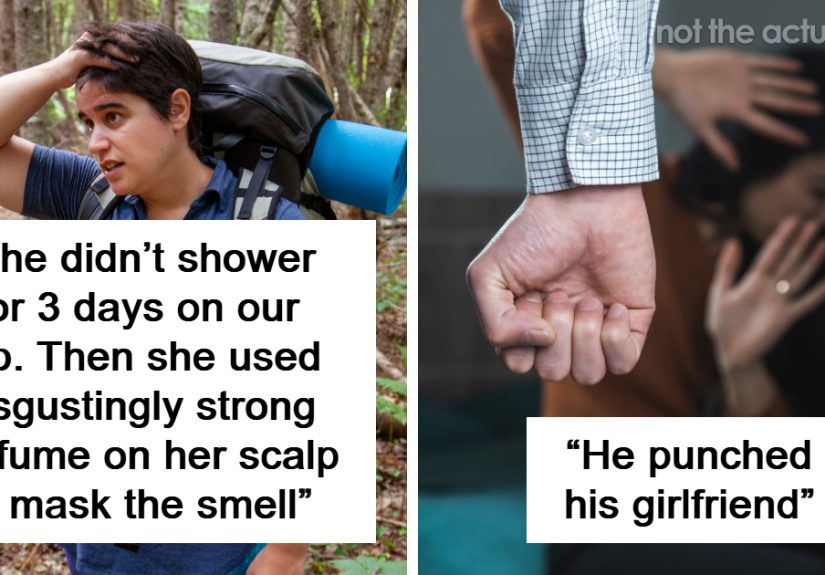
- They brought “snacks” on a trip and it was… unsealed seafood. In a backpack. In summer.
- They repeatedly ignored basic cleanliness in shared spaces and acted like you were picky for wanting “not mold.”
Category 3: The takers, the twisty, and the manipulative (17–26)
- They guilt-tripped you for setting boundaries, calling you “selfish” for not being endlessly available.
- They kept your friendship dependent on crisisbecause peace would mean you might leave.
- They subtly isolated you from other friends with “concern” that sounded a lot like sabotage.
- They “apologized” with the classic: “I’m sorry you feel that way,” which is not an apologyit’s a shrug in sentence form.
- They made you their unpaid therapist, then got annoyed when you had needs too.
- They punished you with silence whenever you disagreed, like your autonomy was a misbehavior.
- They collected “fans,” not friendspeople existed to hype them up or get out of the way.
- They kept score: every favor was a receipt, every kindness a down payment on future control.
- They started fights right before big moments in your life, because your joy apparently needed supervision.
- They spread drama, then acted “above it,” like they didn’t personally light the match.
Category 4: The “who are you, really?” secret lives (27–32)
- They lied about major life eventsjobs, relationships, tragediesbecause attention was their oxygen.
- They had two friend groups with totally different versions of themselves and forgot you could compare notes.
- They invented a partner (with photos) and tried to recruit you as a supporting actor in the story.
- They were quietly seeing someone you knowand everyone found out through a “random” tagged photo.
- They pretended to be broke while consistently buying expensive toys “as an investment.”
- They were hiding an addiction or compulsive behavior and using your friendship as cover for missed responsibilities.
Category 5: Social media fever dreams (33–38)
- They became “Twitter famous,” left their spouse, and rebranded betrayal as “finally living my truth.”
- They quit their job to “create content,” but their content was mostly vague drama and discount codes.
- They treated friendships like networkingif you weren’t useful for clout, you weren’t “aligned.”
- They started public feuds for engagement, then acted shocked when real people had real feelings.
- They chased virality so hard they stopped being kind in privatebecause cameras reward chaos, not character.
- They posted inspirational quotes about loyalty while actively doing disloyal things. With filters.
Category 6: Values, ethics, and the “how did I miss this?” faceplants (39–44)
- They bullied people “as humor” and called anyone who objected “too sensitive.”
- They were cruel to service workers, which is basically a personality background check they failed loudly.
- They stole small things and treated it like a cute quirklike “klepto” is a love language.
- They blamed every consequence on “haters,” including consequences caused by their own actions.
- They used friends’ vulnerabilities as entertainment in private chats, then demanded trust in public.
- They had a habit of crossing consent and comfort lines, then acting confused when people pulled away.
What these “revolting reveals” usually have in common
The specifics varyfrom clout-chasing to chaos to straight-up betrayalbut the underlying pattern is often the same:
lack of reciprocity and lack of respect. In healthy friendships, you feel generally safe,
seen, and steady. In unhealthy ones, you feel confused, on edge, or oddly responsible for managing someone else’s emotions.
Another big tell is consistency. Everyone messes up sometimes. A good friend can have a bad week, act weird, then come back
with an apology and a plan to do better. A toxic dynamic repeats. It “resets” just long enough to keep you hopeful, then
loops back into the same harm.
How to respond when you learn something revolting
1) Pause before you perform
Your brain will want to react immediately: confront, subtweet, text the group chat, craft a speech worthy of awards season.
Take a beat. Ask: Do I know this is true? and What outcome do I actually want? Closure? Distance? Repair?
Safety? Those are different plays.
2) Separate “gross habit” from “harmful pattern”
Some revelations are unpleasant but fixable (bad hygiene, thoughtless habits, immaturity). Others signal risk (manipulation,
repeated lying, boundary violations, cruelty, exploitation). If the behavior damages your well-being, your time, your safety,
or your relationships, treat it like the serious information it is.
3) Set one boundary, clearlyand watch what happens
Try one sentence that doesn’t invite debate: “I’m not comfortable with that.” “Please don’t share my personal information.”
“I can’t lend money.” “I’m not available for this conversation when you’re yelling.” Then watch the response. Respect looks
like adjustment. Disrespect looks like mockery, guilt, or escalation.
4) Don’t negotiate with a pattern
If you’re dealing with someone who twists your words, denies reality, or punishes you for boundaries, long explanations often
become ammunition. In those cases, shorter is safer: distance, reduced access, andwhen necessarya clean break.
5) Exit with your nervous system in mind
Ending a friendship can feel like grief, even when it’s the right move. You’re not just losing a personyou’re losing a
version of the future you pictured with them. Replace the time you spent managing chaos with something stabilizing:
reconnect with safe people, rebuild routines, and give yourself a “no new drama” season.
6) If the situation involves harm, protect yourself first
If you learn something that suggests abuse, stalking, criminal behavior, or serious safety risks, prioritize protection and
professional support. Your role is not to “fix” the person at your own expense.
What if you’re the friend people learn “revolting things” about?
Painful question, but a useful one. If you recognize yourself in any of these patterns, the solution isn’t a rebrandit’s
repair. Real accountability is specific: naming what you did, acknowledging impact, changing behavior, and accepting that
some people may still choose distance. Growth is not a PR campaign. It’s consistency when nobody is clapping.
Conclusion: the point isn’t the dramait’s the lesson
Viral confession stories can feel like entertainment, but their real value is the mirror they hold up. They remind us to
choose friendships that are mutual, to trust patterns over promises, and to treat boundaries like the price of admission
to our livesnot a punishment we hand out when we’re mad.
If you’ve learned something revolting about a friend, you’re not “overreacting” for taking it seriously. You’re updating
your understanding of reality. And that’s not petty. That’s protective.
of relatable friendship whiplash (experiences people recognize)
The “trip test”
Travel has a way of speed-running compatibility. You learn who shares space with respectand who treats a shared Airbnb
like a personal landfill. It’s the little things: leaving wet towels in a heap, ignoring basic cleanliness, blasting music
at 2 a.m., and acting like you’re the unreasonable one for wanting sleep. You come home more exhausted than you left, and
the “vacation” becomes a case study titled Why I Prefer Solitude and Room Service.
The “sudden influencer era”
One day your friend posts a funny thread. The next, they’re talking about “engagement,” “haters,” and “my brand” with the
seriousness of a Supreme Court hearing. They start turning hangouts into content opportunities: filming without asking,
name-dropping private stories, and picking fights online because outrage performs well. You realize your friendship is now
a set, and you didn’t audition.
The “I was your alibi?!” moment
Few experiences hit like discovering you were drafted into someone’s dishonesty. You casually mention grabbing coffee
together, and a partner’s face changesbecause your friend told them they were “working late.” Suddenly you’re holding a
puzzle piece you never asked for. And now you’re forced to choose between telling the truth and being cast as “the one who
caused drama,” even though the drama was already builtyour name was just painted on the sign.
The “therapist friend” burnout
At first, it feels good to be trusted. You’re the person they call. You listen. You advise. You show up. Then you notice
the pattern: the conversation is always about them, your updates get ignored, your problems get minimized, and your
boundaries are treated like betrayal. You start feeling anxious when their name appears on your screennot because you
don’t care, but because your emotional labor has become their routine.
The “quiet downgrade”
Some friendship endings don’t explodethey dissolve. You’re not invited, not included, not considered. They post group
photos with captions like “my people,” and you’re left wondering when you stopped counting. It’s tempting to chase clarity,
to demand an explanation. But sometimes the explanation is the behavior itself. And the most self-respecting move is to
stop auditioning for a role you already earnedthen got recast without notice.