Table of Contents >> Show >> Hide
- What Is Bee Pollen?
- Bee Pollen Nutrition: Why People Are Interested
- Bee Pollen: 10 Potential Health Benefits
- 1. May Provide Antioxidant Support
- 2. May Help Balance Inflammation
- 3. May Support Immune Function
- 4. May Contribute to Heart Health
- 5. May Support Liver Protection in Early Research
- 6. May Promote Skin and Wound-Healing Support
- 7. May Help With Hormonal Comfort During Menopause
- 8. May Support Prostate Comfort in Limited Research
- 9. May Offer Natural Energy and Nutrient Support
- 10. May Support Brain and Metabolic Health in Early Studies
- How to Use Bee Pollen Safely
- Who Should Avoid Bee Pollen?
- Real-Life Experience: What Adding Bee Pollen Can Feel Like
- Final Thoughts on Bee Pollen Benefits
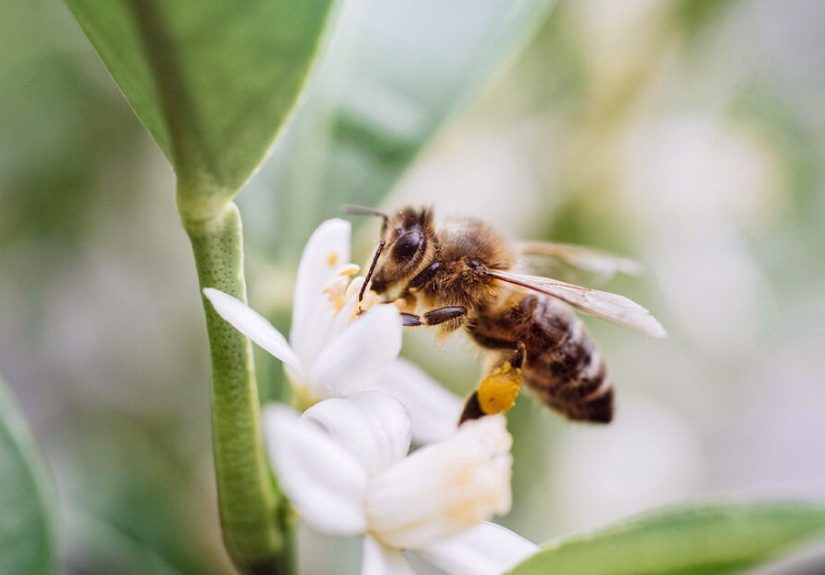
Bee pollen sounds like something a wellness fairy would sprinkle over a smoothie bowl while whispering, “You’re doing amazing, sweetie.” In reality, it is a natural mixture collected by honeybees from flower pollen, nectar, enzymes, honey, wax, and tiny bits of plant material. Bees use it as food for the hive, and humans have turned it into granules, capsules, powders, and crunchy golden toppings for yogurt.
The big question is simple: does bee pollen actually offer health benefits, or is it just another jar on the supplement shelf wearing a tiny superhero cape? The honest answer is somewhere in the middle. Bee pollen contains protein, amino acids, carbohydrates, fatty acids, fiber, vitamins, minerals, flavonoids, carotenoids, and other plant compounds. Early research suggests it may support antioxidant activity, inflammation balance, immune health, heart wellness, skin repair, hormonal comfort, and more. However, many studies are laboratory or animal studies, and human research is still limited.
So, let’s explore the potential health benefits of bee pollen without turning it into magic dust. Bees are impressive, but even they cannot replace your doctor, your vegetables, or eight hours of sleep.
What Is Bee Pollen?
Bee pollen is often described as “bee-collected pollen,” but that phrase only tells part of the story. When bees visit flowers, pollen sticks to their bodies. They pack it into small pellets using nectar and their own enzymes, then carry it back to the hive. Beekeepers collect some of these pellets using special traps that remove a portion without harming the colony when done responsibly.
Its nutritional profile varies widely depending on the flowers, season, climate, geography, and processing method. A batch gathered from wildflowers in spring may differ from one collected near buckwheat, clover, sunflower, or orchard blossoms. This is why bee pollen is not a standardized medicine. It is more like nature’s trail mix: complex, interesting, and occasionally unpredictable.
Bee Pollen Nutrition: Why People Are Interested
Bee pollen contains a variety of nutrients, including plant-based protein, essential amino acids, carbohydrates, lipids, vitamins, minerals, and polyphenols. It may include B vitamins, vitamin C, vitamin E, potassium, magnesium, calcium, iron, zinc, selenium, and other trace elements, though amounts vary by source. It also contains antioxidant compounds such as flavonoids and phenolic acids.
Because people usually consume bee pollen in small amountsoften one teaspoon to one tablespoonthe nutrient contribution may be modest. Still, as a nutrient-dense food topping, it can add flavor, texture, and small amounts of beneficial compounds to an already balanced diet.
Bee Pollen: 10 Potential Health Benefits
1. May Provide Antioxidant Support
One of the most talked-about bee pollen benefits is antioxidant activity. Antioxidants help protect cells from oxidative stress, a process linked with everyday wear and tear, environmental exposure, aging, and many chronic health concerns. Bee pollen contains flavonoids, carotenoids, phenolic acids, and other compounds that may help neutralize free radicals.
Think of antioxidants like tiny cleanup crews. They do not make you immortal, sadly, but they may help your body handle cellular stress more efficiently. Different types of bee pollen contain different antioxidant levels, so color, plant source, freshness, and storage can all matter.
2. May Help Balance Inflammation
Inflammation is not automatically bad. Your body uses it to heal wounds and fight infections. The problem begins when inflammation becomes excessive or long-lasting. Bee pollen contains compounds that may influence inflammatory pathways, including flavonoids and phenolic compounds.
Some early studies suggest bee pollen may help reduce inflammatory markers, but more human trials are needed before anyone can confidently say it works for specific inflammatory conditions. For now, it is best viewed as a possible supportive food, not a replacement for medical treatment.
3. May Support Immune Function
Bee pollen is often promoted for immune support because it contains nutrients and plant compounds involved in normal immune activity. Vitamin C, zinc, selenium, amino acids, and polyphenols all play roles in maintaining healthy immune defenses.
However, “immune support” does not mean “prevents colds” or “blocks infections.” A healthy immune system depends on sleep, nutrition, stress management, movement, hydration, and vaccines when appropriate. Bee pollen may be one small supporting actor in the show, but it is not the lead character wearing sunglasses and kicking down doors.
4. May Contribute to Heart Health
Some laboratory and animal research suggests bee pollen may influence cholesterol metabolism, blood vessel function, and oxidative stress, all of which are connected to cardiovascular health. Its antioxidant and anti-inflammatory compounds may be part of the reason researchers are interested in it.
That said, heart health is a serious topic. Bee pollen should never replace prescribed cholesterol medication, blood pressure treatment, or a heart-healthy lifestyle. The proven foundations still matter most: eating fiber-rich foods, limiting excess saturated fat, exercising regularly, avoiding smoking, managing blood pressure, and following medical guidance.
5. May Support Liver Protection in Early Research
The liver is the body’s hardworking processing plant, and it deserves more applause than it gets. Animal studies have explored bee pollen’s potential protective effects on liver tissue, especially related to oxidative stress. Certain compounds in bee pollen may help support antioxidant defenses in liver cells.
But here is the important reality check: animal studies do not automatically translate to human benefits. Also, rare liver problems have been reported after supplement use, including bee pollen in some cases. Anyone with liver disease should be especially cautious and consult a clinician before trying it.
6. May Promote Skin and Wound-Healing Support
Bee products have long been studied in skin care, and bee pollen is part of that conversation because of its antioxidant, nutrient, and antimicrobial potential. Some research suggests compounds in bee pollen may support tissue repair and skin barrier health.
In practical terms, people may be interested in bee pollen for overall skin wellness rather than as a direct treatment. Skin health depends heavily on hydration, sun protection, enough protein, vitamins, minerals, and managing conditions such as eczema, acne, or infections with proper care. Do not apply bee pollen to broken or irritated skin unless advised by a qualified professional, especially if you are allergy-prone.
7. May Help With Hormonal Comfort During Menopause
Some human research has explored pollen extracts and bee pollen mixtures for menopausal symptoms, including hot flashes and quality of life. A few studies suggest potential improvement, but the evidence is not strong enough to recommend bee pollen as a standard treatment.
For people experiencing hot flashes, mood changes, poor sleep, or other menopause-related symptoms, bee pollen may be a topic to discuss with a healthcare provider. This is especially important for people with a history of hormone-sensitive cancers or those taking endocrine therapy. Natural does not always mean appropriate for every body.
8. May Support Prostate Comfort in Limited Research
Pollen extractsnot always identical to raw bee pollenhave been studied for urinary and prostate-related symptoms, including chronic prostatitis and benign prostate enlargement. Some studies suggest pollen preparations may improve discomfort or urinary symptoms, possibly because of anti-inflammatory effects.
This does not mean a spoonful of bee pollen is a proven prostate remedy. Men with pelvic pain, frequent urination, difficulty urinating, blood in urine, fever, or worsening symptoms should seek medical evaluation. The prostate is not a place for guesswork and internet heroics.
9. May Offer Natural Energy and Nutrient Support
Bee pollen contains carbohydrates, small amounts of fat, amino acids, and micronutrients, which is why some athletes and wellness enthusiasts use it as a natural energy-support food. It can add a mildly sweet, floral crunch to breakfast, smoothies, oatmeal, and snack bowls.
Still, bee pollen is not a pre-workout miracle. If your energy is low, bigger factors may be involved: not eating enough, dehydration, poor sleep, stress, anemia, thyroid issues, medication effects, or overtraining. Bee pollen may make your yogurt more exciting, but it cannot fix a lifestyle running on three hours of sleep and iced coffee fumes.
10. May Support Brain and Metabolic Health in Early Studies
Because bee pollen contains antioxidant and anti-inflammatory compounds, researchers have explored its possible effects on brain health, memory, metabolic balance, and blood sugar regulation. Much of this research is still early and often comes from animal or laboratory models.
The idea is promising, but it should be handled carefully. For brain health, proven habits include regular exercise, good sleep, social connection, learning, blood pressure control, and a nutrient-rich diet. For metabolic health, balanced meals, fiber, protein, strength training, and medical care when needed carry far more evidence than any supplement.
How to Use Bee Pollen Safely
If you are new to bee pollen and your healthcare provider says it is appropriate for you, start small. Many people begin with just a few granules or a quarter teaspoon to test tolerance. Bee pollen can be sprinkled over oatmeal, yogurt, smoothie bowls, toast, salads, or blended into smoothies after they have cooled. Heat may affect some delicate compounds, so it is usually better to add bee pollen after cooking rather than boiling it into recipes.
Look for products from reputable companies that provide clear sourcing, testing information, allergen statements, and quality controls. Third-party testing is helpful because supplements can vary in purity and potency. Avoid products making dramatic claims such as “rapid weight loss,” “detox cure,” or “miracle immunity.” When a label sounds like it was written by a carnival barker with a Wi-Fi connection, proceed carefully.
Who Should Avoid Bee Pollen?
Bee pollen is not safe for everyone. People with pollen allergies, bee sting allergies, honey allergies, asthma, or a history of anaphylaxis should avoid it unless a qualified allergist says otherwise. Serious allergic reactions have been reported, including swelling, breathing problems, hives, dizziness, digestive distress, and anaphylaxis.
Pregnant and breastfeeding people are generally advised to avoid bee pollen because there is not enough reliable safety evidence, and there are concerns about possible uterine effects. Children should not use bee pollen unless recommended by a pediatric healthcare professional.
People taking warfarin or other blood thinners should also be cautious. A possible interaction between bee pollen and warfarin has been reported, and changes in blood clotting can be dangerous. If you take prescription medications, have a chronic condition, or are preparing for surgery, ask your clinician before adding bee pollen to your routine.
Real-Life Experience: What Adding Bee Pollen Can Feel Like
From a practical, everyday wellness perspective, bee pollen is less like taking a medicine and more like adding a new functional food to your kitchen routine. The first thing many people notice is the flavor. It is lightly sweet, floral, earthy, and sometimes a little grassy. Some batches taste almost honey-like, while others have a stronger plant flavor. In a smoothie bowl with banana, Greek yogurt, berries, and oats, bee pollen adds a pleasant crunch that feels more exciting than plain granola but less dramatic than accidentally dropping your phone in the blender.
A common experience is using bee pollen as a morning topping. For example, someone might start with a tiny pinch on yogurt for several days, then gradually increase to half a teaspoon if no reaction occurs. The point is not to chase instant transformation. It is to observe how the body responds. Does digestion feel normal? Any itching, swelling, sneezing, throat tightness, rash, or stomach upset? If yes, stop immediately and seek medical advice when symptoms are concerning.
People who enjoy bee pollen often say it helps them feel more intentional about breakfast. That may sound simple, but simple habits matter. A bowl of oatmeal with berries, nuts, chia seeds, and a sprinkle of bee pollen is more balanced than skipping breakfast and later negotiating with a vending machine like it holds the meaning of life. Bee pollen may contribute small amounts of nutrients, but the bigger benefit may be that it encourages a more nutrient-rich eating pattern overall.
Another realistic experience involves energy. Some users report feeling a gentle lift when they add bee pollen to meals, especially if it replaces a sugary snack. But this effect may come from the full meal, better protein intake, hydration, or even the satisfaction of doing something healthy. It is important not to over-credit the pollen. Wellness is rarely one ingredient. It is usually a committee meeting involving food, movement, sleep, stress, hormones, genetics, and whether you remembered to drink water before noon.
Texture is another factor. Bee pollen granules can be crunchy, slightly chewy, or powdery depending on freshness and storage. Some people love the texture on smoothie bowls; others prefer blending it into shakes. If the flavor is too strong, pairing it with peanut butter, cocoa, cinnamon, banana, or honey can make it more approachable. Store bee pollen according to the label, often in a cool, dry place or refrigerator, to help preserve quality.
The most responsible experience is a cautious one. Bee pollen should be introduced slowly, treated with respect, and avoided by anyone at higher allergy risk. When used appropriately by someone who tolerates it, it can be a flavorful, nutrient-dense addition to a healthy diet. It is not a miracle, but it can be a charming little upgradelike putting a bow tie on breakfast.
Final Thoughts on Bee Pollen Benefits
Bee pollen has earned attention because it is rich in nutrients and bioactive compounds, including antioxidants, amino acids, vitamins, minerals, and polyphenols. Its potential health benefits may include antioxidant support, inflammation balance, immune support, heart wellness, liver protection, skin support, hormonal comfort, prostate support, natural energy, and brain or metabolic support.
However, the keyword is potential. Much of the evidence is preliminary, and bee pollen should not be used to diagnose, treat, cure, or prevent disease. It can also cause serious allergic reactions and may interact with medications such as blood thinners. For healthy adults who tolerate it, bee pollen may be a fun and nutrient-rich addition to meals. For anyone with allergies, pregnancy, breastfeeding, medical conditions, or medication use, it deserves a conversation with a healthcare professional first.
In other words, respect the bees, respect the science, and respect your own body. That is the real sweet spot.