Table of Contents >> Show >> Hide
- What “Best” Meant in 2020 (Not Just “Loudest”)
- The Best MMORPGs to Play in 2020
- Final Fantasy XIV (Shadowbringers Era)
- World of Warcraft (Shadowlands Launch)
- The Elder Scrolls Online (Greymoor Year)
- Guild Wars 2 (Living World Momentum)
- Black Desert Online (Action Combat Fix)
- EVE Online (The “I Can’t Believe That Happened” MMO)
- Old School RuneScape (and RuneScape 3)
- Star Wars: The Old Republic (Story-First MMO Comfort Food)
- Phantasy Star Online 2 (North America PC Arrival)
- Albion Online (PvP Sandbox With Real Stakes)
- Honorable Mentions That Still Made 2020 Better
- How to Choose Your Best MMORPG in 2020
- Conclusion
- Player Experiences (2020 Edition): From the Front Lines
2020 was the year a lot of us learned two things: (1) “You’re on mute” is a universal language, and
(2) if you’re going to disappear into a digital world, it might as well be one with dragons, dungeons,
and at least one friend who can explain why you should “stack on blue.”
MMORPGs (massively multiplayer online role-playing games) weren’t new in 2020but the way people played them
absolutely shifted. Some players chased brand-new expansions, others wanted a cozy long-haul MMO that didn’t
demand daily chores like a needy houseplant, and plenty just wanted a game where “hanging out” meant slaying
something with too many legs.
What “Best” Meant in 2020 (Not Just “Loudest”)
“Best MMORPG 2020” isn’t a single trophy you hand to one game and call it a day. It’s more like a buffet.
One player wants cinematic story quests. Another wants ruthless PvP. Someone else wants to craft furniture,
decorate a house, and only fight if a monster is standing between them and a new lamp.
To keep this list useful (and not “my cousin said it’s good”), the picks below prioritize:
- Active updates and healthy communities (because empty towns are spooky in the wrong way)
- Strong 2020-era content (expansions, patches, or meaningful seasonal support)
- Clear identity (each MMO here is “best” for a different kind of player)
- Fair-ish time value (whether you play 5 hours a week or 25)
The Best MMORPGs to Play in 2020
These are the MMORPGs that stood out in 2020 for player activity, content momentum, and overall “yes, I can
actually recommend this to a friend without apologizing first.”
Final Fantasy XIV (Shadowbringers Era)
If you wanted a story-driven MMO in 2020 that didn’t treat narrative like a speed bump, Final Fantasy XIV
was the obvious standout. Shadowbringers had already earned serious praise for its storytelling, and the 2020 patch
cadence kept the world movingmeaning you could join in without feeling like you missed the entire party.
- Best for: Players who want big story arcs, memorable characters, and cooperative endgame
- Why it worked in 2020: Regular patches and a welcoming culture made it great for long sessions or short bursts
- Reality check: The early “main scenario” is a marathon; it’s worth it, but it is not a sprint
What makes FFXIV special isn’t just raidsit’s the way the game gives you reasons to care about what you’re doing.
In 2020, that feeling of “I belong in this world” hit extra hard.
World of Warcraft (Shadowlands Launch)
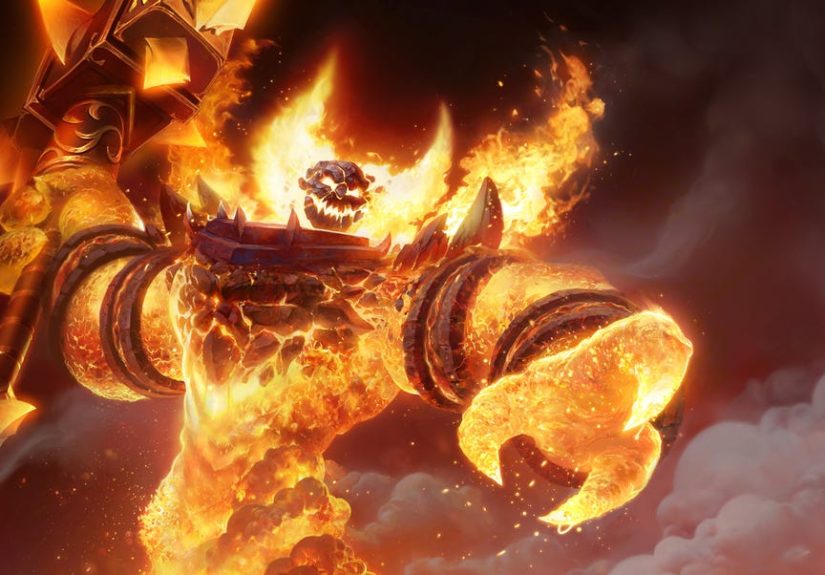
Even in 2020, World of Warcraft remained the genre’s skyscraperold, enormous, and still throwing
big events that pull everyone’s attention. Shadowlands arriving late in the year gave players a fresh leveling
experience, new zones, and the kind of expansion buzz that makes group chat suddenly active again.
- Best for: Traditional MMO fansraids, dungeons, guild progression, and a deep endgame loop
- Why it worked in 2020: Expansion launches are basically social seasons; Shadowlands was a big one
- Reality check: The “best” WoW is often tied to having a guild or friend group (solo is fine, but friends are the cheat code)
The Elder Scrolls Online (Greymoor Year)
In 2020, The Elder Scrolls Online had a strong argument as the most flexible “play it your way” MMO.
If you wanted to quest like it’s a single-player Elder Scrolls game, you could. If you wanted dungeons, trials,
PvP, crafting, housingalso yes.
- Best for: Exploration lovers, lore fans, and players who want optional structure (not a strict treadmill)
- Why it worked in 2020: The Greymoor chapter brought fresh regions and renewed interest from returning players
- Reality check: The game’s monetization can look like a menu with too many side dishesfocus on what you actually want
ESO is also one of the easiest MMORPGs to recommend to someone who says, “I like MMOs, but I also like… leaving.”
You can log in, do a story arc, decorate a house, fish, and log outno guilt, no spreadsheet.
Guild Wars 2 (Living World Momentum)
Guild Wars 2 stayed compelling in 2020 because it never demanded a monthly subscription, and it kept
pushing fresh content through its Living World approach. It’s the MMO for people who love variety: map events,
exploration, mounts, world bosses, and a surprisingly deep endgame buffet.
- Best for: Players who want freedom, exploration, and a low-pressure path to endgame
- Why it worked in 2020: No sub means you can play in wavesperfect for unpredictable schedules
- Reality check: The game’s best moments often happen in big public events, so jump into crowds
Black Desert Online (Action Combat Fix)
If your idea of a “good MMO” starts with “combat that feels amazing,” Black Desert Online was hard to ignore
in 2020. The game’s action combat is fast, flashy, and built for players who want to master inputsnot just rotate abilities.
- Best for: Action-combat enthusiasts, grinders, and players who love class identity
- Why it worked in 2020: It offered a long-term progression loop that’s easy to sink into
- Reality check: It can feel overwhelming; pick one goal (gear, lifeskills, PvP) and grow outward
EVE Online (The “I Can’t Believe That Happened” MMO)
EVE Online isn’t for everyone, but in 2020 it remained the king of player-driven chaos. If you want an MMO
where politics, economics, espionage, and large-scale conflict are the actual endgamewelcome home. Bring snacks.
- Best for: Sandbox players who love emergent stories and long-term social gameplay
- Why it worked in 2020: The community is the content, and it never runs out of content
- Reality check: It’s a learning cliff, not a learning curve
Old School RuneScape (and RuneScape 3)
In 2020, RuneScape continued to prove that you don’t need cutting-edge graphics to be dangerously addictive.
Whether you preferred the modern style of RuneScape 3 or the nostalgia-and-grit of Old School RuneScape,
the hook was the same: meaningful progression, community culture, and the quiet satisfaction of “number go up.”
- Best for: Long-term progression fans, completionists, and casual grinders
- Why it worked in 2020: You can play while doing literally anything elsepodcasts, shows, life
- Reality check: “Just one more level” is how you accidentally lose an entire weekend
Star Wars: The Old Republic (Story-First MMO Comfort Food)
Star Wars: The Old Republic kept its niche in 2020 because it offers something many MMOs don’t: class stories
and dialogue choices that feel closer to an RPG campaign than a typical quest treadmill. If you like the Star Wars universe,
it’s easy to recommendespecially for solo-friendly play.
- Best for: Story fans, Star Wars lovers, and players who want a solo-capable MMO
- Why it worked in 2020: It’s a low-stress world to return to when you want narrative comfort
- Reality check: Endgame exists, but the real magic is in the story journey
Phantasy Star Online 2 (North America PC Arrival)
2020 also mattered because Phantasy Star Online 2 finally expanded its North American footprint on PC,
bringing a distinct sci-fi MMO-ish experience with fast action combat, instanced missions, and deep fashion customization.
(Yes, fashion. It’s endgame. Don’t fight it.)
- Best for: Action-RPG fans who want MMO social vibes without the classic “theme park” structure
- Why it worked in 2020: New waves of players make any online game feel alive
- Reality check: It’s a different flavor than traditional MMORPGsmore hub-and-missions than open-world questing
Albion Online (PvP Sandbox With Real Stakes)
Albion Online is the MMO for players who want meaningful PvP and player-driven economies, but without the
heavy simulation feel of some older sandbox games. In 2020, it stayed popular because it’s clear about what it is:
a world where risk is real, and victories feel earned.
- Best for: PvP-first players, crafters, traders, and guild strategists
- Why it worked in 2020: High social interdependenceguilds matter, markets matter, territory matters
- Reality check: If you hate losing gear, avoid full-loot zones (or embrace chaos and become legend)
Honorable Mentions That Still Made 2020 Better
Depending on your taste, these could easily be “best MMORPG 2020” picks for the right player:
- Final Fantasy XI: Older, but still aliveespecially for players who love classic MMO pacing.
- The Lord of the Rings Online: A lore-heavy comfort MMO for Tolkien fans.
- Neverwinter: D&D-flavored action MMO fun, especially for dungeon running.
- TERA (in its 2020 state): Still remembered for satisfying combat and flashy dungeon runs.
How to Choose Your Best MMORPG in 2020
If you’re deciding where to invest your time, ask yourself these four questions:
- Do I want story or systems? (FFXIV/SWTOR vs. sandbox-heavy choices like EVE/Albion)
- Do I want a subscription? (WoW/FFXIV vs. buy-to-play or free options like GW2/OSRS)
- Do I want “cozy” or “competitive”? (ESO can be chill; Albion can be… not chill)
- Do I want to play mostly solo? (ESO, SWTOR, and FFXIV are friendly; others shine brightest in guilds)
The secret is that the “best MMO” is usually the one that matches your lifestyle. If you only have a few hours a week,
you’ll likely be happier in a game that respects drop-in play. If you crave deep progression and social structure,
the big subscription giants can feel like home.
Conclusion
The best MMORPGs of 2020 weren’t defined by who had the newest graphics or the loudest marketing. They were the games
that gave players a place to belongwhether that meant raiding with friends, exploring huge worlds, crafting a ridiculous
amount of furniture, or simply logging in to see familiar names in chat.
If you want one “starter recommendation,” it’s simple: pick Final Fantasy XIV for story, World of Warcraft
for classic endgame structure, The Elder Scrolls Online for freedom, or Guild Wars 2 for variety without a subscription.
From there, let your curiosity (and your friends) do the rest.
Player Experiences (2020 Edition): From the Front Lines
Ask ten MMO players what 2020 felt like, and you’ll get ten different storiesplus one person who won’t stop talking about
their fishing level. But a few themes showed up everywhere, no matter which world you called home.
First: the return of the guild. In many MMORPGs, 2020 brought waves of returning players. Guild chat filled up
again with familiar energyhalf strategy, half meme, and half “Wait, that’s three halves, but yes, it’s accurate.”
Players who hadn’t logged in for months found themselves pulled back in by expansion hype, patch notes, or a friend saying,
“We need a healer. Please. I will mail you potions.”
Second: queues became a shared joke and a shared ritual. If you played a popular MMO during a big patch or expansion
window, you probably spent time staring at a login screen like it was a meditation app. But weirdly, those moments turned into
community bonding. People swapped tips, posted screenshots, and made the kind of small talk that only happens when everyone is stuck
waiting for the same digital door to open.
Third: “small wins” mattered more. In 2020, not every player wanted sweaty progression. Many leaned into cozy achievements:
finally finishing a long questline, collecting a mount, decorating a house, or crafting gear for friends. In ESO, you might spend an
evening questing through a region just because the voice acting was relaxing. In FFXIV, you might run a dungeon roulette for the hundredth
time and still laugh when someone face-pulls a boss like they’re auditioning for chaos. In RuneScape, you might set a goalone level, one quest,
one tiny milestoneand somehow that became the most satisfying part of the week.
Fourth: MMOs stayed social even when the gameplay didn’t demand it. Some nights weren’t about “progress.” They were about presence.
Standing in a city hub while chatting in voice, watching someone show off a new outfit, helping a newcomer figure out a rotation, or just running
a low-stakes dungeon because it was an excuse to hang out. The best MMORPGs in 2020 weren’t just games; they were routines, gathering places,
and ongoing inside jokes. You didn’t always remember what loot droppedbut you remembered who was there when it did.
And finally: everyone found their “home activity”. The thing they did when they didn’t know what else to do. For some, it was
battlegrounds. For others, it was crafting. For many, it was a comfort loop: log in, say hi, do one meaningful thing, log out feeling a little
more grounded than before. If that’s not a successful MMORPG year, what is?