Table of Contents >> Show >> Hide
- What Counts as a No-Cook Protein?
- The Food-Expert Shopping Rules (So You Don’t Get Burned by a “Protein” Label)
- Best No-Cook Proteins to Buy (Expert-Approved Picks)
- 1) Canned or Pouch Tuna, Salmon, Sardines, and Mackerel
- 2) Smoked Salmon (and Other Ready-to-Eat Seafood)
- 3) Rotisserie Chicken (Store-Cooked = Still Counts)
- 4) Hard-Boiled Eggs (Fresh or Pre-Peeled)
- 5) Greek Yogurt (Plain First, Flavor Second)
- 6) Cottage Cheese (The Comeback Kid)
- 7) Tofu You Can Eat Cold (Yes, Really)
- 8) Edamame (Microwave Optional, No-Cook If Thawed)
- 9) Ready-to-Eat Beans and Lentils (Canned, Pouched, or Pre-Seasoned)
- 10) Hummus, Bean Dips, and Greek Yogurt Dips
- 11) Nuts and Nut Butters
- 12) Seeds: Hemp Hearts, Pumpkin Seeds, Chia (Protein Sprinkles)
- 13) Jerky and Meat Sticks (The “In a Pinch” Protein)
- 14) Protein Bars and Ready-to-Drink Shakes (Convenient, but Choose Carefully)
- No-Cook Meal Ideas That Don’t Feel Like “Snack Math”
- Food Safety for No-Cook Proteins (Quick, Important, Not Scary)
- Common “Best Buy” Shortlist (If You Just Want the TL;DR Cart)
- Conclusion: The Best No-Cook Protein Is the One You’ll Repeat
- Real-Life Experiences with No-Cook Proteins (The Good, the Messy, and the Weirdly Delicious)
- SEO Tags
No stove? No problem. Whether it’s a heat-wave week, a “my kitchen is basically a storage closet” era, or you’re simply not in the mood to sauté anything ever again, no-cook proteins are the fastest way to build real meals with minimal effort. Food experts (think registered dietitians, nutrition-minded food editors, and the folks who read labels for fun) tend to agree on one big thing: the best “ready-to-eat” protein is the kind you’ll actually eatconsistentlywithout turning dinner into a project.
This guide covers the best no-cook proteins to buy, what to look for on the label, and how to turn them into lunches and snacks that feel like mealsnot like you’re eating “sad fridge ingredients” straight from the container (even though… sometimes you absolutely are, and we respect that).
What Counts as a No-Cook Protein?
A no-cook protein is anything you can eat straight from the package (or after a quick rinse/drain) with zero cooking required. Some are shelf-stable (hello, tuna pouches). Others live in the fridge (Greek yogurt, cottage cheese). A few are “store-cooked” but still count because you didn’t cook them (rotisserie chicken, hard-boiled eggs).
The Food-Expert Shopping Rules (So You Don’t Get Burned by a “Protein” Label)
1) Aim for 10–25g protein per snack, 25–40g per meal
Many dietitians frame high-protein snacks in the 10–25g range, with meals typically higher depending on your needs. If you’re building a no-cook lunch, think: one “anchor” protein + fiber + flavor.
2) Watch the “hidden saboteurs”: added sugar and sodium
Some high-protein picks sneak in added sugar (flavored yogurts, some protein bars) or sky-high sodium (jerky, deli meat, some canned items). You don’t have to fear sodiumbut it’s smart to compare brands and choose lower-sodium options when you can, especially if you’re eating these foods often.
3) Choose proteins that bring a “plus-one” nutrient
Experts love proteins that do double duty: omega-3s (fish), probiotics (yogurt/kefir), fiber (beans, edamame), calcium (dairy), or healthy fats (nuts and seeds). Your body likes a multitasker.
4) Make convenience work for you, not against you
Single-serve pouches, grab-and-go cups, and pre-cooked options cost more per servingbut they’re often the difference between “I ate lunch” and “I ate three crackers and a questionable latte.” If convenience keeps you nourished, it’s doing its job.
Best No-Cook Proteins to Buy (Expert-Approved Picks)
1) Canned or Pouch Tuna, Salmon, Sardines, and Mackerel
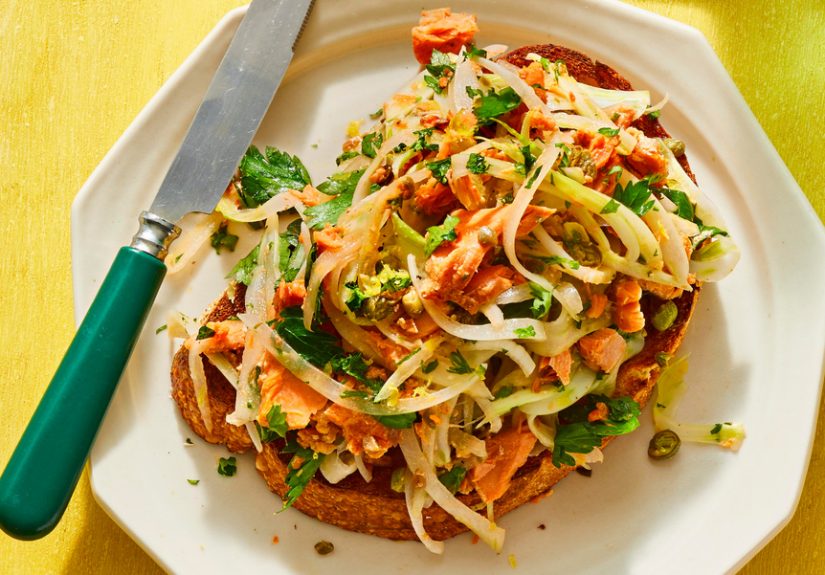
If no-cook protein had a hall of fame, shelf-stable seafood would get a trophy and a standing ovation. It’s high in protein, easy to stash at work, and pairs with basically anything: crackers, salad greens, rice cups, or a fork straight into the can (no judgment, only efficiency).
- What to buy: Tuna or salmon pouches (less mess), canned sardines/mackerel (often rich in omega-3s).
- Label tips: Look for “in water” or “in olive oil,” and compare sodium across brands.
- Smart note: If you’re pregnant or could become pregnant, follow official fish guidanceespecially around tuna variety and frequency.
2) Smoked Salmon (and Other Ready-to-Eat Seafood)
Smoked salmon is the “I’m fancy but I also have zero time” protein. It’s ready to eat, tastes like you tried, and works with bagels, cucumber slices, or tossed into a salad.
- What to buy: Smoked salmon packs, cooked shrimp rings, or refrigerated crab/seafood options meant to be eaten cold.
- Label tips: Watch sodium and added sugars in flavored varieties.
- Quick meal idea: Smoked salmon + plain Greek yogurt + lemon + dill = instant dip you’ll pretend you “made.”
3) Rotisserie Chicken (Store-Cooked = Still Counts)
Rotisserie chicken is the MVP of “I need protein, not a cooking show.” It’s versatile, widely available, and turns into sandwiches, salads, wraps, and snack plates in about 30 seconds.
- What to buy: A plain or lightly seasoned bird; grab pre-shredded rotisserie chicken if you want maximum convenience.
- Label tips: Sodium varies a lotcompare if you can.
- Food safety reminder: Refrigerate leftovers promptly; don’t let cooked chicken hang out at room temp for hours like it’s at a party.
4) Hard-Boiled Eggs (Fresh or Pre-Peeled)
Eggs are compact, complete-protein classics. Pre-cooked, pre-peeled eggs are a gift to everyone who has ever lost a nail trying to peel a stubborn shell.
- What to buy: Packs of hard-boiled eggs, or egg “snack kits” that include cheese/nuts.
- Label tips: Check sell-by dates and keep them cold.
- Fast snack plate: Two eggs + fruit + handful of nuts = surprisingly satisfying.
5) Greek Yogurt (Plain First, Flavor Second)
Greek yogurt is a dietitian darling for a reason: it’s protein-dense, versatile, and can go sweet or savory. Plain versions keep added sugar low, and you can flavor it yourself in seconds.
- What to buy: Plain nonfat or 2% Greek yogurt; single-serve cups if you’re busy.
- Upgrade ideas: Add berries + nuts, or go savory with olive oil, pepper, and a pinch of salt.
- Bonus points: Yogurt can bring probiotics into the mix, which many experts like for gut health.
6) Cottage Cheese (The Comeback Kid)
Cottage cheese has quietly rebranded from “retro diet food” to “high-protein, actually delicious if you season it.” It’s a slow-digesting protein option that can keep you full longerespecially when paired with fiber.
- What to buy: Low-fat or full-fat depending on preference; consider low-sodium if you eat it often.
- Sweet route: Pineapple, peaches, or cinnamon + granola crunch.
- Savory route: Tomatoes, cucumbers, everything-bagel seasoning, or hot sauce.
7) Tofu You Can Eat Cold (Yes, Really)
Tofu isn’t only for stir-fries. Many varieties are fully cooked during processing, meaning you can eat them cold. Silken tofu blends into smoothies or sauces; firm tofu cubes can be tossed into salads with a punchy dressing.
- What to buy: Silken tofu for blending; firm or extra-firm for slicing/cubing.
- Easy idea: Cold tofu + soy sauce + sesame oil + scallions = a no-cook bowl that tastes like it came from a tiny restaurant with great lighting.
8) Edamame (Microwave Optional, No-Cook If Thawed)
Edamame is a plant-protein favorite that also brings fiber. If you thaw it (or buy ready-to-eat versions), it can be truly no-cook. If you microwave it, that’s still basically “no cooking,” just… warm button technology.
- What to buy: Shelled edamame (easier), or pods if you like the snack ritual.
- Flavor hack: Toss with chili-lime seasoning or a pinch of flaky salt.
9) Ready-to-Eat Beans and Lentils (Canned, Pouched, or Pre-Seasoned)
Beans and lentils are the budget-friendly, pantry-stable protein crewwith fiber as their built-in sidekick. For no-cook eating, you can rinse canned beans and toss them into salads, wraps, or snack bowls.
- What to buy: No-salt-added or low-sodium canned beans; vacuum-packed lentils/beans for extra convenience.
- Fast lunch: Chickpeas + chopped veggies + feta + vinaigrette = “I meal-prepped” energy with almost no effort.
10) Hummus, Bean Dips, and Greek Yogurt Dips
Dips are underrated protein tools. They’re easy to portion, easy to pair with veggies or crackers, and they make “I’m snacking” feel more like “I’m eating intentionally.” (Even if you’re dipping pretzels the size of your palm.)
- What to buy: Classic hummus, white bean dip, or Greek yogurt-based dips.
- Make it a mini-meal: Dip + sliced bell peppers + a handful of nuts or a hard-boiled egg.
11) Nuts and Nut Butters
Nuts are portable, satisfying, and bring protein plus healthy fats. Nut butter packets are especially handy for travel days when you need an emergency snack that doesn’t melt, leak, or emotionally disappoint you.
- What to buy: Almonds, pistachios, peanuts; natural peanut/almond butter packets.
- Label tips: Short ingredient lists (nuts + salt) are usually a good sign.
- Easy combo: Apple + peanut butter = classic for a reason.
12) Seeds: Hemp Hearts, Pumpkin Seeds, Chia (Protein Sprinkles)
Seeds are the easiest “protein upgrade” you can add without changing your life. Sprinkle hemp hearts or pumpkin seeds on yogurt, salads, cottage cheese, or even soups you didn’t cook (looking at you, refrigerated gazpacho).
- What to buy: Hemp hearts for mild flavor; pumpkin seeds for crunch; chia for pudding (mix + chill).
- Pro tip: Keep seeds in the fridge or freezer if you buy big bags to help them stay fresh longer.
13) Jerky and Meat Sticks (The “In a Pinch” Protein)
Jerky is compact and high-protein, which is why it’s everywhere from hiking trails to desk drawers. The trade-off is often sodium, so experts typically recommend choosing wisely and treating it as a convenient toolnot the cornerstone of every day.
- What to buy: Jerky with lower sodium and minimal added sugar when possible.
- Pair it smart: Add fruit or whole-grain crackers for energy that lasts.
14) Protein Bars and Ready-to-Drink Shakes (Convenient, but Choose Carefully)
These can be genuinely helpful when you’re busy or traveling. The best ones keep added sugar reasonable, rely on recognizable ingredients, and don’t taste like sweetened drywall. (A high bar, yes, but not impossible.)
- What to buy: Bars with solid protein and fiber; shakes with moderate sugar and a protein source you tolerate well.
- Label tips: Compare protein-to-sugar ratio; check for caffeine if you’re sensitive.
No-Cook Meal Ideas That Don’t Feel Like “Snack Math”
If you’ve ever tried to piece together lunch from random items and ended up eating five things but still feeling hungry, you’ve experienced snack math. Here are simple, balanced formulas experts like:
The “Desk Lunch”
- Protein: tuna pouch or Greek yogurt
- Fiber: fruit + whole-grain crackers
- Flavor: hot sauce, mustard, or everything seasoning
The “Fridge-Forage Bowl”
- Protein: chickpeas or rotisserie chicken
- Fiber: chopped veggies or salad greens
- Fat/flavor: olive oil + vinegar, or hummus as dressing
The “I’m Too Tired to Chew a Salad” Option
- Protein: cottage cheese or silken tofu blended into a savory sauce
- Plus: pre-cut veggies, cherry tomatoes, or even a bagged salad kit
- Crunch: pumpkin seeds or nuts
Food Safety for No-Cook Proteins (Quick, Important, Not Scary)
No-cook doesn’t mean “no rules.” Proteins like chicken, eggs, dairy, and seafood are perishable and need basic food safety habits:
- Keep cold foods cold: Use an insulated bag + ice pack if you’re packing lunch.
- Don’t leave perishable foods out too long: As a general rule, refrigerate within about 2 hours (sooner if it’s hot out).
- Store leftovers promptly: Especially rotisserie chicken and cooked proteinsput them away quickly, then use them within a few days.
Translation: your future self will thank you, and your stomach will send a polite thank-you note.
Common “Best Buy” Shortlist (If You Just Want the TL;DR Cart)
If you want a tight grocery list you can screenshot mentally, experts tend to lean on these staples:
| No-Cook Protein | Why Experts Like It | Best Ways to Eat It |
|---|---|---|
| Tuna/Salmon Pouches | High protein, shelf-stable, fast | Wraps, salads, crackers, rice cups |
| Greek Yogurt (Plain) | Protein-dense; can be sweet or savory | Fruit + nuts, savory dip, parfaits |
| Cottage Cheese | Filling; versatile; easy | Sweet fruit bowls, savory snack plates |
| Rotisserie Chicken | Meal anchor with zero cooking | Salads, sandwiches, protein plates |
| Hard-Boiled Eggs | Portable, complete protein | Snack plates, salads, quick breakfasts |
| Beans/Lentils | Protein + fiber; budget-friendly | Salads, dips, wraps, grain bowls |
| Nuts/Seeds | Portable, satisfying; healthy fats | Trail mix, yogurt topping, snack packs |
Conclusion: The Best No-Cook Protein Is the One You’ll Repeat
No-cook proteins aren’t “backup food.” They’re smart foodespecially when life is busy, kitchens are chaotic, or you just want dinner without the sink full of pans. Stock a few reliable options (a shelf-stable protein, a dairy staple, and a plant-based pick), then rotate flavors so it doesn’t get boring. With a little label-reading and a few mix-and-match ideas, you can eat high-protein meals that feel effortlessand taste like you planned them on purpose.
Real-Life Experiences with No-Cook Proteins (The Good, the Messy, and the Weirdly Delicious)
Let’s talk about what actually happens when you try to live the no-cook protein lifebecause grocery lists are cute, but real life is loud, busy, and occasionally involves eating over the sink.
Experience #1: The “I Forgot Lunch” Office Save. This is where tuna pouches and Greek yogurt become workplace heroes. You open a desk drawer andboomthere’s a tuna pouch you bought two weeks ago for “emergencies,” which turns out to be today. Pair it with crackers from the break room and an apple you found rolling around in your bag, and suddenly you’re eating a balanced lunch instead of surviving on iced coffee and vibes. The lesson: shelf-stable protein is basically adult insurance.
Experience #2: The Rotisserie Chicken Glow-Up. You buy a rotisserie chicken with honest intentions (“I’ll make salads all week!”). Then you get home and immediately taste-test “just one bite,” which becomes three bites, which becomes… half a wing. But here’s the magic: even if your meal prep dreams don’t come true, you still have a ready-to-eat protein that can turn into sandwiches, wraps, and snack plates in minutes. The pro move is shredding some chicken right away and storing it in a container so future-you can assemble meals without negotiating with a whole bird.
Experience #3: The Cottage Cheese Personality Shift. Plenty of people think they hate cottage cheese until they meet it properly seasoned. The first time someone tries cottage cheese with sliced tomatoes, black pepper, and everything-bagel seasoning, there’s often a pauselike the brain is recalibrating. “Wait… this is good?” Yes. Yes it is. Cottage cheese is basically a blank canvas that’s been misunderstood for decades. It’s not the food; it’s the lack of seasoning.
Experience #4: The Travel-Day Protein Strategy. Airports are where nutrition plans go to become overpriced. This is when nut butter packets, jerky, and shelf-stable protein bars earn their keep. A surprisingly effective combo: a nut butter packet + a banana + a plain yogurt cup you grab at a kiosk. It’s not glamorous, but it prevents the “I’m hungry so I bought a cookie the size of my face” spiral. Sometimes the best travel meal is simply the one that keeps you from panic-ordering.
Experience #5: The “Cold Tofu?!” Moment. Cold tofu has a reputation problem in the U.S., mostly because people imagine biting into a flavorless sponge. But when tofu is paired with a strong saucesoy sauce, sesame oil, chili crisp, lime, gingerit becomes a totally different experience: clean, cool, and oddly satisfying. Many people who try it this way go from skeptical to obsessed in one sitting. It’s like discovering that “healthy” can also taste like you know what you’re doing.
Experience #6: The Food-Safety Reality Check. No-cook proteins are convenient, but they’re also perishable. Anyone who has ever left a yogurt cup in a hot car or carried chicken salad around all afternoon learns quickly: keep cold foods cold. The experience is not dramatic at firstit’s just a tiny voice saying, “Is this… safe?” Listen to that voice. Use an ice pack. Your stomach is not interested in bravery.
Bottom line: no-cook protein success isn’t about perfection. It’s about having a few dependable options, pairing them with fiber and flavor, and making the easiest choice the good choicemost days. And when you do eat straight from the container? Congratulations. You made dinner. That counts.