Table of Contents >> Show >> Hide
- Why This Sheet-Pan Dinner Works
- Ingredients
- Equipment
- Step-by-Step: Roasted Salmon and Broccoli
- Timing Chart (Because Guessing Is Stressful)
- How to Tell When Salmon Is Done (Without Overthinking It)
- Broccoli Roasting Tips (So It Tastes Roasted, Not Steamed)
- Flavor Variations (Choose Your Adventure)
- Serving Ideas
- Make-Ahead and Leftovers
- Nutrition Notes (Practical, Not Preachy)
- FAQ
- Conclusion
- Real-Life Experiences and Little Wins (500-ish Words of “This Is How It Actually Goes”)
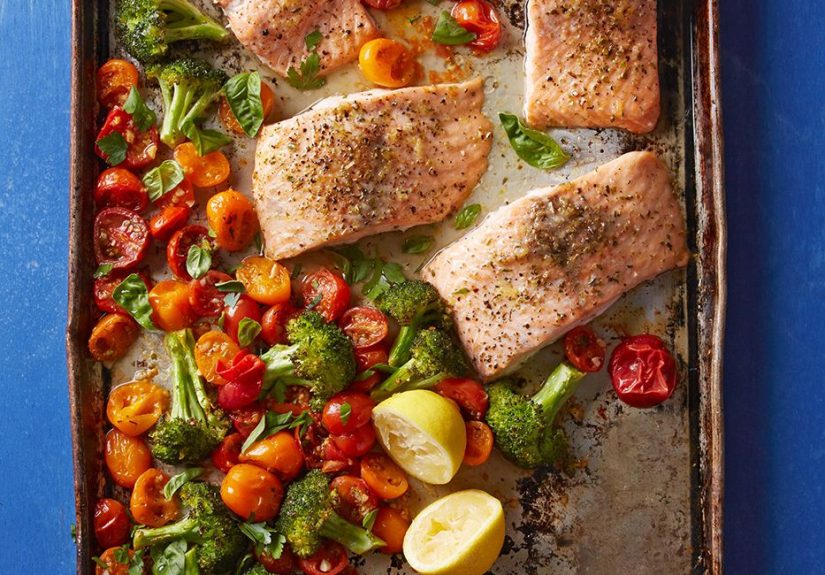
Some dinners feel like a group project. This one is more like a solo science fair where you still somehow win first place. A roasted salmon and broccoli recipe done on one sheet pan gives you a proper, restaurant-y meal with minimal effort: caramelized broccoli, juicy salmon, and a bright lemon-garlic finish that tastes like you remembered to “marinate” (you didn’t; it’s fine).
This guide is built for real life: uneven salmon thickness, broccoli pieces that refuse to cook at the same speed, and the universal human desire to avoid washing extra dishes. You’ll get a foolproof timing method, a doneness cheat sheet, and a few flavor upgrades that make this a repeatable healthy weeknight dinner.
Why This Sheet-Pan Dinner Works
- High heat = real roasting. A hot oven helps broccoli brown instead of steam.
- Broccoli gets a head start. Salmon cooks faster, so we stagger the timing for perfect texture.
- One pan, big payoff. Less cleanup, more “I totally have my life together” energy.
Ingredients
For the Salmon
- 4 salmon fillets (about 5–6 oz each), skin-on or skinless
- 1 tablespoon olive oil
- 1 teaspoon kosher salt (use a bit less if your salt is very fine)
- 1/2 teaspoon black pepper
- 1 teaspoon Dijon mustard (optional, but adds flavor and helps the topping cling)
- 2 cloves garlic, finely minced (or 1 teaspoon garlic powder in a pinch)
- Zest of 1 lemon (optional but excellent)
For the Broccoli
- 1 1/2 pounds broccoli (2 medium heads), cut into florets with some stem pieces
- 2 tablespoons olive oil
- 1/2 teaspoon kosher salt
- 1/4 teaspoon black pepper
Finishers (Pick 1–3)
- 1–2 tablespoons lemon juice, plus lemon wedges for serving
- 2 tablespoons grated Parmesan (optional, for broccoli)
- 1–2 tablespoons chopped parsley or dill
- Pinch of red pepper flakes
- 1 teaspoon honey or maple syrup (for a sweet-savory edge)
Equipment
- Large rimmed sheet pan
- Parchment paper or foil (optional, for easier cleanup)
- Instant-read thermometer (highly recommended for salmon confidence)
- Mixing bowl
Step-by-Step: Roasted Salmon and Broccoli
- Heat the oven (and optionally the pan). Preheat to 425°F. For extra browning, place the sheet pan in the oven while it preheats. (Hot pan + oiled broccoli = caramelized edges.)
- Prep the broccoli. Cut florets into similar sizesthink “bite-sized with ambition,” not “one tiny floret and one broccoli boulder.” Toss broccoli with 2 tablespoons olive oil, 1/2 teaspoon salt, and pepper.
- Roast broccoli first. Carefully remove the hot pan (if preheating it). Spread broccoli in a single layer with breathing room. Roast for 10 minutes.
- Season the salmon. Pat salmon dry (this helps browning). Rub with 1 tablespoon olive oil, salt, pepper, garlic, and lemon zest. If using Dijon, spread a thin layer on top of each fillet.
- Add salmon to the pan. After broccoli has roasted 10 minutes, pull the pan out. Push broccoli to the sides and place salmon in the center (skin-side down if skin-on). If your broccoli looks dry, toss it quicklythose edges are trying to get golden.
- Finish roasting. Roast for 8–12 minutes, depending on salmon thickness and your preferred doneness. (See timing chart and doneness guide below.)
- Rest and finish. Let salmon rest 2–3 minutes. Squeeze lemon over everything, add herbs, Parmesan, and red pepper flakes if you like. Serve immediately.
Timing Chart (Because Guessing Is Stressful)
Salmon cooking time depends on thickness more than weight. Broccoli timing depends on floret size and crowding. Use this as a starting point, then confirm doneness the smart way (thermometer or visual cues).
| Salmon Thickness | Roast Time After Adding Salmon | Broccoli Total Time |
|---|---|---|
| 3/4 inch | 8–10 minutes | 18–22 minutes |
| 1 inch | 10–12 minutes | 20–25 minutes |
| 1 1/4 inch+ | 12–15 minutes | 22–28 minutes |
How to Tell When Salmon Is Done (Without Overthinking It)
1) Temperature Guide
Official food-safety guidance commonly recommends cooking fish to 145°F internal temperature. Many cooks prefer salmon slightly lower for a more tender, moist texture, especially with thicker fillets. If you are pregnant, immunocompromised, older, or serving someone high-risk, stick with 145°F.
- 125–130°F: very moist, tender (medium-ish), center may look slightly translucent
- 130–140°F: flaky but still juicy (medium to medium-well)
- 145°F: fully cooked and flakes easily (firmer, less silky)
2) Visual Cues
- Color: salmon turns from translucent to opaque, starting from the edges.
- Flake test: gently press with a fork; it should separate into flakes without turning dry and chalky.
- Carryover cooking: salmon continues to rise a few degrees after leaving the oven, especially if thick.
Broccoli Roasting Tips (So It Tastes Roasted, Not Steamed)
- Cut for even cooking: similar-size florets cook at the same speed and brown more consistently.
- Don’t crowd the pan: air flow matters. If broccoli is piled, it steams and stays soft.
- Use enough oil: broccoli is thirsty. Oil helps browning and keeps tips from burning.
- Flat sides down: more contact with the hot pan = better caramelization.
- Stems are your friend: peel thick stems, slice them, and roast them too for less waste and great texture.
Flavor Variations (Choose Your Adventure)
Lemon-Garlic Classic (Bright and Foolproof)
Keep the base recipe as written, then finish with lemon juice and chopped parsley or dill. Add Parmesan to broccoli right after roasting so it melts slightly. It’s simple, clean, and never gets old.
Brown Sugar–Dijon Glaze (Sweet-Savory, Weeknight Fancy)
Mix 1 tablespoon brown sugar, 1 tablespoon Dijon, 1 teaspoon soy sauce, and 1 teaspoon olive oil. Brush over salmon when you add it to the pan. The top gets glossy, caramelized, and tastes like you “have a sauce.”
Spicy Mayo Crisp (For “I Want Texture” Nights)
Stir 2 tablespoons mayonnaise with 1/2 teaspoon chili powder (or cayenne), spread a thin layer on top of each fillet, then roast as usual. If you want extra browning, broil for 1–2 minutes at the endwatch closely like it’s a suspense movie.
Miso-Ginger (Restaurant Energy)
Whisk 1 tablespoon white miso, 1 teaspoon grated ginger, 1 teaspoon honey, and 1 teaspoon rice vinegar. Brush over salmon for the last 6–8 minutes of roasting.
Serving Ideas
- Classic: serve with rice, quinoa, or roasted potatoes to catch the lemony pan juices.
- Light: pair with a simple arugula salad and crusty bread.
- Meal-prep bowl: flake salmon over grains, add broccoli, toss with a quick yogurt-lemon sauce.
- “I’m tired” upgrade: add sliced avocado and a sprinkle of everything bagel seasoning.
Make-Ahead and Leftovers
This sheet pan salmon and broccoli is best fresh, but leftovers can still be excellent with a little strategy: store salmon and broccoli separately, and reheat gently.
- Fridge: store in airtight containers for up to 2–3 days.
- Reheat salmon gently: warm in a 300°F oven for 8–10 minutes, or flake it cold into salads and bowls.
- Re-crisp broccoli: a quick hot oven or air fryer blast brings back the edges.
Nutrition Notes (Practical, Not Preachy)
Salmon is known for being rich in protein and omega-3 fats, while broccoli brings fiber and micronutrients. Together, they make a satisfying dinner that doesn’t rely on heavy sauces to feel complete. Portion sizes matter, of coursethis recipe is flexible, and you can easily add more vegetables if you want a bigger plate.
FAQ
Can I use frozen salmon?
Yes, but for best texture, thaw first in the refrigerator overnight. Roasting salmon from frozen often cooks the outside before the center is ready, and you’ll miss out on that nice surface finish.
Why did white stuff ooze out of my salmon?
That white stuff is albumin, a protein that can appear when salmon cooks quickly or gets a little overcooked. It’s harmless, and it doesn’t mean your dinner is ruined. To reduce it, cook a bit more gently, avoid blasting the fish too long, and consider salting the salmon 15–30 minutes ahead (a light dry brine) to help it hold onto moisture.
Can I add other vegetables?
Absolutely. Just match the timing: quick-cooking veggies (asparagus, green beans, thin zucchini) can go in with the salmon, while longer-cooking ones (carrots, potatoes) need a head start like the broccoli.
How do I keep broccoli from burning while salmon finishes?
If your broccoli is already browned when you add the salmon, push it toward the cooler edges of the pan, toss it once, or lightly cover just the broccoli area with a small piece of foil for the final minutes. Think of it as giving broccoli a tiny blanket, not a full spa wrap.
Conclusion
A reliable roasted salmon and broccoli recipe is basically a weeknight superpower. With high heat, smart timing, and a quick lemon-garlic finish, you get crisp-edged broccoli and tender salmon that tastes fresh, not fussy. Once you nail the core method, you can swap flavors endlesslysweet, spicy, herby, or savorywithout learning a new recipe every time.
Real-Life Experiences and Little Wins (500-ish Words of “This Is How It Actually Goes”)
Here’s what tends to happen the first time someone makes roasted salmon and broccoli on a sheet pan: confidence starts high, then drops slightly when you realize your broccoli pieces are all different sizes. One floret is basically a crouton. Another is a small tree. This is normal. The good news is that sheet-pan dinners are forgivingas long as you remember the one golden rule: don’t make the salmon wait on the broccoli.
On busy nights, this recipe feels like a tiny life hack. You’re not juggling burners, you’re not stirring constantly, and you’re not negotiating with three pots that all need attention at the same time. Instead, you’re doing a few smart moves: heat the oven, give broccoli a head start, add salmon at the end. That’s it. The rest is mostly you walking past the oven and thinking, “Wow, I smell like someone who owns matching storage containers.”
There’s also a weirdly satisfying moment when you pull the pan out and see the broccoli edges browned and the salmon turning opaque around the sides. It looks like a real dinnerone you could serve to guests without announcing, “This took ten minutes and I’m winging it.” (And even if you did announce it, you’d still be forgiven, because salmon is inherently impressive. It’s the fancy friend of proteins.)
People often discover their personal “salmon preference” through this recipe. Some love a firmer, fully cooked bite at the official temperature. Others realize they prefer it slightly more tender, where it flakes but still feels buttery. The thermometer becomes less of a “rule enforcer” and more of a calm friend who says, “You’re doing great, just two more degrees.”
Then come the little upgrades that make it yours. Someone adds Dijon and suddenly everything tastes brighter. Someone else throws Parmesan on the broccoli and now the pan smells like an Italian restaurant that also happens to be extremely efficient. Another person tries a sweet-savory glaze and decides they are, in fact, a glaze person now.
Leftovers become their own mini adventure. Cold salmon flaked into a salad with lemon and olive oil feels intentional, not like a compromise. Broccoli reheated in an air fryer gets its crisp edge back and stops tasting like “yesterday’s vegetable.” And if you’re really living on the edge, you make a grain bowl: rice, salmon, broccoli, a little sauce, maybe an avocadosuddenly lunch is doing the most.
The best part? This recipe teaches a repeatable pattern you can use forever: roast the longer-cooking vegetable first, add the protein later, finish with acid (lemon) and a fresh element (herbs). Once you get that rhythm, sheet-pan dinners stop feeling like “recipes” and start feeling like a skill. And that’s the kind of kitchen confidence that shows up on a random Tuesday and makes it taste better.