Table of Contents >> Show >> Hide
- The Susan Connor Aesthetic: Quietly Bold, Never Boring
- From Sketch to Textile: Why the Process Matters
- Why Brooklyn Matters
- What Makes the Pillows Stand Out
- And the Throws? Understated Heroes
- How Designers Use Susan Connor Textiles
- Best Ways to Style Brooklyn Hand-Printed Pillows and Throws by Susan Connor
- Why the Brand Resonates Today
- The Experience of Living With Susan Connor Textiles
- Conclusion
Some home accessories whisper. Others shout. Susan Connor’s Brooklyn hand-printed pillows and throws do something far more impressive: they make a room feel considered without acting like they deserve their own publicist. That is harder than it sounds. In a world crowded with mass-produced decor, trend-chasing patterns, and throw pillows that seem to exist mainly to slide onto the floor five minutes after guests arrive, Susan Connor’s work offers a more grounded kind of beauty.
Her textiles have earned attention for a reason. They blend artistry, restraint, and warmth in a way that feels collected rather than calculated. The result is decor that looks at home in relaxed apartments, polished brownstones, airy California houses, and editorial-ready interiors without ever seeming too precious to touch. That may be the secret sauce: these pieces look like art, but they live like home.
For anyone searching for Brooklyn hand-printed pillows and throws by Susan Connor, the appeal goes beyond trend or brand recognition. It is about texture, pattern, atmosphere, and the subtle confidence of handmade design. Connor’s work lands in that sweet spot where craft meets comfort, where a pillow can make a sofa feel smarter, and where a throw can transform a room from “nice enough” to “whoa, who lives here?”
The Susan Connor Aesthetic: Quietly Bold, Never Boring
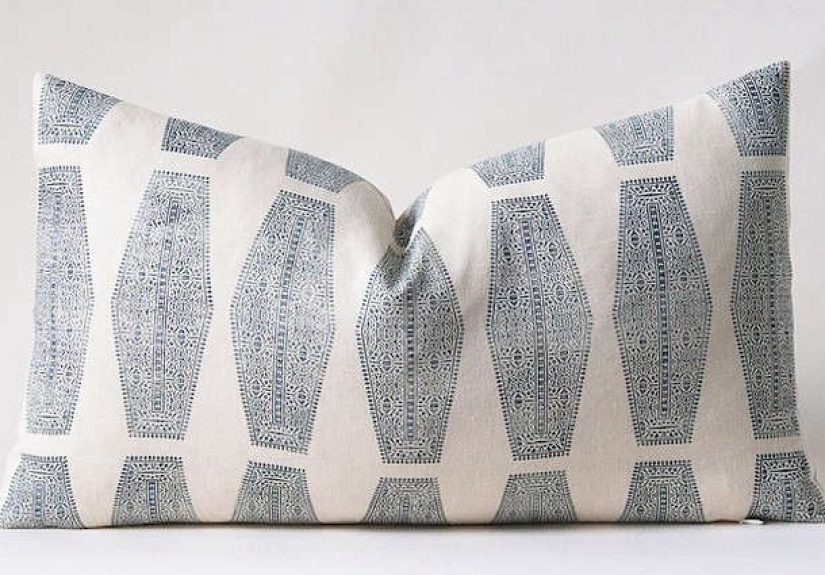
Susan Connor’s designs are often described as calming, intentional, and detailed, and that feels right. Her patterns do not rely on loud color or oversized drama to make an impact. Instead, they build visual interest through layered marks, geometric rhythm, soft asymmetry, and a sense of movement that rewards a second look. From across the room, a Susan Connor pillow might read as elegant texture. Up close, it becomes a world of line, shape, and nuance.
That is part of what makes her Brooklyn-made textiles so versatile. They can sit comfortably in minimalist interiors, bohemian rooms, collected traditional spaces, and modern homes that need a little soul. The work feels handcrafted, but not rustic. It feels refined, but not stiff. It feels artistic, but not “don’t sit there.” That balance is rare.
And let’s be honest: decorative pillows often fall into two unfortunate camps. They are either aggressively bland or wildly overcommitted. Connor’s textiles live in the much nicer neighborhood in between. They have presence, but they do not hijack the room.
From Sketch to Textile: Why the Process Matters
One of the most compelling things about Susan Connor’s pillows and throws is how deeply the creative process shapes the finished product. Her designs begin with hand-drawn sketches, then evolve through carving, stamping, layering, and refinement. This hands-on approach shows in the final work. You can feel the human decision-making in the patterns, the slight irregularity that brings life, and the care that separates artful home textiles from generic surface design.
Connor has long drawn inspiration from decorative traditions, ancient motifs, abstraction, and the emotional power of shapes. A triangle can feel energetic. A horizontal form can feel relaxed. A repeated mark can create movement where a flat motif would feel dead on arrival. That kind of thinking explains why her patterns have depth. They are not just decorative; they are composed.
Her hand-printing approach also helps explain why these Brooklyn pillows and throws resonate with design lovers. Hand-printed textiles carry a different energy than machine-generated pattern. The detail feels softer, the repetition feels more alive, and the overall effect feels personal. Even when a room is full of beautiful things, handmade textiles can be the element that gives it an emotional center.
Why Brooklyn Matters
Brooklyn is not just a geographic footnote in Susan Connor’s story. It is part of the brand identity and part of the atmosphere surrounding the work. Her early collections emerged from a studio in Bushwick, a neighborhood known for its creative density, independent spirit, and working-artists energy. That context matters because it frames the textiles as pieces shaped by studio practice rather than factory logic.
There is a reason people gravitate toward the phrase “Brooklyn hand-printed pillows and throws.” It suggests intimacy, individuality, and an object made with point of view. In Connor’s case, that impression matches the product. Her brand has grown over the years, but the studio-centered sensibility still comes through. The work does not feel anonymous. It feels authored.
That Brooklyn connection also makes the line especially appealing to shoppers who want home decor with a story. Not a fake marketing fairy tale about artisanal authenticity, but an actual creative practice with roots in drawing, printmaking, material sourcing, and design evolution. In other words, the good stuff.
What Makes the Pillows Stand Out
1. Pattern with restraint
Connor’s pillow designs are richly detailed without becoming visually noisy. That is ideal for people who want pattern in their home but do not want their living room to look like a fabric showroom had a minor meltdown.
2. Flexible styling power
These pillows work beautifully layered with solids, vintage textiles, bouclé, linen upholstery, and even stronger prints. Because the palette tends to feel grounded and the motifs are sophisticated, they can act as either a focal point or a supporting player.
3. Made-to-order appeal
Made-to-order home decor offers something mass retail cannot: intention. There is a difference between buying a random accent pillow because it is there and choosing one that is made specifically for your room, your palette, and your priorities. Susan Connor’s pillow offerings lean into that more thoughtful experience.
4. Craft details people actually notice
Invisible zippers, matched panels, tailored edges, and thoughtful insert options may not sound glamorous, but they are exactly the sort of details that separate a pillow that looks expensive from one that merely costs money.
And the Throws? Understated Heroes
Throws are often the unsung heroes of interior design. A good one softens architecture, adds movement, introduces texture, and makes a room feel lived in. A bad one looks like it came free with a loyalty-card sign-up. Susan Connor’s throws belong very firmly in the first category.
Her throws have historically balanced utility and beauty in a way that gives them range. They can work as bedcovers, folded accents at the end of a sofa, picnic blankets, or layered textiles in guest rooms and reading corners. This kind of versatility matters because great decor should not feel trapped in a single role.
The visual language of the throws echoes the pillows: nuanced pattern, tactile material, and a feeling that the piece was designed to age gracefully. They bring warmth without heaviness and personality without clutter. That is a neat trick.
How Designers Use Susan Connor Textiles
One of the strongest indicators of a textile line’s staying power is how often designers continue reaching for it in real projects. Susan Connor textiles have shown up in stylish homes across a range of design publications, from layered historic interiors to lighter, more contemporary spaces. That wide usage says something important: the patterns are distinctive, but adaptable.
In some rooms, Susan Connor pillows are used to warm up tailored seating and crisp architecture. In others, her fabric appears in Roman shades, custom cushions, or reupholstered accents that need a little more soul. The lesson is useful for everyday homeowners too. You do not need to redesign your whole house around a single textile. Sometimes one well-chosen pillow or throw is enough to shift the whole mood.
This is especially true in neutral rooms. If you have a beige sofa, oak coffee table, white walls, and a nagging feeling that your space is somehow both nice and sleepy, patterned textiles can wake things up. Susan Connor’s work is particularly effective here because it introduces life without sacrificing calm.
Best Ways to Style Brooklyn Hand-Printed Pillows and Throws by Susan Connor
Layer tones, not chaos
Start with a base palette that already exists in your room, then add a Susan Connor pillow or throw that deepens it. Think earthy neutrals, muted blues, charcoal, soft clay, or weathered green. Let the textile add complexity rather than compete for attention.
Mix scale thoughtfully
If Connor’s pattern is intricate, pair it with broader textures like velvet, washed linen, boucle, or chunky knit. The contrast helps every piece breathe.
Use asymmetry on purpose
A sofa does not need two identical pillows flanking it like overachieving hall monitors. A more relaxed arrangement often feels better: one larger patterned pillow, one smaller accent, and a throw draped casually but not suspiciously.
Bring them into bedrooms
Susan Connor pillows work beautifully on beds because they add polish without making the space feel formal. A lumbar pillow in a hand-printed pattern can do more for a bed than six identical euro shams ever will. Yes, I said it.
Why the Brand Resonates Today
Home design has moved steadily toward pieces that feel personal, tactile, and enduring. People want fewer disposable accents and more objects with longevity. Susan Connor’s Brooklyn hand-printed pillows and throws fit that shift beautifully. They offer visual originality without gimmicks and craftsmanship without theatrical self-importance.
There is also a broader appeal in the way the brand balances artistry and accessibility. Even when the patterns are intricate, the mood remains welcoming. The textiles invite use. They do not behave like museum pieces. That matters in homes where style and real life are expected to coexist peacefully, even if the dog occasionally ignores that agreement.
Connor’s work also speaks to a growing preference for decor that feels ethical and intentional. Made-to-order production, healthier materials, and a studio-led design ethos all align with how many shoppers now think about value. It is not just about what a pillow looks like in a product photo. It is about how it was conceived, made, and lived with.
The Experience of Living With Susan Connor Textiles
Imagine walking into a Brooklyn apartment on a gray Saturday morning, coffee in hand, socks performing their usual low-friction tango across old wood floors. The room is simple: a linen sofa, a worn-in chair, a stack of books pretending to be a side table, and the kind of light that makes even your houseplants look emotionally available. Then you notice the pillows. Not flashy. Not begging for approval. Just quietly excellent.
A Susan Connor pillow does not hit you like neon. It unfolds. First you see the shape of the pattern. Then the texture. Then the way the color sits against the fabric with that soft, hand-worked depth that machine-perfect prints rarely capture. By the time you sit down, the room makes more sense than it did thirty seconds ago. It feels settled. Layered. Like someone with very good taste lives there, but also like they occasionally eat takeout on the couch and watch reruns in sweatpants. In other words: ideal.
The throws have a similar magic. Draped over the arm of a sofa, folded at the foot of a bed, or packed for a picnic that may or may not become mostly about snacks, they make everyday rituals feel a little more intentional. You grab one on a chilly evening and suddenly the room has a center. You throw one over a guest bed and it looks finished, but not fussy. You spread one across the grass and somehow your crackers and olives look like a lifestyle decision instead of random groceries.
That is the real experience these textiles create. They do not just decorate a room; they tune it. They soften hard edges, add rhythm to quiet corners, and help ordinary spaces feel more personal. A neutral sofa becomes memorable. A reading nook becomes somewhere you actually want to read instead of merely photographing once. Even the chair in the bedroom that currently exists as a laundry ambassador can be redeemed with the strategic addition of a patterned pillow and a beautiful throw. Miracles happen.
There is also something satisfying about knowing the work comes from a design process rooted in drawing, printmaking, and material care. You feel that story even if no one says a word about it. The pieces do not scream “handmade.” They simply carry the calm confidence of something thoughtfully made. They feel collected rather than grabbed in a panic during an online sale at 11:43 p.m.
And maybe that is why Susan Connor’s Brooklyn hand-printed pillows and throws linger in memory. They make a home feel not more decorated, but more inhabited. More thoughtful. More specific. More like a place where beauty is part of daily life instead of reserved for special occasions. In the end, that may be the best compliment any textile can earn: it does not just look good in the room. It helps the room feel like yours.
Conclusion
Brooklyn hand-printed pillows and throws by Susan Connor stand out because they combine artistry, comfort, and restraint in equal measure. They are not trend bait. They are not generic filler. They are thoughtful home textiles shaped by a real studio practice and a refined eye for pattern, texture, and mood. Whether you are styling a quiet bedroom, refreshing a living room, or looking for that one piece that pulls everything together, Susan Connor’s work offers a compelling alternative to mass-market decor.
In a home, details matter. The right pillow can soften a hard line. The right throw can make a room feel warmer, calmer, and more complete. Susan Connor’s pieces do exactly that, with the added depth of hand-printed character and Brooklyn design credibility. Not bad for something people still insist on calling “just a pillow.”