Table of Contents >> Show >> Hide
- What Are Krentenbollen?
- Ingredients
- Equipment You’ll Want
- Step-by-Step: How to Make Krentenbollen
- 1) Plump the currants (this is not optional if you want soft rolls)
- 2) Wake up the yeast
- 3) Mix the dough
- 4) Add the fruit (without turning your dough into fruit confetti)
- 5) First rise
- 6) Divide and shape
- 7) Second rise
- 8) Egg wash and bake
- 9) Brush with butter (optional, but your future self will thank you)
- Serving Ideas: The Dutch Way (and the “I’m Hungry Right Now” Way)
- Make It Your Own (Without Starting an International Incident)
- Troubleshooting: Common Krentenbollen Problems (and Fixes)
- Storage and Freezing
- Nutrition Notes (Because Someone Will Ask)
- Real-Life Krentenbollen Experiences (The 500-Word Part Where We Get Honest)
- Conclusion
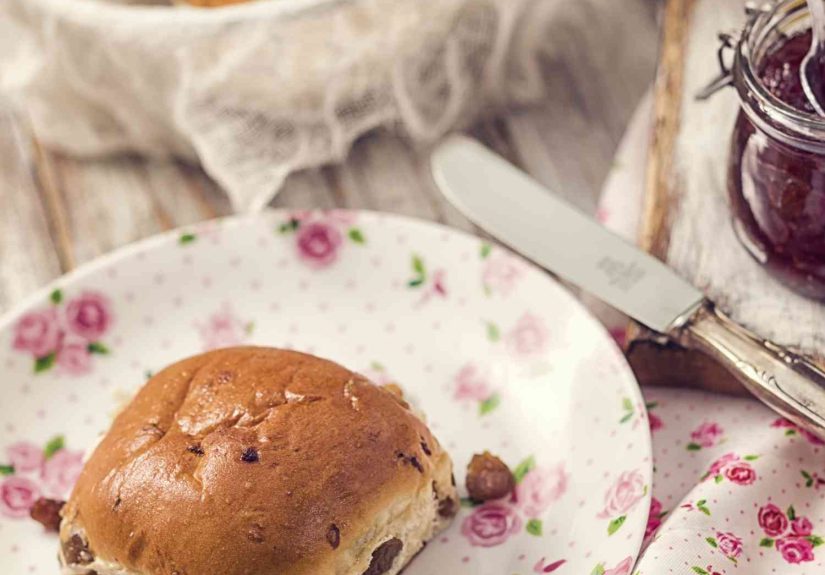
If you’ve never met a krentenbol, allow me to make a proper introduction. Krentenbollen are soft Dutch currant rollspillowy, lightly sweet, and packed with little bursts of dried fruit. They’re the kind of bread-roll hybrid that makes you wonder why your regular dinner rolls don’t try harder. In the Netherlands, they’re a classic grab-and-go breakfast or snack, often split and slathered with butter (the correct amount is “yes”).
This recipe is designed for American home kitchens: simple ingredients, clear steps, and a few baker-approved tricks to keep your rolls tender, fruit-filled, and beautifully golden. You’ll get a traditional resultsoft crumb, gentle sweetness, and currants in every bitewithout needing a passport or a degree in Dough Whispering.
What Are Krentenbollen?
Krentenbollen are enriched yeast rolls studded with currants (and often raisins, too). Think of them as the Dutch cousin of a fruit bun: less dessert, more everyday comfort. The dough typically includes milk, butter, sugar, and eggingredients that boost tenderness and flavor while keeping the rolls soft enough to tear apart with one hand and butter with the other.
Ingredients
This list makes about 12 medium rolls (or 10 larger ones if you like your snacks with ambition).
For the fruit
- 1 1/2 cups dried currants (about 225g)
- 1/2 cup raisins (optional, but very traditional in many kitchens)
- Hot water (for soaking)
For the dough
- 3/4 cup whole milk, warmed (about 105–110°F)
- 2 1/4 tsp active dry yeast (1 packet) or 2 tsp instant yeast
- 1/4 cup granulated sugar
- 1 large egg
- 4 tbsp unsalted butter, softened
- 3 1/4 cups bread flour (plus a bit more as needed)
- 1 tsp fine salt
- 1 tsp lemon zest (optional but very “Dutch bakery”)
- 1/2 tsp cinnamon (optional; subtle is best here)
For finishing
- 1 egg beaten with 1 tbsp milk (egg wash)
- 1 tbsp melted butter (for brushing after baking, optional but wonderful)
Equipment You’ll Want
- Stand mixer with dough hook (or strong arms and a sense of purpose)
- Large mixing bowl
- Baking sheet
- Parchment paper
- Kitchen scale (recommended for consistent dough)
- Instant-read thermometer (helpful, not required)
Step-by-Step: How to Make Krentenbollen
1) Plump the currants (this is not optional if you want soft rolls)
Put the currants (and raisins, if using) in a bowl. Cover with hot water and let soak for 10 minutes. Drain well, then pat dry with a clean towel.
Drying matters: wet fruit can make the dough gummy and create little soggy pockets. Plump fruit = juicy bites; dried surface = better dough structure.
2) Wake up the yeast
If using active dry yeast: stir the warm milk and a teaspoon of the sugar in a small bowl, sprinkle yeast on top, and wait 5–10 minutes. It should foam.
If it doesn’t, your yeast may be expiredor your milk was too hot and you accidentally made yeast soup.
If using instant yeast, you can mix it directly with the flour and skip blooming. (Instant yeast is the “I’m already dressed” friend.)
3) Mix the dough
In a large bowl (or mixer bowl), combine flour, sugar, salt, and optional zest/cinnamon. Add the milk/yeast mixture (or warm milk if using instant yeast), egg, and softened butter.
Mix until a shaggy dough forms, then knead until smooth and elasticabout 8–10 minutes by mixer, or 10–12 minutes by hand.
The dough should be soft and slightly tacky, not sticky like a toddler’s lollipop. If it’s very sticky, add flour 1 tablespoon at a time.
If it feels dry, add milk 1 teaspoon at a time.
4) Add the fruit (without turning your dough into fruit confetti)
Knead the drained, dried fruit into the dough. This is easiest by hand: flatten the dough, sprinkle in fruit, fold, and knead gently until evenly distributed.
If fruit keeps popping out, pause, let the dough rest 5 minutes, then continuegluten relaxes, and dough becomes less dramatic.
5) First rise
Place dough in a lightly greased bowl, cover, and let rise until puffy and roughly doubled, about 60–90 minutes depending on room temperature.
Enriched doughs rise slower than lean doughs, so don’t rush itthis is not a microwave burrito situation.
6) Divide and shape
Turn dough onto a lightly floured surface. Divide into 12 equal pieces (about 75–85g each). Shape each into a tight ball:
pull edges to the center, pinch, then roll seam-side down to create surface tension.
Place rolls on a parchment-lined baking sheet with a little space between them. For softer sides, set them closer together. For more “individual bun” edges, leave more space.
7) Second rise
Cover and rise 30–45 minutes, until the rolls look airy and gently spring back when pressed.
If your fingertip leaves a dent that slowly rises back halfway, you’re in the sweet spot.
8) Egg wash and bake
Heat oven to 400°F. Brush rolls lightly with egg wash (thin, even coatno egg puddles).
Bake 12–16 minutes until deep golden brown.
If you like precision: aim for an internal temperature around 190–200°F for soft enriched rolls.
9) Brush with butter (optional, but your future self will thank you)
As soon as they come out, brush with melted butter for shine and extra softness. Cool at least 10 minutes before slicing, unless you enjoy molten currants and regret.
Serving Ideas: The Dutch Way (and the “I’m Hungry Right Now” Way)
- Classic: Split warm and spread with butter.
- Breakfast upgrade: Butter + strawberry jam (or apricot) for a sweet-tart contrast.
- Coffee-time: Serve with a cappuccino or strong black coffee; krentenbollen are basically caffeine’s best friend.
- Cozy dessert vibe: Toast lightly, then add salted butter and a drizzle of honey.
- Kid-friendly: Butter + a little cinnamon sugar (keep it light; the roll should still taste like bread, not a carnival).
Make It Your Own (Without Starting an International Incident)
Swap the fruit
Traditional krentenbollen center on currants, but many home bakers mix in raisins or sultanas. You can also add chopped dried apple for a gentle autumn note.
Keep total dried fruit around 1 1/2 to 2 cups so the dough still holds together.
Add citrus like a Dutch bakery
Lemon zest is common and brightens the rolls without turning them into lemon bread. Orange zest also worksjust don’t turn it into a perfume counter.
Make them extra soft
If you want ultra-tender rolls, keep them closer together on the pan and brush with butter after baking.
Also: don’t overbake. One extra minute can be the difference between “cloud-soft” and “toast-shaped regret.”
Troubleshooting: Common Krentenbollen Problems (and Fixes)
My rolls are dense
- Yeast may be weak or expired. Bloom active dry yeast to confirm it’s alive.
- Dough may not have risen enough. Watch the dough, not the clock.
- Kneading may be short. You want a smooth, elastic dough before adding fruit.
The fruit sinks or clumps
- Fold and knead fruit in gently after gluten develops.
- Make sure fruit is drained and patted dry before adding.
- Divide dough carefully so fruit distribution stays even.
They browned too fast
- Ovens run hot. Next time, bake at 375°F and add 2–4 minutes.
- Egg wash can deepen color quicklyuse a thin coat.
They dried out the next day
- Store airtight once fully cool.
- Rewarm briefly: 10–15 seconds in the microwave or a quick toast.
- Brush with butter after baking for better moisture retention.
Storage and Freezing
Room temperature
Keep in an airtight container for up to 2 days. They’re best day one, great day two, and still very snackable on day three if warmed.
Freezer
Freeze fully cooled rolls in a freezer bag up to 2 months. Thaw at room temp, then warm gently.
For a just-baked feel: wrap in foil and warm at 300°F for about 8–10 minutes.
Nutrition Notes (Because Someone Will Ask)
Krentenbollen are enriched bread, not cake. They contain sugar and butter, but they’re typically less sweet than pastries.
Currants add natural sweetness and small amounts of fiber. If you want to reduce sugar slightly, you can cut it to 3 tablespoons with minimal impact on texture.
Real-Life Krentenbollen Experiences (The 500-Word Part Where We Get Honest)
The first time you make krentenbollen, you’ll probably think, “These are basically sweet rollshow hard can it be?”
And honestly, it’s not hard. But it is the kind of baking that rewards you for paying attention to small things. It’s like assembling IKEA furniture: you can wing it, but you’ll end up with one mysterious screw left over and a faint feeling of betrayal.
One of the most memorable moments in currant-roll life is the smell during bakingwarm milk bread with a soft citrus note and little caramel-y hints from the fruit.
It’s the aroma equivalent of wearing a cozy sweater and having your life together. Even if your life is absolutely not together, the kitchen lies on your behalf.
The fruit step is where most people develop opinions. Some bakers love soaking currants because it prevents that “tiny rock” texture you sometimes get in dried fruit breads.
Others skip it, then wonder why their beautiful rolls contain surprise gravel. I’m firmly on Team Soak-and-Dry: plump fruit gives you that tender bite, but drying the surface keeps the dough from turning sticky. It’s a win-win, like finding an extra fry at the bottom of the bag.
Shaping is also sneakily satisfying. When you roll each piece into a tight ball and feel the dough smooth out under your palms, you get that little baker’s high:
“Look at me. I am the person who makes bread now.” Then you add the egg wash and they turn glossy, and suddenly your baking sheet looks like it belongs in a café case.
This is dangerous confidence. It may lead to you saying things like, “We should host brunch,” which is how many good people get trapped into washing 18 cups and a waffle maker.
Serving krentenbollen is where the real personality shows up. Purists go butter only (and they’re not wrong). Jam people are also correct. Toasting fans are living in 3025.
The most “Dutch comfort” version is a warm roll with butter that melts into the crumb and a mug of coffee strong enough to make you answer emails you’ve been avoiding since 2022.
The best part, though, is how these rolls fit into real life. They’re not fussy. They’re not trying to be the main character.
They’re the dependable friend who shows up on time, brings snacks, and doesn’t ask you to plate anything with microgreens. Make a batch, freeze a few, and you’ve got a bakery-style treat on demandwhether it’s for breakfast, a lunchbox, or that 9:47 p.m. moment when your brain whispers, “Bread. Now.”
Conclusion
Krentenbollen are a simple joy: soft enriched rolls, generous currants, and just enough sweetness to feel special without becoming dessert-in-disguise.
If you soak and dry the fruit, knead until smooth, and let the dough rise until genuinely puffy, you’ll get Dutch currant rolls that are tender, flavorful, and unbelievably good with butter.
Bake them once, and you’ll understand why they’ve stayed a staple for generationsbecause some traditions are delicious for a reason.