Table of Contents >> Show >> Hide
- Is It Safe to Eat Raw Zucchini?
- What Does Raw Zucchini Taste Like?
- Raw Zucchini Nutrition: Is It Good for You?
- Can Raw Zucchini Upset Your Stomach?
- The One Time You Should Not Eat Raw Zucchini
- How to Prepare Raw Zucchini the Right Way
- Best Ways to Eat Zucchini Raw
- Raw Zucchini vs. Cooked Zucchini
- Who Should Be a Little More Careful?
- Common Experiences With Raw Zucchini: What It’s Actually Like to Eat
- Final Verdict: Can You Eat Zucchini Raw?
- SEO Tags
Zucchini is one of those overachiever vegetables that somehow ends up everywhere: in pasta swaps, on grill grates, in muffins, and occasionally in a neighbor’s “Please take some, I planted too much” basket. But one question still pops up every summer: Can you eat zucchini raw?
The answer is yes. Raw zucchini is generally safe to eat, pleasantly mild, and a lot more versatile than people give it credit for. It has a crisp-but-tender bite, a subtle flavor that plays nicely with dips and dressings, and enough nutritional value to earn a regular spot on your plate. That said, there are a few things worth knowing before you start crunching through it like a cucumber cousin at a picnic.
In this guide, we’ll break down whether raw zucchini is safe, how it tastes, who may want to be cautious, how to prepare it, and what to do if your zucchini tastes alarmingly bitter. Because “fresh and healthy” is great, but “mystery bitterness” is where dinner starts to feel like a bad plot twist.
Is It Safe to Eat Raw Zucchini?
For most people, raw zucchini is perfectly fine to eat. In fact, zucchini is a type of summer squash, and summer squash is commonly enjoyed raw in salads, slaws, ribbons, and snack boards. If you have ever eaten spiralized “zoodles” tossed with lemon and olive oil or dipped zucchini sticks into hummus, congratulations: you have already joined the raw zucchini club.
Raw zucchini is especially appealing because it is tender enough to eat without cooking. Unlike some harder vegetables that seem to challenge your molars to a duel, zucchini is soft, juicy, and easy to slice thin. The skin is edible, the seeds are edible, and small to medium zucchini usually offer the best texture and flavor.
Still, “safe” does not mean “eat without thinking.” As with any raw produce, cleanliness matters. Wash zucchini well under running water, dry it, and cut away any damaged spots. If it has been sitting in the back of the fridge long enough to develop a personal backstory, it is probably time to move on.
What Does Raw Zucchini Taste Like?
Raw zucchini has a mild, slightly sweet, slightly grassy flavor. The taste is subtle, which is chef-speak for “it won’t fight with your dressing.” Its texture depends on the size and age of the squash. Younger zucchini tends to be tender and delicate, while oversized zucchini can be watery in some places and seedy in others.
If you are expecting the snap of a cucumber, raw zucchini is a little softer. If you are expecting the starchiness of cooked squash, it is much fresher and more refreshing. Think of it as a low-drama ingredient: it shows up, behaves well, and lets stronger flavors like lemon, garlic, basil, feta, yogurt, tahini, and Parmesan do the talking.
Best Raw Zucchini Texture Tips
To get the best bite from raw zucchini, choose pieces that are:
- Small to medium in size
- Firm, glossy, and free of soft spots
- Heavy for their size
- Not bruised or shriveled
Huge zucchini are not unsafe, but they are often less enjoyable raw. Their seeds may be larger, their centers may be spongier, and their texture may feel more “garden giant” than “fresh salad hero.”
Raw Zucchini Nutrition: Is It Good for You?
Yes, raw zucchini is a nutritious choice. It is low in calories, high in water, and provides a mix of fiber, vitamin C, potassium, and protective plant compounds. Because it is so water-rich, it is refreshing and light, which makes it especially useful in summer meals when nobody wants a lunch that feels like a nap trap.
Raw zucchini also keeps some nutrients that can decrease with cooking, especially vitamin C. That does not make cooked zucchini “bad,” of course. It just means raw zucchini brings its own nutritional perks to the table.
Potential Benefits of Eating Raw Zucchini
- Hydration support: Zucchini contains a lot of water, which helps make meals feel fresh and satisfying.
- Digestive support: It offers fiber, which can support regular digestion when eaten as part of a balanced diet.
- Eye and skin support: Zucchini contains antioxidants such as lutein and zeaxanthin, especially in the skin.
- Weight-friendly choice: It is low in calories, so it adds bulk and crunch without making a meal heavy.
- Heart-smart nutrition: Potassium, fiber, and antioxidants all help make zucchini a solid part of an overall healthy eating pattern.
That said, zucchini is not a magic wand disguised as produce. It is a healthy ingredient, not a one-food wellness plan. You still need the rest of your vegetables, your protein, your sleep, and unfortunately, your responsibilities.
Can Raw Zucchini Upset Your Stomach?
For many people, raw zucchini is easy to tolerate. It is milder than some other raw vegetables and is often gentler than heavily cruciferous options. But individual digestion varies. If you tend to feel bloated after raw vegetables, large portions of raw zucchini may still leave you a bit uncomfortable.
This does not necessarily mean zucchini is the villain. Raw vegetables in general contain fiber and structure that some digestive systems find harder to process than cooked foods. If you are sensitive, start with a smaller amount. Thin slices, ribbons, or shredded zucchini are often easier to handle than thick raw chunks.
People with digestive conditions or who are following a specific eating plan may also prefer cooked zucchini because heat softens the texture. It is less about “good versus bad” and more about how your body reacts. Your stomach gets a vote.
The One Time You Should Not Eat Raw Zucchini
Here is the big warning: do not eat zucchini that tastes very bitter.
An unusually bitter zucchini may contain high levels of naturally occurring compounds called cucurbitacins. These compounds are responsible for the bitter taste in some members of the squash family. In cultivated zucchini, levels are normally very low. But in rare cases, stress, cross-pollination with wild gourds, or other growing issues can lead to fruit that tastes intensely bitter.
This is not the time to be brave. If you taste a piece of zucchini and it is shockingly bitter, spit it out and throw the rest away. Do not cook it and hope for the best. Heat does not reliably fix the problem. Very bitter zucchini has been associated with nausea, stomach cramps, vomiting, and diarrhea.
Signs Raw Zucchini Should Be Tossed
- It tastes sharply or unusually bitter
- It smells off or looks slimy
- It has deep soft spots, mold, or rot
- It has been stored too long and seems dried out or damaged
If you ever eat bitter zucchini and then develop significant stomach symptoms, get medical advice promptly. Most zucchini is completely fine, but the “bitter squash” issue is real enough that it deserves a bold, flashing mental sticky note.
How to Prepare Raw Zucchini the Right Way
If you want raw zucchini to taste good, the prep matters. This is not a complicated ingredient, but it does benefit from a little attention.
Step 1: Wash It Well
Rinse zucchini thoroughly under running water. You do not need soap, detergent, or fancy produce wash. A clean vegetable brush can help if the surface is dirty, especially for garden zucchini.
Step 2: Keep the Skin On
The skin is edible and nutritious, and it also gives raw zucchini more structure. Peeling is optional, not required. Unless the skin is unusually thick, most people can leave it on without issue.
Step 3: Cut for the Dish
The shape changes the experience more than you might think:
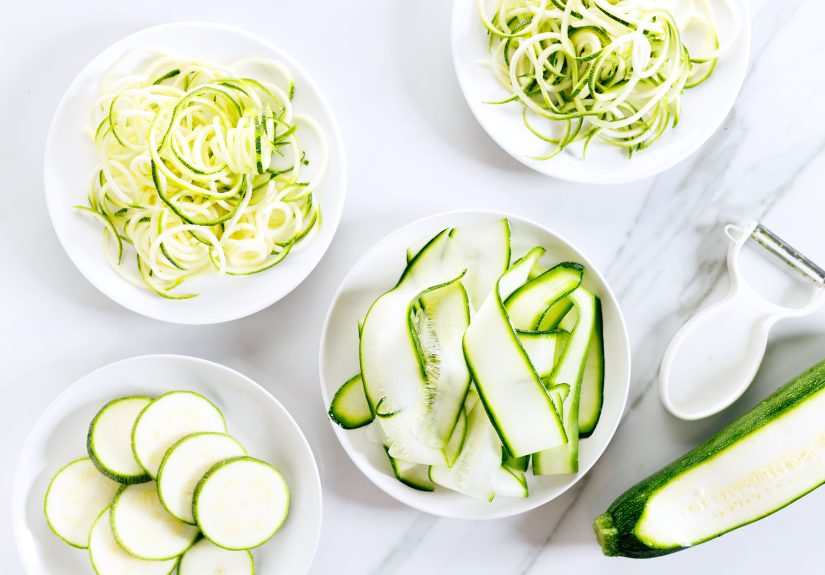
- Rounds: Great for dipping
- Sticks: Perfect on snack boards
- Ribbons: Excellent in salads with lemon or vinaigrette
- Shreds: Ideal for slaws, yogurt salads, or sandwich toppings
- Spiralized: Best for raw “zoodle” bowls
Step 4: Add Flavor
Raw zucchini is mild, which means it loves bold partners. Try pairing it with:
- Lemon juice and olive oil
- Fresh herbs like basil, dill, mint, or parsley
- Parmesan, feta, or goat cheese
- Yogurt-based dressings
- Tahini or hummus
- Garlic, pepper, and toasted nuts
A little salt also helps bring out flavor. Just do not salt it too early unless you want it to release moisture and turn your crisp salad into a small pond.
Best Ways to Eat Zucchini Raw
If the phrase “raw zucchini” sounds a little plain, the trick is to stop treating it like a side thought and start treating it like a real ingredient. Here are some smart ways to use it:
1. Raw Zucchini Salad
Slice it paper-thin and toss with lemon juice, olive oil, shaved Parmesan, cracked pepper, and mint. Suddenly, zucchini is dressed like it has weekend plans.
2. Zucchini Slaw
Shred zucchini and combine it with carrots, cabbage, and a tangy dressing. This works well for cookouts, wraps, and grain bowls.
3. Zucchini Ribbons
Use a peeler to make long strips. Toss with pesto, toasted pine nuts, or cherry tomatoes for an easy no-cook dish.
4. Zucchini Sticks and Dip
Cut raw zucchini into batons and serve with hummus, ranch, tzatziki, or bean dip. It is an easy swap if you want variety beyond carrots and celery.
5. Spiralized Raw Zoodles
Top raw zucchini noodles with a bright sauce, chopped herbs, and protein. This works best when the noodles are fresh and not over-dressed.
6. Sandwich and Wrap Add-In
Thin slices of raw zucchini add crunch without overpowering other ingredients. It is subtle, but in a good way.
Raw Zucchini vs. Cooked Zucchini
This is not a battle. There does not need to be a winner. Raw zucchini and cooked zucchini each do different jobs.
Raw zucchini is crisper, fresher, and a little brighter in flavor. It is useful in salads, slaws, and snack plates. It may preserve more vitamin C and offers a refreshing texture.
Cooked zucchini is softer, sweeter, and more comforting. It works well in sautés, soups, baked dishes, stir-fries, and breads. Cooking may change some nutrients, but it can also make zucchini easier for some people to digest.
The better question is not “Which one is healthier?” but “What works for this meal, and what do I actually want to eat?” Nutrition is important, but so is enjoying your food enough to keep buying vegetables on purpose.
Who Should Be a Little More Careful?
Most healthy adults can enjoy raw zucchini without a problem. But a little caution makes sense if:
- You have a sensitive digestive system and raw vegetables often bother you
- You are serving it to someone who struggles with chewing tougher raw foods
- The zucchini tastes noticeably bitter
- The squash looks damaged, spoiled, or poorly stored
If you are unsure how your body handles raw zucchini, start small. A few slices in a salad is a gentler test run than eating a mountain of raw zoodles like you are trying to impress the produce aisle.
Common Experiences With Raw Zucchini: What It’s Actually Like to Eat
When people try raw zucchini for the first time, the most common reaction is surprise. Not dramatic, movie-trailer surprise. More like, “Oh, that’s actually pretty good.” A lot of people assume zucchini only belongs in cooked dishes because that is how they usually encounter it: sautéed, grilled, roasted, baked into bread, or hidden in a casserole with suspicious levels of cheese. Raw zucchini changes that impression quickly because it is much fresher and lighter than expected.
One typical experience is discovering that raw zucchini is less assertive than cucumber. It does not come in with a cool, watery snap. Instead, it has a more delicate bite and a softer flavor. That makes it easier to pair with stronger ingredients. People often find they like it best when it is thinly sliced or shaved into ribbons rather than cut into thick chunks. In other words, raw zucchini usually wins more fans when it is treated with a little finesse instead of hacked into giant coin-shaped discs and dropped on a plate like a challenge.
Another common experience is using raw zucchini as a “stealth vegetable.” Parents add shreds to slaws, wraps, pasta salads, and sandwich fillings because the flavor is mild enough that it does not trigger instant rejection. Adults do the same thing to themselves, just with better vocabulary. People who say they are “not zucchini people” often tolerate it just fine in a lemony salad with herbs, nuts, and cheese because the vegetable acts more like a crunchy base than the star of the show.
Gardeners also talk about raw zucchini differently than store shoppers do. If you grow it, you know the small ones are often the sweet spot. They are tender, less seedy, and much more pleasant to eat raw. Huge backyard zucchini, the kind that appear overnight like a prank from nature, are usually better for baking or cooking. That real-life trial-and-error experience is why so many experienced home cooks recommend choosing small to medium zucchini for raw recipes.
Texture is where opinions split the most. Some people love the clean, juicy bite. Others think raw zucchini can feel a little plain unless it is dressed well. That is why marinating or seasoning makes such a difference. A quick toss with olive oil, lemon, salt, and pepper can take it from “healthy but forgettable” to “actually worth making again.” The vegetable itself is subtle, so the experience depends heavily on what you pair it with.
Digestion is another part of the real-world story. Many people handle raw zucchini easily, especially in moderate portions. But some notice that large servings of raw vegetables, including zucchini, can feel a little bloating or overly fibrous. In practice, people who do best with raw zucchini often start small, slice it thin, and combine it with other ingredients rather than eating a giant bowl of raw zoodles all at once. It is a good example of how “healthy” and “comfortable” are not always exactly the same thing for every body.
Then there is the bitter zucchini experience, which people remember for all the wrong reasons. Most zucchini tastes mild, so an intensely bitter bite is usually obvious right away. People who have encountered it often describe it as shocking, harsh, and impossible to ignore. That strong taste is useful because it acts like a warning sign. In everyday life, the experience teaches a simple lesson fast: mild zucchini is normal, bitter zucchini goes in the trash.
Overall, the real experience of eating raw zucchini is usually pleasantly uneventful, which is exactly what you want from a vegetable. It is easy, flexible, refreshing, and surprisingly handy when you want more produce without adding a lot of heaviness. No fireworks, no fuss, just one more solid ingredient that deserves better than being reduced to zucchini bread season.
Final Verdict: Can You Eat Zucchini Raw?
Yes, you can eat zucchini raw, and for most people, it is a healthy, safe, and refreshing option. Raw zucchini is low in calories, hydrating, mild in flavor, and easy to use in salads, slaws, ribbons, dips, and no-cook meals. It also gives you fiber, vitamin C, potassium, and beneficial antioxidants in a light, versatile package.
The biggest caution is bitterness. If zucchini tastes unusually bitter, do not eat it. Otherwise, choose firm small-to-medium squash, wash it well, slice it the way your recipe needs, and pair it with ingredients that bring out its best side.
So the next time you are staring at a pile of zucchini and wondering whether you really need to cook every last one, relax. Raw zucchini is not weird. It is practical, nutritious, and honestly kind of underrated. Which is more than can be said for several other vegetables that keep trying to become noodles.