Table of Contents >> Show >> Hide
- Why Retinol Still Rules the Drugstore Aisle
- Meet the $8 Serum Everyone’s Curious About
- What Makes It Gentle on Skin?
- What Makes It Gentle on Wallets?
- What Results Can You Realistically Expect?
- How to Use This Serum Without Starting a Tiny Skin Rebellion
- Who Should Try It?
- Who Should Be Cautious?
- The Bottom Line
- Extended Experience: What Using a Budget Retinol Serum Often Feels Like in Real Life
If retinol had a publicist, that person would be exhausted. The ingredient has been called the gold standard of over-the-counter anti-aging skin care for years, and for good reason: it’s widely used to help soften the look of fine lines, smooth rough texture, and gradually improve uneven tone. The catch is that many retinol products also come with two less-fun side effects: sticker shock and the possibility of turning your face into a flaky little drama queen.
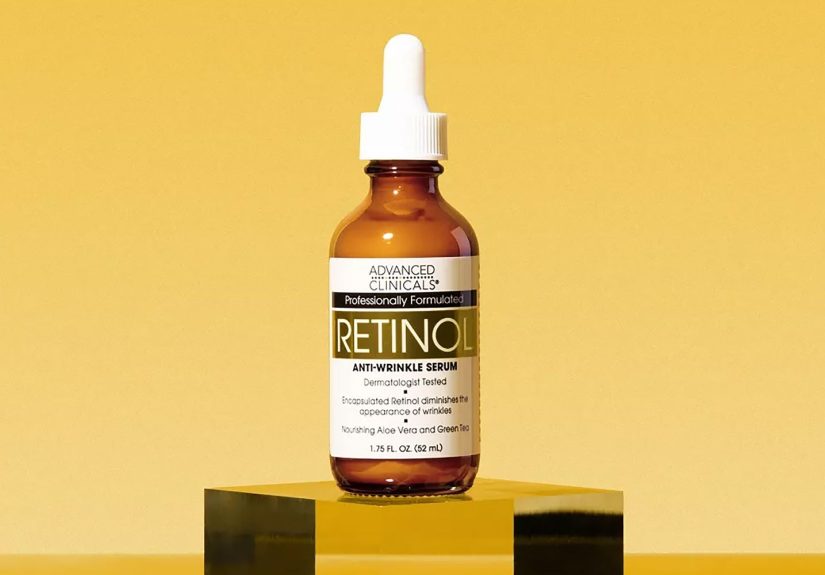
That’s why affordable, beginner-friendly formulas keep earning cult status. One standout is The Ordinary Retinol 0.2% in Squalane, a low-strength retinol serum that currently sells for about $8 on major marketplaces and just over $8 on the brand’s U.S. site. It’s positioned as an entry-level retinol, which is skincare-speak for, “Let’s not start with the stuff that makes your cheeks panic.” Instead of going full gladiator, this formula pairs a mild 0.2% retinol concentration with squalane, a moisturizing ingredient that helps cushion some of the dryness retinol is known for.
That balance is what makes this budget serum so appealing. It aims to deliver the benefits people want from retinol without demanding luxury-brand money or saint-level tolerance. For shoppers trying to build a smart skin-care routine without torpedoing their monthly budget, this little bottle makes a strong case for itself.
Why Retinol Still Rules the Drugstore Aisle
Retinol is a vitamin A derivative, part of the larger retinoid family. Dermatology organizations and major medical sources consistently point to retinoids and retinol as well-studied ingredients for concerns like fine lines, mild pigmentation irregularities, and texture issues. Over time, retinol encourages cell turnover and supports collagen-related improvements in the skin’s appearance. That does not mean overnight magic. It means the sort of slow, boring, reliable progress that skin care people oddly find thrilling.
That long-game effectiveness is exactly why retinol remains relevant, even as trendy ingredients rotate through TikTok like contestants on a reality show. Niacinamide is lovely. Peptides are compelling. Bakuchiol gets a lot of love. But retinol still has the reputation of being one of the most proven topical ingredients for visible skin-aging concerns.
The downside, of course, is tolerability. Many first-time users experience dryness, redness, flaking, or mild irritation in the early weeks. That’s one reason dermatologists and medical sources often recommend starting with a lower strength, using it only a few nights a week, and pairing it with moisturizer and daily sunscreen. In other words, retinol works best when you don’t treat it like a dare.
Meet the $8 Serum Everyone’s Curious About
The Ordinary Retinol 0.2% in Squalane is one of those products that sounds humble and ends up being smarter than half the stuff in your cart. According to the brand, it is a mild, water-free serum designed to target early signs of aging, textural irregularities, and uneven-looking tone. The official formula highlights two main stars:
0.2% Retinol
This low concentration makes the serum especially appealing for beginners. Rather than diving straight into a stronger retinoid, users can start with a gentler dose and build tolerance gradually. That matters, because irritation is one of the biggest reasons people quit retinol before it ever has a chance to work.
Squalane
Squalane is the peacekeeper in this formula. It helps add lightweight moisture and gives the serum a softer, more nourishing feel on the skin. In practical terms, that means the product feels less like punishment and more like a grown-up skin-care choice. The brand specifically notes that squalane helps combat the dryness often associated with retinol use, which is a big reason this serum gets described as “gentle” despite being a retinol product.
The formula is also alcohol-free, silicone-free, vegan, and cruelty-free, which gives it extra appeal for ingredient-conscious shoppers. It is not marketed as a dedicated acne treatment, but many users with acne-prone or uneven-textured skin are drawn to retinol generally because of its reputation for improving how skin looks over time.
What Makes It Gentle on Skin?
Let’s be honest: “gentle retinol” can sound a bit like “mild jalapeño.” Possible, yes, but still worth approaching with respect. What makes this serum gentler than many alternatives is not that it’s irritation-proof. It’s that the formula stacks the deck in your favor.
First, the concentration is low. That alone matters. Experts commonly suggest that beginners start with lower-strength retinol products, especially if they have sensitive or dry skin. Second, the squalane base helps offset the dry, tight feeling that can come from retinoid use. Third, the product is designed for nighttime use and positioned as the first step in a gradual retinol journey, not the final boss level.
Retail and editorial coverage also reinforces this point. Recent shopping coverage and dermatologist-informed product roundups have repeatedly framed low-strength retinol formulas as better options for first-time users, while product reviewers often highlight hydrating sidekicks such as squalane, ceramides, glycerin, or niacinamide as the ingredients that make retinol more tolerable. Translation: retinol behaves better when it has a support system.
What Makes It Gentle on Wallets?
This one is easy: price. Skin care has an impressive ability to convince people that youth apparently costs $94 per ounce. This serum cheerfully ignores that narrative. At around eight bucks, it lands far below the price of many retinol serums from prestige beauty brands and even undercuts a lot of drugstore favorites.
That affordability matters more than it gets credit for. Retinol is not a one-and-done ingredient. It usually requires consistent use over weeks or months before visible improvements become obvious. An accessible price makes that consistency more realistic. You’re not hovering over the bottle trying to ration each drop like it’s truffle oil.
Affordable formulas also lower the risk of buyer’s remorse. If you’re new to retinol and want to see whether your skin can tolerate it, a lower-cost product is a practical starting point. You can build the habit, learn your skin’s tolerance, and decide later whether you need a stronger formula or whether this mild option already does the job you want.
What Results Can You Realistically Expect?
Let’s keep this grounded. A budget retinol serum is not a time machine, and anyone promising overnight glass skin is either selling something or filming in suspicious lighting. What you can reasonably hope for with steady use is gradual improvement in the appearance of:
- Fine lines and early wrinkles
- Skin texture and roughness
- Dullness
- Uneven-looking tone
- The overall look of radiance
Most experts suggest giving retinol at least several weeks, and often closer to 12 weeks, before judging results. That timeline shows up repeatedly in expert commentary and product testing coverage. In other words, if you apply it twice and immediately inspect your forehead under bathroom lighting, please know that your serum is innocent until proven guilty.
Some reviewers report that low-strength retinol formulas help skin look smoother and brighter without the intense peeling they feared. Others notice that makeup sits better, pores look less obvious, or the skin appears more even overall. These are subtle, cumulative changes, which is exactly why retinol has such staying power in skin care conversations.
How to Use This Serum Without Starting a Tiny Skin Rebellion
Start low and slow
Use it two to three nights per week to begin. If your skin handles it well, you can gradually increase frequency. Medical experts and dermatology groups repeatedly recommend easing into retinoids instead of using them nightly from day one.
Apply it at night
Retinol is best used in the evening. The brand’s instructions also direct users to apply a few drops to the face at night. That keeps the routine simple and lines up with general retinoid guidance.
Use only a small amount
A little goes a long way. A pea-size amount for the face is commonly recommended with retinoid products. More product does not mean faster results. It mostly means your face may send a strongly worded complaint.
Moisturize generously
Moisturizer is your retinol bodyguard. If you’re prone to sensitivity, try the “sandwich” method: moisturizer first, then retinol, then another layer of moisturizer. Some dermatology literature suggests that moisturizing before a retinoid can help reduce irritation without ruining the benefits.
Wear sunscreen every morning
This is not optional behavior. Retinoids can make skin more sensitive to UV exposure, and public health guidance consistently recommends broad-spectrum sunscreen, ideally SPF 30 or higher. If you skip sunscreen while using retinol, your routine is basically arguing with itself.
Who Should Try It?
This serum makes the most sense for people who want to dip a toe into retinol without choosing a high-strength formula right away. It can be a smart match for:
- Beginners curious about retinol
- Budget-conscious shoppers building a simple anti-aging routine
- People with dry or dehydration-prone skin who like squalane-based formulas
- Anyone focused on early texture, tone, or fine-line concerns
It may be less ideal for someone who already knows their skin tolerates stronger retinoids well and wants faster or more dramatic results. In that case, they might eventually prefer a higher-strength retinol, a retinal product, or a prescription retinoid recommended by a dermatologist.
Who Should Be Cautious?
As with other retinoids, pregnant or breastfeeding users are commonly advised to avoid retinol products unless cleared by a medical professional. The brand itself recommends avoiding retinoid-containing skin care during pregnancy and breastfeeding. People with very reactive skin, active eczema flares, or a damaged skin barrier should also tread carefully and consider checking with a dermatologist before adding any retinoid.
You should also avoid stacking this serum with other retinoids. The brand specifically says not to use it in conjunction with other retinoid products. If your routine already includes prescription tretinoin, adapalene, or another strong active, adding this on top is not a clever shortcut. It is a fast pass to irritation city.
The Bottom Line
Retinol has earned its reputation, but not everyone needs a prestige bottle or a face-stinging initiation ritual to use it. The Ordinary Retinol 0.2% in Squalane makes a compelling case for the opposite approach: start gently, spend less, stay consistent, and let time do the heavy lifting.
That is really the charm of this $8 serum. It is accessible, beginner-friendly, and backed by the kind of ingredient logic that actually makes sense. You get a low-strength retinol, a hydrating base, and a price tag that feels refreshing in a category where “affordable” often somehow still means $38. For shoppers who want to ease into retinol without emptying their wallets or terrorizing their skin barrier, this tiny bottle deserves its moment on the shelf.
Extended Experience: What Using a Budget Retinol Serum Often Feels Like in Real Life
The real-world appeal of a product like this is not just the ingredient list. It is the experience of finally trying retinol and realizing it does not have to feel like a dramatic life event. Many first-time users go into the process expecting one of two outcomes: either they wake up looking mysteriously airbrushed, or they shed like a gecko for three straight days. In reality, the experience is usually much less cinematic.
During the first week, most people notice the texture before they notice any visible result. Because this formula is suspended in squalane, it feels silky and slightly oily on application, but not in a greasy, deep-fryer way. More in a “my skin might actually survive this” way. It spreads easily, so a few drops are enough. That alone makes the bottle feel economical, which is always nice when your beauty budget is trying to behave like a functioning adult.
By the second or third week, users often begin learning the most important retinol lesson of all: consistency beats enthusiasm. Applying too much or using it too often can lead to the usual signs of irritation, especially around the nose, mouth, and eye area. But when used carefully, the experience is often more manageable than feared. Skin may feel a little drier at first, which is why moisturizer quickly becomes the co-star of the routine. A bland, fragrance-free moisturizer starts looking less like a side character and more like the hero the story was waiting for.
Over time, the payoff tends to show up in subtle ways. Skin may start to look a bit smoother in the morning. Makeup may sit more evenly. The forehead can look less rough, and the overall tone may appear more refined. These are not dramatic overnight changes, but they are the kind of small improvements that make people keep reaching for the same bottle night after night. That is actually a good sign. A product does not have to be flashy to be effective; it just has to be something you can stick with.
Review coverage around affordable retinol serums often reflects this same pattern. Shoppers describe brighter-looking skin, softer texture, and less visible fine lines after steady use, especially when they pair the serum with patience, moisturizer, and sunscreen. Sensitive-skin users also tend to appreciate formulas that do not feel aggressively active from the first application. That “slow and steady” experience matters because an affordable product is only a bargain if you can actually keep using it.
In that sense, this $8 serum is less about instant transformation and more about access. It gives people a low-risk way to try one of skin care’s most established ingredients. It lets beginners practice the habits that make retinol work: nighttime use, measured application, barrier support, and sun protection. And perhaps most importantly, it proves that an entry-level retinol does not need glossy packaging or a luxury markup to earn a place in a smart routine. Sometimes the best beauty purchase is the one that quietly does its job, costs less than lunch, and never once makes you regret opening the bottle.