Table of Contents >> Show >> Hide
- What Is Celtic Salt?
- Celtic Salt Nutrition: What’s Actually Inside?
- Potential Benefits of Celtic Salt
- Celtic Salt Side Effects and Risks
- Celtic Salt vs. Table Salt
- Celtic Salt vs. Himalayan Salt
- How Much Celtic Salt Should You Use?
- Who Should Be Careful With Celtic Salt?
- Smart Ways to Use Celtic Salt
- Common Myths About Celtic Salt
- Practical Experiences With Celtic Salt
- Final Verdict: Is Celtic Salt Good for You?
- SEO Tags
Celtic salt has become the wellness world’s favorite little gray rock. One minute it was sitting politely in gourmet kitchens, waiting to be sprinkled over roasted potatoes. The next, it was all over social media being praised as a miracle mineral, hydration hero, electrolyte booster, and possibly the reason your houseplants look slightly more confident. But is Celtic salt actually healthier than regular salt, or is it just sea salt wearing a rustic French beret?
The honest answer is: Celtic salt can be a flavorful, minimally processed finishing salt with trace minerals and a lovely briny taste. However, it is still salt. Its main health concern is the same as table salt, kosher salt, Himalayan salt, and every other salt that has ever tried to look fancy in a glass jar: sodium. Too much sodium can raise blood pressure and increase the risk of heart disease and stroke. So yes, Celtic salt has benefits, but they are more culinary than magical.
In this guide, we’ll break down what Celtic salt is, its possible benefits, side effects, nutrition facts, who should avoid it, and how to use it wisely without turning your blood pressure into a drama series.
What Is Celtic Salt?
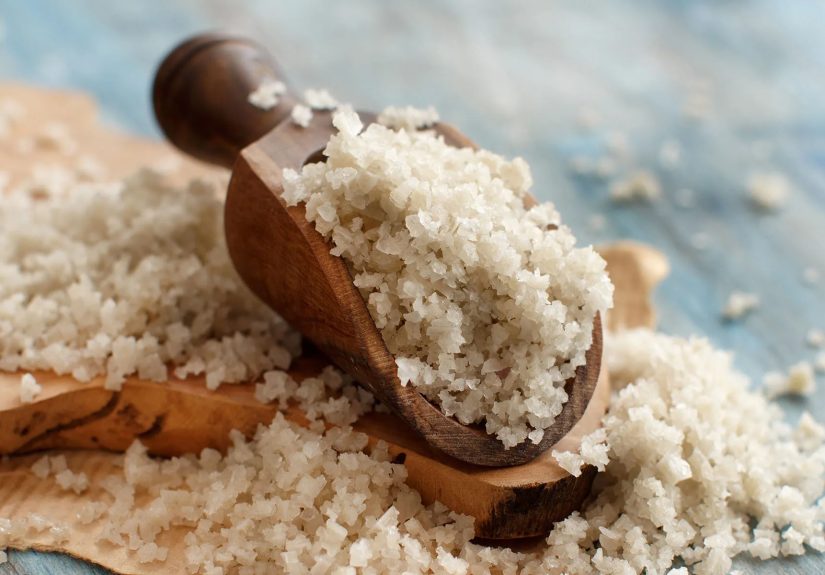
Celtic salt, often called Celtic sea salt, gray sea salt, or sel gris, is an unrefined sea salt traditionally harvested from coastal areas of Brittany, France. It gets its gray color from clay-lined salt ponds and its slightly damp texture from natural moisture retained during harvesting. Unlike standard table salt, which is usually finely ground and often fortified with iodine, Celtic salt is typically sold in coarse, moist crystals.
Its flavor is one of the biggest reasons cooks love it. Celtic salt tastes less sharp than regular table salt and has a briny, ocean-like depth that works beautifully as a finishing salt. Sprinkle it over grilled vegetables, steak, eggs, dark chocolate, caramel, or fresh tomatoes, and suddenly dinner acts like it has a passport.
Celtic Salt Nutrition: What’s Actually Inside?
Like other salts, Celtic salt is made mostly of sodium chloride. Salt in general is about 40% sodium and 60% chloride by weight. Celtic salt may also contain trace amounts of minerals such as magnesium, calcium, potassium, iron, and zinc. These minerals contribute to its color, texture, and flavor.
Here is the important part: the trace minerals in Celtic salt are present in very small amounts. They are not enough to replace mineral-rich foods like leafy greens, beans, nuts, seeds, dairy, seafood, or fruits. If someone tells you Celtic salt is basically a multivitamin, politely smile and protect your wallet.
Celtic salt may contain slightly less sodium per teaspoon than fine table salt because its crystals are larger and wetter, meaning less salt fits into the spoon. But gram for gram, sea salt and table salt contain similar sodium levels. This is why measuring salt by taste and moderation matters more than choosing the trendiest jar.
Potential Benefits of Celtic Salt
1. It Adds Big Flavor With Less Effort
The best proven benefit of Celtic salt is culinary. Because it has a coarse texture and mineral-rich taste, a small pinch can make food more satisfying. When used as a finishing salt, it can add crunch and flavor without disappearing into the dish. That means you may use less overall compared with shaking fine salt into food without thinking.
For example, a tiny pinch on sliced avocado, roasted sweet potatoes, or grilled fish can create a stronger flavor impact than stirring salt into the whole recipe. This is the “season smarter, not saltier” approach.
2. It Contains Trace Minerals
Celtic salt naturally contains small amounts of minerals from seawater and clay-lined salt beds. Magnesium, calcium, and potassium are often mentioned in Celtic salt marketing, and they do exist in trace amounts. These minerals may influence taste and texture, but they should not be considered a meaningful nutritional source.
If you need magnesium, eat pumpkin seeds, almonds, spinach, black beans, or whole grains. If you need potassium, try potatoes, bananas, lentils, yogurt, or leafy greens. Celtic salt can season those foods, but it should not be asked to do their job. That would be like asking a garnish to pay rent.
3. It May Support Electrolyte Balance in Limited Situations
Sodium is an electrolyte, and the body needs a small amount for fluid balance, nerve signals, and muscle function. For people who sweat heavily during long workouts, work outdoors in hot weather, or lose fluids through illness, sodium can be part of proper rehydration. However, Celtic salt is not automatically better than other sodium sources.
Most people in the United States already consume more sodium than recommended, largely from packaged, restaurant, and processed foods. For the average person sitting at a desk and sipping iced coffee, adding salt to water every morning is usually unnecessary.
4. It Is Less Processed Than Regular Table Salt
Celtic salt is often unrefined and free of anti-caking agents. For people who prefer minimally processed pantry ingredients, this can be appealing. Its moist texture and irregular crystals also make it feel more artisanal and intentional in cooking.
That said, “less processed” does not automatically mean “healthier.” Brown sugar is less stark-looking than white sugar, but your body still reads the memo. Likewise, Celtic salt may be rustic and beautiful, but its sodium still counts.
5. It Can Improve Home Cooking
One underrated benefit of Celtic salt is that it can make simple whole foods taste better. If a pinch of flavorful sea salt helps you enjoy vegetables, beans, soups, roasted chicken, or homemade salads instead of ultra-processed meals, that is a practical win.
The key is using it as a tool, not a supplement. Add it thoughtfully at the end of cooking, taste before adding more, and let herbs, citrus, garlic, vinegar, pepper, and spices do some of the heavy lifting.
Celtic Salt Side Effects and Risks
1. High Sodium Intake
The main side effect of Celtic salt is the same as any salt: too much sodium. The FDA’s Daily Value for sodium is less than 2,300 milligrams per day for adults and teens over 14. The American Heart Association recommends no more than 2,300 milligrams daily and says an ideal limit for many adults, especially those with high blood pressure, is closer to 1,500 milligrams.
Too much sodium can contribute to high blood pressure, which increases the risk of heart disease and stroke. It can also lead to water retention, bloating, puffiness, and increased thirst. If your rings suddenly feel like they were designed for a much smaller version of you, sodium may be part of the story.
2. Fluid Retention and Bloating
Sodium helps the body hold water. That can be useful in the right amount, but too much can make some people feel swollen or uncomfortable. People with heart failure, kidney disease, liver disease, or certain blood pressure conditions may be especially sensitive to sodium-related fluid changes.
If you notice bloating after salty meals, switching from table salt to Celtic salt will not solve the problem if the total sodium stays high. The body is not impressed by branding; it counts sodium.
3. Possible Kidney Strain for Sensitive People
Healthy kidneys help regulate sodium and fluid balance. But people with chronic kidney disease or reduced kidney function often need to be more careful with sodium. The National Kidney Foundation advises limiting sodium to help manage blood pressure and fluid balance in kidney disease.
If you have kidney disease, high blood pressure, heart disease, or take medications that affect fluid or electrolyte balance, ask your healthcare professional how much sodium is appropriate for you.
4. Lack of Iodine
Many specialty salts, including Celtic salt, are not iodized. Iodine is essential for making thyroid hormones, and iodized table salt has been an important public health tool for preventing iodine deficiency. If you completely replace iodized salt with Celtic salt, make sure you get iodine from other sources such as seafood, dairy, eggs, seaweed in safe amounts, or an appropriate supplement if recommended.
This is especially important for pregnant and breastfeeding people, who have higher iodine needs. Your thyroid is small, but it is not a background character.
5. Unproven Health Claims
Some online claims say Celtic salt can detox the body, balance hormones, cure adrenal fatigue, improve sleep, fix hydration, reduce cravings, or prevent muscle cramps. These claims are often exaggerated and not supported by strong clinical evidence.
Your body already has detox systems: the liver, kidneys, lungs, digestive tract, and skin. They do not need a gray salt subscription box to clock in for work. Celtic salt can season food; it should not be treated as medicine.
6. Potential Contaminants
Because sea salt comes from evaporated seawater, it may contain environmental contaminants in trace amounts, including microplastics or heavy metals. Research has found microplastics in some commercial salts worldwide. This does not mean every pinch is dangerous, but it is a reminder that “natural” does not always mean “pure.”
Choose reputable brands that provide quality testing when possible. Also, keep perspective: the biggest established health issue with salt remains excess sodium intake.
Celtic Salt vs. Table Salt
Celtic salt and table salt differ in processing, texture, moisture, and taste. Table salt is usually mined, refined, finely ground, and often iodized. Celtic salt is typically hand-harvested from seawater, less refined, moist, coarse, and gray.
From a health perspective, however, both contain sodium. Table salt may have the advantage of iodine if it is labeled iodized. Celtic salt has the advantage of flavor and texture. Neither should be eaten freely just because it looks wholesome in a ceramic bowl.
Celtic Salt vs. Himalayan Salt
Himalayan salt is a pink rock salt mined primarily from the Punjab region of Pakistan. Celtic salt is a gray sea salt harvested from coastal salt marshes. Both contain trace minerals that affect color and taste, but neither provides enough minerals to dramatically improve health.
If you are choosing between them, choose based on cooking style. Celtic salt is moist, briny, and excellent as a finishing salt. Himalayan salt is dry, crunchy, and pretty on the table. Nutritionally, the winner is moderation.
How Much Celtic Salt Should You Use?
There is no special recommended intake for Celtic salt. It falls under the same sodium guidelines as other salts. Adults should generally keep sodium under 2,300 milligrams per day, unless a healthcare professional gives a different target.
One teaspoon of table salt contains roughly 2,300 milligrams of sodium. A teaspoon of coarse Celtic salt may contain less sodium by volume because of larger crystals and moisture, but this varies by brand and grind size. The safest habit is to measure carefully, read labels, and taste before adding more.
Who Should Be Careful With Celtic Salt?
Some people should be especially cautious with Celtic salt and other high-sodium foods. This includes people with high blood pressure, heart disease, kidney disease, fluid retention, liver disease, a history of stroke, or a medical recommendation to follow a low-sodium diet. Pregnant people should also pay attention to iodine intake if using non-iodized specialty salts.
If you are on medications such as diuretics, blood pressure medications, lithium, or drugs affecting kidney function, discuss sodium intake with your clinician. Salt is ordinary, but in the body it plays a serious role.
Smart Ways to Use Celtic Salt
Use It as a Finishing Salt
Celtic salt shines when sprinkled at the end. Try it on roasted carrots, tomatoes, grilled fish, steak, eggs, salads, soups, or chocolate desserts. The texture adds a satisfying crunch, which helps a small amount feel more noticeable.
Pair It With Acid and Herbs
Lemon juice, vinegar, fresh herbs, garlic, onion, chili flakes, smoked paprika, and black pepper can make food taste bright without relying only on salt. A squeeze of lemon plus a tiny pinch of Celtic salt can wake up vegetables faster than your third cup of coffee wakes you up.
Measure Instead of Freestyling
Pinching salt like a television chef looks elegant, but it can get out of hand. Measure when cooking larger recipes, especially soups, sauces, and grains. You can always add a little at the table, but removing salt from soup is a culinary escape room nobody asked to play.
Read Labels on Packaged Foods
Most sodium in the American diet comes from packaged and restaurant foods, not the salt shaker. Bread, deli meat, canned soups, frozen meals, condiments, pizza, chips, sauces, and fast food can contain a lot of sodium before you add any Celtic salt at home.
Common Myths About Celtic Salt
Myth: Celtic Salt Hydrates Better Than Water
Water hydrates. Sodium can help replace electrolytes in specific situations, such as heavy sweating, but most people do not need salty water every day. If you are thirsty, start with water and a balanced diet.
Myth: Celtic Salt Is Low Sodium
Celtic salt may have less sodium per teaspoon than fine salt because of crystal size and moisture, but it is not a low-sodium food. It should still be used sparingly.
Myth: Trace Minerals Make It a Superfood
Trace minerals are real, but the amounts are tiny. Celtic salt is a seasoning, not a mineral supplement.
Myth: Natural Salt Cannot Be Harmful
Many natural substances can be harmful in excess. Sodium is essential in small amounts, but too much can raise blood pressure and strain the cardiovascular system.
Practical Experiences With Celtic Salt
People who use Celtic salt often notice the taste first. It has a damp, slightly crunchy texture and a softer briny flavor than regular table salt. In home cooking, this makes it especially useful when you want salt to be noticed rather than hidden. A pinch on a sliced tomato, for example, creates a fresh, juicy, almost restaurant-style bite. The same goes for avocado toast, grilled asparagus, baked potatoes, and soft-boiled eggs. Celtic salt behaves like a finishing touch, not just a background ingredient.
One practical experience many cooks share is that Celtic salt can help them become more mindful about seasoning. Because the crystals are larger and more distinctive, you see and feel what you are adding. That can reduce the automatic “shake, shake, shake” habit that often happens with fine table salt. Instead of salting everything aggressively during cooking, you can season lightly and finish with a small pinch at the end. The food tastes lively, and the salt feels intentional.
Another common experience is that Celtic salt works well in simple meals. A bowl of homemade soup, a tray of roasted vegetables, or a piece of grilled chicken can taste more complete with just a small amount. This is where Celtic salt can indirectly support better eating habits. If flavorful seasoning helps you enjoy whole foods more often, that is useful. The benefit does not come from Celtic salt detoxing your body or performing nutritional acrobatics. It comes from making real food more enjoyable.
However, people also learn quickly that Celtic salt is not a free pass. If you add it to water, sprinkle it on every meal, use salty sauces, eat packaged snacks, and order restaurant food often, your sodium intake can climb fast. Some people report feeling bloated or thirsty after increasing specialty salt use. That does not mean Celtic salt is uniquely harmful; it means sodium is doing what sodium does. The body holds extra water to balance it.
People with high blood pressure often have the most important lesson: changing the type of salt is less powerful than changing the amount. Swapping table salt for Celtic salt while keeping the same salty eating pattern may not improve blood pressure. A better approach is to reduce processed foods, cook more at home, add flavor with herbs and acids, and use Celtic salt only where it truly improves the dish.
Some users also discover the iodine issue after switching completely to specialty salts. If iodized salt disappears from the kitchen, iodine needs to come from elsewhere. This is not a reason to panic, but it is a reason to be thoughtful. Seafood, dairy, eggs, and certain fortified foods can help, but people with thyroid concerns, pregnancy, or restricted diets should be especially careful.
In short, the best real-world experience with Celtic salt is balanced and boring in the healthiest way: use it for flavor, enjoy the texture, respect the sodium, and do not expect it to fix your sleep, hormones, digestion, mood, or inbox. It is a delicious seasoning, not a tiny gray physician.
Final Verdict: Is Celtic Salt Good for You?
Celtic salt can be a high-quality, flavorful sea salt that makes home cooking more enjoyable. Its trace minerals, moist texture, and briny taste set it apart from standard table salt in the kitchen. But when it comes to health, the most important fact is simple: Celtic salt is still salt.
Use it in small amounts, preferably as a finishing salt. Do not rely on it for minerals, detox, hydration, or thyroid support. Keep total sodium intake within recommended limits, and make sure your diet includes iodine if you use non-iodized salts regularly.
The smartest way to enjoy Celtic salt is not to treat it like a miracle. Treat it like a good supporting actor: wonderful when used at the right moment, distracting when it tries to take over the whole show.