Table of Contents >> Show >> Hide
- What people mean by a “chicken diet”
- What chicken does well: the upsides
- Why eating only chicken isn’t a great idea
- 1) Zero fiber means your gut will protest
- 2) You’ll miss key vitaminsespecially vitamin C
- 3) You’ll probably fall short on minerals that matter
- 4) Your fat profile can get weird (and “too lean” can be a problem)
- 5) “More protein” isn’t always “more healthy”
- 6) Food safety becomes a bigger deal
- 7) Sustainability and relationship-with-food issues
- Who should not do a chicken-only diet
- A healthier alternative: make chicken the “supporting actor,” not the whole movie
- So… is it healthy to eat only chicken?
- Real-world experiences with a chicken-only diet (and what people learn)
- SEO tags
There’s something oddly comforting about a “one-food plan.” No decisions. No grocery-store debates. No “Wait, is quinoa a grain or a personality?” But when that one food is chickenbreakfast chicken, lunch chicken, dinner chickenyour body eventually files a complaint with Human Resources.
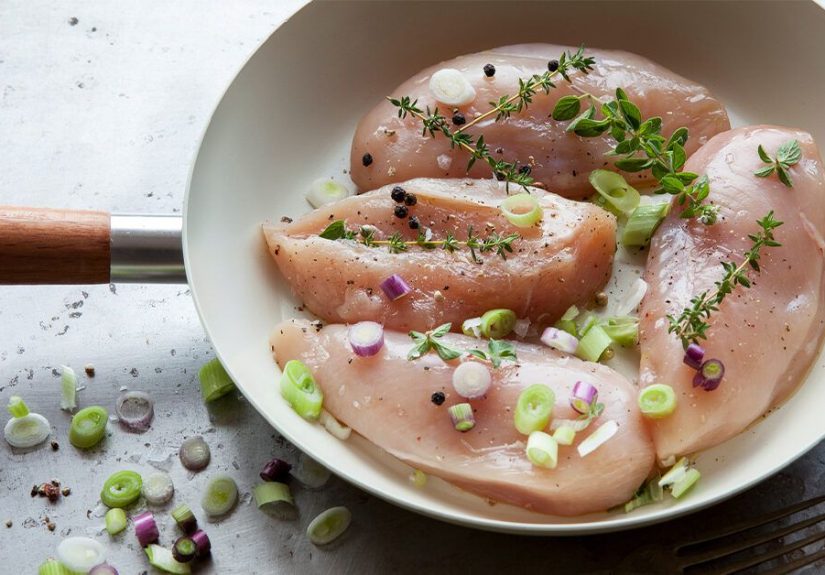
Chicken can absolutely be part of a healthy eating pattern. It’s a popular lean protein, it plays nicely with lots of flavors, and it’s usually easier on the budget than steak. The question is whether only chickenday after daycan cover what your body needs. Spoiler: your body is not a minimalist.
What people mean by a “chicken diet”
The phrase chicken diet gets used in a few different ways, and the details matter:
- Chicken-only (monotrophic): You eat chicken at every meal and basically nothing else (maybe water, maybe salt, maybe vibes).
- Chicken-heavy: Chicken is the main protein most days, but you still eat vegetables, fruit, grains, and healthy fats.
- Chicken + “rules”: Chicken is paired with a strict structure (for example, chicken and salad only, chicken and steamed vegetables only, etc.).
This article focuses on the first versioneating only chickenbecause that’s where the health questions (and the digestive drama) really show up.
What chicken does well: the upsides
It’s a high-quality protein
Chicken provides complete protein (meaning it contains all the essential amino acids your body can’t make on its own). That’s helpful for building and repairing tissues, supporting immune function, and maintaining muscle.
It can be lower in saturated fat than many red meats
When you choose skinless chicken and cook it with minimal added fat, it’s often a leaner option than many cuts of beef or pork. That can be useful for heart health when the rest of the diet is balanced.
It brings some important vitamins and minerals to the party
Chicken contributes nutrients like B vitamins (such as niacin and vitamin B6) and minerals like selenium and phosphorus. In other words: chicken isn’t “empty calories.” It’s a legit food.
So far, so good. But a healthy food doesn’t automatically create a healthy dietespecially when it’s the only thing on the menu.
Why eating only chicken isn’t a great idea
1) Zero fiber means your gut will protest
Chicken contains virtually no dietary fiber. Fiber mainly comes from plantsfruits, vegetables, beans, and whole grains. If chicken is the only food you eat, you’re essentially going fiber-free, which can make digestion slower and less comfortable. Many people notice constipation, bloating, or that “my stomach is mad at me but won’t tell me why” feeling.
Beyond bathroom logistics, fiber supports a healthy gut microbiome and is associated with better heart and metabolic health. Removing it from your diet is like removing the oil from your car because you “don’t like slippery things.”
2) You’ll miss key vitaminsespecially vitamin C
Chicken is not a meaningful source of vitamin C, and vitamin C is one of those nutrients you really want coming in regularly from foods like citrus, berries, peppers, broccoli, and tomatoes. Vitamin C helps with collagen formation, wound healing, and immune function.
If you’re not eating fruits and vegetables, you’re also more likely to come up short on folate, vitamin A, vitamin K, and many protective plant compounds (like carotenoids and polyphenols). Chicken can’t do those jobs. It doesn’t have the right tools.
3) You’ll probably fall short on minerals that matter
Eating only chicken makes it harder to meet needs for minerals that show up in plant foods and dairylike potassium, magnesium, and calcium. These minerals play roles in blood pressure regulation, nerve signaling, muscle contraction, and bone health.
In real life, nutrition deficiencies don’t always announce themselves with a dramatic trumpet solo. They can show up as fatigue, cramps, mood changes, poor workout recovery, or just feeling “off.”
4) Your fat profile can get weird (and “too lean” can be a problem)
Yes, some chicken is higher in fat (thighs, wings, skin-on). But many people doing a chicken-only plan gravitate toward very lean cuts, like skinless breast. If your diet becomes extremely low in fat, you may struggle to absorb fat-soluble vitamins (A, D, E, and K) and may not get enough essential fatty acids.
Your body needs fat for hormones, brain function, and cell membranes. A chicken-only diet often misses the mark because it crowds out foods that supply healthier fats, like nuts, seeds, olive oil, and fatty fish.
5) “More protein” isn’t always “more healthy”
Protein is importantbut your body has a ceiling on how much it can use for muscle building at a time. Extra protein doesn’t magically turn into extra biceps; it’s more likely to be used as energy or stored, depending on your overall intake.
For most healthy people, higher-protein diets can be safe. But if you have kidney disease (or you don’t know you have it), very high protein intake can be risky. And even with healthy kidneys, pushing protein high while ignoring fruits, vegetables, and whole grains is a trade that usually doesn’t pay off.
6) Food safety becomes a bigger deal
The more chicken you handle, cook, and store, the more chances you have for a food-safety mistake. Raw chicken can carry bacteria that cause food poisoning, and the risk goes up if chicken juices cross-contaminate other foods or surfaces.
Safe habits matter: keep raw chicken separate, clean and sanitize cutting boards and counters, and cook poultry to a safe internal temperature (165°F). Also, skip rinsing raw chickensplashes spread germs around your sink and nearby surfaces.
7) Sustainability and relationship-with-food issues
Even if you could engineer the “perfect” chicken-only meal plan on paper, most people can’t live like that for long. Social events become awkward (“No, I can’t have cake; I’m currently in a committed relationship with chicken”). Cravings ramp up. Boredom hits. Then the rebound happens, and you end up eating everything that isn’t nailed downfollowed by guilt and another round of restriction.
If you’re a teen, this matters even more. Restrictive diets can interfere with growth, energy levels, and focusplus they can encourage an unhealthy relationship with food. Your body is building bones, brain connections, and muscle. It needs variety.
Who should not do a chicken-only diet
Some groups have extra reasons to avoid an all-chicken approach:
- Teens and young adults who are still growing and need steady intake of a wide range of nutrients.
- People with kidney disease or a history of kidney problems.
- Anyone with digestive issues that worsen with low-fiber eating.
- Pregnant or breastfeeding people who have higher micronutrient needs.
- Anyone recovering from illness who needs calories and nutrients from multiple food groups.
- People with a history of disordered eating or who find strict rules trigger anxiety around food.
A healthier alternative: make chicken the “supporting actor,” not the whole movie
If you like chicken, you don’t have to break up with it. You just need to stop making it your only friend.
U.S. nutrition guidance emphasizes eating patterns that include a variety of foods across food groupsfruits, vegetables, grains (especially whole grains), protein foods, and dairy (or fortified alternatives). Within the protein foods group, variety matters too: poultry, seafood, beans and lentils, eggs, nuts, seeds, and soy all bring different nutrients to the table.
Try the “balanced plate” approach
Here’s a simple structure you can repeat without turning meals into a math problem:
- ½ plate: non-starchy vegetables (plus fruit on the side)
- ¼ plate: protein (this is where chicken can shine)
- ¼ plate: whole grains or starchy vegetables
- Add: a source of healthy fat (olive oil, avocado, nuts/seeds) and calcium-rich foods as needed
Chicken-centered meal ideas that aren’t “chicken-only”
- Sheet-pan chicken + veggies: chicken thighs or breast with broccoli, peppers, and onions, roasted with olive oil and spices.
- Chicken burrito bowl: chicken, brown rice, black beans, salsa, lettuce, and a little cheese or guacamole.
- Stir-fry: chicken with frozen mixed vegetables, garlic, and a quick sauce; serve over rice or noodles.
- Soup upgrade: chicken soup plus carrots, celery, beans, and a handful of spinach at the end.
- Snack pairings: instead of “more chicken,” try yogurt with fruit, nuts, or hummus with veggies.
Keep chicken healthy by how you cook it
- Choose skinless poultry more often if you’re watching saturated fat.
- Prefer grilling, baking, roasting, poaching, or air-frying over deep frying.
- Watch for high-sodium “injected” chicken products; seasoning your own can keep sodium lower.
- Use marinades and spice blends to avoid boredom (your taste buds deserve rights).
So… is it healthy to eat only chicken?
Not really. Chicken can be part of a healthy diet, but a chicken-only diet is likely to be low in fiber and missing important vitamins, minerals, and healthy fats that come from eating a variety of foods. It also increases the odds of food boredom, rebound eating, and (if food safety slips) foodborne illness.
If your goal is “simple,” you can keep chicken in the rotation while still eating an overall balanced pattern. That’s the version your body will thank you forquietly, through stable energy and fewer dramatic stomach announcements.
Real-world experiences with a chicken-only diet (and what people learn)
Note: The stories below are composite, real-life-style examples based on common patterns people report to dietitians and doctors. They’re not medical advice, and bodies vary.
Experience #1: “I thought it would make eating easy”
A lot of people try an all-chicken phase because they’re tired of decisions. The first couple of days can feel oddly satisfyingprotein is filling, meals are predictable, and the fridge situation is simple. But by day three or four, the novelty wears off. People often describe feeling “weirdly hungry” even after eating a lot of chicken. That’s a classic sign of missing something the body expects: carbs for quick energy, fiber for fullness, and fats for satiety.
Experience #2: “My digestion changed fast”
Digestive changes are one of the earliest complaints. Without plant foods, stool can become harder and less frequent. Some people also notice bloating, not because chicken “causes” gas, but because the gut microbiome shifts when fiber disappears. A common fix is also a common lesson: when they add fruit at breakfast, beans at lunch, or veggies at dinner, things normalize quickly.
Experience #3: “My workouts felt harder”
People who train (sports, lifting, running) sometimes assume more protein automatically improves performance. In reality, many workouts feel worse on chicken-only eating because muscles also rely on carbohydrates to fuel higher-intensity exercise. A typical report is “I can still lift, but my energy is flat.” When these folks reintroduce carbslike oats, rice, potatoes, or fruittheir training often feels smoother and recovery improves.
Experience #4: “I got bored, then I overcorrected”
Food boredom is powerful. When meals stop being pleasurable, cravings don’t mean you’re weak; they mean you’re human. Some people ride out chicken-only eating with willpower for a week, then rebound into a day of random snacks and desserts. The pattern can become emotionally exhausting. Many discover that allowing a balanced mealsay, chicken plus pasta and saladprevents the “snap” moment better than tighter rules ever did.
Experience #5: “Chicken wasn’t the problemmy all-or-nothing thinking was”
One of the most helpful takeaways people share is that chicken itself is fine. The problem is the belief that health comes from restriction and repetition. When they switch to a more flexible planchicken most days, but also fish, beans, eggs, tofu, and different grains and producethey feel more consistent. The diet becomes easier to live with, which is the real secret to any healthy pattern: if you can’t keep doing it, it’s not working.
What these experiences have in common
- Short-term “simplicity” often turns into nutrient gaps and food fatigue.
- Adding fiber (fruits, vegetables, beans, whole grains) is one of the fastest ways to feel better.
- For active people, adding carbs can improve energy and performance.
- A balanced approach reduces the risk of rebound eating and supports a healthier relationship with food.
If you’re considering a major diet changeespecially if you’re a teen, have a medical condition, or have felt anxious around foodtalk with a clinician or a registered dietitian. The healthiest plan is the one that supports your body and your life.