Table of Contents >> Show >> Hide
- What “Clark Single Duplex Coverplates” Usually Means
- What Is a Single Duplex Coverplate, Exactly?
- Why Clark-Style Duplex Coverplates Became a Design Favorite
- Sizes Matter More Than Most People Expect
- Materials: What to Choose and Why
- How to Choose the Right Clark-Style Single Duplex Coverplate
- Installation Tips and Safety Checks
- Styling Ideas for Clark Single Duplex Coverplates
- Common Buying Mistakes to Avoid
- Practical Experiences with Clark Single Duplex Coverplates (Extended Section)
- Conclusion
Some home upgrades scream for attention. A Clark single duplex coverplate does the oppositeit quietly makes the room look smarter. If you are here because you saw the phrase in an old design post, a renovation shopping list, or a hardware mood board, you are in the right place. This guide breaks down what “Clark Single Duplex Coverplates” typically refers to, why these plates became a design favorite, how they compare to modern duplex outlet covers, and how to choose the right one without accidentally buying the electrical equivalent of the wrong shoe size.
We will also get practical: sizing, materials, finishes, installation tips, safety checks, and real-world project experiences. In short, this is the coverplate guide for people who care about detailsand for people who only started caring after noticing their cheap plastic plate looks like it came free with a sandwich.
What “Clark Single Duplex Coverplates” Usually Means
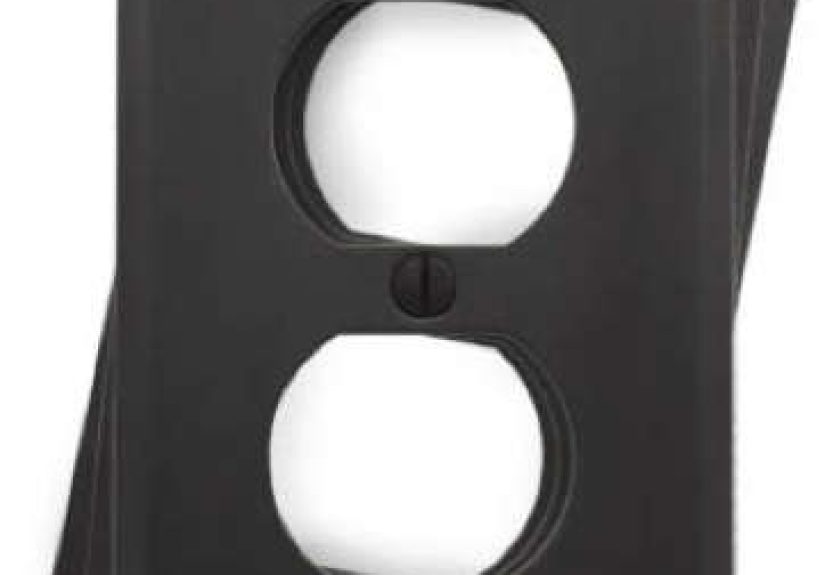
The term is most commonly associated with the Clark switchplate line popularized by Rejuvenation and featured in design media. In historical coverage, the Clark line was described as stamped-brass switchplates with beveled edges, offered in multiple finishes and sold individually or in value packs. The Clark Duplex Coverplate was one of the featured pieces in that lineup, alongside toggle and GFCI versions.
Today, people searching this phrase often mean one of two things:
- A specific vintage-style Rejuvenation/Clark duplex plate (or something visually similar), or
- A stylish single-gang duplex outlet coverplate with upgraded materials and finish options.
That distinction matters because “Clark” is a design reference, while “single duplex coverplate” is a technical fit specification. You need both to get the result right: the plate has to look beautiful and fit the outlet you actually have.
What Is a Single Duplex Coverplate, Exactly?
A single duplex coverplate is a wall plate that fits a standard duplex receptacle (the common outlet with two plug-in points stacked vertically) in a single-gang wall box. It is one of the most common wall plate configurations in American homes.
Quick decoding of the name
- Single-gang = one side-by-side device position in the wall box
- Duplex = a receptacle with two outlet openings stacked vertically
- Coverplate / wall plate / outlet cover = the visible trim piece that covers the box opening and device edge
If you are replacing a plate only (not the receptacle), your main job is matching the plate opening style to the device. A duplex plate will not fit a rocker/GFCI opening, and a decorator plate will not fit a classic duplex receptacle. This sounds obvious until you are standing in the hardware aisle holding the wrong one for the third time.
Why Clark-Style Duplex Coverplates Became a Design Favorite
The appeal is simple: they make a small functional object feel intentional. Historically, the Clark line stood out because it brought decorative metal finishes and beveled detailing to a category that is usually dominated by basic plastic. That design move still works today.
What people like about the Clark look
- Beveled or tailored edges that add shadow and depth
- Metal finishes that coordinate with cabinet pulls, faucets, and lighting
- Vintage-meets-modern styling that works in old homes and updated interiors
- Consistency across duplex, toggle, rocker, and GFCI plate types
Even if you cannot find the original Clark item, the design idea is easy to recreate: choose a single-gang duplex plate in a finish that matches nearby hardware, keep the device color coordinated, and avoid mixing five different sheens on the same wall unless your goal is “chaotic appliance showroom.”
Sizes Matter More Than Most People Expect
One of the most common mistakes in wall plate shopping is assuming “single-gang duplex” means there is only one size. In reality, there are multiple faceplate sizes, and they are all useful in different situations.
Common single-gang wall plate sizes
- Standard: roughly 4.5 in. x 2.75 in.
- Midsize / Midway: roughly 4.88 in. x 3.13 in.
- Jumbo / Oversized: roughly 5.25 in. x 3.5 in.
Standard plates are perfect for clean installations where drywall cuts are neat. Midsize plates give you a little extra forgiveness. Jumbo/oversized plates are the heroes of renovation projects: they can hide chipped paint lines, rough tile cuts, and oversized wall openings that would otherwise stare at you forever.
Also, manufacturer “standard” dimensions can vary slightly by product line. Some brands intentionally make plates a bit larger for added coverage. So if your outlet opening looks messy, compare actual dimensionsnot just the word “standard” on the label.
Materials: What to Choose and Why
The best Clark-style single duplex coverplate for your project depends on the room, traffic level, humidity, and the look you want. Here is the short version: decorative spaces often favor metal, while utility or high-traffic areas often benefit from tougher plastics like nylon or polycarbonate.
Metal coverplates (brass, steel, stainless, bronze, nickel)
Metal plates are the obvious choice when style is the priority. They are durable, easy to wipe down, and excellent for matching hardware finishes in kitchens and baths. If you want that original Clark vibe, metal is the lane: think brass tones, oil-rubbed bronze, brushed nickel, or antique-inspired finishes.
Painted steel wallplates are a popular practical option too. They are often affordable, durable, and available in many standard colors. Some U.S. manufacturers also offer UL-listed metal wallplates in a broad range of openings and finishes, including field-paintable options for matching updated decor.
Nylon thermoplastic coverplates
Nylon wallplates are an excellent “looks simple, performs hard” choice. They are widely used in residential and commercial settings because they resist impact, abrasion, fading, and day-to-day abuse better than brittle bargain plates. If you have kids, pets, moving furniture, or a high-traffic hallway, nylon is a smart upgrade.
Polycarbonate coverplates
Polycarbonate is another strong option, especially for durability and flexibility. Some manufacturers highlight impact resistance, easy cleaning, and resistance to fading/warping in humid environments. In other words, polycarbonate is great when your wall plate must survive both people and weather-adjacent indoor conditions.
Thermoset plastic coverplates
Thermoset plates are common and economical. They can be a good fit in many standard applications, and some buyers prefer them where rigidity is helpful. If you are choosing based on performance, compare the room conditions and abuse level before defaulting to the cheapest option.
How to Choose the Right Clark-Style Single Duplex Coverplate
1) Match the device opening first
Confirm that the outlet is a standard duplex receptacle (not GFCI, decorator, USB decorator, or a specialty receptacle). A classic duplex plate has the familiar double-oval opening pattern.
2) Pick the size based on wall condition
- Fresh paint + clean cut: standard
- Minor gaps or unevenness: midsize
- Tile backsplash, patching, rough drywall, old plaster: jumbo/oversized
3) Choose the material based on room use
- Showpiece room: brass, bronze, nickel, stainless, decorative metal
- Hallways / rentals / commercial-lite use: nylon or polycarbonate
- Budget replacements: thermoplastic or painted steel
4) Coordinate finish with nearby hardware
The easiest design win is matching the outlet coverplate to cabinet pulls, faucets, sconces, or door hardware. Exact matching is not always necessary, but clashing warm/cool tones on the same wall can look accidental.
5) Consider screwless vs visible-screw styles
Screwless plates give a cleaner, modern look and can help hide minor imperfections. Traditional screw-mounted plates are easier to service and often suit vintage interiors better. If you are going for a historical or crafted look, a visible-screw metal plate can actually be part of the charm.
Installation Tips and Safety Checks
Replacing a coverplate is usually a simple DIY task, but this is still electrical territory. Respect the outlet, and your eyebrows can remain exactly where they are.
Basic replacement steps
- Turn off power at the breaker (best practice, especially if you may touch the device screws).
- Remove the old plate screw and plate.
- Inspect the outlet and box opening for cracks, discoloration, loose mounting, or damage.
- Center the receptacle if needed (a slightly crooked outlet can make any fancy plate look wrong).
- Install the new plate and tighten gentlysnug, not over-tight.
- Restore power and confirm the outlet is functioning normally.
When to stop and call an electrician
- The outlet or plate is warm to the touch
- You see burn marks, charring, or melted plastic
- The receptacle is loose in the box
- There is visible damaged wiring or crumbling insulation
- The outlet sparks excessively or trips repeatedly
A new coverplate can improve appearance and protection, but it does not fix a worn-out receptacle or overloaded circuit. If the problem is behind the plate, the solution has to be behind the plate too.
Styling Ideas for Clark Single Duplex Coverplates
Vintage kitchen upgrade
Pair a brushed nickel or antique brass duplex coverplate with bin pulls, bridge faucets, or schoolhouse lighting. It gives the wall a finished, custom look without replacing larger fixtures.
Modern warm-neutral interior
Use a low-sheen metal or smooth screwless plate in a finish that matches door levers and trim accents. The goal is less “look at my outlet” and more “why does this room feel unusually polished?”
Utility room or garage that still looks intentional
Durable nylon or polycarbonate in a clean neutral color keeps things practical while still looking maintained. This is especially helpful in spaces with carts, tools, or frequent impact.
Common Buying Mistakes to Avoid
- Buying by finish only: Always confirm the opening type (duplex vs decorator/GFCI).
- Ignoring size: A gorgeous standard plate will not hide a messy oversized cut.
- Mixing styles randomly: If one room uses beveled metal plates, avoid dropping in one glossy white plastic replacement unless temporary.
- Over-tightening screws: This can crack lower-quality plates or distort alignment.
- Using a plate to hide damage: Covering cosmetic drywall issues is fine; covering heat damage or charring is not.
Practical Experiences with Clark Single Duplex Coverplates (Extended Section)
In real remodels, the biggest surprise with Clark-style single duplex coverplates is how much visual impact they have compared with their price and installation time. Homeowners often spend weeks choosing tile, paint, and lighting, then treat outlet covers as an afterthought. The moment a metal duplex plate goes inespecially one with a beveled edge or a finish that matches nearby hardwarethe wall suddenly looks “finished.” It is one of those details people do not always notice consciously, but they absolutely feel the difference.
A common experience in older homes is discovering that the wall opening around the outlet is rougher than expected. Plaster repairs, multiple paint layers, or backsplash tile cuts can leave gaps that a standard plate will not fully conceal. This is where buyers usually shift from a strict “Clark look” mindset to a “Clark look, but practical size” mindset. Choosing a midsize or oversized duplex coverplate in a coordinated finish solves the problem without redoing the wall. In kitchens and bathrooms, that can save a surprising amount of time and money.
Another frequent experience comes from mixed-material rooms. For example, a homeowner may choose polished nickel cabinet hardware but already have matte black lighting or stainless appliances. A well-chosen duplex coverplate can help bridge those finishes. Brushed nickel and satin metals are especially forgiving because they tend to blend across styles. The wrong plate, on the other hand, can stick out immediately. A bright glossy plastic outlet cover in the middle of an otherwise tailored space can make the room feel unfinished even when everything else is beautifully done.
In rentals or high-traffic family homes, people often start with decorative metal plates and later switch some locations to nylon or polycarbonate after a few bumps from furniture, vacuums, or daily wear. This is not a style failureit is smart zoning. Many homeowners end up using decorative Clark-style plates in visible spaces (entry, kitchen backsplash, powder room) and tougher plates in utility zones (laundry, kids’ rooms, garage). The result still feels cohesive if the colors and plate profiles are consistent.
There is also the “outlet alignment moment,” which every DIYer meets eventually. You install the new coverplate, step back, and realize the receptacle is slightly crooked. Suddenly your premium plate is highlighting the problem instead of hiding it. The fix is usually simple: loosen the device screws, straighten the receptacle, then reinstall the plate. Many people report that this small adjustment makes the upgrade look custom rather than merely new.
Finally, experienced renovators tend to buy wall plates in batches, not one at a time. Once you choose a finish and style, matching multiple outlets later can be difficult if a product line changes. This is especially true for decorative collections and specialty finishes. If you are upgrading with a Clark-inspired look, it is wise to inventory the room (or whole floor), count every duplex, toggle, rocker, and GFCI opening, and buy a little extra. Future-you will be grateful when a paint refresh or outlet replacement happens and the exact match is already in the drawer.
Conclusion
“Clark Single Duplex Coverplates” may sound like a tiny niche search, but it points to a very real design principle: details matter. Whether you are chasing the original Rejuvenation Clark aesthetic or simply want a better-looking single-gang duplex outlet cover, the winning formula is straightforwardmatch the opening, choose the right size, select the right material for the room, and coordinate the finish with the surrounding hardware.
Done well, a duplex coverplate is not just a protective part. It becomes part of your interior language. And for a piece of hardware you install in five minutes, that is a pretty great return on effort.