Table of Contents >> Show >> Hide
- What Is a Classic Carafe and Cup?
- Why the Classic Carafe and Cup Never Goes Out of Style
- Best Materials for a Classic Carafe and Cup
- Popular Shapes and Styles
- How to Choose the Best Classic Carafe and Cup
- Where to Use a Carafe and Cup Set
- Care and Cleaning Tips
- Classic Carafe and Cup Buying Mistakes to Avoid
- Design Ideas for a Timeless Look
- Is a Classic Carafe and Cup Worth It?
- Personal Experiences With a Classic Carafe and Cup
- Conclusion
A classic carafe and cup set is one of those household objects that looks simple until you actually live with it. Then it quietly becomes a tiny luxury. It sits on a nightstand, desk, bathroom counter, breakfast tray, guest-room dresser, or dining table looking calm, useful, and suspiciously more elegant than everything around it. One minute it is just a glass container with a cup. The next minute, your bedroom feels like a boutique hotel and your 2 a.m. thirst has become a civilized event.
At its best, a classic carafe and cup combines three things: function, beauty, and ritual. It keeps water close. It reduces the need for disposable plastic bottles. It gives guests an easy way to hydrate without rummaging through the kitchen at midnight like polite raccoons. And because the cup often doubles as a lid, it helps keep dust away from the drinking water while saving space. That small design trick is the reason this humble set has stayed relevant for generations.
Whether you call it a bedside carafe, water carafe with glass, nightstand water set, tumbler carafe, or glass carafe cup set, the appeal is the same. It is old-school hospitality with modern practicality. In a world full of blinking screens, charging cables, and oversized water bottles that look ready for a desert expedition, the classic carafe and cup feels refreshingly human.
What Is a Classic Carafe and Cup?
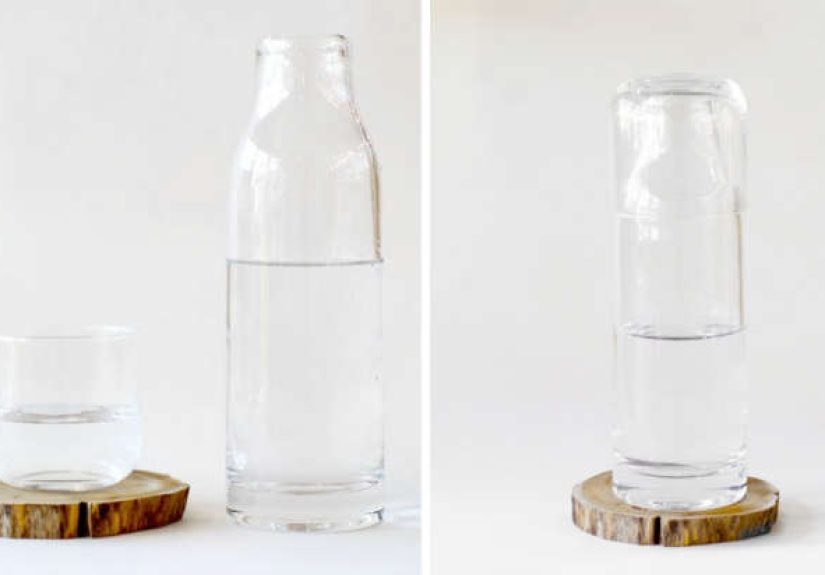
A carafe is generally a serving vessel used for water, wine, coffee, juice, or other drinks. A classic carafe and cup set usually includes a narrow or gently rounded glass carafe and a matching tumbler that rests on top. The cup acts as both drinking glass and cover. This makes the set especially useful for bedrooms, guest rooms, small apartments, home offices, and minimalist kitchens.
Unlike a pitcher, a carafe typically has no handle. Unlike a wine decanter, it is not always designed for aeration or sediment separation. A decanter often has a wider base or more specialized shape for wine service, while a carafe is usually simpler and more versatile. Think of a decanter as the dramatic dinner-party guest wearing velvet; the carafe is the calm, practical friend who brought water and remembered where you put your keys.
Why the Classic Carafe and Cup Never Goes Out of Style
It Makes Hydration Easier
Water is the beverage we all know we should drink more often, yet many people still forget until their mouth feels like a library book left in the sun. A carafe solves part of that problem by making water visible and reachable. On a nightstand, it prevents midnight trips to the kitchen. On a desk, it encourages steady sipping. On a dining table, it keeps guests comfortable without constant refilling.
Health guidance varies because fluid needs depend on body size, activity level, climate, and diet, but trusted nutrition sources consistently emphasize water as a smart, calorie-free choice. A classic carafe does not magically turn you into a hydration champion, but it does remove friction. And when a healthy habit becomes easier, it usually becomes more consistent.
It Adds Hospitality Without Trying Too Hard
A glass carafe and cup in a guest room sends a clear message: “You are welcome here, and no, you do not have to wander down the hallway at 1:17 a.m. looking for water.” It is a small detail, but small details are what people remember. Hotels understand this. Good hosts understand it. Even a simple clear glass set can make a spare room feel finished.
It Works With Almost Any Decor Style
The classic design blends into many spaces. Clear glass suits minimalist rooms. Ribbed glass adds vintage charm. Amber or smoke-tinted glass feels warm and moody. Hand-blown glass brings artisan character. Double-wall glass looks modern and helps reduce condensation. A fluted carafe next to a linen lampshade says “quiet luxury.” A colorful carafe on open shelving says “I own at least one cookbook and possibly fresh basil.” Both are valid identities.
Best Materials for a Classic Carafe and Cup
Soda-Lime Glass
Soda-lime glass is the most common glass used for everyday drinkware. It is affordable, clear, widely available, and suitable for cold or room-temperature beverages. Many classic bedside carafes are made with soda-lime glass because it gives that familiar sparkle without pushing the price into “I need to insure my cup” territory.
The main caution is temperature shock. Soda-lime glass is not the best choice for rapid changes from cold to hot or hot to cold. If a product label says “not for hot liquids,” believe it. The carafe is not being dramatic; it simply knows its limits.
Borosilicate Glass
Borosilicate glass is valued for its resistance to thermal expansion. In practical terms, it can handle temperature changes better than ordinary soda-lime glass. This is why borosilicate is popular in laboratory glassware, certain coffee carafes, teapots, measuring cups, and higher-end kitchen pieces.
If you plan to use your carafe for hot tea, warm lemon water, coffee, or chilled drinks straight from the refrigerator, borosilicate glass is often the better choice. It tends to cost more, but it brings durability and peace of mind. Still, even borosilicate deserves gentle treatment. Glass may be elegant, but it is not a superhero.
Crystal and Lead-Free Crystal
Some decorative carafes use crystal or lead-free crystal for extra brilliance. These are beautiful for display, guest rooms, and formal table settings. For everyday water use, lead-free crystal is the safer modern preference. Always check the manufacturer’s care instructions, especially with vintage pieces. Vintage glassware can be charming, but charm is not a substitute for food-safety confidence.
Popular Shapes and Styles
The Bedside Carafe
The bedside carafe is the classic hero of the category. It usually holds about 16 to 30 ounces, enough for one person overnight or for light guest-room use. The matching tumbler sits upside down on top, keeping the rim protected and the water covered. This is the style many people picture when they hear “classic carafe and cup.”
The Table Carafe
A table carafe is usually larger and may not include a lid cup. It is ideal for dinner, brunch, infused water, iced tea, lemonade, or wine. The lack of handle gives it a clean silhouette. A clear table carafe filled with cucumber slices, citrus, mint, or berries can make tap water look like it went on a spa retreat and came back with better posture.
The Coffee Carafe
Coffee carafes may be glass, thermal, or double-walled. A glass coffee carafe is best when coffee will be served soon after brewing. Thermal versions are better for keeping coffee warm longer. If the carafe is intended for coffee, choose one made for heat and confirm whether it is dishwasher safe.
The Modern Stackable Set
Some modern carafe and cup sets include multiple small cups that stack neatly under or around the carafe. These are excellent for serving water, juice, sake, cocktails, or iced tea. They also look great on open shelves, which is helpful if your cabinet situation can only be described as “Tupperware avalanche with wine glasses.”
How to Choose the Best Classic Carafe and Cup
1. Choose the Right Capacity
For a nightstand, 16 to 25 ounces is usually enough. For a guest room, a slightly larger carafe can be thoughtful, especially if two people are staying. For dining, consider 34 ounces or more so you are not refilling every five minutes while pretending this is relaxing.
2. Check the Cup Fit
The cup should sit securely on the carafe without wobbling. A good fit keeps dust away and prevents accidental sliding. If the tumbler is too loose, it may rattle. If it is too tight, it can be awkward to remove. The sweet spot is a stable, easy lift.
3. Look at the Mouth Opening
A wider mouth is easier to clean and easier to fill with ice, fruit, or herbs. A narrower mouth can look elegant and reduce splashing when pouring, but it may require a bottle brush. If you love low-maintenance household items, do not ignore the cleaning factor. Beauty fades quickly when you are trying to remove mint leaves with a chopstick.
4. Read the Care Instructions
Some glass carafes are dishwasher safe. Others are hand-wash only. Some can handle hot liquids; others are strictly for cold drinks. This is especially important with handmade, painted, metallic-rimmed, vintage, or delicate glass. The phrase “hand wash recommended” is not a dare.
5. Match the Style to the Room
A classic clear glass set works almost everywhere. For traditional spaces, look for cut glass, ribbed glass, or a subtle footed tumbler. For modern rooms, choose straight lines or double-wall construction. For colorful interiors, amber, green, blue, or blush glass can act like functional decor. If your room already has strong patterns, clear glass may be the quiet choice that keeps the peace.
Where to Use a Carafe and Cup Set
On the Nightstand
This is the most iconic placement. Put the carafe on a tray or coaster to protect wood furniture from condensation. Add a small book, a lamp, and perhaps a tiny dish for jewelry. Suddenly the nightstand looks intentional instead of like a museum exhibit titled “Receipts and Lip Balm.”
In the Guest Room
A carafe and cup is a low-cost way to make guests feel cared for. Pair it with fresh towels, a phone charger, and a small card with the Wi-Fi password. This may seem minor, but guests love not having to ask for basic things. Hospitality is often just convenience wearing nicer shoes.
On the Dining Table
A carafe makes family dinners and gatherings smoother. Fill it before guests sit down. Add lemon wheels or herbs if you want to look like you planned ahead, even if dinner was assembled with heroic help from the freezer.
At the Home Office
Keeping a carafe near your workspace reduces unnecessary kitchen trips and helps build a steady hydration habit. It also looks better on video calls than a half-crushed plastic bottle with a label peeling off like it has given up on life.
In the Bathroom
A small carafe and cup can be useful for rinsing after brushing teeth or taking medication. Choose a covered style to keep the cup clean, and wash it regularly. For bathroom use, simple glass or ceramic designs are usually best.
Care and Cleaning Tips
To keep a classic carafe and cup looking beautiful, rinse it daily if used for water. Wash it with mild dish soap and warm water several times a week, or more often if used for juice, wine, coffee, or infused water. For narrow-neck carafes, use a soft bottle brush. Avoid abrasive scrubbers that can scratch glass or damage decorative finishes.
If mineral spots appear, fill the carafe with a mixture of warm water and white vinegar, let it sit briefly, then rinse thoroughly. For lingering odors, baking soda and water can help. Let the carafe dry completely before storing it. Turn it upside down on a drying rack if possible, but make sure air can circulate. Trapped moisture is not classy; it is just mildew with ambition.
Do not pour boiling water into glass unless the manufacturer clearly says it is safe for hot liquids. Avoid sudden temperature swings, such as taking a chilled carafe from the refrigerator and immediately filling it with hot tea. Even strong glass appreciates emotional stability.
Classic Carafe and Cup Buying Mistakes to Avoid
The first mistake is buying only for looks. A beautiful carafe with a mouth too narrow to clean will become decor faster than you planned. The second mistake is ignoring capacity. A tiny set may look adorable, but if it holds only one small glass of water, it may not be practical overnight. The third mistake is assuming all glass is heat-safe. It is not. Always read the label.
Another common mistake is skipping furniture protection. Glass sweats when filled with cold water, especially in humid rooms. Use a coaster, tray, or linen mat. This keeps wood surfaces safe and makes the whole arrangement look deliberate. A tray can also hold a small spoon, tea bag, medication, or folded napkin.
Design Ideas for a Timeless Look
For a calm bedroom, place a clear glass carafe beside a warm lamp and a ceramic dish. For a vintage-inspired room, choose ribbed or etched glass and pair it with a brass tray. For a modern guest suite, use a square or cylindrical set with clean lines. For a breakfast nook, fill a carafe with orange juice, cold brew, or cucumber water and set out matching glasses.
Seasonal styling is easy. In summer, add mint, berries, or citrus slices. In fall, use amber glass and pair it with linen napkins. In winter, a borosilicate carafe can serve warm tea if it is rated for heat. In spring, clear or pale green glass looks fresh with flowers nearby. The carafe does not need to shout. Its best design language is quiet usefulness.
Is a Classic Carafe and Cup Worth It?
Yes, especially if you value small routines that make daily life feel more polished. A classic carafe and cup is not expensive compared with many home upgrades, yet it improves convenience, hospitality, and visual appeal. It is useful for water, wine, juice, cold brew, mouthwash, bedside hydration, and guest-room service. It also encourages reusable drinkware instead of single-use bottles, which aligns with a more thoughtful home routine.
The best version is the one you will actually use. For most people, that means a clear or lightly tinted glass set, a stable tumbler lid, a practical capacity, and easy cleaning. Choose borosilicate if you want more temperature flexibility. Choose soda-lime glass for affordable everyday water service. Choose lead-free crystal if the goal is elegance and display. Whatever you pick, let it earn its place by being both beautiful and useful.
Personal Experiences With a Classic Carafe and Cup
The funny thing about a classic carafe and cup is that it feels unnecessary until it becomes part of your routine. I used to think a regular water bottle was enough for the bedside table. Technically, it was. But there is a difference between “enough” and “pleasant.” A plastic bottle beside the bed says, “I survived today.” A glass carafe and cup says, “I have my life together for at least the next eight ounces.” That is a meaningful upgrade.
The first real benefit appears at night. Instead of getting out of bed and walking to the kitchen half-awake, you simply lift the cup, pour water, drink, and go back to sleep. There is no bright refrigerator light. No mysterious kitchen noise. No stepping on something that absolutely was not on the floor earlier. The whole process becomes quiet and easy. Over time, that convenience makes the carafe feel less like decor and more like a tiny household assistant.
In a guest room, the experience is even better. A carafe and cup turns a basic room into a thoughtful space. Guests may not say much about it, but they notice. It shows that someone thought about their comfort before they arrived. The same is true for a home office. A carafe on the desk makes it easier to drink water without interrupting work. It also creates a small visual pause, something calmer than yet another mug of coffee threatening to become a personality trait.
There is also a sensory pleasure to using glass. The weight of the cup, the sound of water pouring, the clarity of the carafe, and the way light moves through it all make the experience feel a little more intentional. It is not luxury in the loud sense. It is luxury in the “small things done well” sense. That kind of luxury ages beautifully because it is connected to daily use, not just display.
The only lesson learned the hard way is this: choose a carafe that is easy to clean. Narrow-neck pieces look elegant, but if you plan to add lemon slices, herbs, or infused water, make sure you own a bottle brush. Also, use a tray or coaster. Cold water can leave rings on wood furniture, and no amount of aesthetic charm will save you from the heartbreak of a damaged nightstand. A simple tray solves the problem and makes the set look even better.
After using one regularly, the classic carafe and cup starts to represent more than water. It becomes a reminder that practical objects can still be beautiful. It proves that a home does not need to be filled with expensive things to feel cared for. Sometimes all it takes is clear glass, clean water, and a cup waiting exactly where you need it.
Conclusion
A classic carafe and cup is a small household item with surprising staying power. It supports hydration, improves guest-room hospitality, elevates table settings, and adds quiet charm to everyday routines. The best sets balance beauty with practical details: comfortable capacity, stable cup fit, safe material, easy cleaning, and the right style for the space. Whether placed beside a bed, on a dining table, in a bathroom, or at a desk, a well-chosen glass carafe turns a basic drink of water into a more graceful habit. And honestly, if an object can make drinking water feel elegant, it deserves a spot in the house.