Table of Contents >> Show >> Hide
- What Is a Classic Doberge Cake?
- Why This Recipe Works
- Ingredients for the Classic Doberge Cake Recipe
- How to Make Doberge Cake at Home
- Tips for the Best Classic Doberge Cake
- Classic Variations of Doberge Cake
- Serving and Storage
- Why Doberge Cake Still Matters
- Final Thoughts
- Kitchen Notes and Real-Life Doberge Cake Experience
If New Orleans desserts had a royal court, the Doberge cake would arrive fashionably late, wearing a glossy coat of icing and acting like it absolutely knows it is the star of the party. And honestly, fair enough. This iconic Louisiana layer cake is famous for its delicate, thin cake layers, creamy custard filling, and over-the-top charm. It is the kind of cake that makes sheet cake nervous.
In this guide, you will learn how to make a classic Doberge cake recipe at home, along with the history behind it, the tricks that keep it tender, and the practical steps that stop the whole project from turning into a butter-and-custard melodrama. This version stays true to the spirit of the original New Orleans favorite: thin yellow cake layers, rich chocolate custard, soft buttercream, and a shiny chocolate finish. It is elegant, nostalgic, and just dramatic enough to deserve a cake stand with attitude.
What Is a Classic Doberge Cake?
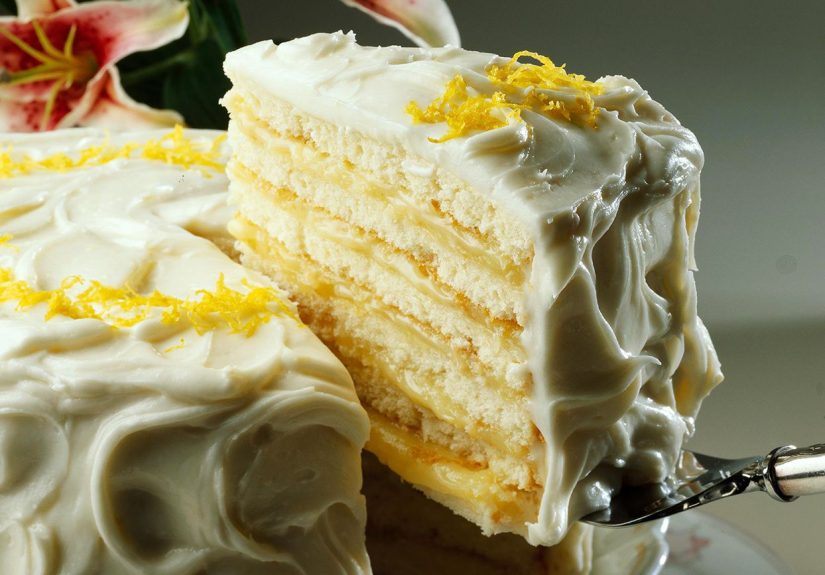
A classic Doberge cake is a multilayered dessert associated with New Orleans baking tradition. It is inspired by the Hungarian Dobos torte but adapted for local tastes. Instead of leaning on buttercream between every layer, Doberge cake typically uses smooth custard or pudding-style filling. The result is softer, silkier, and more dessert-like than a standard layer cake.
The traditional structure usually includes six to eight thin cake layers, although bakery versions can be even more ambitious. The best-known flavors are chocolate and lemon, and many Louisiana bakeries still sell the famous “half-and-half” version that combines both. For a home baker, though, a chocolate Doberge is the most classic, approachable place to start. It keeps the flavor focused, the assembly simpler, and the odds of you eating frosting with a spoon slightly lower. Slightly.
Why This Recipe Works
This homemade Doberge cake recipe is designed for real kitchens, not mythical pastry labs staffed by seven calm people in matching aprons. It works because it keeps the signature features of the cake while making the process manageable:
- Thin, tender layers: The cake batter is light but sturdy enough to stack.
- Cooked chocolate custard filling: Rich, smooth, and stable after chilling.
- Buttercream buffer: A thin coat helps lock in crumbs and gives the exterior a clean finish.
- Glossy chocolate glaze: The final layer gives that classic bakery-style look.
The goal is not to make a museum exhibit. The goal is to make a beautiful, classic New Orleans cake that tastes like it belongs at a birthday, a holiday, or an extremely competitive family gathering.
Ingredients for the Classic Doberge Cake Recipe
For the Cake Layers
- 3 1/2 cups cake flour
- 3 teaspoons baking powder
- 3/4 teaspoon fine salt
- 12 tablespoons unsalted butter, softened
- 2 cups granulated sugar
- 4 large eggs, separated
- 2 teaspoons vanilla extract
- 1 cup whole milk
For the Chocolate Custard Filling
- 2 1/2 cups whole milk
- 1/2 cup granulated sugar
- 1/4 cup cornstarch
- 4 large egg yolks
- 4 ounces semisweet chocolate, finely chopped
- 2 tablespoons unsalted butter
- 1 teaspoon vanilla extract
- Pinch of salt
For the Buttercream
- 1 cup unsalted butter, softened
- 4 cups powdered sugar
- 2 to 3 tablespoons whole milk
- 1 teaspoon vanilla extract
- Pinch of salt
For the Chocolate Glaze
- 6 ounces semisweet chocolate, chopped
- 3/4 cup heavy cream
- 1 tablespoon corn syrup
- 1 tablespoon unsalted butter
How to Make Doberge Cake at Home
1. Make the Chocolate Custard First
In a saucepan, warm the milk until steaming but not boiling. In a separate bowl, whisk together the sugar, cornstarch, egg yolks, and salt until smooth. Slowly whisk the warm milk into the egg mixture, then return everything to the saucepan. Cook over medium heat, whisking constantly, until thickened.
Remove the pan from the heat and stir in the chopped chocolate, butter, and vanilla. Whisk until glossy and smooth. Transfer to a bowl, press plastic wrap directly onto the surface, and chill until cold and spreadable. This step matters. Warm custard and stacked cake are a chaotic duo.
2. Prepare the Cake Batter
Preheat the oven to 350°F. Grease and line two 9-inch cake pans with parchment. Sift together the cake flour, baking powder, and salt.
In a large bowl, beat the butter and sugar until pale and fluffy. Add the egg yolks one at a time, then the vanilla. Add the dry ingredients in three additions, alternating with the milk. Mix only until combined.
In a separate bowl, beat the egg whites until soft peaks form. Gently fold them into the batter. This keeps the cake light, which is important because Doberge cake is all about layering finesse, not brick-like ambition.
3. Bake and Split the Layers
Divide the batter evenly between the pans and bake for about 18 to 22 minutes, or until the tops spring back lightly and a tester comes out clean. Let the cakes cool completely.
Once cooled, level the cakes if needed and slice each cake horizontally into four even layers, giving you eight thin layers total. Use a serrated knife and a gentle hand. If you rush, the cake will remind you who is really in charge.
4. Make the Buttercream
Beat the softened butter until creamy. Add the powdered sugar gradually, then mix in the vanilla, salt, and enough milk to make a smooth, spreadable frosting. You want it soft enough to glide, but not so loose that it starts making questionable decisions.
5. Assemble the Doberge Cake
Place the first cake layer on a cake board or serving plate. Spread a thin, even layer of chocolate custard over the top, leaving a small border around the edges. Repeat with the remaining layers, ending with a plain cake layer on top.
Chill the cake for 20 to 30 minutes, then apply a thin crumb coat of buttercream. Chill again, then frost the top and sides with the remaining buttercream. Keep the finish smooth, but do not panic if it is not mathematically perfect. Doberge cake is elegant, not robotic.
6. Add the Chocolate Glaze
Heat the cream until just steaming, then pour it over the chopped chocolate. Let sit for a minute, then stir until smooth. Add the corn syrup and butter. Cool slightly until pourable but not hot.
Pour the glaze over the chilled cake and gently nudge it toward the edges so it drapes down the sides. Let it set before slicing. Stand back and admire your work like the cake just paid rent.
Tips for the Best Classic Doberge Cake
Use Cake Flour
Doberge cake should be tender and refined, not dense. Cake flour gives the layers a softer crumb and helps them stay delicate even after stacking.
Chill Between Stages
This cake rewards patience. Chilling the custard, the stacked layers, and the crumb coat makes assembly easier and cleaner. Doberge is not difficult so much as it is deeply committed to a schedule.
Spread Thin, Even Layers
The beauty of a classic Doberge cake comes from balance. Too much custard and the cake slides. Too little and the layers lose their signature look and feel. Think elegant restraint, not chocolate avalanche.
Slice with a Warm Knife
For clean slices, dip your knife in hot water and wipe it between cuts. This is the difference between “bakery presentation” and “beloved but emotionally unstable dessert.”
Classic Variations of Doberge Cake
Once you master the classic chocolate version, the Doberge universe opens up fast. Lemon Doberge is a major favorite in New Orleans, offering a bright custard contrast to the sweet cake and frosting. Half-and-half Doberge combines chocolate and lemon, usually split into two flavor sections for the ultimate diplomatic dessert. Caramel versions are also popular and bring a deeper, toasted sweetness.
Modern bakers have expanded the format with red velvet, peanut butter, cookies and cream, and all kinds of festival-ready flavors. Still, when people say “classic Doberge cake recipe,” they usually mean a tender yellow cake layered with chocolate custard and finished with rich icing. That is the version that tastes like history without feeling old-fashioned.
Serving and Storage
Doberge cake is best served slightly cool or at cool room temperature. If refrigerated, let slices sit out for about 15 to 20 minutes before serving so the custard softens and the frosting becomes silky again.
Store the cake covered in the refrigerator for up to four days. Because of the custard filling, this is not a cake to leave lounging on the counter all day like it owns the place. It may be glamorous, but it still needs refrigeration.
Why Doberge Cake Still Matters
The reason Doberge cake remains so beloved is simple: it feels special. It is not an everyday cake. It is a birthday cake, a celebration cake, a “somebody better bring a camera” cake. It carries the charm of New Orleans baking culture, where tradition and indulgence are not enemies. They are basically roommates.
It also represents a very American kind of culinary evolution. A European-inspired dessert came to New Orleans, met local tastes, got reimagined with custard and regional flair, and turned into something iconic. That is part of what makes the classic Doberge cake recipe so compelling. It is not just dessert. It is edible cultural history with a really good glaze.
Final Thoughts
Making a Doberge cake from scratch is a project, but it is the kind of project that pays you back in both flavor and bragging rights. The thin layers, smooth chocolate custard, soft buttercream, and shiny glaze create a cake that looks impressive and tastes even better. It is rich without being heavy, classic without being boring, and nostalgic without tasting like a compromise.
If you have been searching for the best classic Doberge cake recipe, this is the kind of version worth keeping. It respects the New Orleans tradition, works in a home kitchen, and delivers the layered charm that made Doberge famous in the first place. Bake it for a birthday, a holiday, or a random weekend when your regular dessert routine feels a little too sensible.
Kitchen Notes and Real-Life Doberge Cake Experience
There is something wonderfully humbling about making a Doberge cake for the first time. On paper, it sounds straightforward enough: bake cake, make custard, stack layers, frost, glaze, done. In real life, it becomes a full-day relationship. The cake asks for your attention, your counter space, your patience, and occasionally your last clean mixing bowl. But that is also the charm. Doberge is not a casual dessert you throw together while half-watching television. It is an event.
The first real surprise for many bakers is how thin the layers are supposed to be. If you are used to tall, fluffy birthday cakes, a Doberge can look almost suspicious at first, like it forgot to finish becoming a cake. Then you stack the layers with custard in between, and suddenly it all makes sense. The thin layers are not a flaw. They are the point. Each bite becomes a soft little ladder of cake and filling, and the texture is what makes the dessert memorable.
Another common experience is discovering that custard has a personality. It does not like being rushed. It does not enjoy neglect. It definitely does not appreciate lumpy whisking. But once it comes together, glossy and smooth, there is a moment of relief that feels wildly disproportionate to a saucepan of chocolate pudding. That is one of the secret joys of this cake: every stage gives you a tiny victory. The batter turns silky. The layers bake evenly. The custard sets. The stack holds. The glaze pours just right. You feel less like a home baker and more like someone who should probably be given a bakery window and a dramatic apron.
Then there is the slicing. A finished Doberge cake has a way of making everyone suddenly appear in the kitchen “just to see how it turned out.” People who showed no interest in dishes, frosting, or emotional support during assembly will materialize the minute the knife comes out. And to be fair, they have a point. The cross-section is the big reveal. Those neat layers are the whole magic trick. When the knife slides through cleanly and the slice lands upright on the plate, it feels like a standing ovation in dessert form.
What makes the experience stick, though, is not only the flavor. It is the sense that you made something with history, patience, and a little ceremony. Doberge cake slows you down in the best way. It reminds you that some recipes are worth the extra bowl, the extra chilling time, and the extra care. It is the kind of cake people remember. Not because it is trendy, and not because it is flashy for the sake of being flashy, but because it tastes like effort transformed into celebration. And honestly, that may be the most classic thing about it.