Table of Contents >> Show >> Hide
- What Makes This Copycat Fettuccine Alfredo So Good?
- Ingredients for Copycat Fettuccine Alfredo
- How to Make Copycat Fettuccine Alfredo
- Copycat Fettuccine Alfredo Recipe Card
- Tips for the Creamiest Alfredo Sauce
- Common Mistakes to Avoid
- Easy Variations
- What to Serve with Fettuccine Alfredo
- How to Store and Reheat Leftovers
- Why This Recipe Works
- Kitchen Experience: What I Learned Making Copycat Fettuccine Alfredo at Home
- Conclusion
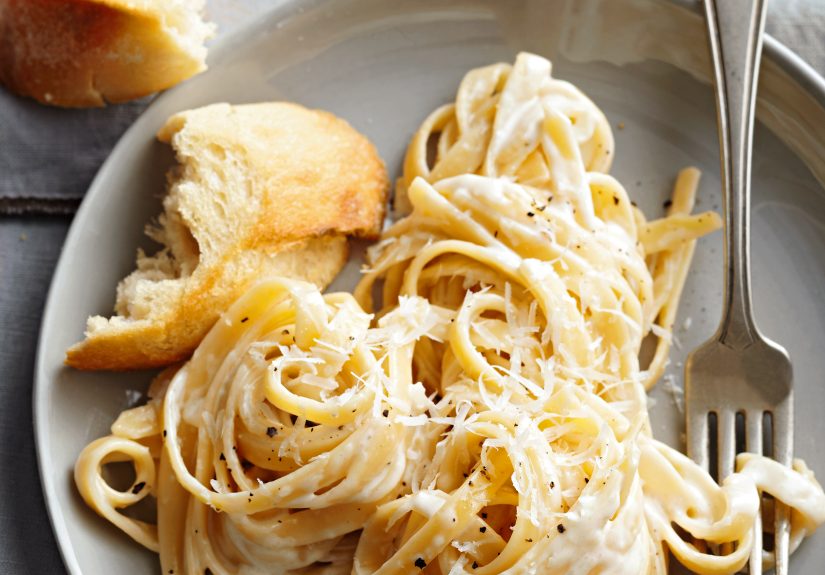
There are comfort foods, and then there is fettuccine Alfredo: the creamy, buttery, Parmesan-loaded pasta dish that walks into the room like it owns a velvet robe. This copycat fettuccine Alfredo recipe is inspired by the rich, restaurant-style version many Americans know and loveespecially the kind served with a suspiciously perfect breadstick, a big salad, and the quiet promise that “just one more bite” is definitely a lie.
The goal here is simple: create a homemade fettuccine Alfredo that tastes luxurious, clings beautifully to every strand of pasta, and does not require culinary wizardry, imported marble counters, or a chef named Giorgio yelling “mamma mia” in the background. You only need good pasta, real butter, heavy cream, freshly grated cheese, a little garlic, and a few smart techniques that make the sauce glossy instead of grainy.
This recipe leans into the American restaurant-style Alfredo sauce: creamy, cheesy, garlicky, and unapologetically satisfying. Traditional Roman Alfredo is typically made with pasta, butter, Parmesan, and starchy pasta water. The American copycat version adds cream and sometimes garlic for a thicker, richer sauce. Is it “authentic” in the strictest historical sense? Not exactly. Is it delicious enough to make people hover near the stove with a fork? Absolutely.
What Makes This Copycat Fettuccine Alfredo So Good?
A great copycat Alfredo recipe has to hit three major notes: creamy texture, deep Parmesan flavor, and that restaurant-style richness that feels special without being complicated. The secret is not dumping everything into a pot and hoping for the best. Alfredo sauce is simple, but simple recipes are bossy. They want good ingredients and gentle heat.
This version uses butter for silkiness, heavy cream for body, garlic for warmth, and a blend of Parmesan and Romano-style cheese for a savory, slightly salty finish. Fettuccine is the ideal pasta because its wide, flat shape gives the sauce plenty of surface area to hold onto. Thin pasta can get overwhelmed, while chunky pasta can miss the elegant “twirl factor.” Fettuccine knows its assignment.
Ingredients for Copycat Fettuccine Alfredo
Main Ingredients
- 12 ounces fettuccine pasta
- 4 tablespoons unsalted butter
- 2 cloves garlic, finely minced
- 1 1/2 cups heavy cream
- 1 cup freshly grated Parmesan cheese
- 1/2 cup freshly grated Romano cheese or more Parmesan
- 1/2 teaspoon kosher salt, plus more for pasta water
- 1/4 teaspoon freshly ground black pepper
- 1/8 teaspoon ground nutmeg, optional but recommended
- 1/2 cup reserved pasta water, as needed
- Fresh parsley, chopped, for garnish
Ingredient Notes
Use freshly grated cheese. This is not the moment for the green canister that lives in the refrigerator door like a retired snow globe. Pre-grated cheese often contains anti-caking ingredients that can make Alfredo sauce grainy. A block of Parmesan gives you smoother melting and better flavor.
Heavy cream works best. Half-and-half can work in a pinch, but the sauce will be thinner and slightly less luxurious. Milk is more likely to separate unless thickened with flour or cream cheese, which changes the classic texture.
Nutmeg is optional. A tiny pinch does not make the sauce taste like dessert. It adds warmth and helps the cream taste rounder. Think of it as the bass player in a band: you may not notice it immediately, but the whole thing feels better when it is there.
How to Make Copycat Fettuccine Alfredo
Step 1: Cook the Pasta
Bring a large pot of water to a boil. Salt it generously. The water should taste seasoned, not like the ocean is trying to start a fight. Add the fettuccine and cook until just al dente according to the package directions. Before draining, reserve at least 1 cup of pasta water.
That reserved pasta water is liquid gold. It contains starch from the pasta, which helps the sauce loosen, cling, and emulsify. Translation: it helps your Alfredo behave like a smooth sauce instead of a dairy puddle having an identity crisis.
Step 2: Start the Sauce Gently
While the pasta cooks, melt the butter in a large skillet or sauté pan over medium-low heat. Add the minced garlic and cook for about 30 to 60 seconds, just until fragrant. Do not brown the garlic. Burnt garlic tastes bitter, and nobody invited bitterness to pasta night.
Step 3: Add Cream and Seasoning
Pour in the heavy cream and stir well. Add salt, pepper, and a tiny pinch of nutmeg if using. Let the cream warm gently for 3 to 4 minutes, stirring often. The sauce should steam and lightly bubble around the edges, but it should not boil aggressively.
High heat is the villain in many Alfredo tragedies. If the cream gets too hot, the sauce can separate. Keep the temperature moderate and patient. Alfredo rewards calm people. Or at least people pretending to be calm.
Step 4: Melt in the Cheese
Reduce the heat to low. Add the Parmesan and Romano gradually, stirring after each addition. The cheese should melt into the cream and create a smooth, glossy sauce. If the sauce looks too thick, add a splash of reserved pasta water and stir until it loosens.
Do not add all the cheese at once. Cheese prefers a gentle introduction, like a guest at a dinner party. Dumping it in suddenly can cause clumping, especially if the sauce is too hot.
Step 5: Toss the Pasta in the Sauce
Add the drained fettuccine directly to the skillet. Toss with tongs until every strand is coated. Add more pasta water, one tablespoon at a time, until the sauce is creamy and silky. The final texture should be thick enough to coat the pasta but loose enough to move around the plate.
Step 6: Serve Immediately
Serve the fettuccine Alfredo right away with extra Parmesan, black pepper, and chopped parsley. Alfredo waits for no one. It is at its best when hot, glossy, and freshly tossed.
Copycat Fettuccine Alfredo Recipe Card
Prep Time
10 minutes
Cook Time
15 minutes
Total Time
25 minutes
Servings
4 servings
Instructions Summary
- Boil fettuccine in salted water until al dente. Reserve pasta water before draining.
- Melt butter in a large skillet over medium-low heat.
- Add garlic and cook briefly until fragrant.
- Stir in heavy cream, salt, pepper, and nutmeg.
- Reduce heat and gradually add freshly grated cheeses.
- Toss cooked pasta in the sauce, adding pasta water as needed.
- Serve immediately with Parmesan, parsley, and black pepper.
Tips for the Creamiest Alfredo Sauce
Grate the Cheese Yourself
This is the biggest difference between a silky Alfredo and one that tastes like cheesy sand. Freshly grated Parmesan melts more smoothly because it does not contain the same anti-caking agents found in many packaged shredded cheeses. Use the small holes of a box grater or a microplane for the finest texture.
Keep the Heat Low
Alfredo sauce is not a stew. It does not need a rolling boil, a dramatic simmer, or a motivational speech. Warm the cream gently, then lower the heat before adding cheese. If the sauce gets too hot, the fat can separate and the cheese can clump.
Use Pasta Water Like a Pro
Pasta water helps transform a thick cream sauce into a glossy coating. Add it slowly. A tablespoon or two can make a huge difference. If your sauce tightens while tossing, pasta water brings it back to life like a tiny kitchen miracle.
Serve It Fresh
Fettuccine Alfredo is best served immediately. As it sits, the sauce thickens because the pasta keeps absorbing moisture. If you need to loosen it before serving, add a splash of warm cream or reserved pasta water.
Common Mistakes to Avoid
Using Pre-Shredded Cheese
Convenient? Yes. Ideal? Not really. Pre-shredded cheese can make the sauce grainy. For the smoothest copycat Alfredo sauce, grate cheese fresh from a block.
Overcooking the Pasta
Fettuccine should be al dente because it continues to soften slightly when tossed with the hot sauce. Mushy pasta plus heavy sauce equals sadness with Parmesan.
Skipping the Pasta Water
If your Alfredo sauce feels too thick or sticky, pasta water is the fix. It helps the sauce coat the noodles evenly without watering down the flavor.
Adding Cheese Over High Heat
High heat can turn beautiful cheese into clumps. Lower the heat before stirring in Parmesan and Romano. Think gentle, not volcanic.
Easy Variations
Copycat Chicken Fettuccine Alfredo
Add sliced grilled chicken breast or pan-seared chicken cutlets. Season the chicken with salt, pepper, garlic powder, and Italian seasoning before cooking. This turns the dish into a full restaurant-style dinner.
Shrimp Alfredo
Sauté shrimp in butter with garlic, salt, and pepper until pink and just cooked through. Add the shrimp on top of the finished pasta or toss it directly into the sauce.
Broccoli Alfredo
Add steamed broccoli florets for color and texture. Broccoli also gives everyone at the table permission to call this meal balanced, which is emotionally useful.
Spicy Alfredo
Add a pinch of crushed red pepper flakes or a little Cajun seasoning. The heat cuts through the richness and gives the sauce a bolder flavor.
What to Serve with Fettuccine Alfredo
Because Alfredo is rich, it pairs beautifully with fresh, crisp, or lightly acidic sides. A green salad with vinaigrette is a classic choice. Garlic bread is also welcome, because apparently carbs have friends and they enjoy gathering.
Roasted broccoli, asparagus, green beans, or a tomato cucumber salad can brighten the meal. For a restaurant-style dinner, serve the pasta with warm breadsticks, a simple Caesar salad, and iced tea or sparkling water with lemon.
How to Store and Reheat Leftovers
Store leftover fettuccine Alfredo in an airtight container in the refrigerator for up to 3 days. The sauce will thicken as it chills, so reheating requires a little care.
For best results, reheat it gently in a skillet over low heat with a splash of cream, milk, or chicken broth. Stir often until the sauce becomes smooth again. Avoid microwaving on high heat for too long, because the sauce can separate. If using a microwave, heat in short intervals and stir between each one.
Freezing is not recommended. Cream-based sauces often separate after thawing, and the pasta can become soft. Alfredo is a “make it, love it, eat it soon” kind of dish.
Why This Recipe Works
This copycat fettuccine Alfredo recipe succeeds because it balances richness with technique. Butter adds shine, heavy cream creates body, cheese brings salty depth, garlic adds restaurant-style aroma, and pasta water ties everything together. The sauce is thick but not gluey, creamy but not bland, and flavorful without needing a long ingredient list.
The best part is that it feels fancy while being weeknight-friendly. You can make it in about 25 minutes, which is faster than waiting for a table at a busy restaurant. Plus, you get to control the cheese level, and let us be honest: the correct cheese level is usually “a little more.”
Kitchen Experience: What I Learned Making Copycat Fettuccine Alfredo at Home
The first time I made a copycat fettuccine Alfredo recipe at home, I had one goal: make it taste like the creamy restaurant pasta people crave after one bite. I also had one problem: I assumed Alfredo sauce was impossible to mess up. Butter, cream, cheesewhat could go wrong? As it turns out, plenty. My first attempt was thick enough to spackle a wall, and the cheese formed tiny clumps that made the sauce look like it was going through a difficult emotional chapter.
The biggest lesson was temperature control. Alfredo sauce does not like being rushed. When I kept the heat low and added the cheese gradually, the difference was immediate. The sauce turned glossy instead of greasy. It coated the pasta instead of sitting at the bottom of the pan like a dairy-based mystery. That one change made the recipe feel much more like a true restaurant-style Alfredo.
The second lesson was about cheese. Freshly grated Parmesan is not just a fancy suggestion from people who own too many wooden spoons. It genuinely matters. Pre-shredded cheese may be convenient, but it does not melt the same way. When I used a block of Parmesan and grated it finely, the sauce became smoother, richer, and more flavorful. Romano cheese added a sharper, saltier note that made the copycat version taste closer to the big, bold Alfredo many restaurants serve.
I also learned that pasta water is not optional. At first, I drained the pasta and waved goodbye to the water like it had completed its duty. Big mistake. A splash of starchy pasta water helps the sauce relax and cling to the noodles. It is especially helpful if the Alfredo thickens too quickly. Now I reserve more than I think I need, because running out of pasta water feels like forgetting your umbrella during a thunderstorm.
Another helpful experience was serving the pasta immediately. Alfredo is not the kind of dish that enjoys waiting politely while everyone finds their phone, finishes a text, or debates which plate is theirs. It thickens fast. The best texture happens right after tossing, when the sauce is silky and the pasta is hot. If I am serving guests, I make the salad first, set the table early, and let the Alfredo be the final dramatic entrance.
For variations, chicken Alfredo became the family favorite. A simple seasoned chicken breast, sliced over the top, makes the meal feel complete. Shrimp is faster and a little more elegant. Broccoli is the easiest way to add color and pretend the meal is lighter than it is. The base sauce stays the same, which makes this recipe flexible without becoming complicated.
Most importantly, homemade copycat fettuccine Alfredo taught me that restaurant-style comfort food is not about copying every detail perfectly. It is about recreating the feeling: creamy sauce, tender pasta, warm garlic, a shower of Parmesan, and that quiet moment when everyone at the table stops talking because the noodles have taken over. That is when you know the recipe worked.
Conclusion
This copycat fettuccine Alfredo recipe delivers the creamy, cheesy, restaurant-style pasta experience at home without complicated steps or hard-to-find ingredients. The keys are simple: use real butter, heavy cream, freshly grated cheese, gentle heat, and reserved pasta water. With those basics, you can make an Alfredo sauce that is smooth, rich, and deeply satisfying.
Whether you serve it plain, topped with grilled chicken, loaded with shrimp, or brightened with broccoli, this homemade fettuccine Alfredo is a comfort food classic that earns its place on the dinner table. It is quick enough for a weeknight, indulgent enough for guests, and good enough to make you wonder why you ever bought jarred sauce in the first place.