Table of Contents >> Show >> Hide
- What Is an Easter Tree, Exactly?
- Why Easter Trees Feel So Fresh Right Now
- The Meaning Behind the Easter Egg Tree
- How to Create a Decorated Easter Tree at Home
- Decorating Styles That Make Easter Trees Look Designer-Worthy
- Where to Display an Easter Tree
- Why Easter Trees Work Better Than Many Other Holiday Decorations
- Decorated Easter Trees and the Experience of Spring at Home
- Conclusion
- SEO Tags
Note: SEO tags are included in JSON format at the end for easy publishing.
Who gave Christmas exclusive rights to decorated trees? Frankly, that feels rude to spring. If winter gets a towering evergreen wrapped in lights, ornaments, ribbon, and dramatic family opinions about tinsel, then Easter absolutely deserves its own leafy little moment. Enter the decorated Easter tree: cheerful, charming, slightly whimsical, and proof that tree decorating is not a one-season performance.
Once considered a niche tradition, Easter trees have become one of the most delightful ways to refresh a home for spring. They are part centerpiece, part craft project, part conversation starter, and part excuse to hang tiny eggs from branches and call it design. That is the kind of decorating logic we can all support.
Whether you style one with pastel ornaments, flowering branches, ribbons, paper shapes, or heirloom-inspired egg decorations, an Easter tree brings movement, color, and symbolism into your space. It also bridges the gap between holiday décor and seasonal decorating, which is exactly why it feels so current. It is festive without screaming, “I bought out the craft aisle.”
What Is an Easter Tree, Exactly?
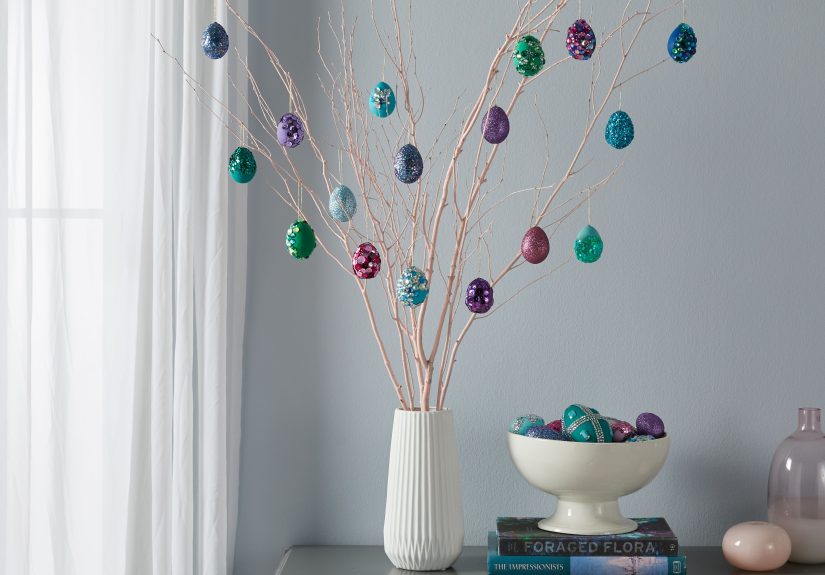
An Easter tree is a decorative arrangement made from branches, a small faux tree, or occasionally an outdoor tree adorned with hanging Easter ornaments. The classic version uses lightweight egg ornaments, but modern variations often include bows, wooden bunnies, paper flowers, butterflies, tassels, beads, and even mini keepsakes.
The tradition is linked to Ostereierbaum, a custom associated with Germany and Austria. In many homes, branches such as willow or birch are displayed indoors in a vase and dressed with decorated eggs. The idea later spread more widely and has become a spring décor favorite in the United States, especially among people who love seasonal decorating that feels handmade and meaningful.
At its core, the Easter egg tree is simple: branches plus ornaments plus spring energy. But like all great decorating ideas, simplicity is what makes it versatile. It works in a modern apartment, a farmhouse kitchen, a traditional dining room, or a house where children have firmly decided that glitter is a personality trait.
Why Easter Trees Feel So Fresh Right Now
Decorated Easter trees are having a well-earned moment because they solve a common decorating problem: how do you make your home feel festive in spring without cluttering every surface with random bunnies? An Easter tree answers that question beautifully. It creates height, draws the eye upward, and gives a room instant seasonal identity.
It also fits perfectly into the broader shift toward intentional seasonal decorating. People are looking for pieces that can function as both holiday décor and everyday beauty. A vase filled with flowering branches already looks elegant. Add hanging eggs, ribbons, or paper butterflies, and suddenly the arrangement becomes an Easter centerpiece with personality.
Another reason for the trend’s appeal is that it blends nostalgia with style. The eggs reference tradition, rebirth, and springtime rituals. The branches feel organic and sculptural. The color palette can go classic pastel, minimalist neutral, cottagecore sweet, or even bold and editorial. In other words, the Easter tree does not force you into one decorating lane. It hands you the steering wheel and says, “Be festive, but make it chic.”
The Meaning Behind the Easter Egg Tree
Part of the Easter tree’s charm comes from what it represents. Eggs have long symbolized new life, renewal, and the arrival of spring. Branches with buds or blossoms add another layer of meaning: growth, awakening, and the visual reminder that winter is finally packing its bags.
This symbolism is one reason the Easter tree feels more substantial than a cute holiday craft. It is decorative, yes, but it also reflects the mood of the season. Spring is about lightness, hope, and fresh starts. A tree covered in delicate ornaments captures that feeling in a way that is playful without being silly.
That emotional layer matters in home décor. The best seasonal styling is not just pretty to look at; it helps a home feel connected to the time of year. A decorated Easter tree does exactly that. It says spring is here, the windows should probably be opened, and maybe your table deserves flowers that are not leftovers from Valentine’s Day.
How to Create a Decorated Easter Tree at Home
1. Start with the right base
You have three easy options: real branches, faux branches, or a small tabletop tree. Real branches offer the most organic beauty, especially when they have buds or blossoms. Faux branches are great if you want a reusable setup that looks polished every year. A small decorative tree works well if you want something more structured and less “I just foraged elegantly.”
Popular branch choices include willow, birch, dogwood, forsythia, cherry blossom, magnolia, and pussy willow. Pick stems with enough strength to hold ornaments without drooping. Height matters, too. You want visual drama, but not so much height that guests at brunch have to peek around your centerpiece like they are at a tennis match.
2. Choose a sturdy container
A heavy vase, crock, bucket, or watering can works beautifully. The arrangement should feel stable, not one sneeze away from disaster. You can anchor branches with gravel, sand, beads, or floral foam. If you are using live branches, add water and treat them like any other fresh arrangement.
3. Keep ornaments lightweight
This is where a lot of Easter tree dreams either soar or collapse. Lightweight ornaments are your best friend. Blown eggshells, faux eggs, wooden eggs, paper ornaments, felt shapes, ribbon bows, tassels, and bead strands all work well. If something seems heavy enough to qualify as gym equipment, it does not belong on the branch.
4. Build a color story
To make the arrangement look intentional, limit your palette. Soft pastels are timeless, but they are not the only option. Try blue and white for a crisp traditional look, blush and cream for something romantic, green and yellow for a garden-inspired palette, or natural wood with white eggs for a Scandinavian feel.
5. Add texture, not chaos
The prettiest Easter trees combine different materials. Matte eggs, satin ribbons, paper flowers, moss at the base, and a few delicate ornaments create visual depth. The goal is layered and charming, not “every craft supply in the county was invited.”
Decorating Styles That Make Easter Trees Look Designer-Worthy
Classic pastel Easter tree
This is the look most people imagine first: soft pink, baby blue, pale yellow, lavender, mint, and white. Pair dyed eggs with satin ribbon and a ceramic bunny nearby, and you have an arrangement that feels timeless and family-friendly.
Natural spring branch tree
Use budding or blooming branches in a stoneware vase, then hang neutral eggs, tiny nests, paper birds, or linen bows. This version feels elevated and organic. It is ideal for people who want seasonal decorating that nods to Easter without turning the room into a marshmallow peep convention.
Vintage-inspired Easter tree
Lean into heirloom charm with floral egg ornaments, lace ribbon, glass beads, and antique-look decorations. Place the arrangement in a vintage tin, ceramic pitcher, or woven basket with a hidden vase inside. This style works especially well in cottage, farmhouse, and traditional homes.
Modern minimalist Easter tree
Yes, even minimalists can have holiday fun. Choose bare branches, a sleek vase, and a restrained palette such as black and white, beige and sage, or soft blush with clear glass accents. A few sculptural eggs are enough. The effect is quiet, clean, and stylish.
Kid-friendly craft tree
Let children decorate paper eggs, pom-pom ornaments, tiny carrots, or bunny cutouts. This version is not about perfection. It is about joy, color, and the kind of family memory that outlasts the candy. Sometimes the most charming tree is the one with a crooked egg, a lopsided bow, and a glitter trail that survives until June.
Where to Display an Easter Tree
The beauty of an Easter tree is that it does not need a dedicated holiday room. It can work almost anywhere:
- Dining table: A smaller tree makes a stunning Easter centerpiece.
- Kitchen island: Perfect for adding height and color to the heart of the home.
- Entryway console: A welcoming first impression for guests.
- Buffet or sideboard: Ideal for brunch spreads and dessert tables.
- Mantel: Adds vertical interest when paired with garlands or spring florals.
- Covered porch: A faux or protected version can bring the theme outdoors.
If you are hosting Easter brunch, the buffet is one of the best places for a decorated Easter tree. It becomes an instant focal point and helps tie together flowers, linens, dishes, and place settings. Suddenly your spread looks coordinated, and people assume you absolutely have your life together.
Why Easter Trees Work Better Than Many Other Holiday Decorations
Holiday décor can be tricky. Some of it is adorable in theory and baffling in practice. The Easter tree succeeds because it is flexible, compact, and beautiful even before you decorate it. Branches in a vase already look like a thoughtful design choice. The ornaments just make the arrangement more festive.
It is also reusable. You can save faux eggs, ribbons, and specialty ornaments for next year, then change the color scheme or container to keep things feeling fresh. Compared with one-use decorations, that makes the Easter tree practical as well as pretty.
Most importantly, it invites participation. Adults can style it. Kids can help decorate it. Guests can admire it. It feels less like a store-bought prop and more like a ritual. That is often the difference between decorations people forget and traditions they repeat.
Decorated Easter Trees and the Experience of Spring at Home
There is something unexpectedly emotional about decorating an Easter tree. The process slows you down in the best way. You clip or arrange the branches, step back, adjust them again, then begin hanging ornaments one by one. It is not rushed decorating. It is attentive decorating. And in a season built around renewal, that feels exactly right.
The experience often begins with the branches themselves. Even before the ornaments go up, they shift the atmosphere of a room. A dining table, kitchen counter, or entryway suddenly feels alive. Add a few eggs, ribbons, or tiny butterflies, and the arrangement starts telling a story. It becomes less about holiday decorating in the narrow sense and more about marking a change in season.
For families, the tree can become a yearly ritual that is every bit as memorable as dyeing eggs. Children love hanging ornaments on branches that are closer to their height than a full Christmas tree. Adults appreciate that the project does not require moving furniture, untangling lights, or having an existential argument about whether the star goes on straight. It is festive, but mercifully low drama.
There is also a tactile pleasure to it. Satin ribbon, matte eggs, rough branches, soft moss, tissue tassels, and glossy ceramic ornaments all create a layered sensory experience. When sunlight hits the arrangement in the morning, the tree feels almost animated. That is one of the reasons people love displaying Easter trees in breakfast nooks, entryways, and on buffet tables. The décor changes with the light, which makes it feel more alive than a static holiday figurine.
Hosting becomes easier, too. A decorated Easter tree instantly makes a gathering feel considered. Set one near the coffee station during brunch, and it quietly upgrades the whole event. Put one in the foyer, and guests arrive already in a spring mood. Place a smaller one on a dessert table, and suddenly cupcakes and lemon bars look like they attended finishing school.
Even if you live alone, an Easter tree can still be deeply satisfying. Seasonal decorating is not only about entertaining others. It is also about creating small moments of delight for yourself. Seeing a bright little tree on a kitchen island while making coffee, or passing a vase of flowering branches in the hallway, can change the tone of an ordinary week. It adds ceremony without requiring a major budget.
That may be the real secret behind the Easter tree trend: it feels special, but it is easy to live with. It does not dominate a room. It does not demand expensive supplies. It simply invites beauty into everyday space. In a world full of loud décor trends and disposable holiday clutter, that kind of charm stands out.
And then there is the memory factor. A handmade ornament from a child, a painted wooden egg from a craft market, a ribbon saved from last year, a ceramic bird picked up during a spring trip; all of these details can return year after year. Over time, the Easter tree becomes less of a decoration and more of a visual scrapbook. It quietly records seasons, gatherings, and small family traditions.
That is why decorated Easter trees resonate so strongly. They are not just pretty. They are personal. They capture the playful side of holiday decorating while still feeling graceful and grown-up. They bring together symbolism, creativity, and home styling in one compact display. And they prove, once and for all, that tree decorating should never have been left to Christmas alone.
Conclusion
Decorated Easter trees are more than a trend. They are a smart, beautiful way to celebrate spring, honor tradition, and make holiday decorating feel fresh again. With just a few branches, lightweight ornaments, and a clear color palette, you can create a display that feels joyful, elegant, and surprisingly personal.
So no, tree decorating is not just for Christmas. Easter has entered the chat, carrying ribbons, blossoms, and tiny eggs like it owns the place. And honestly? It kind of does.