Table of Contents >> Show >> Hide
- First, What Exactly Is a Stomach Ulcer?
- The Fastest Way to Cure a Stomach Ulcer: Treat the Cause
- How Long Does It Take a Stomach Ulcer to Heal?
- Best Foods and Habits While a Stomach Ulcer Heals
- Home Remedies for a Stomach Ulcer: Helpful or Hype?
- When to See a Doctor Quickly
- How Doctors Diagnose a Stomach Ulcer
- Why Follow-Up Matters More Than People Think
- Can a Stomach Ulcer Heal on Its Own?
- The Real Answer: What Is the Fastest Way to Cure a Stomach Ulcer?
- What Recovery Often Feels Like: Common Real-World Experiences
- Conclusion
If you came here hoping for a magic tea, a miracle smoothie, or a grandmother-approved spoonful of something suspiciously bitter, I have good news and bad news. The bad news: there is no instant, one-night cure for a stomach ulcer. The good news: most stomach ulcers can heal, and many can be cured, when you treat the actual cause instead of just trying to quiet the pain for a few hours.
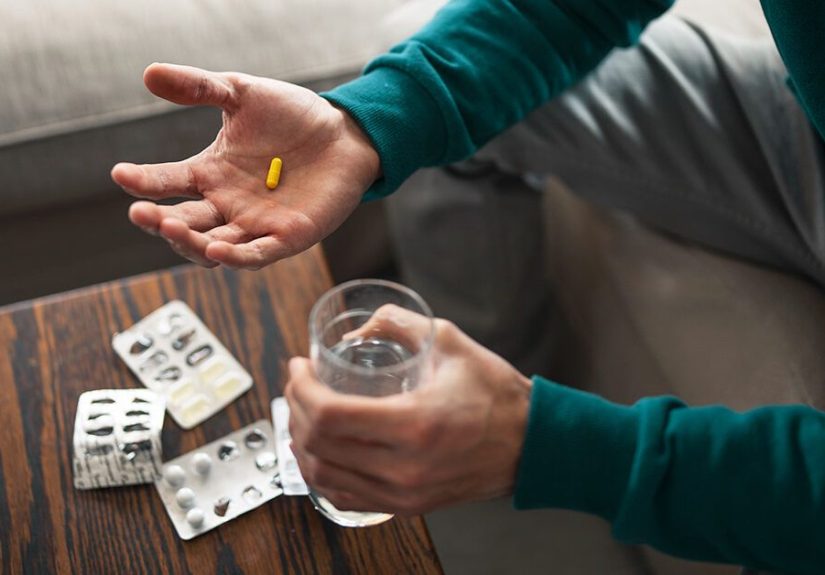
So, what is the fastest way to cure a stomach ulcer? In plain English, it is this: get the right diagnosis quickly, remove the trigger, and start proven treatment right away. For many people, that means treating an H. pylori infection with prescription antibiotics and acid-suppressing medicine. For others, it means stopping or changing NSAID pain relievers like ibuprofen or naproxen and using a proton pump inhibitor, also called a PPI, to help the ulcer heal.
That may sound less glamorous than a viral “stomach ulcer home remedy,” but it is the route that actually works. Your stomach lining would also like a little less drama and a lot more evidence-based care.
First, What Exactly Is a Stomach Ulcer?
A stomach ulcer, also called a gastric ulcer, is an open sore in the lining of the stomach. It belongs to the bigger family of peptic ulcers, which also includes ulcers in the first part of the small intestine, called the duodenum. Common symptoms can include burning or gnawing upper abdominal pain, bloating, nausea, feeling full quickly, belching, and discomfort that comes and goes.
Not everyone gets classic symptoms. Some people have mild signs that they brush off as “just acid,” while others do not realize anything is wrong until the ulcer bleeds. That is why persistent stomach pain, especially if it keeps coming back, deserves more respect than the average bad take on the internet.
The Fastest Way to Cure a Stomach Ulcer: Treat the Cause
The fastest effective treatment depends on why the ulcer formed in the first place. A stomach ulcer is not like a paper cut where you just wait for nature to do its thing. Ulcers usually need targeted treatment.
1. If H. pylori Is the Cause, Eradicate It
Helicobacter pylori, or H. pylori, is one of the most common causes of peptic ulcers. This bacterium damages the stomach’s protective lining and makes it easier for acid to cause injury.
When H. pylori is present, the fastest path to a cure is usually a prescription treatment plan that combines:
- Antibiotics to kill the bacteria
- A proton pump inhibitor to reduce acid and help the sore heal
- Sometimes bismuth or additional medications, depending on the treatment plan
In many cases, treatment lasts about 10 to 14 days, though current gastroenterology guidance often favors 14-day regimens in adults because they are more reliable. The key word here is finish. Stopping antibiotics early because you feel better is like quitting a movie after the villain slips on a banana peel. The story is not over, and the villain may come back angry.
2. If NSAIDs Caused the Ulcer, Stop the Offending Medicine
Another major cause of stomach ulcers is long-term or frequent use of NSAIDs, including aspirin, ibuprofen, and naproxen. These medicines can weaken the stomach’s protective barrier and raise the risk of ulcers and bleeding.
If your ulcer is linked to NSAIDs, the fastest way to improve is often to:
- Stop the NSAID if your clinician says it is safe
- Switch to another pain strategy if needed
- Take a PPI or another acid-reducing medicine as directed
- Use stomach-protective medication if you must remain on NSAIDs
This is one of those moments where “but it is over-the-counter” is not a great defense. Plenty of medicines sold next to cough drops can still bully your stomach lining.
3. Reduce Acid So the Ulcer Can Heal
Whether the cause is H. pylori, NSAIDs, or another less common issue, acid suppression is usually part of the treatment plan. Proton pump inhibitors such as omeprazole, pantoprazole, or similar medicines reduce stomach acid more effectively than casual wishful thinking and allow the damaged tissue to repair itself.
H2 blockers and antacids may also be used in certain situations, but antacids mainly offer short-term symptom relief. They do not cure the ulcer. Milk does not cure it either. It may feel soothing for a minute, but your stomach is not a houseplant that heals with dairy.
How Long Does It Take a Stomach Ulcer to Heal?
This is where expectations need a tiny reality check. Symptom relief can start within days after treatment begins, especially once acid is reduced. But full healing usually takes longer. Many ulcers heal over several weeks, not overnight.
Here is the practical version:
- Some pain relief: often within a few days
- Antibiotic course for H. pylori: often 10 to 14 days
- Tissue healing: commonly several weeks
- Follow-up testing for H. pylori: usually at least 4 weeks after antibiotics are finished
In other words, the fastest way to cure a stomach ulcer is fast treatment, not necessarily fast healing. Those are related, but not identical. Your stomach is still doing biological repair work even after you stop feeling like a dragon lives under your ribs.
Best Foods and Habits While a Stomach Ulcer Heals
Food does not usually cause ulcers, but certain foods and habits can absolutely make symptoms worse. A smart stomach ulcer diet is less about trendy restriction and more about avoiding what irritates you while your stomach calms down.
What to Eat
- Small, balanced meals if large meals worsen pain
- Bland or softer foods during flares, such as oatmeal, rice, bananas, applesauce, toast, soup, yogurt, eggs, potatoes, and lean proteins
- Plenty of fluids unless your clinician tells you otherwise
- Foods you tolerate well, even if they are not “ulcer foods” on some random social post
What to Avoid or Limit
- Alcohol
- Smoking or tobacco use
- NSAID pain relievers unless your clinician says you must take them
- Spicy, acidic, greasy, or highly caffeinated foods if they make symptoms flare
- Huge meals right before bed
Notice the pattern: the goal is not to build a joyless menu of boiled sadness. It is to lower irritation while proven medical treatment does the heavy lifting.
Home Remedies for a Stomach Ulcer: Helpful or Hype?
Let us talk honestly about stomach ulcer home remedies. Some soothing strategies can help you feel better, but they do not replace diagnosis and treatment.
What May Help Symptoms
- Eating smaller meals
- Avoiding trigger foods
- Stopping smoking
- Skipping alcohol
- Managing stress so symptoms feel less intense
- Taking prescribed medicine exactly as directed
What Does Not Cure an Ulcer
- Milk
- Random supplements without medical guidance
- Antacids alone
- Ignoring the pain and hoping your body sorts it out by pure optimism
Stress can worsen how symptoms feel, but stress alone is not the usual root cause of a peptic ulcer. That old myth has hung around longer than it deserves.
When to See a Doctor Quickly
You should not try to “walk off” possible ulcer complications. Get medical help right away if you have:
- Vomiting blood
- Black, tarry, or bloody stools
- Sudden, severe abdominal pain
- Fainting, weakness, or signs of shock
- A hard, rigid, or very tender belly
- Ongoing vomiting or trouble keeping fluids down
These can signal bleeding or perforation, which are emergencies. That is no longer “maybe my lunch disagreed with me.” That is “please go now.”
How Doctors Diagnose a Stomach Ulcer
If your symptoms suggest an ulcer, your healthcare professional may recommend one or more of the following:
- Breath or stool testing for H. pylori
- Upper endoscopy to look directly at the stomach and duodenum
- Biopsy during endoscopy, especially for certain stomach ulcers
Endoscopy becomes more important when alarm symptoms are present, such as bleeding, weight loss, swallowing trouble, ongoing vomiting, anemia, or severe symptoms. If a gastric ulcer is seen, follow-up endoscopy may be recommended to confirm healing, depending on the findings and your clinical situation.
Why Follow-Up Matters More Than People Think
One of the biggest mistakes people make is assuming that once the pain fades, the problem is gone. With H. pylori, follow-up testing matters because the infection may still be there even if you feel much better.
After treatment for H. pylori, clinicians commonly recommend a test of cure using a breath test or stool test. This is usually done at least four weeks after finishing antibiotics, and PPIs often need to be stopped for about two weeks before testing so the results are accurate.
That follow-up step is not medical bureaucracy doing a victory lap. It is how you confirm the ulcer’s main cause has actually been handled.
Can a Stomach Ulcer Heal on Its Own?
Sometimes symptoms ease temporarily, but relying on a stomach ulcer to heal on its own is a risky bet. Untreated ulcers can worsen, bleed, recur, or in some cases cause obstruction or perforation. If H. pylori is the cause, the infection will not usually vanish because you switched to chamomile and positive affirmations.
The fastest, safest strategy is to get evaluated and treat the cause early. That reduces pain, improves healing, and lowers the chance that the ulcer makes an ugly comeback.
The Real Answer: What Is the Fastest Way to Cure a Stomach Ulcer?
Here is the bottom-line answer, without fluff:
- Get checked by a medical professional if ulcer symptoms are persistent or severe.
- Find out whether H. pylori, NSAIDs, or another issue is causing the ulcer.
- Start the right prescription treatment promptly.
- Take every dose exactly as directed.
- Avoid smoking, alcohol, and irritating pain relievers.
- Complete follow-up testing if H. pylori was involved.
If you want the fastest way to cure a stomach ulcer, think less “secret remedy” and more “correct diagnosis plus proven treatment.” It is not flashy, but it is far more effective than taking nutrition advice from a guy on social media whose profile picture is a wolf in sunglasses.
What Recovery Often Feels Like: Common Real-World Experiences
People dealing with a stomach ulcer often describe the experience in ways that sound surprisingly similar, even when the cause is different. One common theme is that the pain is weirdly inconsistent. It may show up as a burning sensation, a gnawing ache, or a dull pressure just under the breastbone. Some people notice it when their stomach is empty. Others feel worse after eating. Many say the most frustrating part is not just the pain itself, but how unpredictable it feels. One day a plain lunch is fine, and the next day a few sips of coffee feel like a terrible life choice.
Another common experience is relief that arrives in stages. After starting a PPI, some people feel noticeably better within a few days. The burning may calm down, sleep may improve, and meals stop feeling like a negotiation. But even then, many patients say they still do not feel “normal” right away. They may have occasional twinges, early fullness, mild nausea, or a nervous fear that every stomach sensation means the ulcer is back. That lingering anxiety is understandable. When your stomach has been rude for weeks, trust takes time.
For people treated for H. pylori, the treatment phase itself can be an adventure. Taking multiple medicines on a schedule is not exactly glamorous, and side effects like a metallic taste, nausea, loose stools, or reduced appetite can make the process feel longer than it is. Many people report that the hardest part is sticking with the full course once symptoms start to improve. That is why routines help. Pill organizers, alarms, and keeping medicines visible can make the difference between “treatment completed” and “I forgot the Tuesday evening dose and then everything became chaos.”
Diet experiences are also highly individual. There is no universal ulcer menu that works for everyone. Some people find that spicy foods, citrus, tomato sauce, alcohol, or energy drinks make symptoms flare immediately. Others tolerate those foods just fine but get discomfort from large meals or late-night snacking. A practical pattern many patients describe is that simple, smaller meals feel easier during recovery. Think oatmeal, rice, toast, soup, bananas, potatoes, yogurt, eggs, and lean proteins. Nothing trendy, nothing dramatic, just food that does not make your stomach file a formal complaint.
Smoking and NSAID use also show up repeatedly in recovery stories. Some people do not realize how much their daily ibuprofen habit or regular smoking may be slowing healing until a clinician points it out. Once the trigger is removed, improvement can feel much steadier. And then comes the final lesson many people learn: even when you feel better, follow-up still matters. Patients are often surprised that doctors want retesting after H. pylori treatment or sometimes repeat endoscopy for a stomach ulcer. But that follow-through is what turns temporary relief into a real cure, which is the whole point.
Conclusion
The fastest way to cure a stomach ulcer is not to chase a trendy hack. It is to identify the cause, start the right medical treatment quickly, avoid things that keep irritating the stomach, and follow through until healing is confirmed. If the ulcer is caused by H. pylori, treating the infection is the shortcut that is actually a shortcut. If NSAIDs are to blame, changing that medication plan can be a turning point. Either way, real improvement usually begins with a proper diagnosis, not a guess.
And yes, your stomach deserves better than “I just kept drinking coffee and hoping for the best.”