Table of Contents >> Show >> Hide
- Why Glass + Concrete Works So Well
- The $100 Game Plan
- Materials and Tools
- Budget Breakdown (Realistic, Not Fantasy)
- Step-by-Step: How to Build the Concrete Base
- Attach the Glass Top (Without Making It Permanent)
- Safety Notes (Read This Like You Like Your Lungs)
- Style Variations That Still Stay Budget-Friendly
- Troubleshooting: Common Problems (and Fixes)
- Care and Maintenance
- Final Thoughts
- of Real-World Build Experiences (What You’ll Likely Run Into)
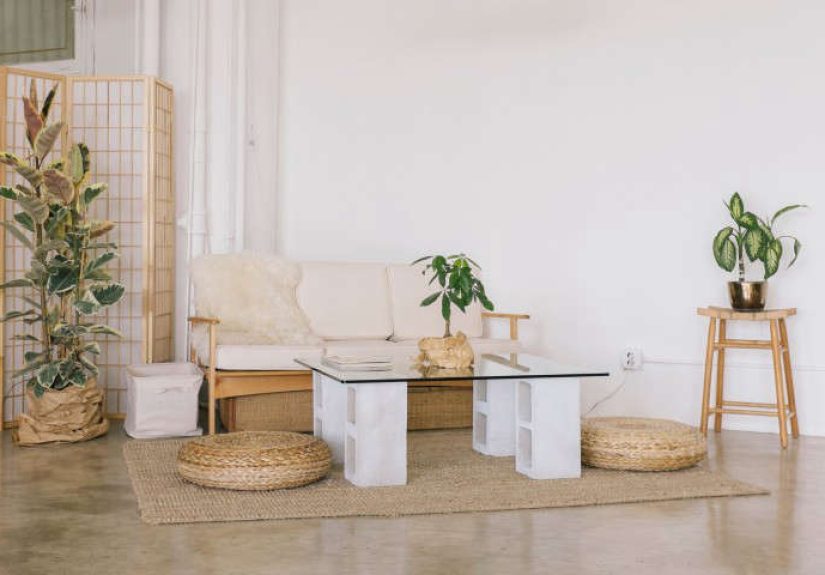
Want a coffee table that looks like it came from a fancy showroombut your budget says “I can’t even look at showroom prices”? Meet the glass and concrete coffee table: modern, sturdy, surprisingly DIY-friendly, and (if you play it smart) totally doable for around $100. The vibe is clean and airy up top, grounded and industrial down belowlike your living room just got a haircut and a promotion.
This guide walks you through an approachable build: a cast concrete pedestal base with a tempered glass tabletop. You’ll get a pro-looking result without needing a full woodshop, a concrete degree, or a truckload of materials. I’ll also show you where the money usually goes, how to avoid rookie mistakes, and how to keep the table safe (because concrete is heavy and glass has feelings).
Why Glass + Concrete Works So Well
Concrete brings visual weight, durability, and that “architectural” look people pay big money for. Glass brings lightness and keeps the table from feeling like a cinder block moved into your living room. Together, they balance each other:
- Modern style: minimalist, industrial, Scandinavian-adjacentpick your aesthetic.
- Practical: glass wipes clean easily; sealed concrete resists everyday spills.
- Customizable: change the base shape, tint the concrete, or swap the glass size to fit your space.
- Budget-friendly: the materials are widely available at U.S. home centers and hardware stores.
The $100 Game Plan
The fastest way to blow the budget is ordering custom everything. The fastest way to keep the budget is designing around common sizes and common materials.
Design Option That Hits the Sweet Spot
Build a round “ring” pedestal base (hollow center) instead of a solid cylinder. You get the same look with: less concrete, less weight, and fewer dollars. Then set a round tempered glass top on clear bumpers or suction cups.
Example Dimensions (Adjustable)
- Glass top: 30–32 inches round, 3/8 inch thick (common coffee table size)
- Concrete base: ~16 inches outside diameter, ~12 inches inside diameter, ~14 inches tall
Those proportions look “designer” while staying stable. If you want a lower table, drop the base height. If you want a bigger top, increase the base diameter so it doesn’t look like a lollipop.
Materials and Tools
Materials
- Tempered glass tabletop (round or rectangular; polished edge recommended)
- Concrete mix (countertop mix is ideal; high-strength concrete mix also works)
- Form tube(s): Sonotube or similar (one larger tube for the outside, one smaller for the hollow center)
- Base platform: melamine board or smooth plywood (melamine releases cleaner)
- Fasteners/tape: duct tape, painter’s tape, screws (depending on your form method)
- Form release: a dedicated release agent, paste wax, or light oil (test first)
- Optional reinforcement: wire mesh or fibers (helpful, not always required for a thick pedestal)
- Finishing supplies: sandpaper (wet/dry), rubbing stone, patch slurry ingredients
- Concrete sealer: penetrating sealer or countertop-rated sealer
- Glass supports: clear rubber bumpers or tabletop suction cups
- Optional feet: rubber pads or leveling feet (nice if your floor is moody/uneven)
Tools
- Bucket and mixing paddle (or wheelbarrow and hoe)
- Measuring cup for water
- Rubber mallet (or a sander you can run against the form to vibrate)
- Trowel/float (even a scrap of wood works for basic leveling)
- Utility knife + saw (for cutting form tubes)
- Gloves, safety glasses, and a dust mask/respirator (more on safety below)
Budget Breakdown (Realistic, Not Fantasy)
Prices vary by location and season, but here’s a typical breakdown that keeps you near the $100 target:
| Item | Typical Cost Range (USD) | Budget Tip |
|---|---|---|
| Tempered glass top (30–32″) | $35–$70 | Shop standard sizes, local glass shops, or online “tabletop” listings. |
| Concrete mix (1–2 bags) | $12–$30 | Ring base uses less than a solid base. Don’t buy “extra” just for comfort. |
| Form tubes / mold materials | $10–$25 | Use offcuts, reuse tubes, or ask a contractor friend for leftovers. |
| Sealer + bumpers | $10–$25 | Small bottles go a long way on one table. |
If you already have basic tools, you’re in great shape. If not, borrow what you canthis project is a perfect “tool borrowing” candidate.
Step-by-Step: How to Build the Concrete Base
Step 1: Plan the Size (and the Weight)
Concrete is heavy. That’s not a “fun fact,” that’s a “plan your life around it” fact. A quick estimate: hardened concrete is roughly 150 lb per cubic foot. So even a modest base can hit 60–120 lb. Build somewhere you can safely lift, flip, and cure it without wrestling it through a narrow hallway like a sitcom moving scene.
Pro tip: If you’re under 18, get an adult to help with lifting and any power tools. This is not a project for solo heroics.
Step 2: Source the Glass Top First
Buy (or order) the glass before you finalize the base. Your base should be designed to fit the topnot the other way around. For coffee tables, tempered glass is the smart choice for safety, and a polished edge feels finished.
- Thickness: 1/4″ can work for smaller tops, but 3/8″ is a common “feels solid” upgrade.
- Shape: round tops are forgiving; rectangular tops require better alignment and anti-slip support.
- Finish: clear keeps the room airy; smoked/gray adds drama (and hides fingerprints… a little).
Step 3: Build the Ring Form (Hollow Pedestal)
You’ll create an outer tube and an inner tube, centered, to make a “donut” of concrete. The easiest form method is using two cardboard form tubes (one inside the other).
- Cut the tubes to the same height (example: 14″). Use a straight guide line so the top edge is level.
- Create a smooth base using melamine board or a slick surface. Tape seams so wet concrete can’t sneak out.
- Center the inner tube inside the outer tube. Use scrap wood blocks or foam spacers to keep the gap even.
- Seal the bottom edge where tubes meet the base with caulk or heavy tape. Leaks are not “character.”
- Apply release agent inside both tubes so demolding doesn’t turn into a wrestling match.
Want a cleaner edge at the top? Run a small bead of silicone caulk along the inside corner where the tube meets the base and smooth it. That gives a slightly rounded edge instead of a sharp, chip-prone one.
Step 4: Mix and Pour the Concrete
Mix according to the bag directions. With concrete, the biggest beginner mistake is adding too much water “to make it easier.” That often makes the final piece weaker and more prone to surface issues.
- Measure water and add gradually.
- Mix thoroughly until it’s consistentno dry pockets, no soup.
- Pour in lifts (a few inches at a time) to reduce air pockets.
- Consolidate the mix by tapping the form with a rubber mallet, or running an orbital sander (no sandpaper) against the outside.
- Strike off the top level with a straight edge. Smooth lightlydon’t overwork it.
Step 5: Cure Like You Mean It
Curing is where concrete gets its strength. Don’t rush it. Cover the top with plastic to hold moisture in, and keep it in a stable spot out of direct sun and wind.
- First 48–72 hours: keep it covered and undisturbed.
- Demold timing: you can often remove forms after a couple days, but handle gentlyfresh concrete can still chip.
- Full cure: concrete continues gaining strength for weeks; many products reference a 28-day cure for “fully cured.”
Step 6: Demold and Finish the Surface
Carefully remove the tubes. If it sticks, don’t pry aggressivelywork slowly and peel. Expect some small pinholes. That’s normal and fixable.
Option A: Keep It Matte and Minimal
Light wet-sanding with progressively finer grit can soften sharp spots and clean up minor imperfections while keeping a natural, stone-like finish.
Option B: Fill Pinholes for a Smoother Look
Mix a simple slurry (cement + water, or cement + acrylic fortifier) to a toothpaste consistency and rub it into tiny voids. Let it set, then wet-sand. You’re basically doing skincare for concrete.
Step 7: Seal the Concrete
Sealing helps with stain resistanceespecially if your coffee table will meet real-life hazards like iced coffee rings and pizza grease. Follow the sealer’s directions. Some sealers want the concrete older/drier than others.
- Penetrating sealers: more natural look, generally easier to maintain.
- Topical sealers/coatings: can add sheen and stronger barrier protection, but may scratch and need re-coating.
Attach the Glass Top (Without Making It Permanent)
The safest and most practical approach is to avoid gluing the glass permanently. Use clear rubber bumpers or tabletop suction cups to prevent sliding and protect the glass.
- Clean the top of the concrete base and the underside of the glass.
- Place 4–6 bumpers evenly around the contact area (more for larger tops).
- Set the glass down gently and confirm it doesn’t rock.
- If it slides on smooth sealers, switch to suction-style bumpers for extra grip.
Safety Notes (Read This Like You Like Your Lungs)
Concrete dust can contain respirable crystalline silica, which is hazardous when airborne. Whenever you sand, grind, or cut anything cement-based:
- Use wet methods for sanding/polishing when possible to reduce dust.
- Wear a proper respirator (not just a flimsy paper mask) if dust is present.
- Clean up with a HEPA vacuum or wet cleanupavoid dry sweeping.
- Wear gloves and eye protection; wet concrete can irritate skin.
- Lift smart: concrete bases are heavy. Get help and protect floors.
Style Variations That Still Stay Budget-Friendly
1) “Terrazzo-ish” Concrete
Add a small amount of decorative aggregate (like glass pieces or colored stone) to the mix, then sand/polish to expose it. Instant boutique lookwithout boutique pricing.
2) Two-Tone Base
Paint the inside of the ring base (after curing and sealing) for a subtle surprise color when you walk by. It’s like your table has an inner personality.
3) Smoked Glass + Warm Concrete
Smoked/gray tempered glass can make the table feel more upscale. Pair it with a warm gray concrete (or a light tint) and you’re basically one candle away from a catalog cover.
Troubleshooting: Common Problems (and Fixes)
“My concrete has tiny holes!”
Totally normal. Use slurry to fill pinholes, then wet-sand. Next time, vibrate the form more and pour in thinner lifts.
“There’s a hairline crack.”
Hairline cracks can happen from shrinkage, fast drying, or temperature swings. Cure under plastic and avoid direct sun/wind early on. If it’s purely cosmetic, sealing often makes it less noticeable.
“The glass slides too easily.”
Swap to suction bumpers, add more bumpers, or lightly roughen the contact area (carefully) before resealing. The goal is grip without scratching.
Care and Maintenance
- Glass: use a microfiber cloth and a gentle cleaner to reduce streaks.
- Concrete: wipe spills quickly, especially acidic liquids (coffee, citrus, vinegar-based stuff).
- Reseal when needed: if water stops beading, it’s probably time to refresh the sealer.
- Use coasters anyway: not because you have tobecause you’re a civilized adult (or an ambitious future one).
Final Thoughts
A DIY glass and concrete coffee table hits that rare intersection of affordable, durable, and “waityou made that?” If you take your time on the form, measure water carefully, and cure patiently, you’ll end up with a table that looks expensive and holds up to real life.
of Real-World Build Experiences (What You’ll Likely Run Into)
Here’s the part no one tells you in the dreamy “before-and-after” photos: the concrete stage is a little like baking bread easy ingredients, surprisingly emotional process. The first thing you’ll notice is how fast your confidence rises when the form looks clean and centered. You’ll be standing there thinking, “Wow, I’m basically a builder now.” Then you start mixing.
Mixing concrete has a personality. At first it seems too dry, so you’ll be tempted to splash in extra water like you’re saving a thirsty plant. Resist that urge. The better move is adding small amounts, mixing thoroughly, and trusting the process. The mix usually goes from “dry oatmeal” to “workable” in a short windowespecially if you’re using a countertop mix designed to flow. When it finally loosens up, it feels like a tiny victory. Celebrate quietly. You still have to pour.
Pouring into a ring form is where you learn the magic of vibration. The first few taps on the form might not look like they’re doing anything. Thensuddenlyyou see little air bubbles rise and pop, and you realize you’re literally convincing trapped air to leave your project. It’s oddly satisfying. If you skip this step, the concrete tends to “keep the receipts” by leaving pinholes and voids that show up later. You can fix pinholes with slurry, but it’s much nicer to prevent them in the first place.
Curing is the patience test. The base will look “done” long before it’s actually ready. You’ll want to demold early, just to peek. But early demolding is when edges chip and corners bruise. The best experience is when you cover it with plastic, walk away, and let hydration do its slow, strength-building thing. If you’re the type who checks the oven light every three minutes, this part is character development.
The first time you demold successfully, it feels like you just pulled off a magic trick. The form peels away, and there’s your basesolid, clean, and way more “real furniture” than you expected. You’ll almost always find a few imperfections. That’s normal. The experience of wet-sanding is surprisingly calming, like polishing a stone you found on a beachexcept it’s heavy and you probably didn’t find it on a beach. (Unless your beach is made of concrete. In that case, congratulations on your extremely modern shoreline.)
Sealing is where the piece starts looking finished. The color deepens slightly, the surface gets more uniform, and suddenly it looks intentional. Then you place the glass top and the whole design snaps into focus. The glass makes the base feel lighter, and the base makes the glass feel substantial. The final experience is realizing you can build something that looks expensive using simple materials, careful steps, and a little patience. Also: you’ll never look at a $900 coffee table the same way again.