Table of Contents >> Show >> Hide
- Do Moths Bite Humans?
- Can Any Moths Bite?
- Why Do People Think Moths Bite?
- Are Moths Dangerous?
- What Does a Moth-Related Rash Look Like?
- Do Clothes Moths Bite?
- Do Pantry Moths Bite?
- How to Tell If Moths Are the Real Problem
- How to Prevent Moth Problems at Home
- Natural Moth Repellents: Helpful or Hype?
- What to Do If a Moth Lands on You
- When Should You Call a Professional?
- Common Myths About Moths and Bites
- Experiences Related to “Do Moths Ever Bite? What You Need to Know”
- Final Takeaway: Do Moths Ever Bite?
Moths have a strange talent for looking mysterious without doing much of anything. One minute, your porch light is hosting a tiny winged dance party. The next, a dusty little moth is bouncing around your living room like it forgot how doors work. Naturally, many people wonder: do moths ever bite?
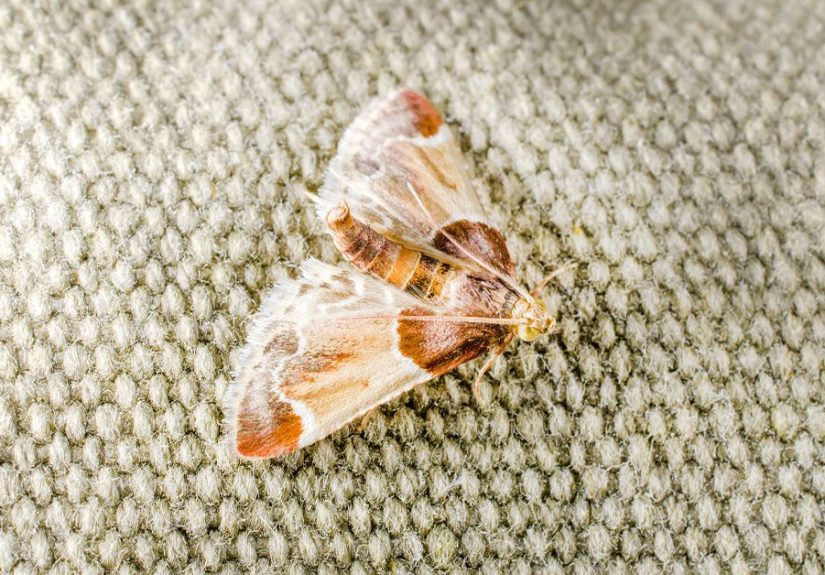
The simple answer is: most adult moths do not bite people. In fact, many adult moths are physically unequipped for the job. They do not have the kind of biting mouthparts mosquitoes, fleas, ants, or bedbugs use to pierce skin. Many adult moths sip nectar, fruit juice, tree sap, or nothing at all during their short adult lives. So if a moth lands on your arm, it is almost certainly not sizing you up like a midnight snack.
Still, the full answer has a few interesting twists. Some moth larvae can irritate skin. Clothes moth larvae can chew through natural fabrics. Pantry moths can infest food packages. A few rare moth species in the world are capable of piercing skin, although this is not something most people in the United States will ever encounter. In other words, moths are usually not biters, but they can still be annoying roommates.
Do Moths Bite Humans?
In everyday life, adult moths do not bite humans. The moth fluttering near your lamp, closet, garage, or porch light is not trying to attack you. Most adult moths have a proboscis, which is a long, tube-like feeding structure used for sipping liquids. Think of it less like teeth and more like a tiny straw. A straw may be useful for nectar, but it is not exactly terrifying in a street fight.
Many adult moths also have reduced or nonfunctioning mouthparts. Their adult stage is mostly about mating and laying eggs, not eating your arm. This is why the common fear of a “moth bite” is usually based on mistaken identity. A person may notice a moth in the room, later see a red bump, and connect the two. But the real culprit may be a mosquito, flea, bedbug, mite, spider, carpet beetle larva, or a skin reaction unrelated to insects at all.
Can Any Moths Bite?
There are rare exceptions. A group of moths known as Calyptra, sometimes dramatically nicknamed “vampire moths,” can pierce the skin of mammals. Some species have a modified proboscis that can puncture fruit and, in unusual cases, animal or human skin. That sounds like the plot of a low-budget horror movie, but the important detail is that these moths are not the common household moths most people see.
For the average person in a U.S. home, a moth bite is highly unlikely. The moths most often found indoors are clothes moths, pantry moths, or outdoor moths that wandered inside by accident. These are not interested in feeding on people. If you wake up with itchy bumps, the moth on the wall is probably innocent. It may look guilty, but it does not have the equipment.
Why Do People Think Moths Bite?
The idea that moths bite usually comes from three common situations: skin irritation from moth larvae, fabric damage from clothes moths, and confusion with other pests. Let’s separate the suspects.
1. Moth Larvae Can Irritate Skin
Some moth caterpillars have tiny hairs, spines, or bristles that can irritate human skin. This reaction is not a bite. It is usually contact irritation caused by hairs or chemicals from the caterpillar. The result may look like a rash, itchy bumps, redness, swelling, or hives.
This is why handling fuzzy caterpillars is not a great idea, even if they look like tiny walking eyebrows. Some are harmless, but others can cause an uncomfortable skin reaction. Children and curious adults often learn this the itchy way.
2. Clothes Moth Larvae Chew Fabric, Not People
If you pull out a wool sweater and find mysterious holes, adult moths are not the guilty party. The real troublemakers are clothes moth larvae. These tiny caterpillars feed on animal-based materials such as wool, fur, feathers, silk, felt, and sometimes blended fabrics if they contain natural fibers or food stains.
They are especially attracted to dark, undisturbed places and fabrics with sweat, body oils, food spills, or other organic residue. So yes, moth larvae may destroy your favorite sweater. No, they are not biting you personally. They are biting your wardrobe, which can still feel personal if the sweater was expensive.
3. Other Bugs May Be Blamed on Moths
Many insects can cause bites or skin irritation indoors. Mosquitoes, fleas, bedbugs, mites, ants, and certain beetle larvae are more likely suspects than moths. Carpet beetle larvae, for example, do not bite people, but their tiny hairs may irritate skin and their fabric damage can be mistaken for clothes moth activity.
If you see moths and also have itchy bumps, inspect the situation carefully. Are the bumps in lines or clusters? Are they appearing after sleep? Do pets seem itchy? Are there tiny dark spots on bedding? Are natural fabrics showing holes? The answers can help point toward the real cause.
Are Moths Dangerous?
Most moths are not dangerous to people. They do not spread disease the way mosquitoes or ticks can. They are not aggressive. They do not chase humans, despite their excellent ability to fly directly into your face at the least convenient moment.
The main problems associated with moths are property damage, food contamination, and occasional skin irritation from caterpillars. Clothes moth larvae can damage fabrics. Pantry moth larvae can infest dry goods like grains, cereal, flour, rice, nuts, birdseed, pet food, and dried fruit. Some caterpillars can cause rashes if touched. These issues are annoying, but they are usually manageable with cleaning, storage, and prevention.
What Does a Moth-Related Rash Look Like?
A rash from a moth caterpillar may appear as red, itchy, raised, or irritated skin. Some people develop small bumps, welts, or a stinging sensation. The reaction depends on the species, the amount of contact, and the person’s sensitivity. Most mild reactions improve with simple care, such as washing the area, avoiding scratching, using a cool compress, and keeping the skin clean.
However, severe reactions should be taken seriously. Seek medical advice if a rash spreads quickly, becomes very painful, shows signs of infection, or comes with symptoms like trouble breathing, swelling of the face or throat, dizziness, fever, or vomiting. Those symptoms are not typical of ordinary moth contact and need professional attention.
Do Clothes Moths Bite?
Adult clothes moths do not bite people. They are small, usually beige or buff-colored, and they tend to avoid light. Unlike the big dramatic moths that slam into porch bulbs, clothes moths prefer quiet, dark corners. If they had a social media bio, it would probably say: “Introvert. Loves closets. Hates attention.”
The larvae are the damaging stage. They feed on materials containing keratin, a protein found in animal fibers. Wool coats, cashmere sweaters, silk scarves, fur trim, feather pillows, wool rugs, and upholstered furniture can all become targets. Damage may appear as irregular holes, thinning patches, silk webbing, tiny cases, or gritty debris.
Do Pantry Moths Bite?
Pantry moths do not bite humans either. The most common issue is contamination of stored foods. Their larvae may leave webbing, shed skins, and waste inside dry food packages. If you open a bag of flour and see web-like clumps or tiny larvae, congratulations: your pantry has become a nursery, which is not the kind of home renovation anyone requested.
To manage pantry moths, discard infested food, clean shelves thoroughly, vacuum cracks and corners, and store dry goods in airtight containers. Glass, hard plastic, and metal containers are better than loosely folded bags or thin cardboard boxes. Pantry moths are persistent, but they are not invincible.
How to Tell If Moths Are the Real Problem
Start by identifying the evidence. If the issue is itchy skin, look for insects that actually bite or irritate people. Check bedding, pets, carpets, and furniture. If the issue is holes in clothing, focus on fabric pests. If the issue is webbing in food packages, inspect the pantry.
For clothing damage, look in dark storage areas: closets, drawers, garment bags, under furniture, attic boxes, and the edges of wool rugs. Clothes moth larvae often avoid bright, open spaces. For pantry problems, inspect forgotten dry goods at the back of shelves. Old cereal, expired flour, birdseed, and pet treats can quietly become moth headquarters.
How to Prevent Moth Problems at Home
The best moth control strategy is boring but effective: clean, inspect, store, and repeat. Moths thrive where items sit untouched for long periods. Regular movement and cleaning interrupt their cozy little empire.
Clean Before You Store
Wash or dry-clean woolens and other natural-fiber clothing before long-term storage. Food stains, sweat, and body oils make fabrics more attractive to larvae. A clean sweater sealed in a storage container is much less inviting than a forgotten scarf with last winter’s coffee splash still on it.
Use Airtight Storage
Store vulnerable clothing in sealed containers or garment bags. For pantry goods, transfer dry foods into airtight containers. This limits access and makes infestations easier to spot before they spread.
Vacuum Hidden Areas
Vacuum closets, baseboards, under furniture, rug edges, shelves, and storage corners. Eggs, larvae, lint, hair, and food crumbs can collect in these spots. Empty the vacuum contents outside or into a sealed trash bag when dealing with an infestation.
Be Careful With Mothballs
Mothballs are pesticides, not casual air fresheners. They release fumes that can be harmful if used incorrectly. They should only be used according to label directions, typically in sealed containers and away from children, pets, food, and living spaces. If you can smell mothballs strongly in a room, that is a sign of exposure, not protection.
Natural Moth Repellents: Helpful or Hype?
Cedar blocks, lavender sachets, and herbal repellents may help discourage moths in some situations, but they should not be treated as magic shields. Their scent fades, and they do not reliably kill eggs or larvae. They work best as part of a broader prevention plan that includes cleaning, inspection, and sealed storage.
Cedar chests and cedar blocks are popular because they smell nicer than mothballs and feel more natural. However, cedar oils lose strength over time. Light sanding may refresh cedar surfaces, but even then, cedar is not a substitute for proper cleaning and storage.
What to Do If a Moth Lands on You
Do not panic. A moth landing on you is usually just confused navigation. Moths are attracted to light and may also respond to sweat, salt, or moisture. Gently brush it away or guide it outside with a cup and paper. There is no need for dramatic battle music.
If you touched a caterpillar or fuzzy moth larva and your skin feels irritated, wash the area with soap and water. Avoid rubbing, because that can push tiny hairs deeper into the skin. A cool compress may help reduce discomfort. If symptoms are severe or unusual, contact a healthcare professional.
When Should You Call a Professional?
For a small number of moths, do-it-yourself cleaning and storage changes often solve the problem. But professional pest control may be helpful if you keep finding larvae, if expensive wool rugs or stored garments are being damaged, or if pantry moths return after repeated cleaning.
A professional can help identify whether you are dealing with clothes moths, pantry moths, carpet beetles, or another pest entirely. Correct identification matters. Treating pantry moths like clothes moths is like bringing a snow shovel to a beach cleanup: enthusiastic, but not useful.
Common Myths About Moths and Bites
Myth: All Moths Eat Clothes
False. Only certain moth larvae damage fabrics. Most moth species live outdoors and have no interest in your closet. The large moth near your porch light is not planning a cashmere heist.
Myth: Adult Moths Make Holes in Sweaters
False. Adult clothes moths reproduce, but their larvae do the chewing. If you see adult clothes moths, it may mean larvae are nearby or have already been feeding.
Myth: Moth Dust Is Poisonous
Moth wings are covered with tiny scales, which can look like dust. For most people, touching a moth is not dangerous. Still, it is best to avoid rubbing your eyes after handling insects and to wash your hands afterward.
Myth: Mothballs Are Safe Anywhere
False. Mothballs are regulated pesticide products and should be used only as directed. Tossing them around a room, attic, yard, or garden is unsafe and may be illegal depending on the use.
Experiences Related to “Do Moths Ever Bite? What You Need to Know”
One of the most common real-life experiences starts with a closet mystery. Someone reaches for a wool sweater in November and finds three tiny holes near the sleeve. The first suspect is usually the adult moth seen flying around the bedroom. But after a closer look, the story changes. The flying moth was only the visible clue. The real damage came from larvae feeding quietly in a dark drawer or storage box. The solution is not swatting every moth in sight; it is washing vulnerable garments, vacuuming the closet, checking nearby wool items, and storing clean pieces in sealed containers.
Another familiar experience happens in the kitchen. A person opens a bag of rice or cereal and sees silky webbing near the top. A small moth may flutter out of the cabinet, creating the immediate feeling that breakfast has betrayed you. Pantry moths do not bite, but they do make food unpleasant and unsafe to keep. In this situation, people often learn that one forgotten package can spread the problem. The practical fix is to inspect every dry good, throw away infested items, clean shelf cracks, and move future staples into airtight containers.
Some people also experience skin irritation and blame moths because a moth was nearby. In many cases, the actual issue is a mosquito, flea, mite, or bedbug. But there are situations where moth relatives are involved, especially if someone touched a caterpillar outdoors. A fuzzy caterpillar on a garden chair, tree branch, or porch railing can leave irritating hairs on the skin. The rash may feel like a bite, but it is really a contact reaction. Washing the skin, avoiding scratching, and monitoring symptoms are usually the first steps.
Parents often run into the “cute caterpillar problem.” A child finds a fuzzy caterpillar and wants to hold it. It looks soft, slow, and harmless, like nature’s tiny pipe cleaner. But some caterpillars can cause itching or stinging. A good rule is simple: admire caterpillars with your eyes, not your fingers. This keeps the child safe and the caterpillar unbothered, which is a rare win-win in the insect world.
Homeowners also discover that moth prevention is more about habits than panic. Regular vacuuming, clean storage, sealed pantry containers, and seasonal clothing checks are usually more effective than waiting until moths become a full-blown household drama. The goal is not to fear moths. It is to understand them. Most moths are harmless night flyers. A few are household pests. Their larvae can be destructive, and some caterpillars can irritate skin. But as human enemies go, moths are less “monster movie villain” and more “tiny confused roommate with poor boundaries.”
Final Takeaway: Do Moths Ever Bite?
Most moths do not bite humans. The adult moths found around homes usually cannot pierce skin and have no reason to try. When people talk about moth bites, they are often dealing with caterpillar irritation, fabric damage from clothes moth larvae, pantry moth infestations, or bites from a different insect.
The smartest approach is calm identification. If your skin is irritated, look beyond moths and consider other pests or medical causes. If your clothes have holes, inspect for larvae and clean storage areas. If your pantry has webbing, remove infested foods and seal future dry goods. Moths may be mysterious, but once you understand their habits, they become much easier to manage.
So the next time a moth flutters dramatically across your living room, relax. It is probably not there to bite you. It is more likely lost, attracted to the light, and making questionable flight decisions. Honestly, relatable.