Table of Contents >> Show >> Hide
- What Exactly Is a Dog House With Balcony?
- Is a Balcony Dog House Right for Your Dog?
- The Golden Rules of a Great Dog House With Balcony
- Balcony & Access Design: Safety Without Killing the Aesthetic
- Weatherproofing That Doesn’t Turn Into a Science Project
- Insulation, Bedding, and Climate Control (Without Overcomplicating It)
- Materials Checklist: Practical, Durable, Not Fancy-for-the-Sake-of-Fancy
- A Simple Build Approach (DIY Overview)
- Buying Instead of Building: What to Look For
- Common Mistakes (So You Don’t Build a Very Cute Problem)
- FAQ
- Real-World Experiences: What Owners Learn After Going “Doghouse Penthouse” (Extra )
- Conclusion
Somewhere between “basic backyard shelter” and “my dog has better real estate than I do” lives the dog house with balcony. It’s a raised doghouse design that adds an upper deckpart lookout tower, part nap patio, part “neighborhood watch (but make it fluffy).” Done right, it’s not just cute. It can be safer, drier, and more comfortable than a flat-on-the-ground boxespecially when you build with weather, ventilation, and your dog’s body in mind.
In this guide, we’ll break down what makes a balcony dog house actually work: smart sizing, solid materials, safe access, easy cleaning, and climate-friendly features (so your dog isn’t sweating in July or reenacting an arctic expedition in January). We’ll also cover what to avoidbecause “balcony” should never mean “tiny rooftop danger zone.”
What Exactly Is a Dog House With Balcony?
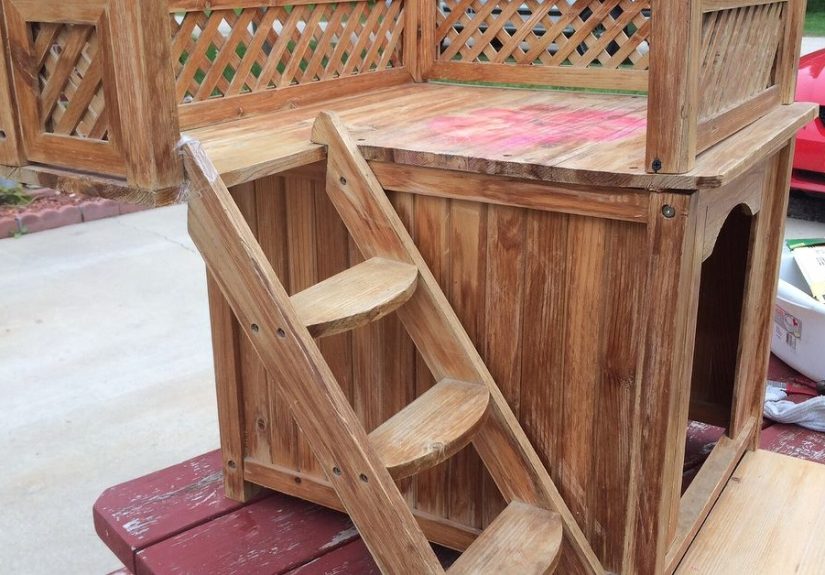
A dog house with balcony is typically a raised shelter with a flat or partially covered platform above it. The lower level is the enclosed sleeping area. The upper level is the balcony (also called a deck, porch roof deck, or lookout platform). Some designs are truly “two-story,” with an interior second levelthose can work, but they’re more complex and usually unnecessary for most dogs.
Why people build them
- Comfort: Raised floors help keep the interior drier and reduce ground chill.
- Enrichment: Dogs like elevated vantage pointshello, balcony naps and squirrel surveillance.
- Better airflow: An elevated structure can help with moisture control when paired with smart vent placement.
- Curb appeal: Let’s be honestthis is also about the vibe.
Is a Balcony Dog House Right for Your Dog?
Not every dog wants (or should have) an upstairs patio. A balcony is a win when your dog enjoys lounging outside, stays outdoors for supervised periods, and can safely climb up and down. It’s less ideal for dogs with mobility issues, very young puppies still learning coordination, or dogs who treat heights like a personal invitation to parkour.
Best fits
- Dogs who like to perch and watch the yard
- Medium to large dogs that handle ramps confidently
- Outdoor time is supervised and the dog has shade/water access
Consider skipping or modifying the balcony if…
- Your dog is a senior, has arthritis, or struggles with stairs/ramps
- Your dog is anxious, clumsy, or a legendary escape artist
- Your climate is extreme and your dog is outdoors often (a simpler, highly insulated shelter may be safer)
The Golden Rules of a Great Dog House With Balcony
1) Size the interior for comfort (and warmth)
A common mistake is building a doghouse like a studio apartment for a Great Dane: roomy, airy, and impossible to warm. The interior should be big enough for your dog to stand, turn around, and lie down comfortably, but not so large that it can’t hold body heat in cold weather. If you live somewhere hot, you’ll balance that with more ventilation and shade.
2) Raise the floor (a little) and keep it dry (a lot)
Elevating the doghouse even a few inches helps reduce moisture and keeps bedding from turning into a cold, damp sponge. Place it on a well-drained spot and consider adding a slight floor slope or a weather lip at the entrance to discourage puddles inside.
3) Vent high, block drafts low
Ventilation matters year-round. You want airflow near the roofline to reduce humidity and heat buildup, but you don’t want a wind tunnel blasting your dog at floor level. Think: fresh air up top, cozy down low. Adjustable vents or small, protected openings are especially helpful in climates with both hot summers and cold winters.
4) Make the balcony safe enough for a toddler… who can sprint
Dogs are athletic, yes. Dogs are also occasionally confident to the point of hilariously bad judgment. Your balcony should have a non-slip surface, a secure railing (if the height calls for it), and an access route that doesn’t require a leap of faith.
Balcony & Access Design: Safety Without Killing the Aesthetic
Ramp vs. stairs
Ramps are generally easier on joints and safer for many dogs. Add cleats (small horizontal strips) for grip, and keep the slope gentle. Stairs can work for agile dogs, but they need consistent step height and good traction. Either way, avoid smooth, glossy surfaceswet paws + polished wood = cartoon slip sound.
Balcony surface
- Traction: Use textured outdoor decking, exterior paint with grit additive, or rubberized matting (secured so it can’t be chewed loose).
- Drainage: Slight gaps between deck boards help water escape instead of pooling.
- Shade option: A small canopy, roof overhang, or partial awning can turn the balcony into a usable space in summer.
Railings: when they matter
If the balcony is more than a low platform, consider a railing that prevents accidental falls while still allowing visibility. For tiny dogs, pay attention to gap spacing (no head-through situations). For big dogs, focus on sturdiness (leaning is a sport).
Weatherproofing That Doesn’t Turn Into a Science Project
Roof and overhang
A sloped roof with a generous overhang helps throw rain away from the entrance and walls. Outdoor roofing options often include shingles, metal panels, or adhesive roofing products designed for water resistance. A roof that opens or lifts can make cleaning dramatically easierbecause eventually, you’ll want to remove old bedding and do a wipe-down without crawling inside like you’re exploring a furry cave.
Seal the outside, keep the inside dog-safe
Use exterior-grade finishes on the outside for durability, but avoid strong odors and harsh chemicals on interior surfaces. If your dog chews wood, don’t use anything questionable where teeth might linger. When in doubt, keep the interior simple: smooth surfaces, no exposed insulation, and easy-to-clean panels.
Doorway: small changes, big comfort
In colder or windy areas, a flexible door flap can reduce drafts while still letting your dog come and go easily. The shelter should be draft-free and dry, and the doorway is usually the biggest leak in that “warm air budget.”
Insulation, Bedding, and Climate Control (Without Overcomplicating It)
Cold climates
If your dog must spend time outdoors in cold weather, prioritize a dry, insulated shelter and ensure water doesn’t freeze. Many animal-care organizations emphasize keeping pets inside whenever possible, but if outdoor shelter is necessary, it needs to be weatherproof, elevated, and appropriate for the conditions.
For bedding, straw is often recommended for outdoor shelters because it helps insulate and doesn’t hold moisture the way fabric can. Replace bedding regularly and keep it clean and dry.
Hot climates
Heat is a bigger risk than many people realizeespecially in direct sun. Place the doghouse in shade, increase ventilation, and make sure your dog always has access to fresh water. A balcony can be great here if it offers airflow and shade, but terrible if it becomes a rooftop skillet.
Materials Checklist: Practical, Durable, Not Fancy-for-the-Sake-of-Fancy
- Framing: 2×2 or 2×4 lumber (depending on size and weight needs)
- Walls: Exterior-grade plywood or siding panels
- Floor: Exterior plywood + sealed surface; raised on skids/feet
- Balcony decking: Deck boards or exterior plywood with traction treatment
- Roofing: Shingles, metal, or adhesive roofing product
- Hardware: Exterior-rated screws, hinges (for clean-out roof), corner brackets for reinforcement
- Extras: Vent covers, door flap, weather stripping (used thoughtfully), removable bedding tray
A Simple Build Approach (DIY Overview)
If you’re DIY-inclined, you can think of this build in four modules: base, walls, roof, and balcony. Many mainstream DIY plans follow this same structure: build a sturdy deck first, frame and sheath the walls, then add a weatherproof roof. The balcony is essentially a reinforced “roof deck” or a second platform attached to the structure.
Step-by-step concept
- Pick a location: Choose shade + good drainage. Avoid low spots where water collects.
- Build the raised base: Strong enough to keep the floor off the ground and support the balcony load.
- Frame the walls: Smooth interior, durable exterior. Plan vent placement near the top.
- Add the roof: Include overhang and consider hinges/removable access for cleaning.
- Construct the balcony: Reinforce it. Add traction and drainage gaps. Add railing if needed.
- Build the access: Ramp with cleats is usually the safest bet.
- Finish for weather: Seal exterior, test for sharp edges, and let everything fully cure/air out before use.
Buying Instead of Building: What to Look For
If you’re shopping for a prebuilt balcony dog house (or a raised house you can add a deck to), look for:
- Elevated floor and sturdy legs/skids
- Ventilation that can be managed (especially in mixed climates)
- Easy cleaning (removable roof or wide access panel)
- Weatherproof roof with overhang
- Non-slip access and solid deck construction
- Correct sizing for your dognot just “Large” as a vague promise
Common Mistakes (So You Don’t Build a Very Cute Problem)
- Oversizing the interior: Harder to keep warm in winter; feels drafty.
- No shade plan: Sun + wood + still air can overheat fast.
- Slippery balcony/ramp: Especially dangerous when wet.
- Vent placement at dog level: Drafts right where your dog sleeps.
- Hard-to-clean designs: If you can’t clean it easily, it won’t stay clean.
- Ignoring local rules: Some neighborhoods or areas have restrictions on outdoor structuresworth a quick check.
FAQ
Does a balcony make a doghouse warmer or colder?
It depends on design. A balcony can provide additional shade over the main roof or help airflow if vents are placed well. But it can also add exposure to wind or sun if it’s built like a rooftop frying pan. Prioritize shade, drainage, and protected ventilation.
Should my dog sleep on the balcony?
Most dogs will choose what’s comfortable. The enclosed interior is generally better for sleeping because it blocks wind and weather. Treat the balcony as a lounge areanot the primary bedroomunless your climate and design make it genuinely safe and comfortable.
What bedding is best for an outdoor doghouse?
For outdoor shelters in cold or damp conditions, straw is commonly recommended because it helps insulate and resists moisture better than many fabrics. Keep bedding clean, dry, and changed regularly.
Real-World Experiences: What Owners Learn After Going “Doghouse Penthouse” (Extra )
People who build or buy a dog house with balcony tend to share a similar story arc: excitement, overconfidence, one “why is my dog using the ramp backwards?” moment, and then a steady stream of surprisingly sweet routines. The first discovery is that the balcony often becomes your dog’s favorite “job site.” Dogs that like to observeherding breeds, guardian types, and many mixed breeds with a strong curiosity streakuse the deck as a daily briefing room. They’ll lounge up top after meals, monitor squirrels like it’s a paid internship, and occasionally do the dramatic sigh that says, “Yes, I’m busy protecting this yard. Please respect my schedule.”
A second common experience: the balcony changes how people place the doghouse. With a basic house, you might tuck it anywhere. With a balcony, owners quickly realize that orientation matters. Put the ramp facing prevailing wind and your dog may avoid it on blustery days. Put the deck in direct afternoon sun and you’ve built a very stylish hotplate. The happiest setups usually involve shade (tree canopy, fence shade, or a small awning) and a view that the dog actually cares aboutlike the gate, the driveway, or the spot where the mail carrier appears (a.k.a. “the daily plot twist”).
Owners also talk about “traction enlightenment.” Many first-time balcony builders assume painted plywood is fine… until the first rain. Then come the upgrades: adding ramp cleats, switching to textured decking, or installing a grippy mat that’s bolted down so it can’t be dragged into the yard like a victory flag. It’s a small change that dramatically improves confidenceespecially for dogs that are cautious climbers. The same goes for deck drainage: tiny gaps between boards can prevent puddles, and puddles are basically an invitation for muddy paws to redecorate the interior.
Another lesson is that easy cleaning isn’t optionalit’s sanity. People love designs with a hinged roof or a removable panel because, sooner or later, you’ll need to swap bedding, wipe down the interior, and check for any chewed corners or loose hardware. Owners who skip this step often describe a slow decline into “I guess that’s just how it smells now,” which is not the legacy your backyard deserves. The balcony adds an extra surface to maintain too, so many folks adopt a simple routine: quick sweep weekly, deeper clean monthly, and “emergency mop” after any muddy zoomie session.
Finally, there’s the emotional payoff people didn’t expect: the balcony becomes a hangout zone for the family. Not literally on the balcony (unless you’re very small), but near it. Owners mention sitting outside while the dog lounges above, tossing a toy, or simply enjoying that their dog has a comfortable spot that feels like it was made specifically for them. When the design is safe, shaded, and weather-smart, a balcony doghouse stops being a Pinterest project and becomes a real part of daily life a tiny, well-built stage where your dog gets to be the star of their own backyard sitcom.
Conclusion
A dog house with balcony is equal parts shelter and enrichmentwhen it’s built with the same priorities you’d use for a human cabin: dryness, airflow, comfort, and safety. Keep the interior appropriately sized, elevate the floor, vent high, weatherproof the roof, and make the balcony easy to access without slipping or leaping. Do that, and you’re not just building a cute structureyou’re building a space your dog will actually use (and probably brag about to the squirrels).