Table of Contents >> Show >> Hide
- Why This Easy Herbed Mashed Potatoes Recipe Works
- Best Potatoes for Herbed Mashed Potatoes
- Ingredients You Will Need
- How to Make Herbed Mashed Potatoes
- Easy Herbed Mashed Potatoes Recipe
- Tips for the Creamiest Mashed Potatoes
- Common Mistakes to Avoid
- Flavor Variations
- What to Serve With Herbed Mashed Potatoes
- Storage and Reheating
- Kitchen Experiences: What Herbed Mashed Potatoes Teach You Over Time
- Conclusion
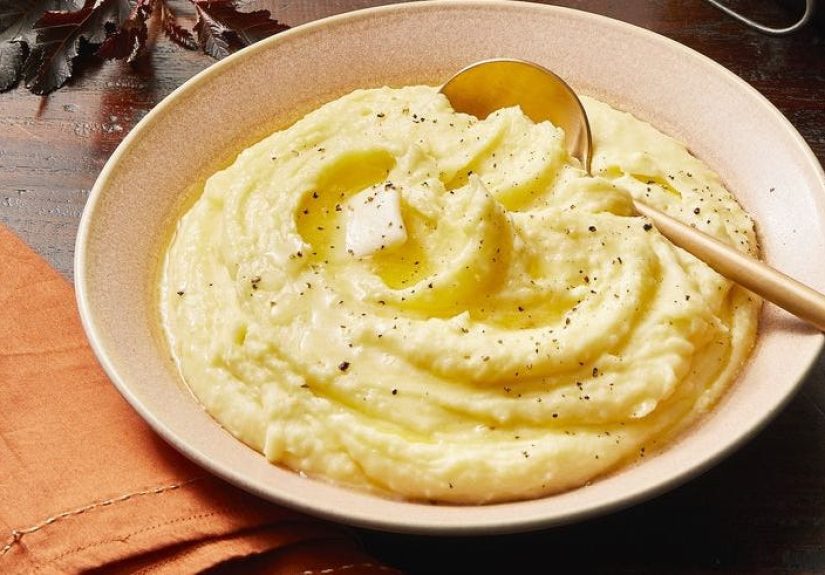
There are side dishes, and then there are side dishes that quietly steal the whole dinner. Herbed mashed potatoes belong in the second category. They look humble, like they showed up in a sensible sweater and promised not to make a scene. Then one spoonful hits the plate and suddenly the roast, the chicken, or the holiday turkey is just supporting cast.
This easy herbed mashed potatoes recipe is built for real kitchens and real appetites. It gives you fluffy, creamy potatoes with enough butter to feel comforting, enough fresh herbs to taste lively, and enough built-in flexibility that you can make them for a casual Tuesday or a holiday table with the fancy napkins. The goal is simple: mashed potatoes that taste rich and fresh, not gluey, bland, or suspiciously similar to wallpaper paste.
The secret is not a secret at all. Great mashed potatoes come down to a few small choices done well: choosing the right potato, salting the cooking water, warming the dairy, mashing gently, and adding herbs at the right moment. Once you understand those moves, this recipe becomes almost unfairly easy. It is the kind of dish that makes people ask, “What did you put in these?” and you get to answer, with theatrical modesty, “Oh, just a few herbs and basic competence.”
Why This Easy Herbed Mashed Potatoes Recipe Works
Herbed mashed potatoes work because they balance two things that do not always get along: richness and freshness. Potatoes, butter, and milk bring the creamy comfort. Fresh parsley, chives, thyme, and a little rosemary cut through that richness and keep every bite from feeling heavy. Instead of tasting one-note and sleepy, the potatoes stay bright and savory.
This version leans on Yukon Gold potatoes for their naturally buttery flavor and creamy texture. They mash beautifully without requiring an engineering degree or a backup plan. A little russet can be added for extra fluff, but Yukon Golds alone keep things simple and reliable. The method also avoids common mashed potato crimes: overbeating, underseasoning, and dumping cold milk into hot potatoes like the laws of texture do not apply in your kitchen.
Best Potatoes for Herbed Mashed Potatoes
If you have ever wondered why some mashed potatoes are silky while others feel dense, the potato variety is usually the first clue. Yukon Gold potatoes are the best choice for an easy herbed mashed potatoes recipe because they are naturally creamy and flavorful. They give you a smooth mash with a little body and a lot of personality.
Russet potatoes are another excellent option if you prefer a lighter, fluffier texture. They are starchier and can create that cloud-like finish many people love. The catch is that russets can go from fluffy to overworked faster than you can say “holiday panic.” For beginners or anyone who wants a stress-free bowl of mashed potatoes, Yukon Gold is the easier path. For a best-of-both-worlds texture, use a mix of Yukon Gold and russet.
Ingredients You Will Need
- 3 pounds Yukon Gold potatoes, peeled and cut into even chunks
- 1 tablespoon kosher salt, plus more to taste
- 6 tablespoons unsalted butter
- 3/4 cup whole milk, warmed
- 1/4 cup heavy cream, warmed
- 2 tablespoons fresh chives, finely chopped
- 2 tablespoons fresh parsley, finely chopped
- 1 teaspoon fresh thyme leaves, chopped
- 1/2 teaspoon fresh rosemary, very finely minced
- 1/2 teaspoon black pepper
- 1 garlic clove, grated or mashed into a paste, optional
This herb combination keeps the flavor classic and balanced. Chives and parsley add freshness. Thyme gives a subtle earthy note. Rosemary is strong, so use a light hand unless you want your potatoes to taste like they wandered through a Christmas wreath. Garlic is optional, but a small amount adds warmth without turning the dish into garlic mashed potatoes wearing a fake mustache.
How to Make Herbed Mashed Potatoes
1. Start the potatoes in cold, salted water
Place the potato chunks in a large pot and cover them with cold water by about an inch. Add the kosher salt. Starting in cold water helps the potatoes cook evenly from the outside in. If you drop potatoes into boiling water, the outsides can soften before the centers are ready, and that is how you end up with a pot full of mixed signals.
2. Simmer until tender, not until tragic
Bring the water to a gentle boil, then reduce it to a steady simmer. Cook for 15 to 20 minutes, or until the potatoes are fork-tender. You want the fork to slide in easily, but the potatoes should not be collapsing like they have given up on life.
3. Drain well and dry the potatoes
Drain the potatoes thoroughly, then return them to the hot pot over low heat for 1 to 2 minutes. Shake the pot gently. This step cooks off excess moisture, which is important because watery mashed potatoes are the culinary equivalent of a weak handshake. Dry potatoes absorb butter and warm dairy more eagerly, and the final texture becomes noticeably better.
4. Mash first, then add butter
Mash the hot potatoes with a potato masher or pass them through a ricer if you want an especially smooth texture. Add the butter first and stir it in until melted. This coats the starch with fat and helps the potatoes stay silky rather than sticky.
5. Add warm milk and cream
Pour in the warmed milk and cream gradually, stirring gently until the potatoes reach your preferred consistency. Some people like their mashed potatoes firm enough to hold shape on a plate. Others want them soft enough to sigh dramatically into gravy. Both are valid. Add the black pepper and taste for salt.
6. Fold in the herbs at the end
Stir in the chives, parsley, thyme, rosemary, and optional garlic right before serving. Adding fresh herbs late keeps their flavor vivid and their color bright. Herbs cooked too long in the mash can lose that fresh lift and start tasting muted. This is the point where the bowl suddenly smells like a dinner worth showing off.
Easy Herbed Mashed Potatoes Recipe
Yield: 6 servings
Prep time: 15 minutes
Cook time: 20 minutes
Total time: 35 minutes
- Place the peeled and chopped Yukon Gold potatoes in a large pot. Cover with cold water and add 1 tablespoon kosher salt.
- Bring to a boil over medium-high heat, then reduce to a simmer. Cook for 15 to 20 minutes, until fork-tender.
- Drain the potatoes well and return them to the pot over low heat for 1 to 2 minutes to dry them out.
- Mash the potatoes with a potato masher, or use a ricer for a smoother finish.
- Add the butter and stir until completely melted and absorbed.
- Slowly pour in the warmed milk and heavy cream, stirring gently until creamy.
- Mix in the black pepper, chives, parsley, thyme, rosemary, and optional garlic.
- Taste and adjust salt if needed. Serve hot with an extra pat of butter on top if you are feeling generous, which you should be.
Tips for the Creamiest Mashed Potatoes
The best mashed potatoes are not about adding the most ingredients. They are about handling the ingredients correctly. Warm dairy is a big deal because cold milk can cool the potatoes too fast and make the texture less smooth. Gentle mashing matters because aggressive mixing activates starch and turns the whole bowl gluey. That is why a food processor is a hard no here. It does not make mashed potatoes; it makes potato regret.
Another useful tip is to season in layers. Salt the water, then taste the finished potatoes and season again if needed. Potatoes need more salt than people often expect because they are dense and mild. Herbs help with flavor, but salt is what wakes everything up and tells your taste buds there is a party happening.
Common Mistakes to Avoid
Using the wrong potato: Waxy potatoes can become gummy and heavy. Stick with Yukon Gold, russet, or a mix.
Undersalting the water: If the potatoes are bland at the beginning, you will spend the rest of the recipe trying to rescue them.
Skipping the drying step: Extra water is the enemy of creamy mashed potatoes.
Overmixing: Stir enough to combine, not enough to punish.
Adding too much rosemary: Rosemary is lovely, but it can dominate. Think supporting actor, not full monologue.
Flavor Variations
One reason this herbed mashed potatoes recipe is so useful is that it is easy to customize. Stir in sour cream for extra tang. Add roasted garlic for deeper flavor. Swap some parsley for dill if you want a fresher, spring-like profile. Use brown butter instead of regular butter if you want a nuttier, toastier finish. A spoonful of cream cheese can make the potatoes richer, while olive oil can replace part of the butter for a slightly lighter but still flavorful bowl.
You can also adjust the herb blend to match the meal. Thyme and rosemary feel perfect with roast chicken, beef, or holiday dinners. Chives and dill pair beautifully with salmon. Parsley works with nearly everything, because parsley is the diplomatic diplomat of the herb world.
What to Serve With Herbed Mashed Potatoes
These potatoes fit in almost anywhere. They are excellent with roast chicken, meatloaf, grilled steak, pork chops, turkey, braised short ribs, or simple sautéed mushrooms. They also work with vegetable-forward meals. Serve them alongside green beans, roasted carrots, or garlicky Brussels sprouts, and dinner looks suspiciously like you planned it well in advance.
The herb flavor makes them especially good with dishes that have savory pan sauces or gravy. The creamy texture catches every drop. Which is another way of saying that the potatoes are not just a side dish. They are a sauce delivery system with excellent public relations.
Storage and Reheating
Leftover herbed mashed potatoes can be stored in an airtight container in the refrigerator for up to 4 days. Reheat them gently on the stove or in the microwave with a splash of warm milk or cream. Stir just enough to loosen them. If they look stiff after chilling, do not panic. Cold mashed potatoes always look like they are judging you. Warmth and a little dairy fix most of their attitude.
For make-ahead meals, prepare the potatoes a day in advance and hold back a portion of the herbs until reheating time. That keeps the final flavor fresher. A little butter melted over the top before serving also helps restore that just-made appeal.
Kitchen Experiences: What Herbed Mashed Potatoes Teach You Over Time
Anyone who makes mashed potatoes more than once learns quickly that this dish has moods. The first batch often teaches humility. Maybe the potatoes were cut unevenly, so some pieces cooked faster than others. Maybe the milk came straight from the refrigerator and cooled everything down too fast. Maybe the herbs were chopped in a hurry and one bite had lovely parsley while the next bite tasted like a direct challenge from rosemary. None of this ruins dinner, but it does explain why mashed potatoes are one of those recipes that get better with repetition.
A weeknight batch teaches speed. You realize that if the potatoes are peeled and cut evenly, dinner moves faster than expected. You learn to warm the milk while the potatoes simmer, which feels like a tiny act of kitchen wisdom. You stop measuring every herb with courtroom precision and start noticing balance instead. The recipe becomes less about instructions and more about rhythm. Pot on the stove, herbs on the board, butter ready, masher waiting. Dinner feels easier, not because the dish changed, but because your hands know what comes next.
Holiday batches teach strategy. Herbed mashed potatoes are wonderful on a crowded menu because they can be made ahead, held warm, and revived with a little extra milk and butter. That matters when the oven is busy, the stovetop is crowded, and somebody is asking where the serving spoon went as if you personally hid it. A good batch of mashed potatoes becomes emotional support food for the cook as much as for the guests. It is comforting, forgiving, and usually the first bowl to empty.
Then there is the lesson of overmixing, a mistake nearly everyone makes once. The texture goes from fluffy to sticky with shocking speed. It is one of those kitchen moments that changes you. After that, you fold and stir with more respect. You understand that potatoes are generous, but they are not infinitely patient.
The herbs teach their own lessons too. Chives disappear into the mash in the best way, giving gentle onion flavor without fuss. Parsley brightens everything and makes the bowl look fresher immediately. Thyme adds depth. Rosemary, on the other hand, reminds you that confidence should be measured. Too little and you hardly notice it. Too much and the whole bowl starts acting like it has pine-scented opinions. Eventually you learn the balance that fits your table.
Perhaps the best experience of all is watching how people react to a well-made bowl of herbed mashed potatoes. There is something universal about them. Kids like them. Adults go back for seconds. Fancy guests stop being fancy and scrape the spoon across the serving bowl. That is the charm of this recipe. It is simple enough to be familiar, but flavorful enough to feel special. It does not ask for hard-to-find ingredients or restaurant-level equipment. It just rewards attention, a decent potato, and the good sense to treat butter like a friend.
In the end, herbed mashed potatoes are more than a side dish. They are a recipe people actually repeat, tweak, and remember. They show up at rushed family dinners, long holiday meals, and cozy weekends when comfort food sounds better than ambition. And every time they land on the table, they prove the same point: simple food, done well, wins every time.
Conclusion
If you want a mashed potatoes recipe that is easy enough for beginners and good enough for company, this is the one to keep. These easy herbed mashed potatoes are creamy, fluffy, fresh, and deeply comforting without becoming heavy or dull. They fit a holiday feast, a roast chicken dinner, or any meal that could use one very reliable bowl of happiness. Once you master the small details, the recipe becomes wonderfully repeatable, and that is exactly what a great side dish should be.